Advanced Porous Membrane Technology: Superior Filtration Solutions for Industrial Applications

All Categories

Get a Free Quote

Our representative will contact you soon.
Email
Name
Company Name
Message
0/1000

porous membrane

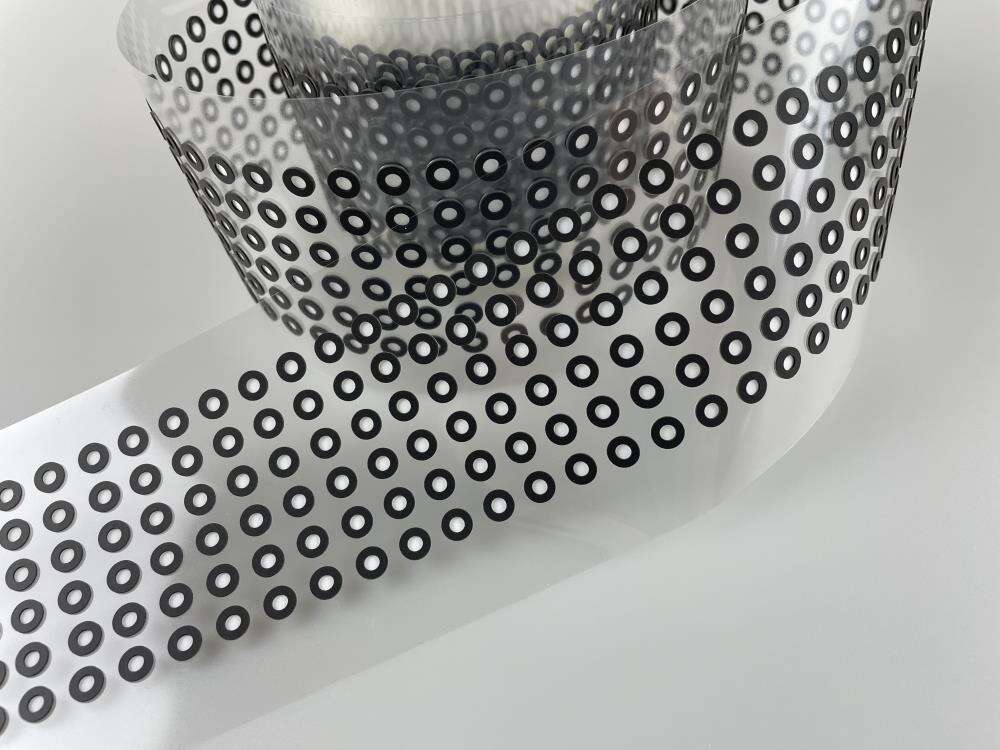
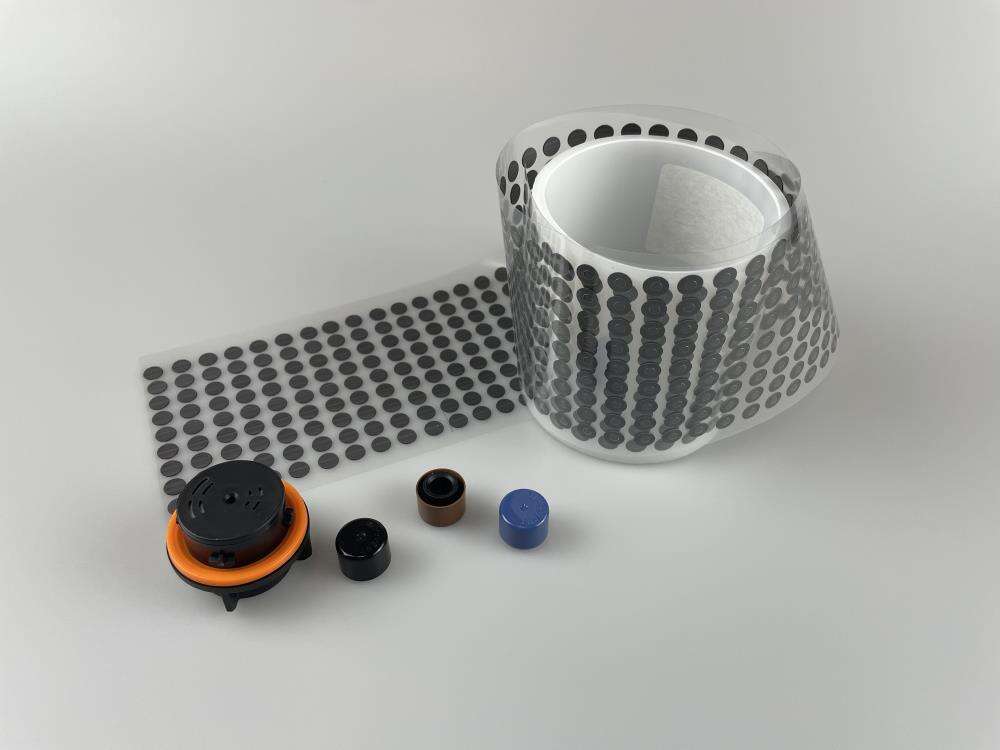
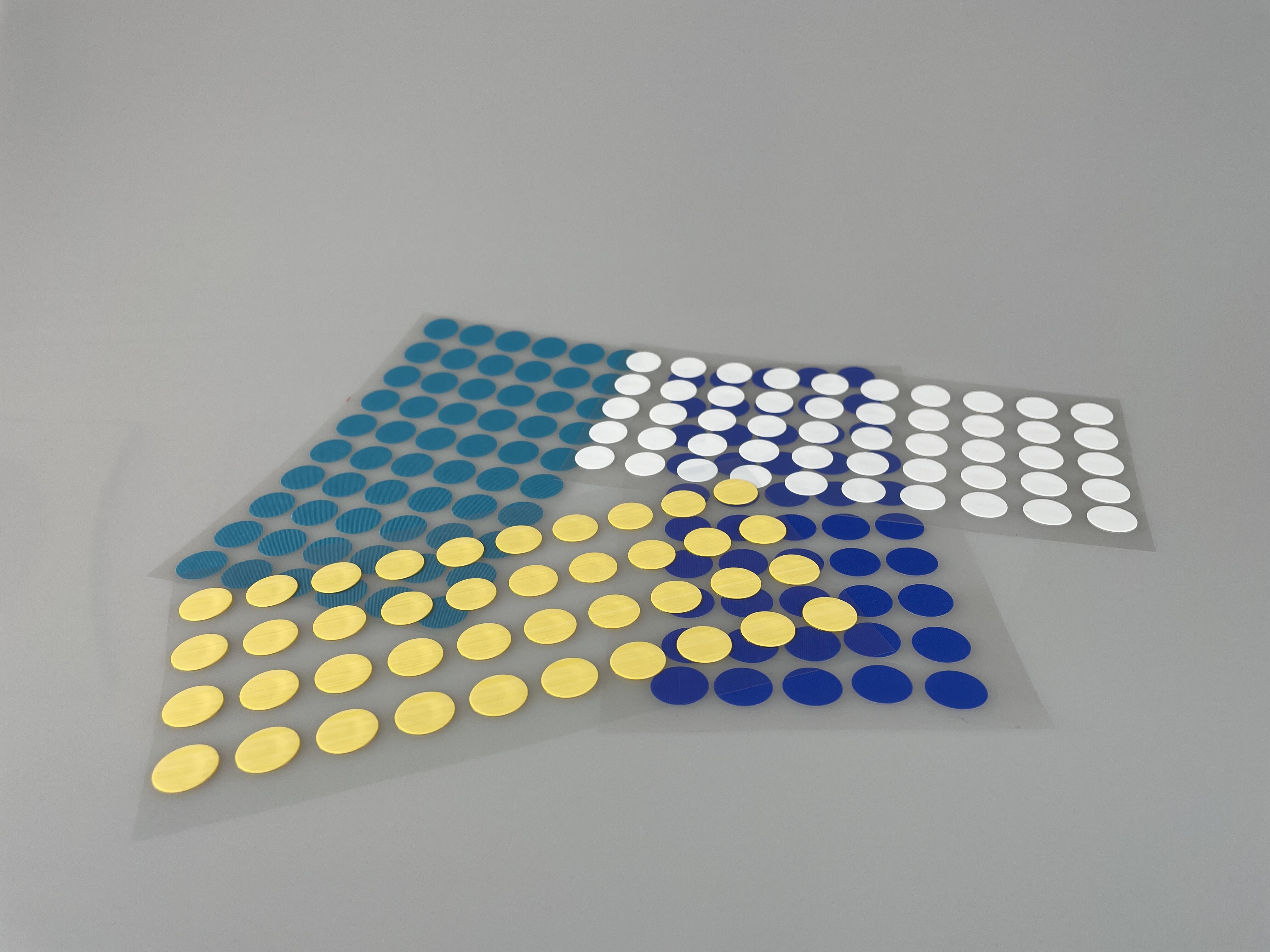
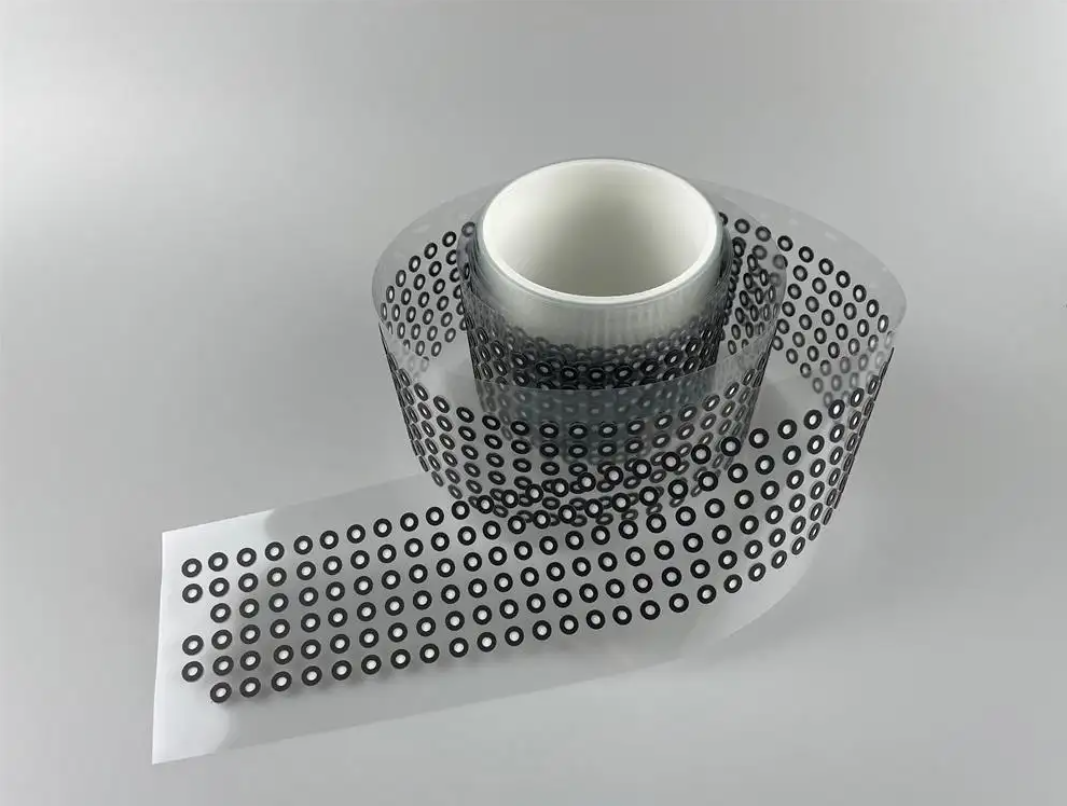
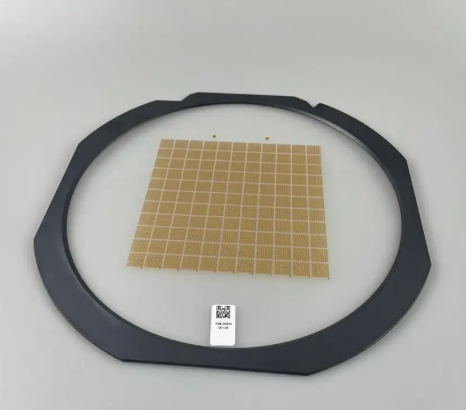
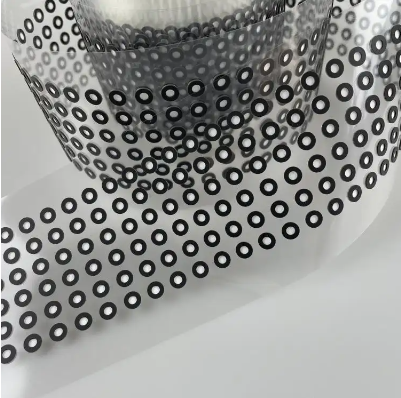
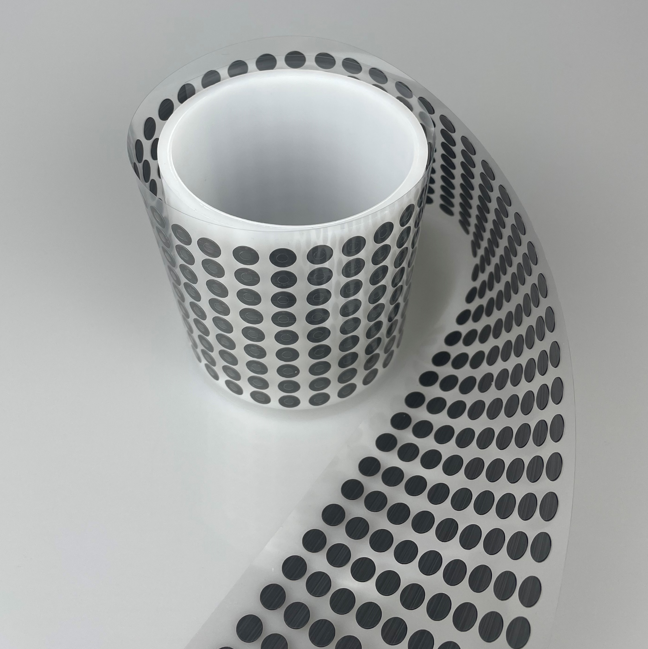
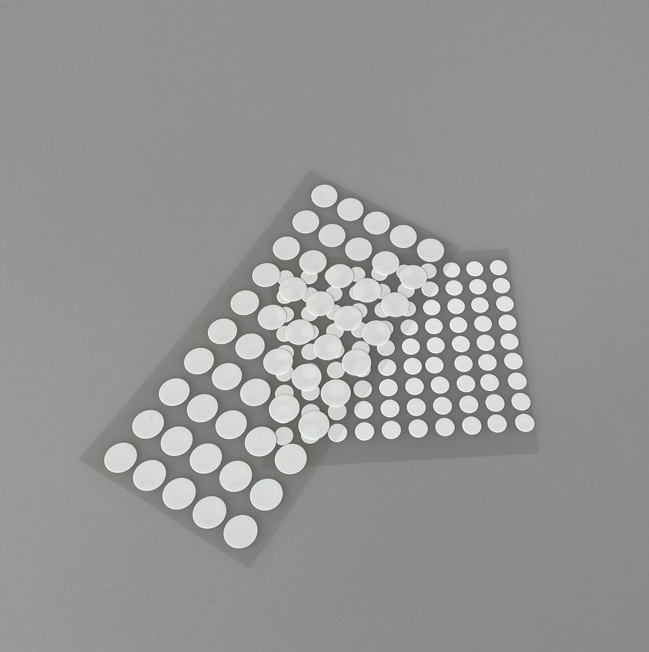
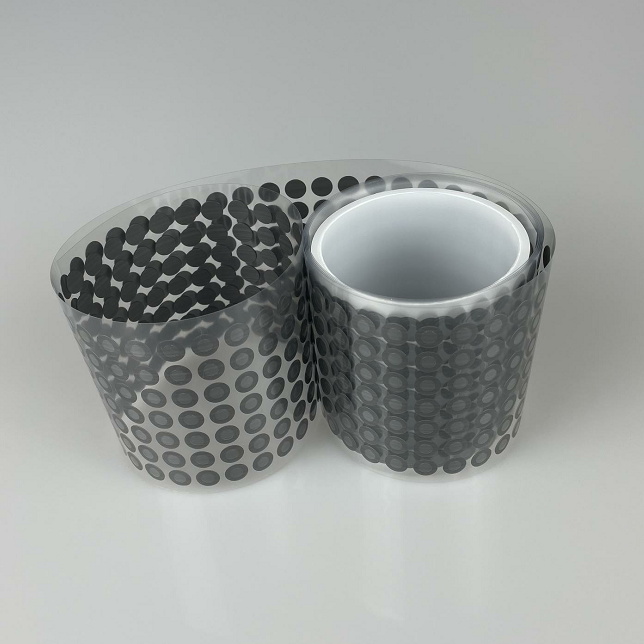
A porous membrane represents a sophisticated filtration technology that revolutionizes separation processes across multiple industries. This advanced material features a precisely engineered structure containing countless microscopic pores that allow selective passage of substances based on size, molecular weight, and chemical properties. The porous membrane operates through various mechanisms including size exclusion, molecular sieving, and selective permeability, making it an essential component in modern separation and purification systems. The technological architecture of these membranes incorporates carefully controlled pore sizes ranging from nanometers to micrometers, depending on the specific application requirements. Manufacturing processes utilize cutting-edge techniques such as phase inversion, track etching, and electrospinning to create uniform pore distributions and optimal surface characteristics. The material composition varies significantly, encompassing polymeric materials like polyethersulfone, polyvinylidene fluoride, and ceramic compounds including alumina and zirconia. These diverse material options enable customization for specific operating conditions including temperature ranges, chemical compatibility, and mechanical strength requirements. Key functions include particle separation, molecular fractionation, sterilization, and concentration processes. The porous membrane excels in applications requiring high selectivity and efficiency, such as water treatment facilities where it removes contaminants while preserving essential minerals. In biotechnology applications, these membranes facilitate protein purification, cell harvesting, and pharmaceutical manufacturing processes. The food and beverage industry leverages porous membrane technology for clarification, concentration, and sterile filtration of various products. Additionally, industrial applications span gas separation, wastewater treatment, and chemical processing where precise separation capabilities are crucial. The versatility of porous membrane technology extends to emerging fields including fuel cells, battery separators, and environmental remediation systems, demonstrating its expanding role in modern technological solutions.

New Product Releases

Porous membrane technology delivers exceptional performance advantages that directly translate into operational benefits and cost savings for businesses across diverse industries. The superior separation efficiency achieved through precise pore size control ensures consistent product quality while reducing processing time and energy consumption. This enhanced efficiency stems from the membrane's ability to perform multiple separation steps simultaneously, eliminating the need for complex multi-stage processing systems that traditionally require significant space and maintenance resources. The durability characteristics of modern porous membrane designs significantly outperform conventional filtration methods, with many membranes maintaining optimal performance for extended periods under demanding operating conditions. This longevity reduces replacement frequency and associated downtime, directly impacting operational productivity and maintenance costs. Chemical resistance properties enable these membranes to withstand aggressive cleaning protocols and harsh process environments without degradation, ensuring consistent performance throughout their operational lifespan. The scalability benefits of porous membrane systems allow businesses to easily expand processing capacity by adding membrane modules without requiring extensive infrastructure modifications. This modular approach provides flexibility for growing operations while maintaining capital efficiency. Energy efficiency represents another significant advantage, as porous membrane processes typically operate at lower pressures and temperatures compared to traditional separation methods, resulting in reduced utility costs and environmental impact. The compact footprint of membrane systems optimizes facility space utilization, allowing installation in locations where traditional separation equipment would be impractical. Automated operation capabilities reduce labor requirements while providing precise process control and monitoring, minimizing human error and ensuring consistent output quality. The selective permeability characteristics enable recovery and concentration of valuable components that might otherwise be lost in conventional separation processes, creating additional revenue streams and improving overall process economics. Environmental benefits include reduced waste generation, lower chemical consumption for cleaning and regeneration, and decreased energy requirements, supporting sustainability initiatives while meeting increasingly stringent environmental regulations. The versatility of porous membrane technology allows single systems to handle multiple separation tasks, reducing equipment complexity and training requirements for operational personnel.

Practical Tips

What Are the Different Types of MicroVENT®Acoustic Vents Available?

21

May

What Are the Different Types of MicroVENT®Acoustic Vents Available?

Understanding MicroVENT® Acoustic Vent Technology Core Principles of ePTFE Membrane Design The expanded Polytetrafluoroethylene (ePTFE) membrane is recognized for its remarkable porosity, making it an ideal material for acoustic vent application...
View More
Why packaging Industries Benefit the Most from Using MicroVent®Packaging Valves?

21

May

Why packaging Industries Benefit the Most from Using MicroVent®Packaging Valves?

The Critical Role of Packaging Valves in Industrial Efficiency How Valve Technology Impacts Product Integrity Valve technology plays an essential role in maintaining product integrity, ensuring safety and quality during storage and transportation. A...
View More
What is MicroVent®️ ePTFE membrane, and what are its uses?

25

Jun

What is MicroVent®️ ePTFE membrane, and what are its uses?

Understanding MicroVent® ePTFE Membrane Technology Material Composition and Microporous Structure MicroVent® ePTFE membranes are renowned for their highly distinctive microporous structure, which plays a crucial role in their functionality. ...
View More
What are the advantages of using MicroVENT® screw-in vent bolts for vehicle lamps and LED ?

18

Jul

What are the advantages of using MicroVENT® screw-in vent bolts for vehicle lamps and LED ?

Ensuring Performance and Protection for Vehicle Lamps Addressing Pressure and Moisture Challenges Modern vehicle lamps and LED systems are subject to continuous exposure to fluctuating temperatures and external environmental pressures. These changes...
View More

Get a Free Quote

Our representative will contact you soon.
Email
Name
Company Name
Message
0/1000

porous membrane

Advanced Selective Filtration Technology

Advanced Selective Filtration Technology

The breakthrough selective filtration capability of porous membrane technology represents a quantum leap in separation science, offering unprecedented precision in molecular and particle separation processes. This sophisticated mechanism operates through carefully engineered pore structures that act as molecular gates, allowing desired substances to pass while effectively blocking unwanted contaminants or components. The selective nature of this technology stems from multiple separation principles working in harmony, including size exclusion where molecules larger than the pore diameter are retained, charge-based separation that leverages electrostatic interactions, and hydrophobic-hydrophilic interactions that influence molecular affinity. The precision achievable with modern porous membrane designs enables separation of components with minimal size differences, something traditional filtration methods struggle to accomplish consistently. This selectivity proves invaluable in pharmaceutical manufacturing where API purification requires removal of closely related impurities, or in biotechnology applications where specific proteins must be isolated from complex biological mixtures. The technology's ability to maintain sharp molecular weight cutoffs ensures consistent separation performance, reducing product variability and improving quality control outcomes. Advanced surface modifications and functional coatings further enhance selectivity by introducing specific binding sites or repulsion mechanisms that target particular molecular species. This targeted approach minimizes processing steps, reduces chemical consumption, and improves overall yield compared to conventional separation cascades. The selective filtration performance remains stable across varying operating conditions, providing reliable separation regardless of feed concentration fluctuations or minor process variations. Industrial applications benefit tremendously from this selective capability, particularly in processes requiring simultaneous removal of multiple contaminant types while preserving product integrity. The environmental impact advantages include reduced waste streams through precise separation, enabling recycling and recovery of valuable materials that would otherwise be discarded. This selective technology also enables concentration processes that increase product potency while removing diluting components, directly improving product value and reducing shipping costs through volume reduction.
Superior Durability and Chemical Resistance

Superior Durability and Chemical Resistance

The exceptional durability and chemical resistance properties of modern porous membrane technology provide unmatched reliability in demanding industrial environments, delivering long-term performance that significantly reduces operational costs and maintenance requirements. These membranes are engineered using advanced materials science principles that incorporate chemical-resistant polymers, ceramic composites, or hybrid structures designed to withstand aggressive chemical environments, extreme temperatures, and mechanical stress. The durability advantage manifests through extended operational lifespans that can exceed traditional filtration media by several orders of magnitude, with many installations reporting continuous operation for years without performance degradation. This longevity stems from carefully selected base materials that resist chemical attack, oxidation, and physical degradation even under challenging process conditions. The chemical resistance spectrum covers acidic and alkaline environments, organic solvents, oxidizing agents, and high-ionic-strength solutions that would quickly compromise conventional filtration materials. Advanced manufacturing techniques create molecular structures that maintain integrity when exposed to cleaning chemicals, sanitizing agents, and process fluids that typically cause swelling, cracking, or pore structure changes in standard membranes. The mechanical strength properties ensure stable pore structure under varying pressure conditions, preventing pore collapse or expansion that could compromise separation performance. Thermal stability characteristics enable operation across wide temperature ranges without performance loss, supporting processes that require elevated temperatures for viscosity reduction or enhanced mass transfer. The resistance to biological fouling through surface modifications and antimicrobial properties reduces cleaning frequency and extends operational cycles, improving overall system productivity. Chemical compatibility extends to cleaning and regeneration protocols, allowing aggressive cleaning procedures that restore original performance without membrane damage. This chemical resistance translates directly into reduced replacement costs, minimized process downtime, and improved operational reliability. The ability to withstand sterilization procedures including steam, gamma irradiation, and chemical sterilants makes these membranes ideal for pharmaceutical and biotechnology applications where sterility assurance is critical. Long-term stability testing demonstrates consistent performance over thousands of operational cycles, providing confidence in process reliability and product quality maintenance.
Energy Efficient and Environmentally Sustainable Operation

Energy Efficient and Environmentally Sustainable Operation

The energy efficiency and environmental sustainability characteristics of porous membrane technology represent a paradigm shift toward greener industrial processes, delivering substantial operational cost savings while supporting corporate sustainability initiatives and environmental compliance objectives. The energy efficiency advantage stems from the low-pressure operation requirements compared to traditional separation methods, with many membrane processes operating at pressures significantly lower than conventional filtration or distillation systems. This reduced energy consumption directly translates to lower utility costs and decreased carbon footprint, supporting both economic and environmental goals. The passive separation mechanism inherent in membrane technology eliminates the need for energy-intensive heating, cooling, or mechanical separation processes that characterize traditional methods. Advanced membrane designs optimize mass transfer efficiency, enabling higher flux rates at lower driving pressures, further enhancing energy performance while maintaining separation quality. The environmental sustainability benefits extend beyond energy savings to include reduced chemical consumption for cleaning and regeneration processes, minimizing hazardous waste generation and disposal costs. Water conservation advantages arise from the ability to concentrate waste streams, reducing overall water consumption and wastewater generation in manufacturing processes. The compact system footprint reduces material usage in construction and installation while optimizing facility space utilization for improved operational efficiency. Membrane technology enables closed-loop processing systems that recycle and reuse process fluids, minimizing raw material consumption and waste generation. The selective separation capabilities facilitate recovery of valuable byproducts that can be recycled or repurposed, creating additional revenue streams while reducing waste disposal costs. Carbon footprint reduction occurs through multiple mechanisms including lower energy requirements, reduced transportation needs due to concentrated products, and elimination of energy-intensive thermal separation processes. The longevity and chemical resistance properties minimize replacement frequency, reducing manufacturing impact and disposal requirements over the system lifetime. Regulatory compliance benefits include meeting increasingly stringent environmental discharge limits through superior contaminant removal efficiency and reduced chemical additive requirements. The technology supports zero liquid discharge initiatives in water-scarce regions while enabling compliance with evolving environmental regulations. Life cycle assessment studies consistently demonstrate favorable environmental profiles compared to conventional separation technologies, supporting corporate sustainability reporting and environmental stewardship goals while delivering measurable operational benefits.

Get a Free Quote

Our representative will contact you soon.
Email
Name
Company Name
Message
0/1000