Acoustic ePTFE Membrane for Electronics

All Categories

Get a Free Quote

Our representative will contact you soon.
Email
Name
Company Name
Message
0/1000
Acoustic ePTFE Membrane Selection for Electronic Assemblies

Acoustic ePTFE Membrane Selection for Electronic Assemblies

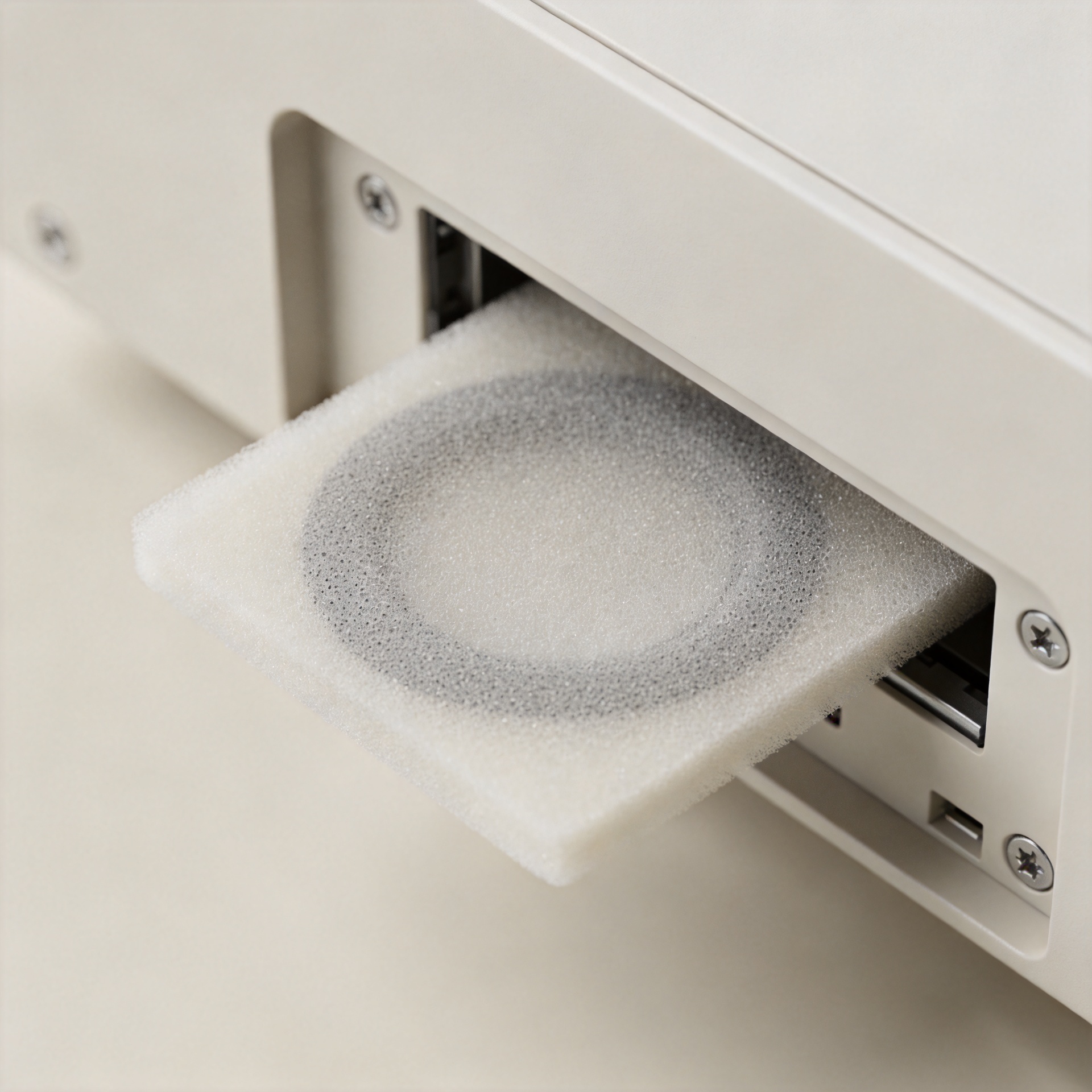
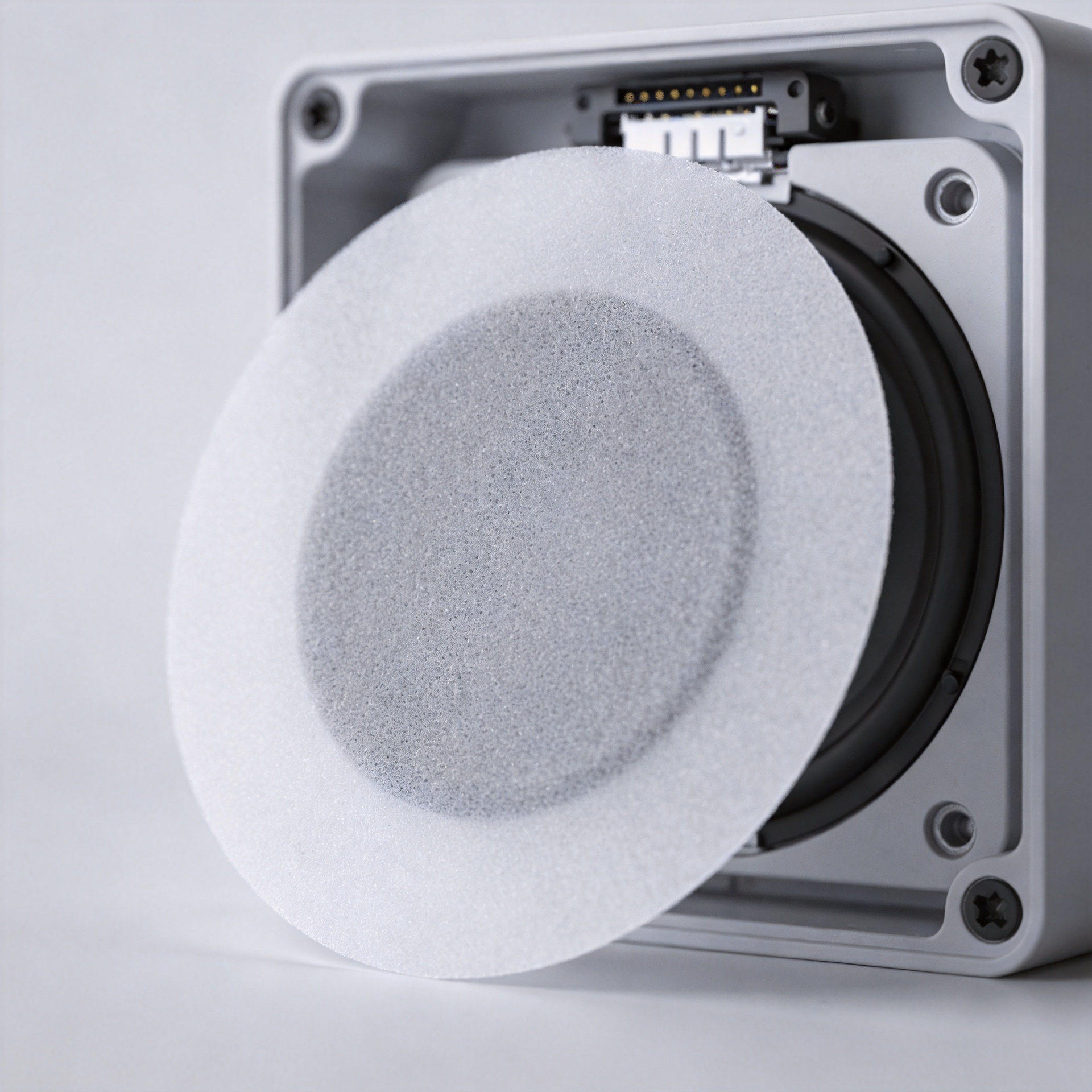
An acoustic ePTFE membrane is a porous part for an acoustic opening in an electronic assembly. It may be considered when the opening needs a defined airflow path. It may also be considered for electronics protection in a device enclosure. The right acoustic ePTFE membrane depends on the opening, the housing, and the expected exposure. MicroVENT lists an Acoustic Vent Membrane, a MEMS protection membrane, and an Adhesive Vent Membrane. These are real catalog categories for a first review. An acoustic vent membrane is not a complete device claim. Check the drawing, mounting area, and use condition first. Ask for product information before a design choice. Share the device type, opening size, assembly method, and technical question. The inquiry team can then discuss an acoustic ePTFE membrane option for your stated application.
Get A Quote

Acoustic ePTFE Membrane Options

Verified catalog options for acoustic ePTFE membrane review.
A Product-Led Starting Point

A Product-Led Starting Point

The Acoustic Vent Membrane is a verified catalog category for an acoustic ePTFE membrane review. It gives a clear first product category for the topic. Check the device opening, the mount, and the use condition before selection. Request the product drawing or specification for an application-specific discussion.

Define the Acoustic Opening

Start with the opening. An acoustic ePTFE membrane should fit the actual opening. Do not start with a broad material claim. State where the opening sits. It may be near a microphone, speaker, sensor, or another part. State what the opening must do. A sound path may be one concern. Electronics protection may be another concern. The design team should list both needs.

Describe the opening in simple terms. Give its shape and key size. Show the available mounting area. Note nearby parts. Say if the surface is flat or recessed. These facts help a supplier review an acoustic vent membrane. They also help compare an acoustic ePTFE membrane with another format. A product name alone cannot show device fit.

State the Use Condition

Next, state the use condition. The condition can shape acoustic ePTFE membrane selection. Tell the team what the enclosure may face. The concern may be dust, moisture, splashes, or condensation. It may be another source of ingress. State how often that exposure may occur. State which part of the device needs electronics protection.

Do not turn a general ePTFE description into a result claim. MicroVENT describes ePTFE technology with a porous structure. The site also names composite, lamination, and surface-modification approaches. Those facts give context for an acoustic vent membrane discussion. They do not prove a finished device result. The finished assembly still needs its own review.

  • List the exposure conditions for the final device.
  • Name the function of the acoustic opening.
  • Note the housing material and available space.
  • Ask for the product drawing before selection.

Review the Mounting Method

The mounting method matters. It can change how an acoustic ePTFE membrane works in an assembly. The Adhesive Vent Membrane category may suit a review of an attached format. The Acoustic Vent Membrane category is a direct topic match. The MEMS protection membrane category may be useful for a small sensing part. Each category needs a separate fit review.

Explain how the part will be handled. Explain how it will be aligned. Explain how it will be held in place. Check the usable contact area. Check the surface condition. Check the space around the opening. If an adhesive format is being reviewed, share the planned assembly process. If a cover or gasket is used, share that detail too. The surrounding parts may affect the effective opening.

Compare the Right Evidence

A short evidence plan is better than a long feature list. Begin with the product drawing and material information. Then list the questions for the device. An acoustic ePTFE membrane review may cover sound, mounting, and exposure. An electronics protection review may cover the housing and sensitive parts. Keep each question tied to the real design.

Give the supplier a drawing of the opening. Give the housing material. Give the planned mounting method. Give the expected environment. Give the acoustic requirement. If your team has a test method, state its scope. Ask which product information is available. Add a standard reference only after its scope is confirmed. This keeps the acoustic vent membrane discussion clear and useful.

Send a Useful Technical Inquiry

A good inquiry saves time. State the device type first. State the opening function next. Add key dimensions and the preferred mount. Describe the expected environment. Say whether the question is about an acoustic ePTFE membrane, an acoustic vent membrane, or electronics protection. Then state the next design decision.

This approach avoids a simple but weak claim. The answer depends on the medium, enclosure, and pressure profile. Balance the airflow path with the need to consider ingress. Request product documentation for the proposed use. Then plan a review that matches the finished assembly. This is a practical way to begin an acoustic ePTFE membrane discussion.

Acoustic ePTFE Membrane FAQ

Questions to frame an application-specific technical review.

What is an acoustic ePTFE membrane used for?

An acoustic ePTFE membrane is considered for an acoustic opening in an electronic assembly. The opening may be linked to a microphone, speaker, sensor, or another feature. The intended use must be clear first. Record the opening shape, housing design, mount, and use condition. An acoustic vent membrane product name identifies a possible category. It does not prove fit in a finished device. Ask for the drawing or specification. Review that information against the real assembly before selection. This keeps an acoustic ePTFE membrane choice tied to the design.
Start with the planned mounting method. An acoustic ePTFE membrane may need a flat surface, a defined contact area, or another mounting arrangement. An Adhesive Vent Membrane can be reviewed when an attached format is needed. An Acoustic Vent Membrane is a direct catalog category for this topic. A MEMS protection membrane may be relevant for a small sensing part. Check the opening, the surface, the clearance, and the assembly process. Compare each format against those facts. Do not assume similar product names mean the same device fit.
Include the device type and the function of the opening. Include a drawing or key dimensions. State the housing material and preferred mounting method. Describe the expected environment. Explain whether the request concerns an acoustic vent membrane, an acoustic ePTFE membrane, or electronics protection. Also state the next technical decision. Share an internal test question with its scope. Do not assume an unlisted result. These details help the supplier identify a relevant catalog category and the product information that may support a technical review.
No. An acoustic ePTFE membrane should not be treated as a universal solution. The opening, mount, housing, and use condition can change the selection. The acoustic requirement can also change the review. For electronics protection, first compare the actual enclosure and exposure. For an acoustic vent membrane, first compare the sound path and mounting interface. Use product information as a starting point. Then build a verification plan for the finished assembly. This keeps confirmed facts separate from results that still need device-specific review.

Get a Free Quote

Our representative will contact you soon.
Email
Name
Company Name
Message
0/1000

Related ePTFE Membrane Topics

Get a Free Quote

Our representative will contact you soon.
Email
Name
Company Name
Message
0/1000