Versatile Installation and Compatibility
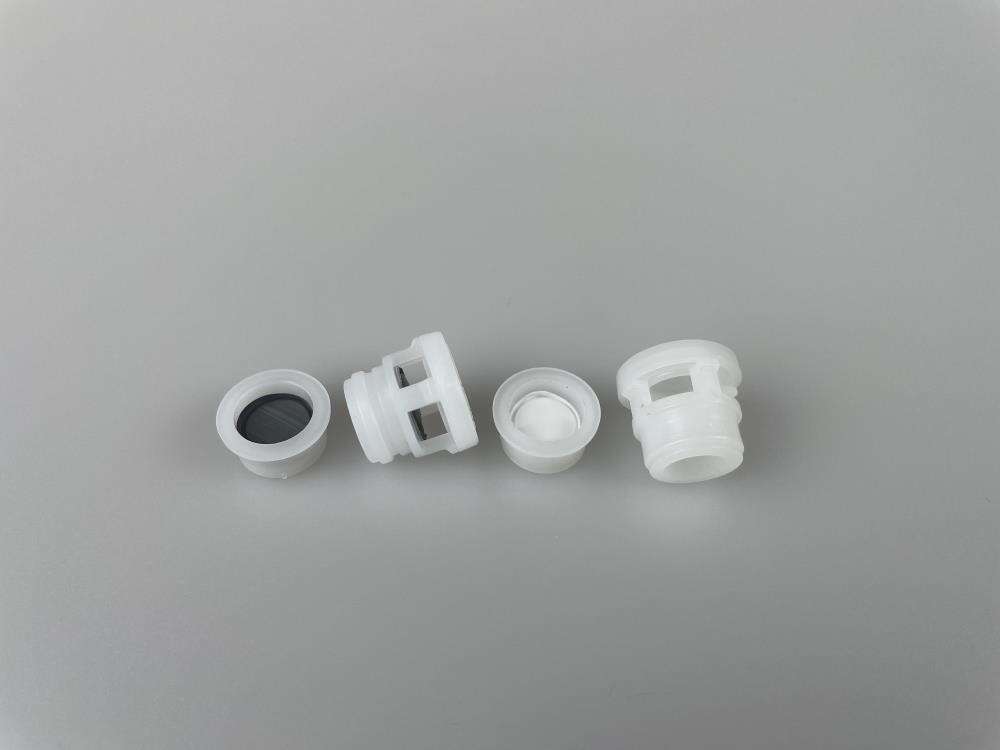
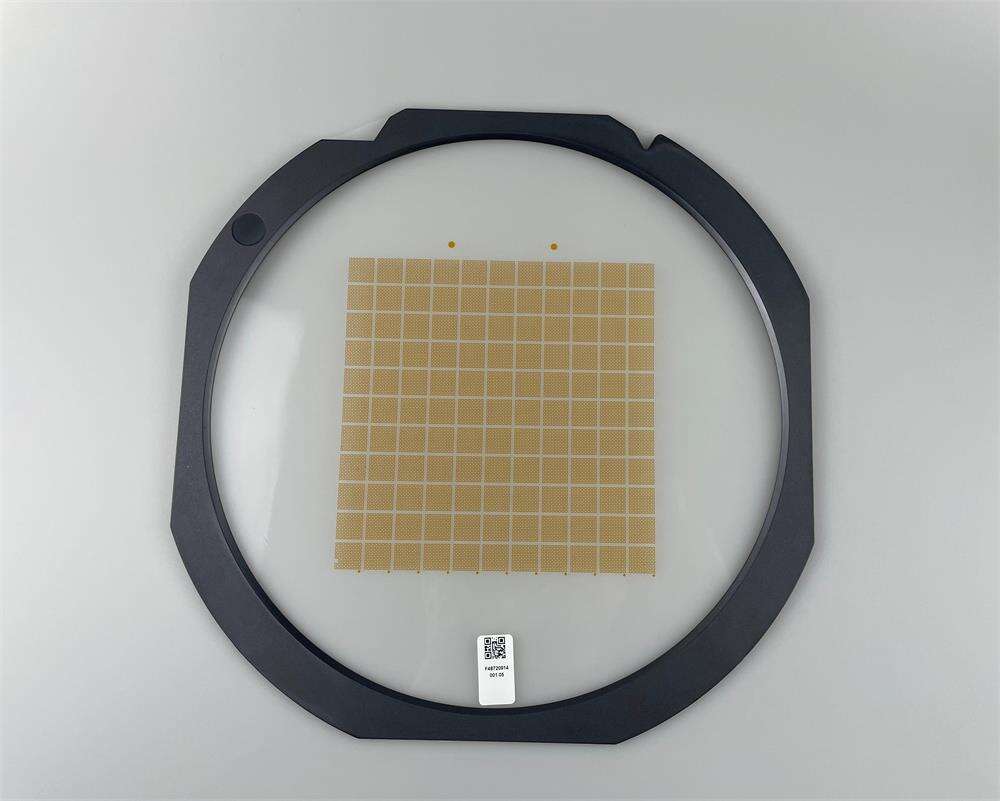
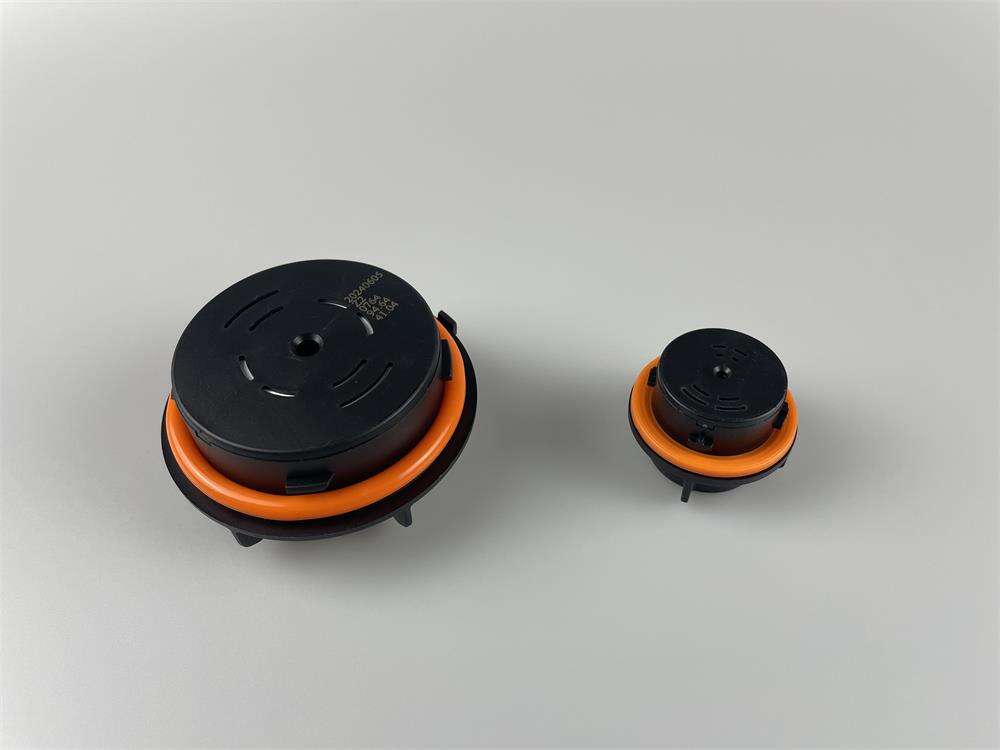
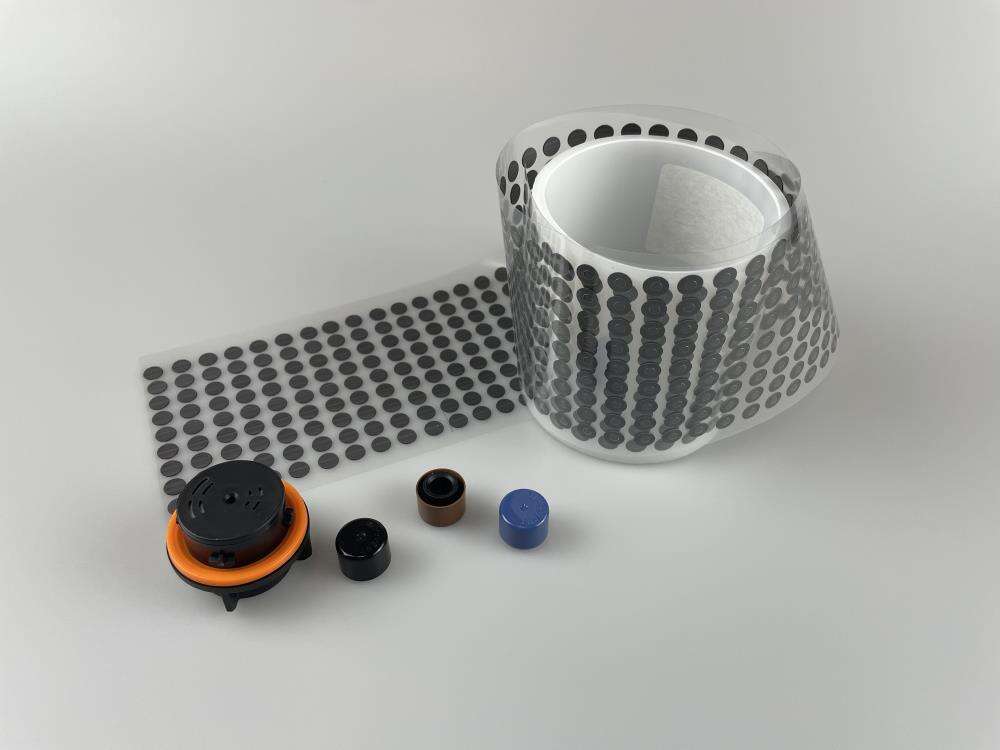
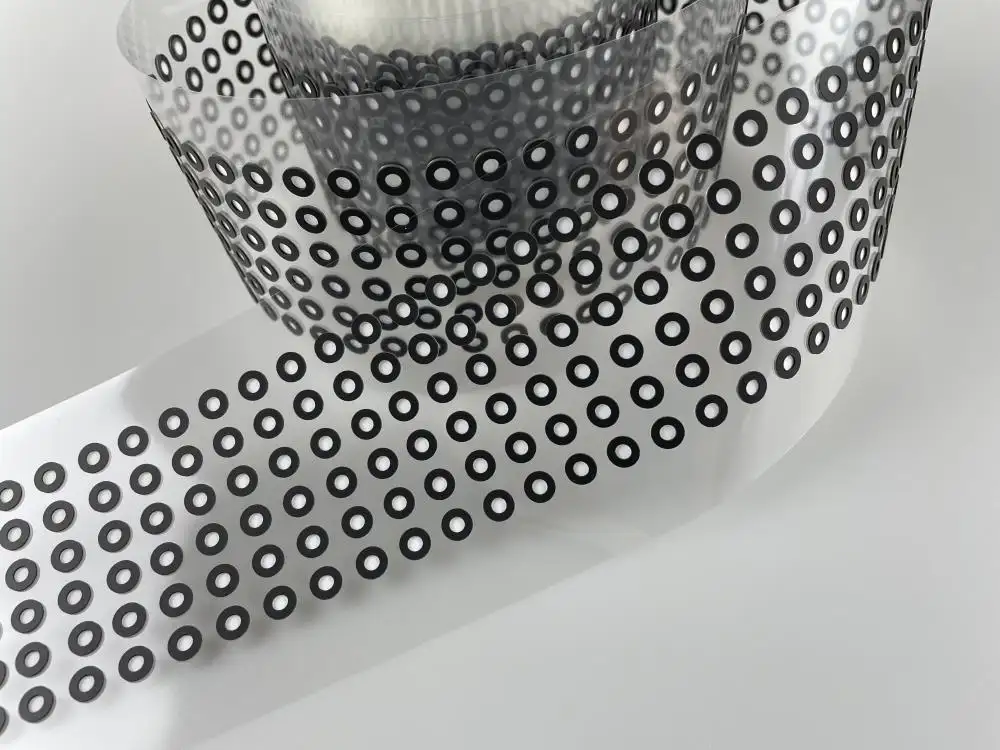
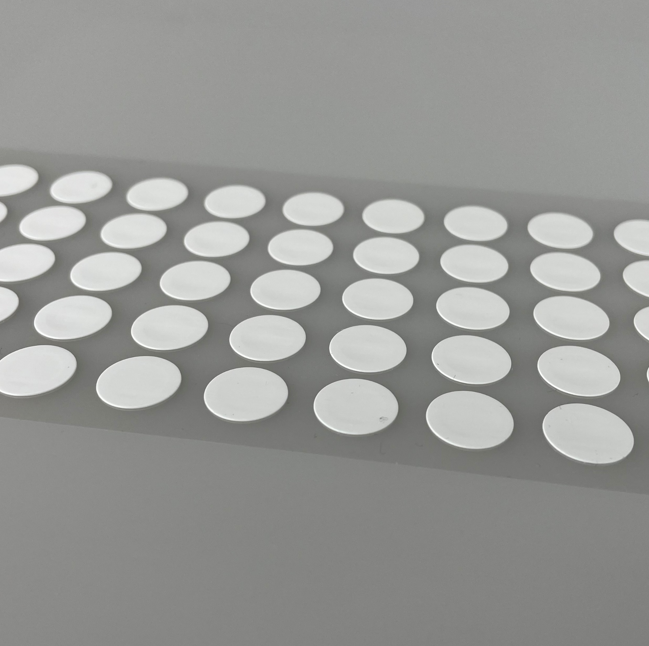
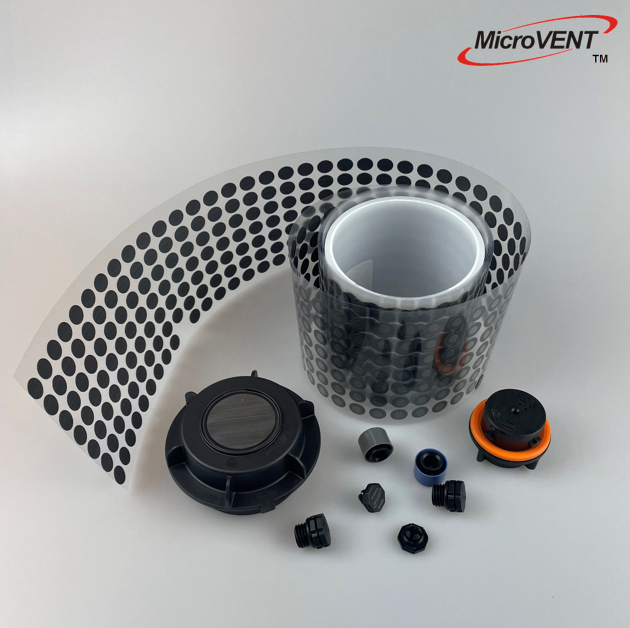
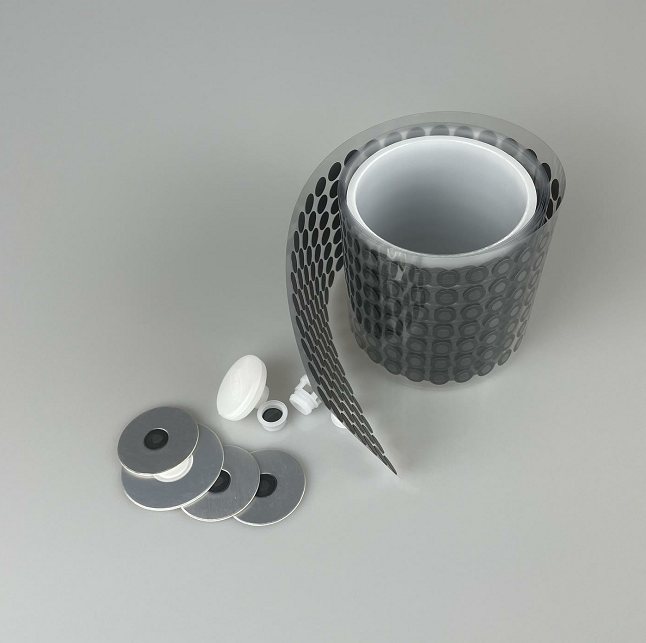
The air flow membrane's versatile installation characteristics and broad compatibility with existing systems make it an ideal choice for both new construction and retrofit projects across numerous industries. The membrane's lightweight design, weighing approximately 70% less than comparable rigid ventilation materials, significantly reduces structural load requirements and simplifies handling during installation procedures. This weight reduction translates to lower transportation costs and easier maneuverability on job sites, particularly beneficial for high-rise construction or remote locations where material handling presents challenges. The membrane's flexibility allows it to conform to curved surfaces, irregular geometries, and complex architectural features that would be impossible to accommodate with rigid alternatives. Standard installation procedures require only basic tools and techniques, enabling faster project completion times and reduced labor costs compared to traditional ventilation system installations. The membrane's compatibility with various attachment methods, including mechanical fasteners, adhesive bonding, and heat welding, provides installation flexibility to match different substrate materials and project requirements. Thermal welding capabilities create seamless joints that maintain the membrane's performance characteristics while ensuring weather-tight installations. The material's dimensional stability prevents shrinkage or expansion after installation, eliminating the gaps and overlaps that can compromise system performance over time. Retrofit applications benefit from the membrane's ability to integrate with existing ventilation infrastructure without requiring extensive modifications or system replacements. The membrane's chemical compatibility with common construction materials, including metals, plastics, and sealants, prevents interaction problems that could affect long-term performance. Installation guidelines provide clear specifications for various applications, ensuring optimal performance regardless of project complexity or environmental conditions. The membrane's resistance to mechanical damage during installation reduces waste and callbacks associated with damaged materials. Quality control procedures include installation verification protocols that confirm proper membrane performance before project completion. Post-installation testing capabilities allow for performance validation and system optimization to ensure the air flow membrane delivers expected benefits throughout its service life.
 EN
EN
 AR
AR
 CS
CS
 FR
FR
 DE
DE
 IT
IT
 JA
JA
 KO
KO
 PT
PT
 RU
RU
 ES
ES
 ID
ID
 VI
VI
 TH
TH
 TR
TR
 MS
MS