Air Release Mesh for Venting Applications

All Categories

Get a Free Quote

Our representative will contact you soon.
Email
Name
Company Name
Message
0/1000
Air Release Mesh for Controlled Venting Design

Air Release Mesh for Controlled Venting Design

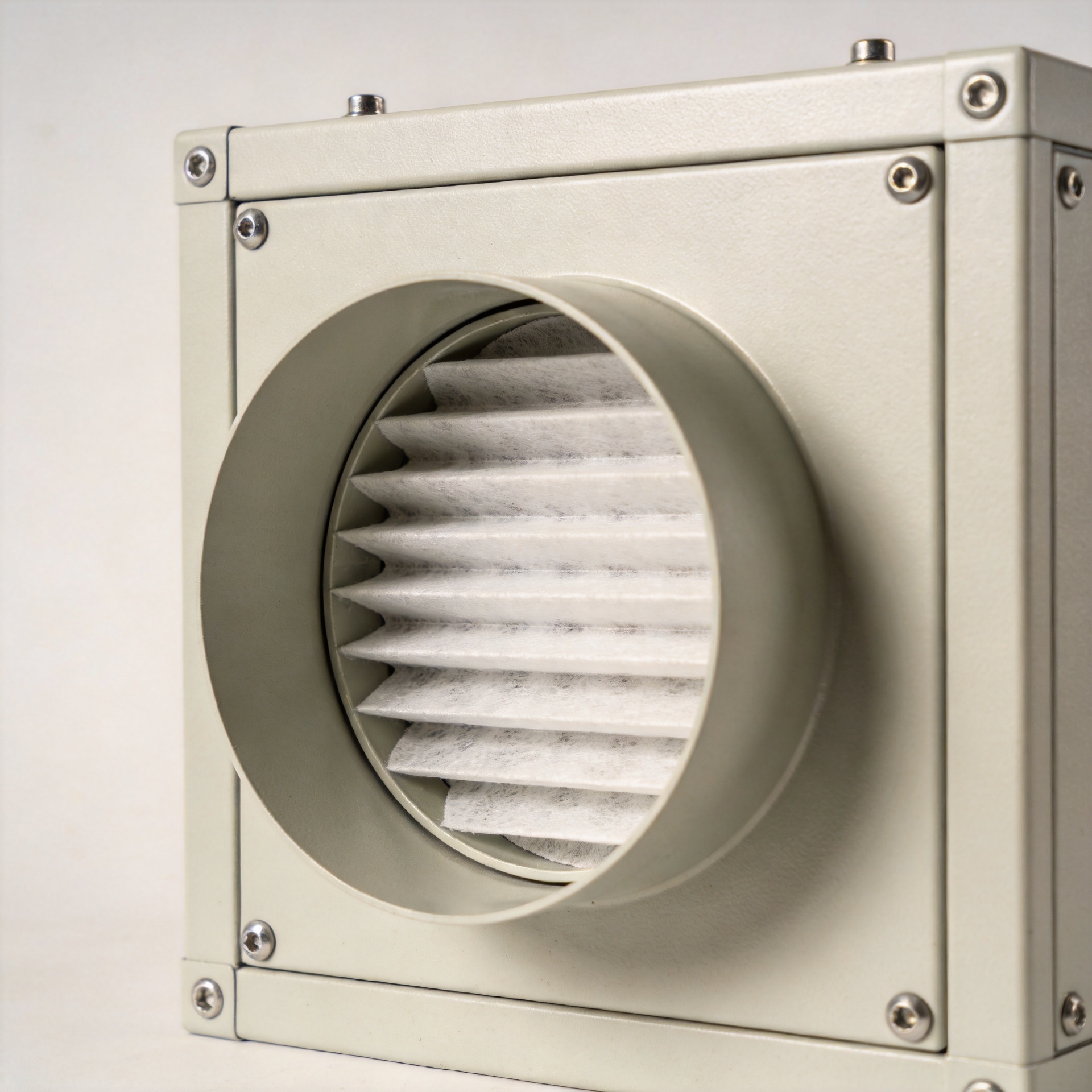
An air release mesh can give a part a planned path for air. Use an air release mesh when you need to review air flow as part of a full assembly. The air release mesh is not a stand-alone answer. The housing, opening, mounting face, and use case all matter. This page helps teams compare an air release mesh with a vent membrane, an adhesive vent membrane, and a vent plug. It is for buyers who need to define a venting task before they choose a part. MicroVENT states that it has focused on ePTFE technology since 1995. It lists ePTFE membrane, vent bottle PE liner, and vent acoustic membrane as product directions. Share the part drawing, the use case, and the mounting need to begin an air release mesh discussion.
Get A Quote

ePTFE Technology Context

MicroVENT states that it has worked on ePTFE technology since 1995. This gives buyers a clear context for an air release mesh discussion. Its site also describes composite, laminated, and surface-modification work with porous ePTFE material. These are useful starting facts. They do not prove fit for a given part, so the air release mesh must still be checked against the actual use case.

Focused ePTFE Development

The merchant profile states that the company has worked on ePTFE design, production, research, and development since 1995. That supports a focused air release mesh discussion without making a claim about one specific project.

Material Approach Context

The site describes porous ePTFE material and composite, laminated, and surface-modification approaches. Ask which approach applies to the proposed air release mesh and which project documents can be reviewed.

Air Release Mesh Products

Selected venting products for early project review.
Check the Full Assembly

Check the Full Assembly

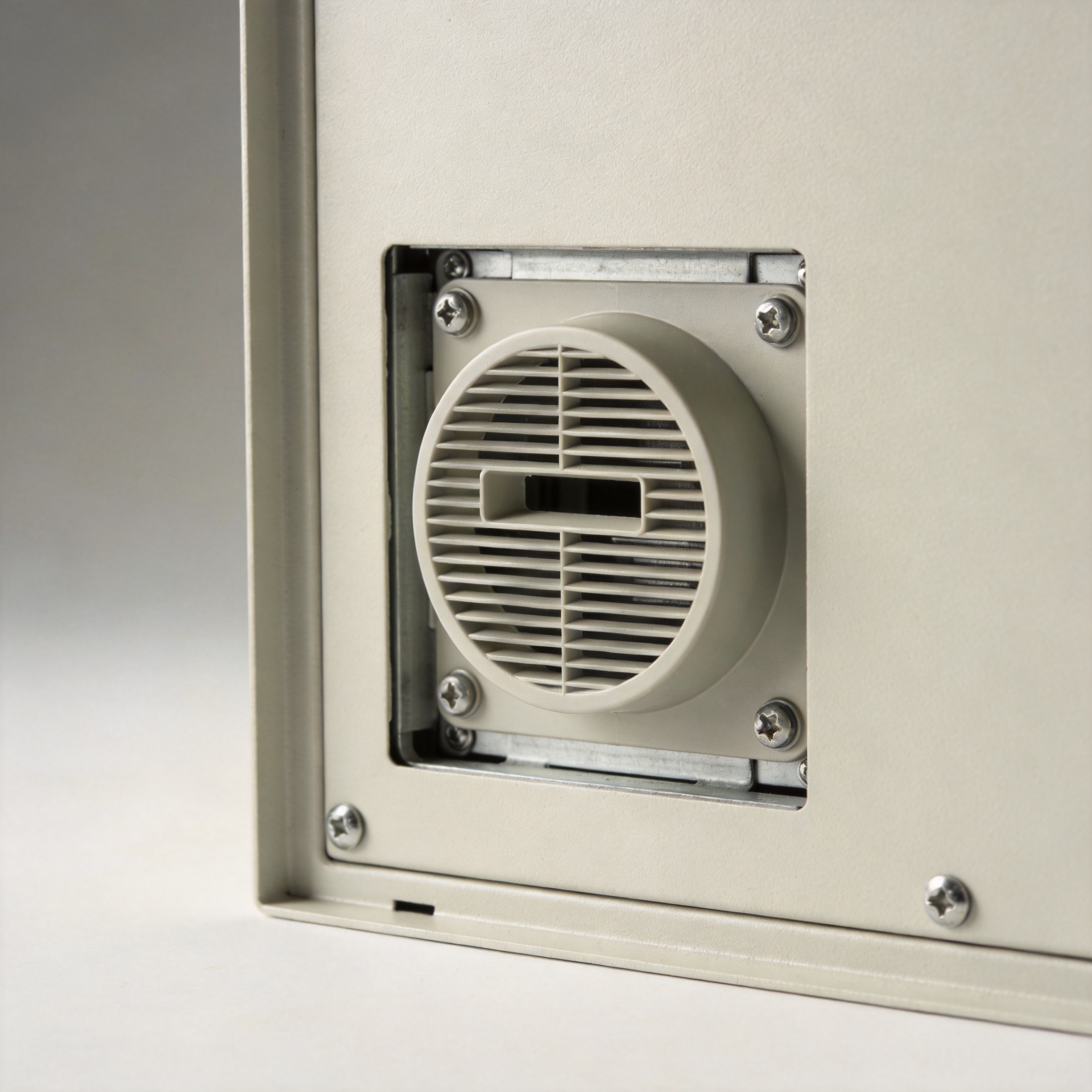
Start with the whole part, not a label alone. An air release mesh needs a clear opening, a known mounting face, and a defined use case. The air release mesh may be one part of a larger venting plan. Check the air release mesh with the housing shape, the install step, and the expected environment before you select a format.

Set the Air Need First

An air release mesh should begin with a simple question. What must air do in this part? The answer may be to allow a planned path in a closed housing. It may be to deal with a change in air pressure. It may be to support a container or a device. State the need in plain words before you ask for an air release mesh.

Then describe the full setting. Say where the air release mesh will sit. Say how large the opening is. Say what the part may touch. This can include moisture, dust, oils, or other liquids. These facts do not prove that one air release mesh will work. They help define what must be checked.

Pick a Format to Review

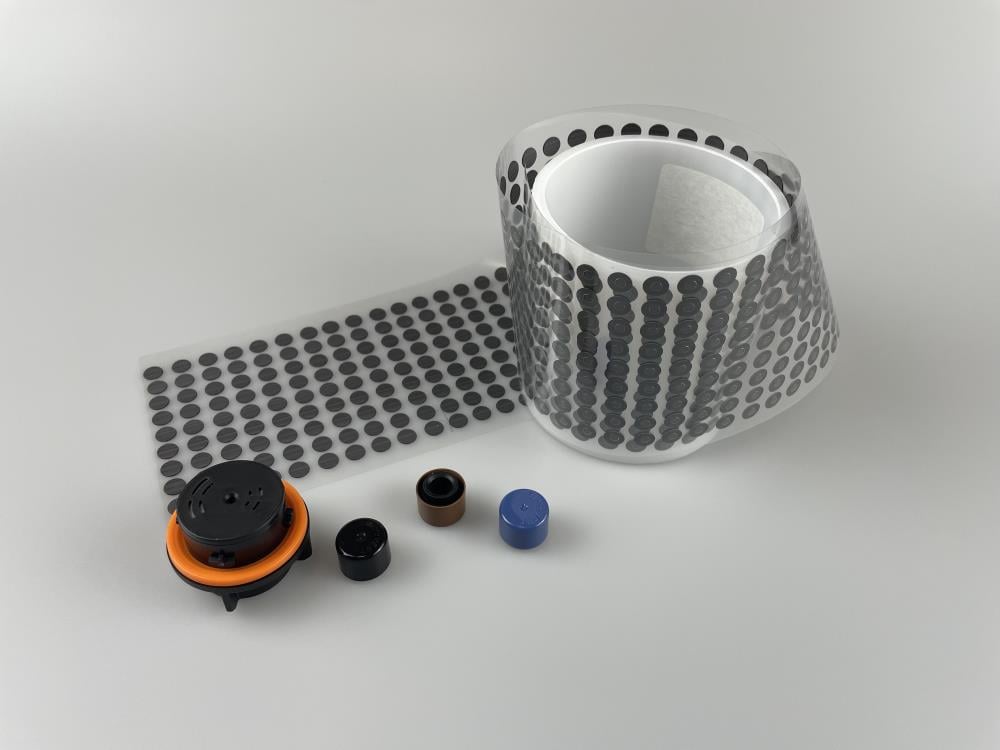
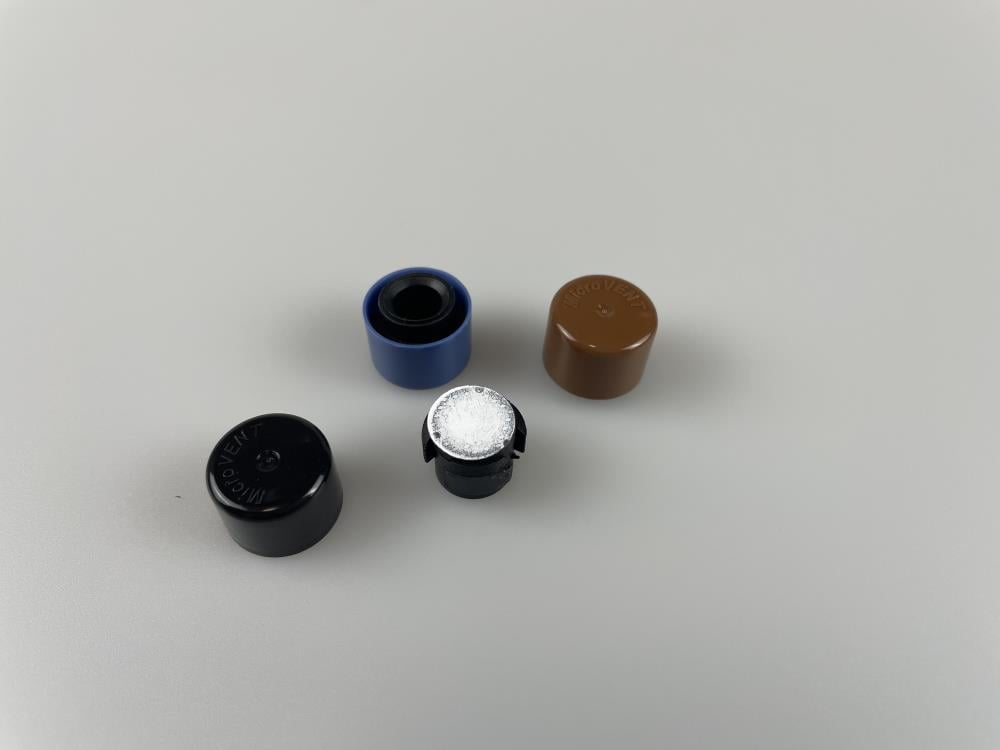
One air release mesh project can have more than one format to review. A vent membrane may fit a membrane-based part design. An adhesive vent membrane may suit a design with a pressure-sensitive adhesive ring. A vent plug may suit a housing with a plug-type opening. The product list on this page shows these real catalog directions.

  • Check if the air release mesh has a flat and clean mounting area.
  • Check if the opening shape suits the planned air release mesh format.
  • Check if the install step could bend, press, or block the air release mesh.
  • Ask for the current drawing before treating a product name as a final choice.

The shape of the part can change the best route. A flat sample may not show the limits of a curved or deep area. The air release mesh should be reviewed with the face around it. The space for the part matters too. So does the way the part will be put together. Ask whether the air release mesh will be covered after assembly.

Review the Trade-Off

A venting task may have two goals. The part may need air movement. The part may also face dust, water, oil, or other contact. Do not settle this trade-off with a broad claim. Ask what the air release mesh must do in the stated use. Ask what must be shown in the product documents for that use.

MicroVENT describes porous ePTFE material and composite, laminated, and surface-modification approaches. This can guide an air release mesh discussion. It does not replace a check of the real part. An air release mesh still needs project review. Ask which construction is proposed. Ask what data or drawings apply to that construction. Then compare that information with the medium, housing, and install method.

Send a Clear Inquiry

A good inquiry can help avoid a mismatch. Include a drawing, a photo, or clear dimensions for the air release mesh location. Name the end part. State why the air release mesh is needed. Explain the expected air, moisture, dust, or liquid conditions. State limits on part size and the install method. If you prefer a membrane, an adhesive vent membrane, or a vent plug, include that preference.

  • Name the enclosure, container, sensor, light, or other end part.
  • Show the air release mesh location and the opening size.
  • State the expected medium and contact conditions.
  • Ask which documents are needed to assess the proposed format.

This keeps the request clear and evidence-led. It also keeps a product fact separate from a point that still needs review. The use case changes the air release mesh discussion. Begin with the real part and its setting. Then use the inquiry form to request a focused response.

Air Release Mesh FAQ

Questions for early venting review and part integration.

What is an air release mesh used for?

Air release mesh is a term used for a venting concept or a membrane-based air path in a part. Its role depends on the full design. An air release mesh may be discussed for a housing, a container, a light, a sensor, or another assembly. Start by defining the part, the opening, and the reason air must move. Also state what the air release mesh may contact in normal use. This makes the discussion more useful. It keeps a general search term from being treated as proof that a component is right for a specific project.
Begin with the opening and the install method. A vent membrane, an adhesive vent membrane, and a vent plug are different real catalog formats. Check the opening shape, the mounting area, and access during assembly. Then state the use conditions for the air release mesh. This can include the medium and any dust, moisture, oil, or liquid contact. A supplier can use those facts to identify which drawing or product details should be reviewed. A product title is not enough to confirm fit in a finished device.
Include the end part, a drawing or photo of the vent site, and dimensions that affect mounting. Say why an air release mesh is needed. Describe the environment in plain words. Note contact with moisture, dust, liquids, oils, or cleaning agents if those conditions apply. State limits on size, placement, and the install step. If you prefer an air release mesh in a membrane, adhesive, or plug format, say so. Keep the request open to review. This gives the project team a clear starting point without assuming a result.
Yes. ePTFE can be discussed when it fits the project context. MicroVENT states that it has focused on ePTFE technology since 1995. It also describes porous structures and composite, laminated, and surface-modification approaches. For an air release mesh project, request the product details that apply to the proposed format. Compare them with the actual part, medium, geometry, and install method. The material description is useful context. It does not replace a review of the evidence needed for the intended use.

Get a Free Quote

Our representative will contact you soon.
Email
Name
Company Name
Message
0/1000

Related Venting Topic

Get a Free Quote

Our representative will contact you soon.
Email
Name
Company Name
Message
0/1000