Advanced Porous Film Technology: Superior Filtration Solutions for Industrial Applications

All Categories

Get a Free Quote

Our representative will contact you soon.
Email
Name
Company Name
Message
0/1000

porous film

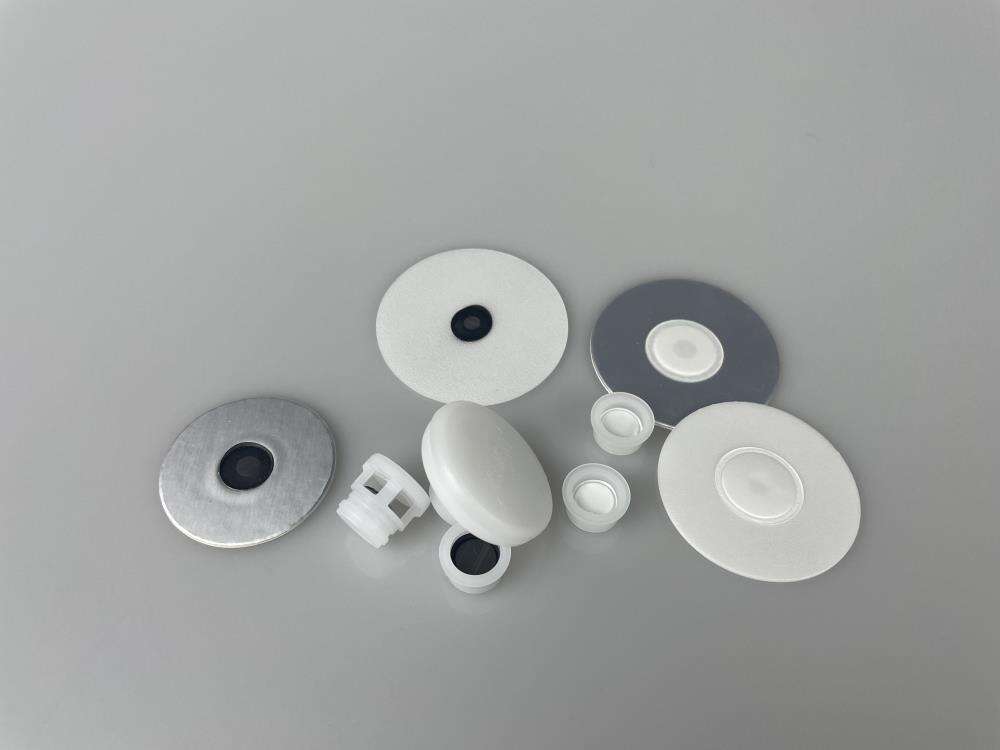
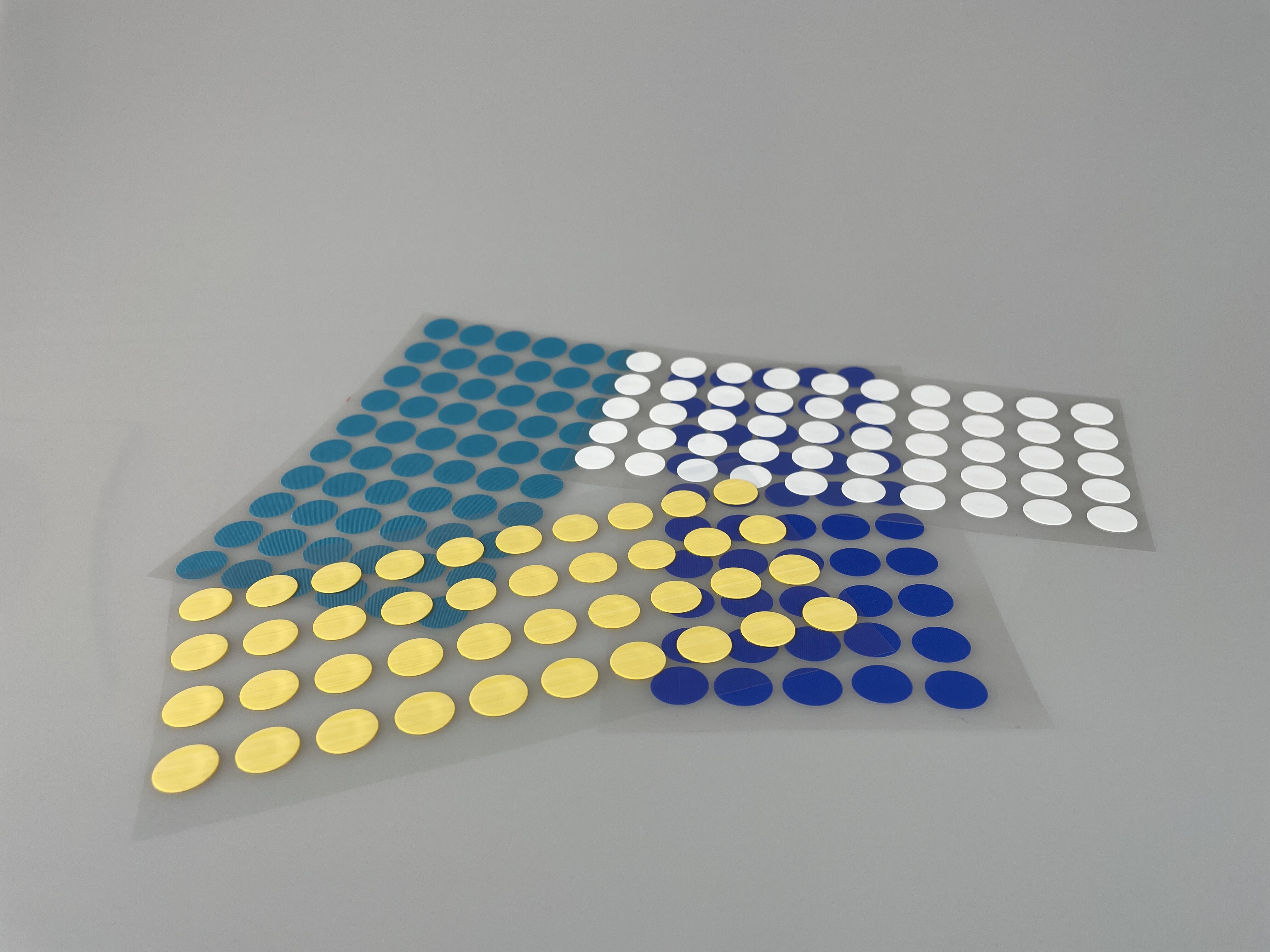
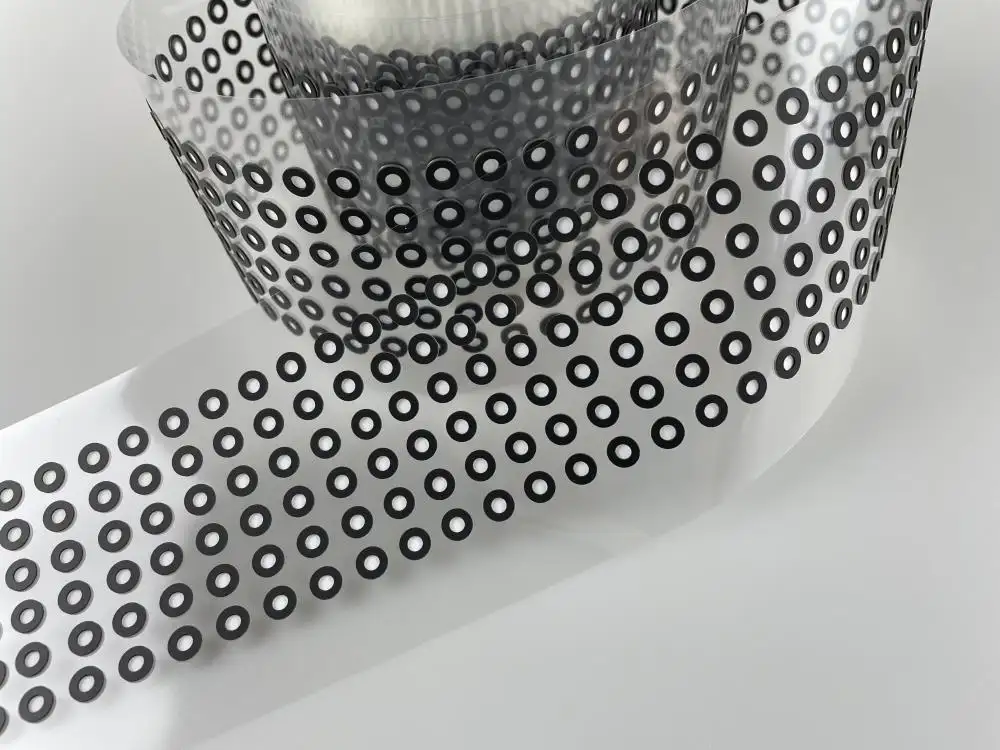
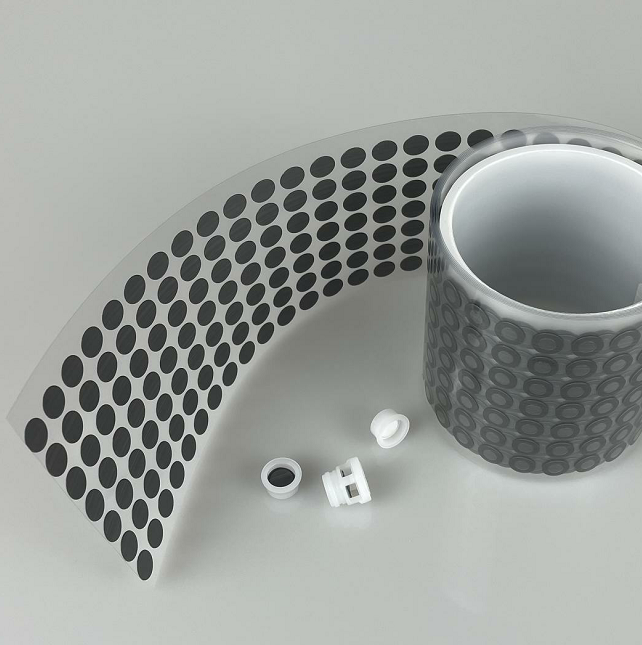
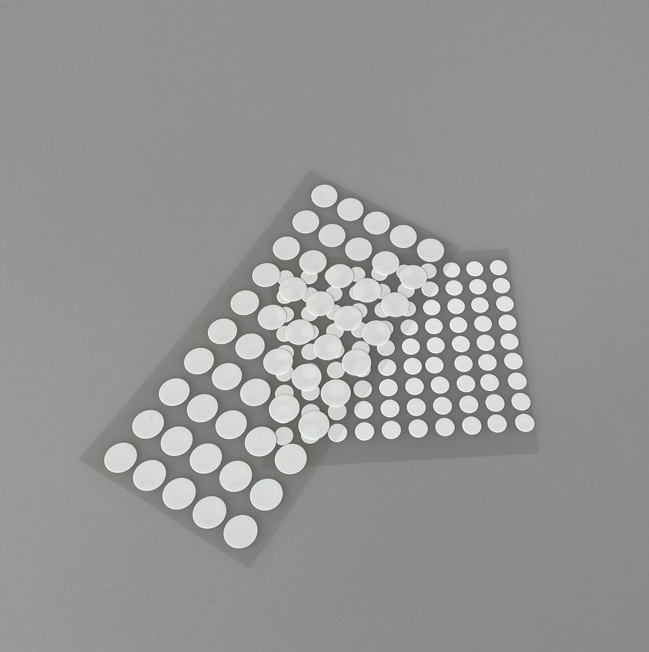
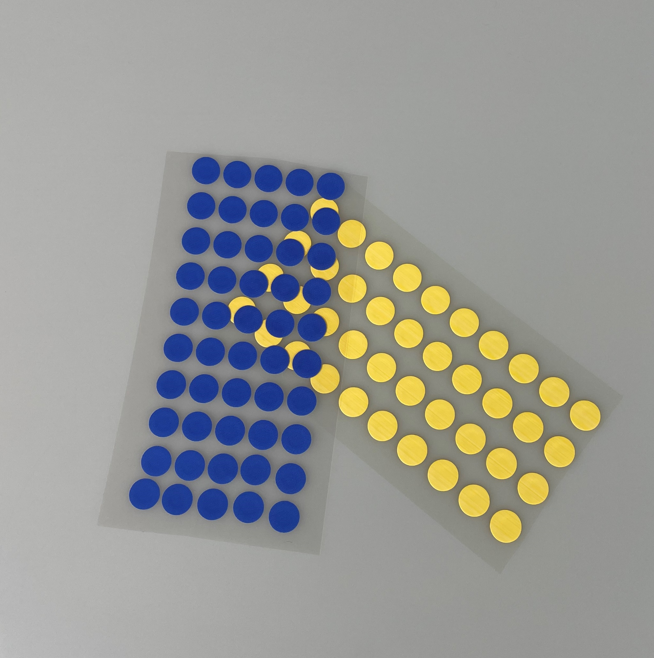
Porous film represents a revolutionary advancement in membrane technology, characterized by its unique structure featuring microscopic pores that enable selective permeability while maintaining structural integrity. This innovative material consists of a thin polymer matrix with precisely controlled pore sizes ranging from nanometers to micrometers, allowing for customized filtration and separation capabilities. The porous film technology serves multiple critical functions across various industries, primarily focusing on filtration, separation, and barrier applications. Its main technological features include exceptional porosity control, uniform pore distribution, and remarkable chemical resistance properties. The manufacturing process involves sophisticated techniques such as phase inversion, track etching, or electrospinning, resulting in films with tailored characteristics specific to intended applications. These films demonstrate outstanding performance in gas separation processes, liquid filtration systems, and protective barrier applications. The versatility of porous film extends to numerous sectors including water treatment facilities, pharmaceutical manufacturing, food processing, electronics production, and medical device applications. In water treatment applications, porous film effectively removes contaminants, bacteria, and particulates while allowing clean water molecules to pass through efficiently. The pharmaceutical industry utilizes these films for drug delivery systems, sterile filtration, and biomedical separation processes. Food processing applications benefit from the film's ability to maintain product quality through selective permeability and contamination prevention. Electronics manufacturing employs porous film for component protection and environmental isolation. Medical applications include wound dressings, surgical membranes, and diagnostic devices where controlled permeability proves essential for optimal performance and patient safety.

New Product Recommendations

Porous film offers numerous compelling advantages that make it an indispensable solution for modern industrial and commercial applications. The primary benefit lies in its exceptional filtration efficiency, which surpasses traditional filtering methods by providing consistent particle removal rates while maintaining high flow rates. This efficiency translates into reduced operational costs and improved productivity for businesses implementing porous film technology. The material demonstrates remarkable durability and longevity, withstanding harsh chemical environments and extreme temperatures without compromising performance integrity. This resilience eliminates frequent replacement needs, resulting in significant cost savings over extended operational periods. Another substantial advantage involves the customizable pore structure that allows manufacturers to tailor the film properties according to specific application requirements. This flexibility ensures optimal performance across diverse industrial processes while maintaining consistent quality standards. The lightweight nature of porous film reduces installation complexity and structural support requirements, making it easier to integrate into existing systems without extensive modifications. Energy efficiency represents another key advantage, as the low resistance to flow reduces pumping requirements and overall energy consumption compared to conventional filtration systems. The chemical compatibility of porous film enables its use with aggressive solvents, acids, and bases without degradation, expanding its applicability across chemical processing industries. Maintenance requirements remain minimal due to the self-cleaning properties and resistance to fouling, reducing downtime and operational interruptions. The environmental benefits include reduced waste generation through extended service life and improved separation efficiency, contributing to sustainable manufacturing practices. Quality consistency ensures reliable performance batch after batch, providing manufacturers with predictable outcomes and reduced quality control concerns. The versatile installation options accommodate various system configurations, from inline filtration to standalone processing units, maximizing implementation flexibility across different operational environments.

Latest News

How durable is MicroVent®️ ePTFE membrane in extreme environments?

25

Jun

How durable is MicroVent®️ ePTFE membrane in extreme environments?

Chemical Resistance in Corrosive Environments Resistance to Acids, Bases, and Industrial Solvents The outstanding chemical resistance of ePTFE membranes make them ideal for use in even the most caustic environments. They are stable against&ensp...
View More
What is MicroVent®️ ePTFE membrane, and what are its uses?

25

Jun

What is MicroVent®️ ePTFE membrane, and what are its uses?

Understanding MicroVent® ePTFE Membrane Technology Material Composition and Microporous Structure MicroVent® ePTFE membranes are renowned for their highly distinctive microporous structure, which plays a crucial role in their functionality. ...
View More
How does a MicroVENT® screw-in vent bolt compare to a traditional bolt?

18

Jul

How does a MicroVENT® screw-in vent bolt compare to a traditional bolt?

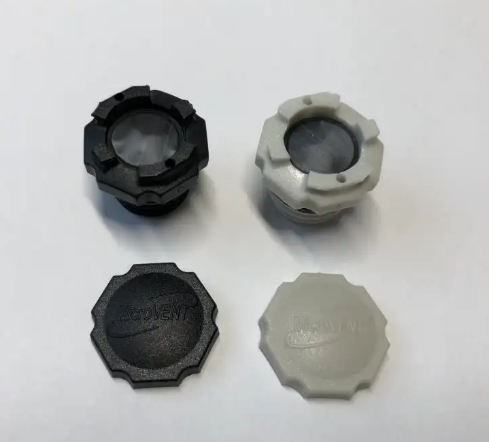
Comparing Smart Venting and Standard Fastening Solutions The Limitations of Traditional Bolts Traditional bolts have long served as essential mechanical fasteners in industrial applications. Designed primarily for structural stability, these bolts p...
View More
What Are the Benefits of Using MicroVENT® screw-in vent bolt for vehicle lamps and LED ?

18

Jul

What Are the Benefits of Using MicroVENT® screw-in vent bolt for vehicle lamps and LED ?

Enhancing Vehicle Lamp Durability with MicroVENT® Screw-in Vent Bolts Vehicle lamps and LED systems are vital components that ensure safety and visibility on the road so it is necessary to use high quality screw-in vent bolt. The longevity and p...
View More

Get a Free Quote

Our representative will contact you soon.
Email
Name
Company Name
Message
0/1000

porous film

Advanced Selective Permeability Technology

Advanced Selective Permeability Technology

The selective permeability feature of porous film represents a groundbreaking advancement in separation technology that delivers unmatched precision in molecular and particle filtration processes. This sophisticated characteristic enables the film to discriminate between different substances based on size, chemical properties, and molecular weight, creating highly efficient separation systems that outperform traditional filtration methods. The controlled pore structure allows specific molecules or particles to pass through while blocking unwanted contaminants, ensuring superior product purity and process efficiency. This technology proves particularly valuable in pharmaceutical applications where precise separation of active compounds from impurities determines product quality and therapeutic effectiveness. The selective nature of porous film eliminates the need for multiple filtration stages, simplifying complex processes while maintaining exceptional separation accuracy. Manufacturing facilities benefit from reduced processing time and lower operational costs while achieving superior end-product quality. The consistent pore distribution ensures uniform performance across the entire film surface, preventing bypass channels that could compromise separation efficiency. This reliability makes porous film ideal for critical applications where contamination control remains paramount, such as sterile manufacturing environments and sensitive electronic component production. The selective permeability also enables innovative applications in gas separation processes, where different gases can be separated based on molecular size and diffusion rates. This capability opens new possibilities for environmental protection, industrial gas purification, and energy-efficient separation processes. The precision control over permeability characteristics allows engineers to optimize system performance for specific applications, resulting in enhanced productivity and reduced waste generation. Quality assurance becomes more manageable with porous film technology, as the predictable separation characteristics ensure consistent results across production batches, reducing variability and improving overall process control.
Superior Chemical and Thermal Resistance

Superior Chemical and Thermal Resistance

The exceptional chemical and thermal resistance properties of porous film establish it as the premier choice for demanding industrial environments where conventional materials fail to maintain performance integrity. This remarkable resilience stems from advanced polymer chemistry and specialized manufacturing processes that create molecular structures capable of withstanding aggressive chemicals, extreme temperatures, and challenging operating conditions without degradation or performance loss. The film maintains its structural integrity and functional properties when exposed to strong acids, bases, organic solvents, and oxidizing agents that would destroy ordinary filtration materials. This chemical inertness ensures consistent performance throughout extended service periods, reducing replacement frequency and minimizing operational disruptions. Temperature stability allows porous film to function effectively across wide temperature ranges, from cryogenic applications to high-temperature industrial processes, expanding its applicability across diverse manufacturing sectors. The thermal resistance prevents dimensional changes, pore structure alterations, and mechanical property degradation that commonly affect less robust materials under thermal stress. This stability proves crucial in applications involving temperature cycling, thermal sterilization processes, and high-temperature chemical reactions where maintaining filtration efficiency remains essential. The combined chemical and thermal resistance makes porous film particularly valuable in harsh industrial environments such as chemical processing plants, pharmaceutical manufacturing facilities, and electronics production lines where equipment must withstand demanding conditions while maintaining precise performance standards. Long-term exposure studies demonstrate that porous film retains its functional properties and structural integrity even after prolonged contact with aggressive chemicals and repeated thermal cycling, providing reliable performance throughout extended operational periods. This durability translates into significant cost savings through reduced maintenance requirements, fewer system shutdowns, and extended equipment life cycles. The resistance properties also enable innovative applications in extreme environments where traditional materials cannot survive, opening new possibilities for advanced manufacturing processes and specialized industrial applications.
Cost-Effective High-Performance Solution

Cost-Effective High-Performance Solution

Porous film delivers exceptional value through its combination of superior performance characteristics and economic advantages that significantly reduce total cost of ownership while enhancing operational efficiency across diverse applications. The initial investment in porous film technology generates substantial long-term savings through reduced maintenance requirements, extended service life, and improved process efficiency that more than compensates for upfront costs. Energy consumption decreases significantly due to the low pressure drop characteristics of porous film, which reduces pumping requirements and associated electricity costs compared to conventional filtration systems. The high dirt-holding capacity and resistance to fouling minimize cleaning frequency and extend operational cycles, reducing labor costs and system downtime that typically impact productivity in traditional filtration applications. Manufacturing facilities experience improved product quality and reduced waste generation, directly impacting profitability through higher yield rates and fewer rejected products. The versatility of porous film eliminates the need for multiple specialized filtration systems, consolidating equipment requirements and reducing capital expenditure, installation complexity, and maintenance overhead. Inventory management becomes more efficient as fewer spare parts and replacement components are required, freeing up working capital and reducing storage requirements. The consistent performance characteristics of porous film enable predictable operating costs and simplified budgeting processes, allowing better financial planning and resource allocation. Quality control improvements reduce inspection requirements and testing costs while increasing customer satisfaction through enhanced product consistency. The scalability of porous film technology allows operations to expand capacity without proportional increases in equipment investment, supporting business growth while maintaining cost efficiency. Environmental compliance becomes easier and less expensive due to the superior separation efficiency and reduced waste generation, minimizing disposal costs and regulatory compliance expenses. Training requirements decrease as porous film systems operate more reliably and require less specialized maintenance knowledge, reducing human resource development costs while improving operational safety and efficiency standards.

Get a Free Quote

Our representative will contact you soon.
Email
Name
Company Name
Message
0/1000