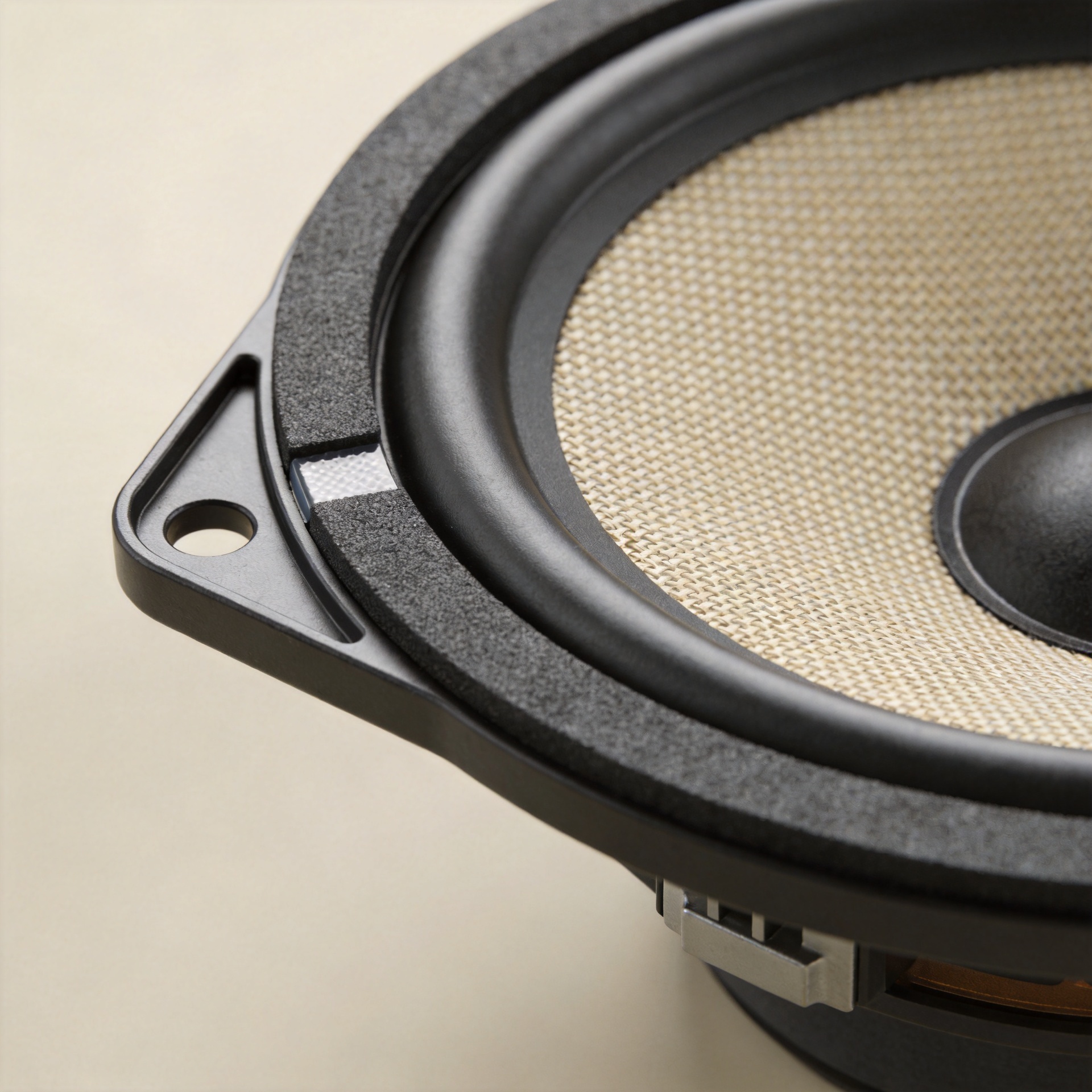
Speaker Mesh for Acoustic Device Design | MicroVENT

All Categories

Get a Free Quote

Our representative will contact you soon.
Email
Name
Company Name
Message
0/1000
Speaker Mesh Selection for Acoustic Device Protection

Speaker Mesh Selection for Acoustic Device Protection

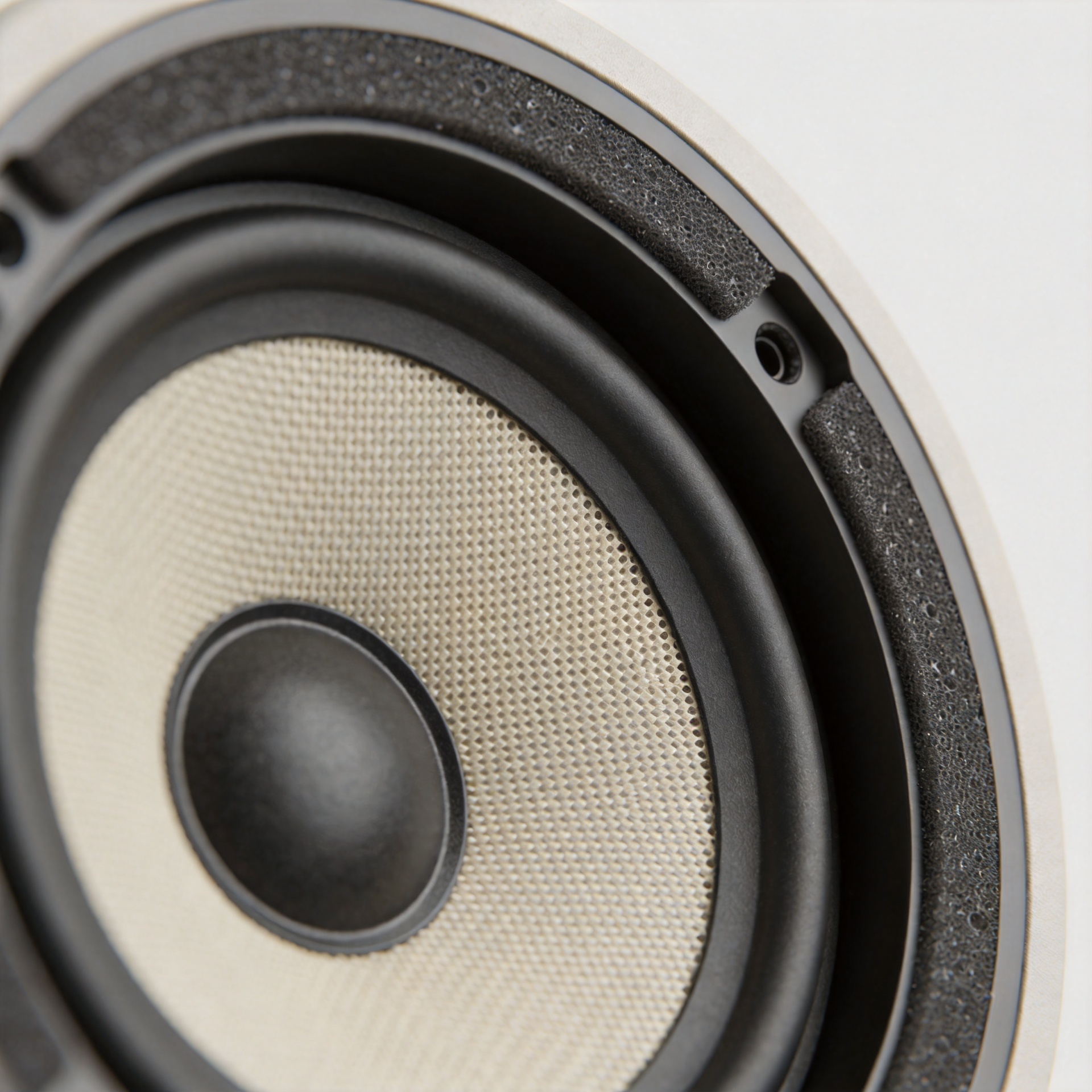
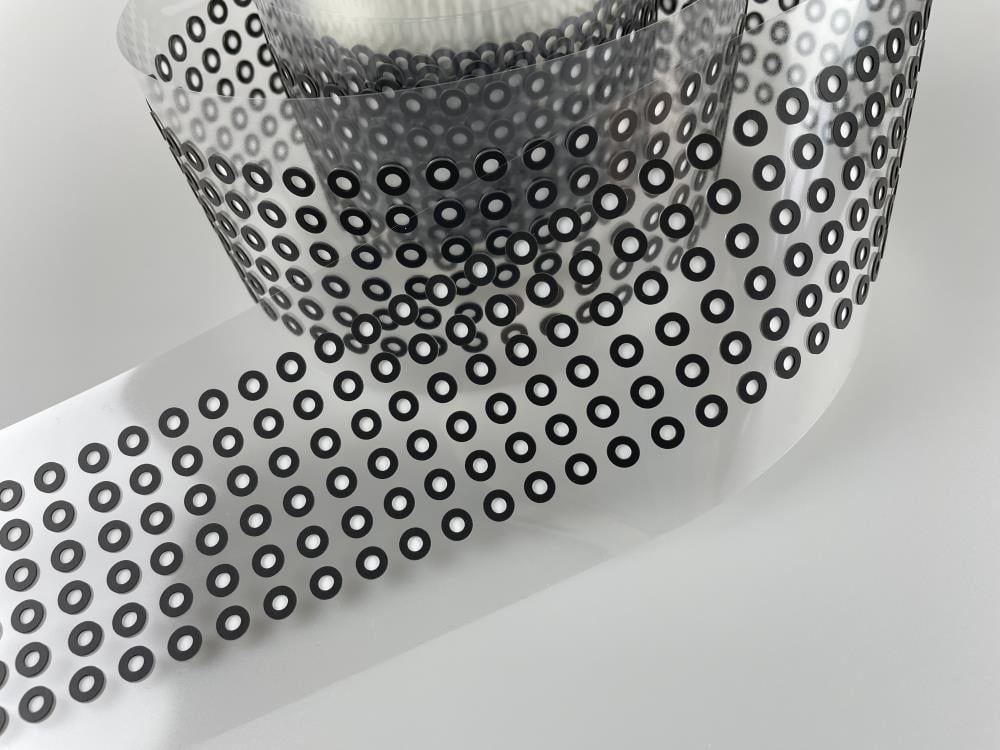
A speaker mesh is part of the full device assembly. The speaker mesh, the enclosure, and the sound path must work together. For a speaker mesh review, first define the opening, the device type, and the use environment. Then list the water, dust, oil, heat, or handling conditions that matter. MicroVENT develops ePTFE membrane technology and lists acoustic vent membrane as a product direction. Its stated material work includes porous ePTFE structures, composite methods, lamination, and surface modification. This page gives a simple way to prepare a speaker mesh inquiry. It helps a buyer describe the opening, the housing, and the assembly method before choosing a part. Send the drawing, opening size, sound target, and assembly details through the inquiry form. Those details support a focused review of the speaker mesh application.
Get A Quote

ePTFE Material Development Context

A practical starting point for acoustic projects.

ePTFE Technology Focus

MicroVENT states that it has worked in ePTFE technology since 1995. This gives teams a material-focused starting point for a speaker mesh discussion. It does not mean one part fits every device.

Multiple Material Approaches

The company information describes porous ePTFE structures, composite methods, lamination, and surface modification. These approaches give useful context when a team defines a speaker mesh opening and its membrane interface.

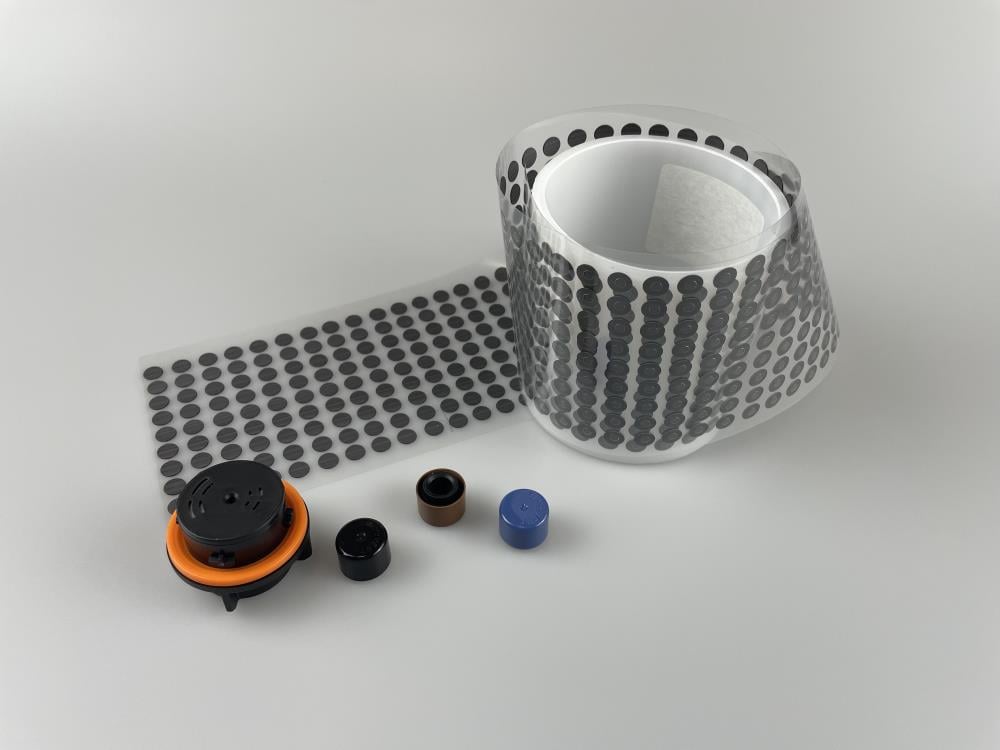
Related Membrane Products

Catalog products for membrane and vent review.
Define the Acoustic Opening

Define the Acoustic Opening

For a speaker mesh project, start with the opening and the nearby parts. The speaker mesh, the membrane edge, and the hold method need to fit the device design. Note the opening shape, the flat bonding area, and the free space near the sound path. Treat the speaker mesh as one part of the full speaker assembly. Then share the drawing and the use conditions for a focused review.

Start With the Speaker Mesh Assembly

Start a speaker mesh request with the full device assembly. Say if the speaker mesh is for a phone, wearable, earbud, smart speaker, camera, headset, or another enclosure. Show the speaker location and the sound path. Note the space behind the opening. This helps the team review the speaker mesh as a real device part. It also avoids a broad claim that may not fit the final product.

Share a drawing or a simple sketch. Show the opening shape, the bond area, nearby parts, and any grille already in the design. If the speaker mesh sits in a recess, include the recess depth. Also note if the bond surface is flat. These details help separate a material question from an install question.

Set the Use Conditions

Next, describe what the speaker mesh will meet in normal use. The device may see dust, water, oil, cleaning fluid, heat, or repeated handling. The key need depends on the device and its use place. A broad water claim is not enough on its own. Tie the need to a test plan, the enclosure design, and the expected use.

  • List the dust, water, oil, or other material that may reach the speaker mesh opening.
  • Say if the speaker mesh is for indoor use, outdoor use, travel, or changing heat.
  • Note if air pressure change in the enclosure is a design concern.
  • Share any device test target for the finished speaker mesh assembly.

This list gives a better base for a speaker mesh review. It also shows what needs proof for the actual device. Do not assume that a general ePTFE membrane statement proves finished-device results.

Check the Sound Path

A speaker mesh needs a path for sound. The device may also need to limit entry from the use environment. Review both needs at the assembly level. Look at the speaker mesh with the port shape, the open area, and the way the part is held. A change in any one of these parts may change the result.

Use clear, limited language until the device details are known. Do not ask for the best speaker mesh. Ask which speaker mesh setup can be reviewed for the stated enclosure and use. If sound is important, give the test method, fixture, frequency range, and pass rule for the full device. These inputs make a technical review more useful. They also help the team find gaps before a sample build.

Plan the Speaker Mesh Installation

Install details affect the speaker mesh choice. Confirm if the speaker mesh will be placed by hand, by a machine, or with a separate grille or frame. Review the part edge, bond area, and surface state together. If adhesive is part of the plan, name the surface that it will touch. State any cleaning or handling limit. If the speaker mesh will be held by a frame, show the support shape. Do not assume a membrane build before the design review.

  • Provide the device drawing and a cut view of the speaker mesh opening.
  • List the surfaces that touch the speaker mesh or membrane assembly.
  • Describe the speaker mesh build order and handling limits.
  • State if the work is a concept review, prototype, or production review.

These inputs support a fit and install discussion. They are useful when vent membrane, MEMS protection membrane, and acoustic vent membrane all seem related to the speaker mesh project.

Prepare a Clear Speaker Mesh Inquiry

A good speaker mesh inquiry includes the device type, drawing, opening size, use environment, sound need, and install plan. If the team has a current speaker mesh or material, add it as a reference. Do not assume that it is equal to a new part. Say what needs review: material fit, part fit, sound review, use environment, or sample setup. MicroVENT can review the project details with its ePTFE membrane and acoustic vent product directions. Send the speaker mesh details before a part setup is considered.

Speaker Mesh FAQ

Questions to set up an acoustic membrane project.

What details define a speaker mesh project?

Start with the device type, the speaker mesh opening drawing, and the space near the sound path. Also state the use environment, likely dust or water, the install method, and any sound or protection need. These details matter because a speaker mesh is one part of an assembly. They help a team review the actual device need. If the design is early, a simple cut view and use note are useful first inputs.
ePTFE is a porous material technology that can be relevant to venting and acoustic work. MicroVENT lists acoustic vent membrane as a product direction. It also describes porous ePTFE structures, composite methods, lamination, and surface modification. Whether one speaker mesh setup suits an opening depends on the housing, sound path, install shape, and use conditions. Keep the speaker mesh review tied to the actual device details.
Review the speaker mesh port shape, open area, part location, hold method, and full sound path. Give the test method and pass rule for the finished device. If the speaker mesh also has a protection need, state the use environment and test plan. This gives a clear base for comparison. It also helps show if the key question is sound, fit, exposure, or more than one of these needs.
A speaker mesh discussion can start when you share the enclosure drawing, opening size, use environment, install process, and the need to review. Add a current speaker mesh reference and project stage if you have them. The details can be reviewed with the ePTFE membrane and acoustic vent product directions. Final fit should depend on the needed device review and validation, since the speaker mesh works with the full assembly and use condition.

Get a Free Quote

Our representative will contact you soon.
Email
Name
Company Name
Message
0/1000

Related ePTFE Membrane Topics

Get a Free Quote

Our representative will contact you soon.
Email
Name
Company Name
Message
0/1000