Define the Use Case
Start with the device. What does the housing hold? Where will it be used? What enters the space around it? A vent ePTFE membrane needs this context. List the medium, the use site, and the key concern. The concern may be air flow, moisture, dust, pressure change, or a mix of these. Keep the request clear and short.
A vent ePTFE membrane is a material and part topic. It is not proof of a result in every device. The full housing matters. The mount also matters. State what the part must fit. State how the part will be used. This helps turn a broad request into a useful review.
Compare the Part Format
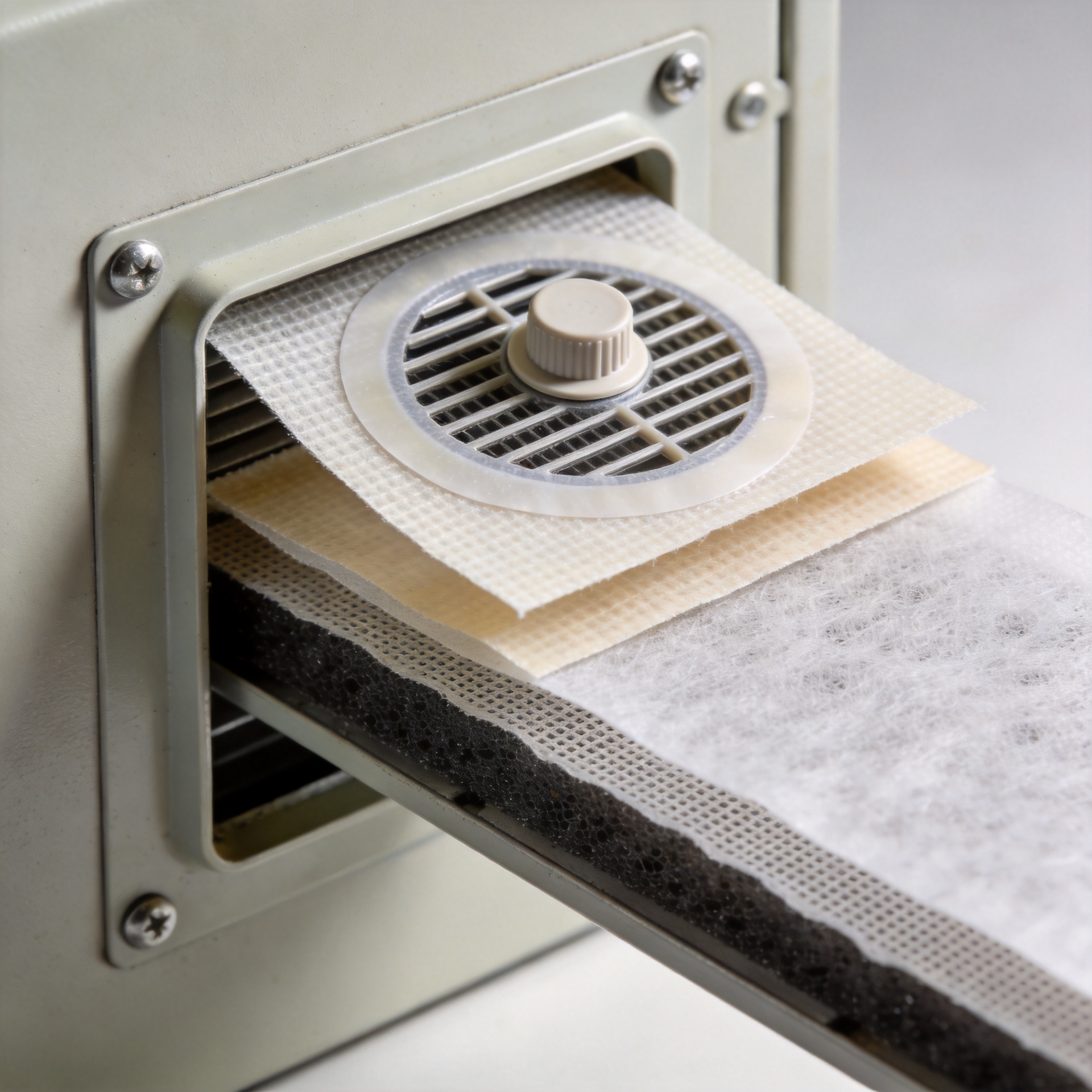
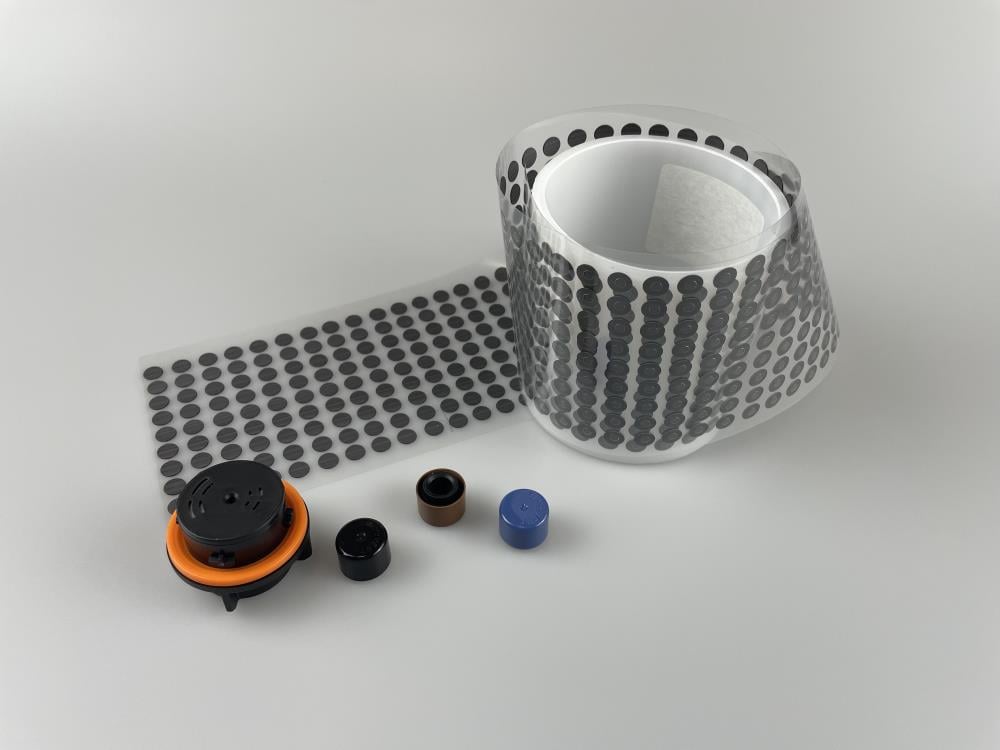
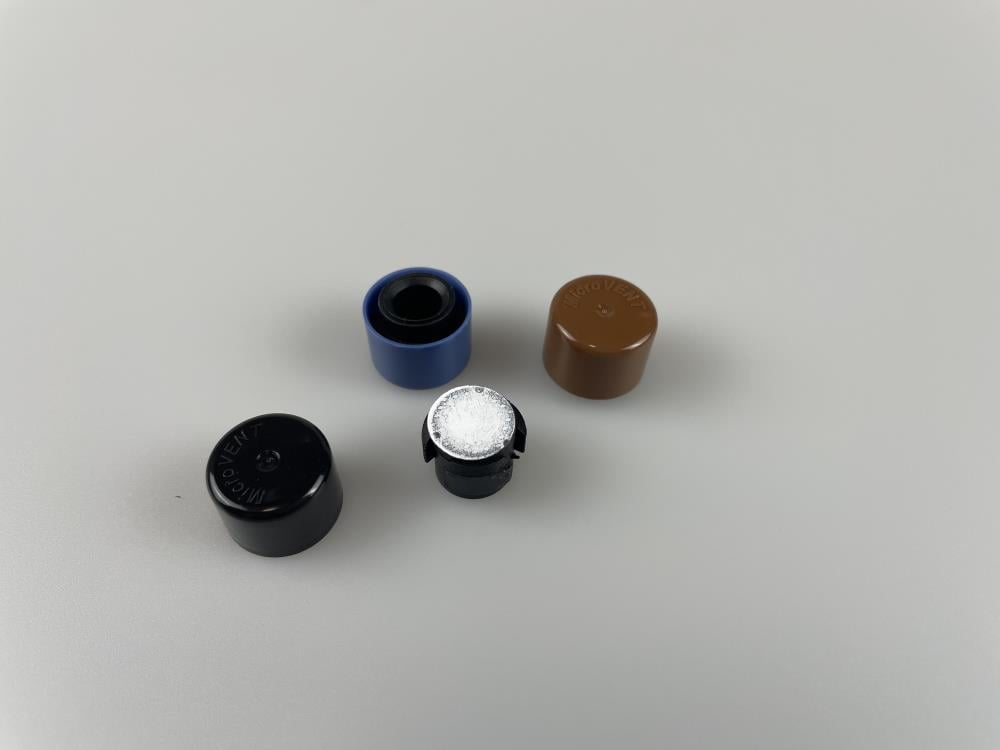
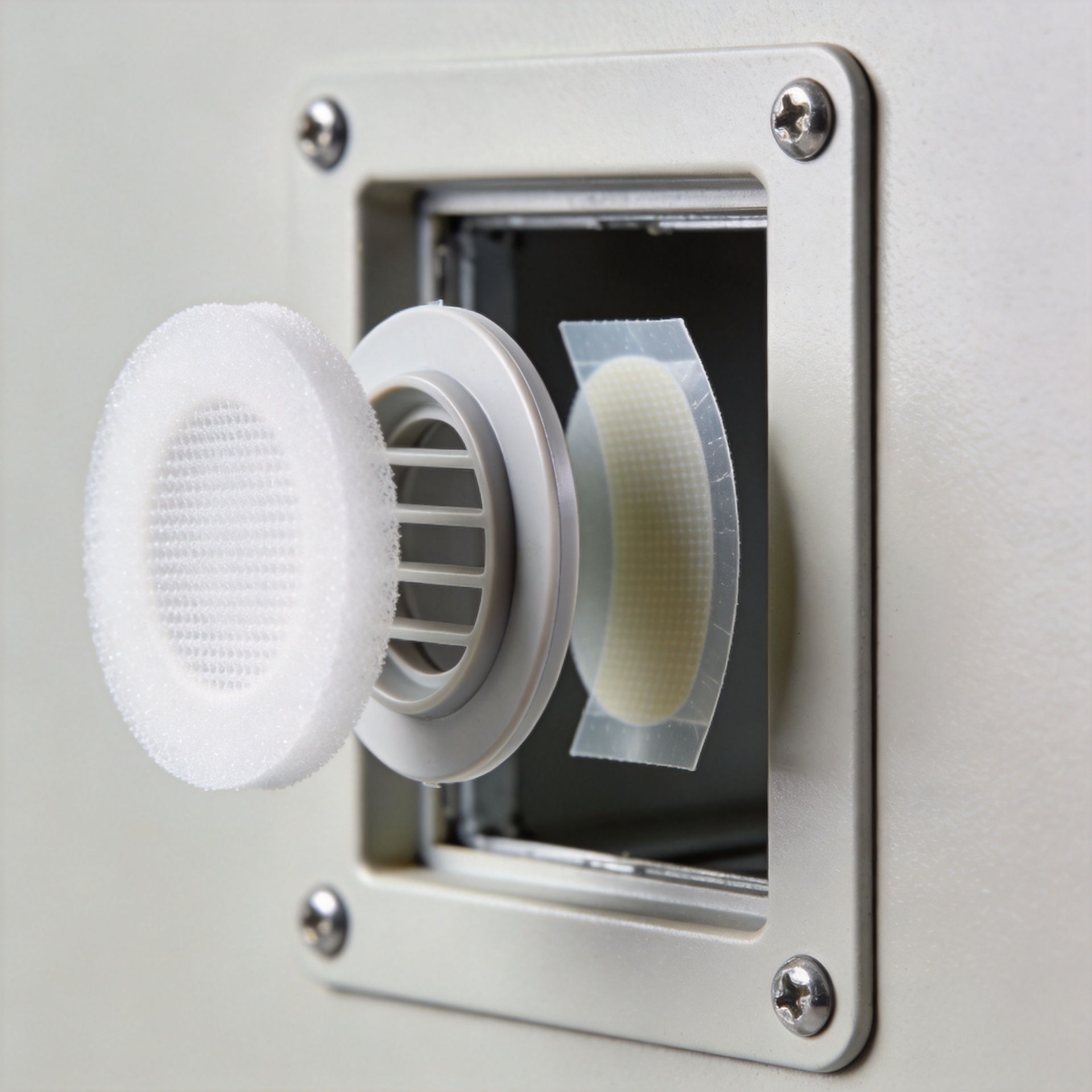
The selected catalog has three starting points. They are vent membrane, vent plug, and Adhesive Vent Membrane. A vent ePTFE membrane can be part of each type of review, but the install path is not the same. A membrane may need a planned way to join it to the housing. A plug needs an opening and a way to stay in place. An adhesive vent needs a suitable bond area.
- Check the vent opening shape and the free space near it.
- Check the housing material and the planned mount method.
- Check if a vent ePTFE membrane needs an adhesive, plug, or other part form.
- Keep a drawing, sample, or clear photo with the request.
Do not treat the names as the same part. Use the device shape to guide the first comparison. A vent ePTFE membrane review is stronger when the part format and the mount are both known. If the team has more than one mount option, list each one. This can show which facts still need review.
Set the Air and Ingress Questions
A vent ePTFE membrane is often discussed when an air path and an ingress question meet. A vent ePTFE membrane review may consider water, moisture, dust, oil, or particles. The right balance depends on the use. Say what the housing sees in normal use. Say what change or event is most important. Avoid a wide claim that the same part fits all sites.
For a vent ePTFE membrane, ask simple questions. Does the housing face outdoor weather? Does it see a liquid medium? Does it have fast heat or pressure changes? Is the part near a sensor, light, or electronic unit? The answers help focus the next step. They also show what records or tests the project may need.
Check the Mount Details
Mount details can change the selection. A vent ePTFE membrane should be viewed with its opening, surface, and nearby features. For an adhesive format, discuss the bond area and surface state. For a plug format, discuss the hole shape and hold method. For a separate membrane, discuss how it joins the housing.
A vent ePTFE membrane request should include the enclosure material and the space for the part. Include the mount direction if it is known. Add any limits on shape or assembly steps. These details do not promise a result. They give the supplier facts to review with the product direction.
Ask for Relevant Evidence
General material facts do not prove the result in a finished device. A vent ePTFE membrane should be checked for the planned assembly and use condition. Ask what product records, drawings, or other support can apply to the stated use. Keep the request tied to the actual device.
MicroVENT states that its ePTFE scope includes composite, lamination, and surface treatment approaches. A vent ePTFE membrane discussion can include those topics. The next step is still a project review. Send the device context, opening details, and the main condition to be checked. This gives the team a sound basis for a technical conversation.
 EN
 AR
 CS
 FR
 DE
 IT
 JA
 KO
 PT
 RU
 ES
 ID
 VI
 TH
 TR
 MS