Breathable Acoustic Membrane: Advanced Sound Control with Superior Ventilation Technology

All Categories

Get a Free Quote

Our representative will contact you soon.
Email
Name
Company Name
Message
0/1000

breathable acoustic membrane

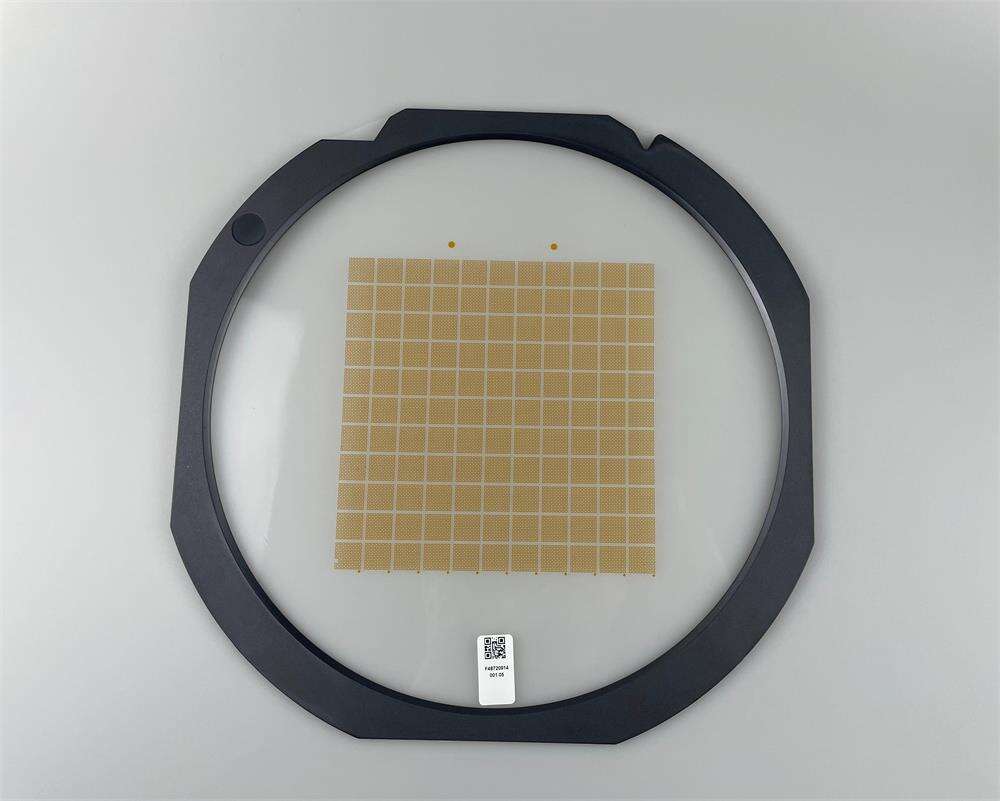
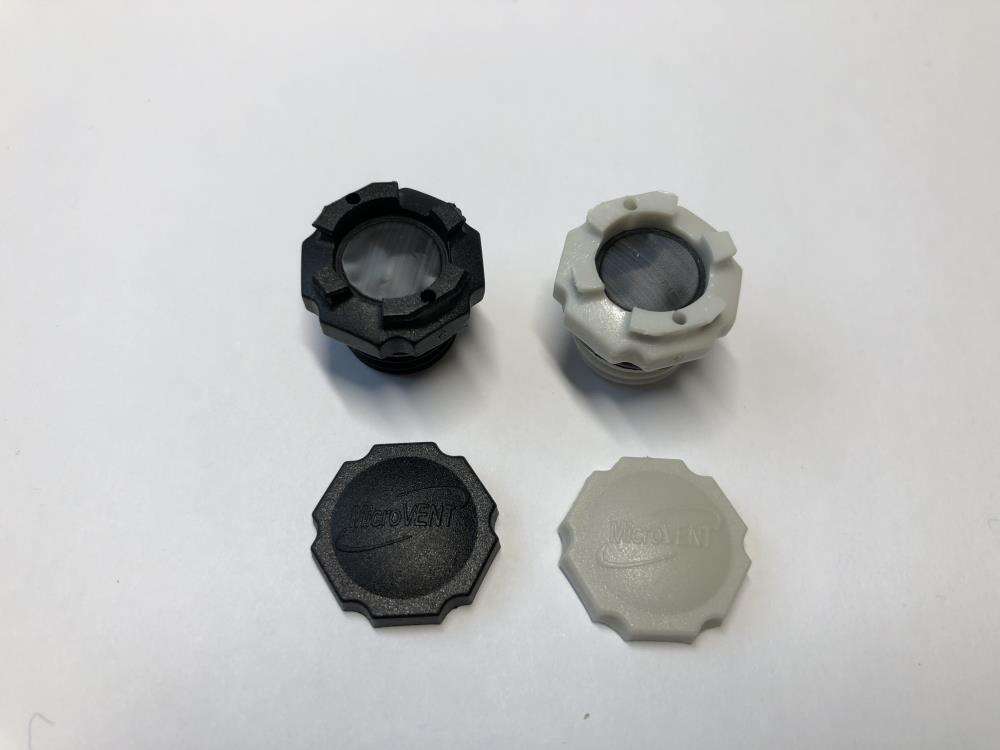
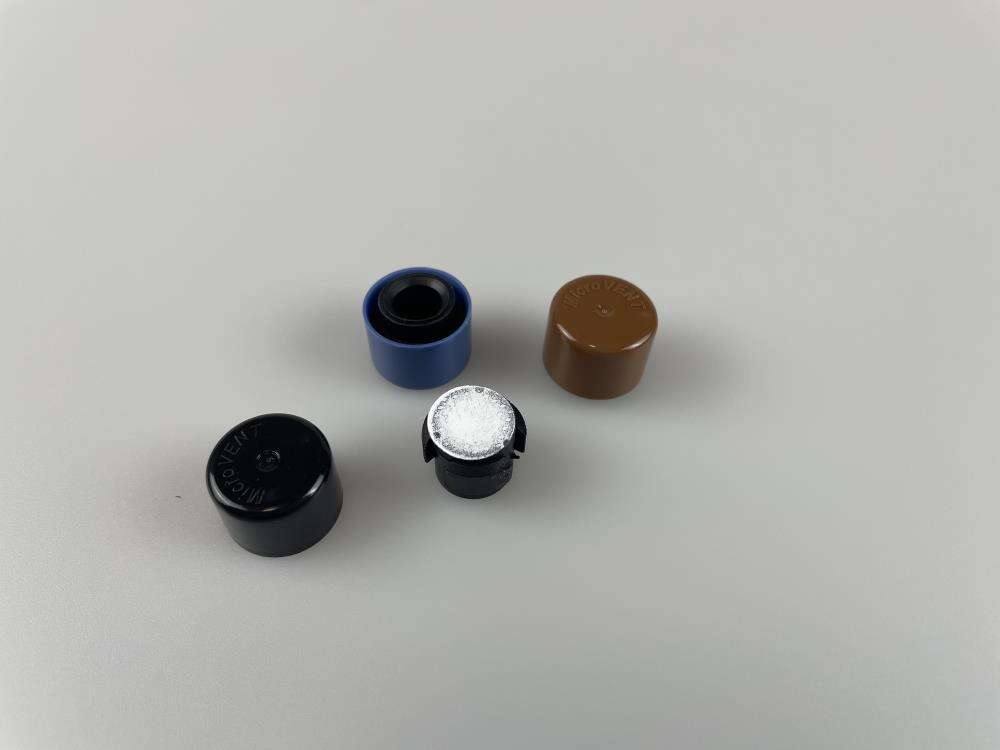
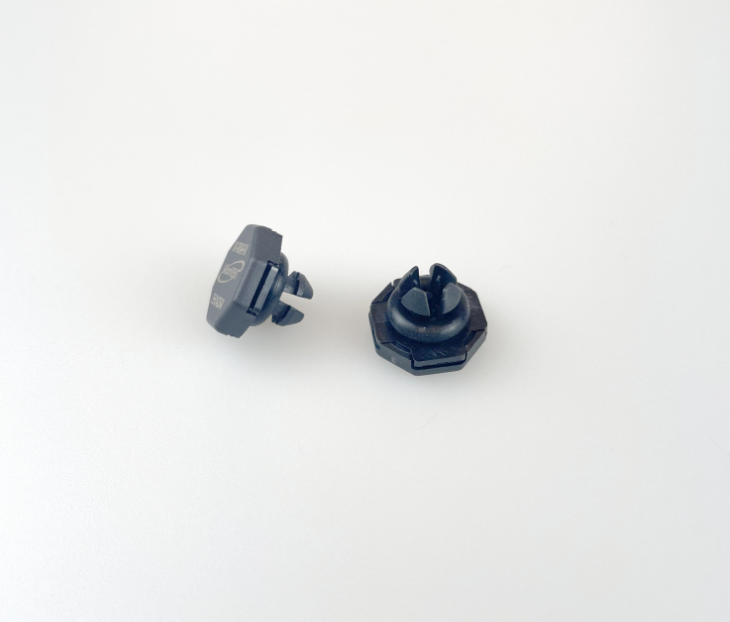
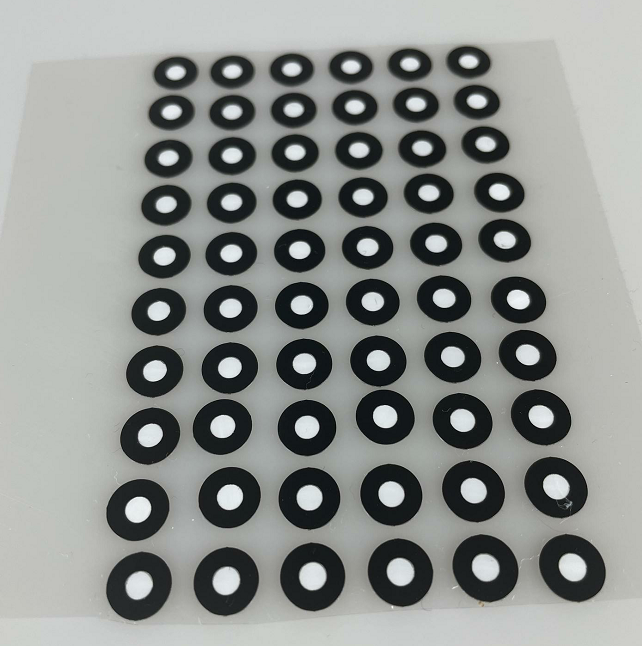
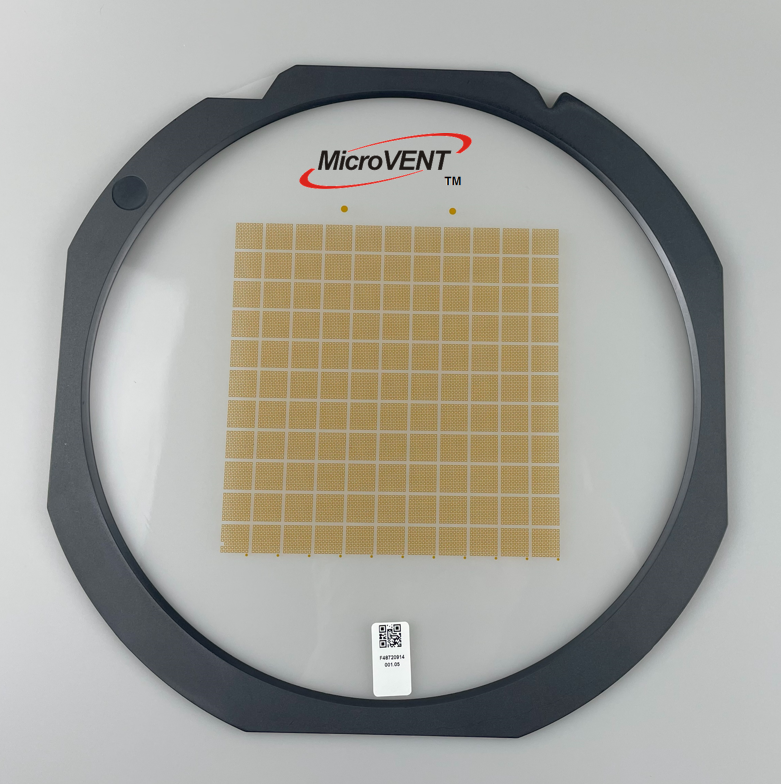
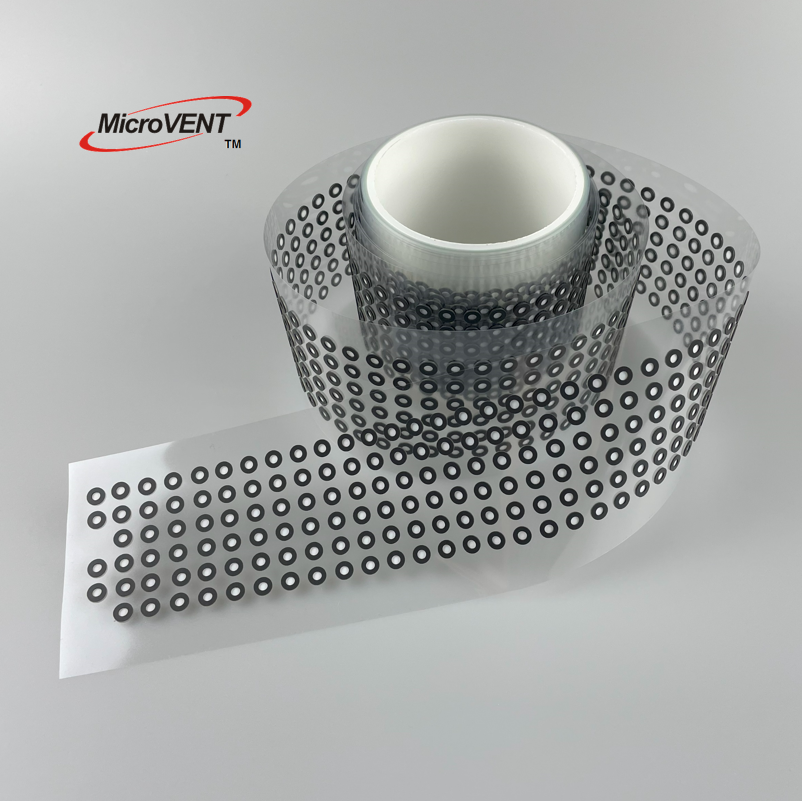
The breathable acoustic membrane represents a revolutionary advancement in sound management technology, combining superior acoustic properties with exceptional ventilation capabilities. This innovative material serves as a critical component in modern architectural and industrial applications where both noise control and air circulation are essential requirements. The breathable acoustic membrane functions as a selective barrier that effectively blocks unwanted sound transmission while simultaneously allowing air molecules to pass through its specially engineered microporous structure. This dual functionality makes it an invaluable solution for environments that require acoustic isolation without compromising ventilation needs. The membrane utilizes advanced polymer technology and precise manufacturing processes to create microscopic pores that are strategically sized to permit airflow while preventing sound waves from penetrating. The technological features of the breathable acoustic membrane include its multi-layered construction, which typically consists of a base polymer film enhanced with acoustic dampening materials and specialized coatings. The membrane's unique structure incorporates controlled porosity that maintains acoustic performance while enabling gas exchange, making it suitable for applications where traditional solid barriers would create ventilation problems. Key applications span across multiple industries, including automotive manufacturing, where the breathable acoustic membrane is integrated into vehicle panels to reduce cabin noise while maintaining proper air circulation. In building construction, architects specify this material for wall assemblies, HVAC systems, and acoustic enclosures where both sound attenuation and breathability are crucial. The membrane also finds extensive use in electronic device housings, protective equipment, and industrial machinery covers where heat dissipation and noise reduction must work together. The versatility of the breathable acoustic membrane extends to marine applications, outdoor equipment, and specialized protective gear where environmental exposure requires both acoustic and atmospheric performance. Manufacturing facilities utilize this technology in equipment enclosures and worker protection systems, demonstrating its broad applicability across diverse industrial sectors.

New Product Releases

The breathable acoustic membrane delivers exceptional performance benefits that address critical challenges in modern design and engineering applications. Users experience significant noise reduction without sacrificing essential ventilation, creating more comfortable and functional environments. The membrane's primary advantage lies in its ability to maintain acoustic integrity while preventing the buildup of moisture, heat, and gases that commonly occur with traditional sound barriers. This dual functionality eliminates the need for separate ventilation systems in many applications, reducing installation complexity and ongoing maintenance requirements. The material provides consistent performance across varying temperature and humidity conditions, ensuring reliable operation in diverse environmental settings. Cost-effectiveness represents another major advantage, as the breathable acoustic membrane reduces overall project expenses by combining multiple functions into a single material solution. Traditional approaches require separate acoustic treatments and ventilation systems, increasing material costs, labor requirements, and system complexity. The membrane streamlines installation processes, reduces component counts, and minimizes potential failure points in the overall system design. Durability advantages include excellent resistance to environmental factors such as UV radiation, chemical exposure, and mechanical stress. The membrane maintains its acoustic and breathable properties over extended service periods, providing long-term value and reducing replacement costs. Its flexible nature allows for easy integration into complex geometries and curved surfaces, offering design freedom that rigid acoustic materials cannot match. The lightweight characteristics of the breathable acoustic membrane contribute to overall system efficiency, particularly in automotive and aerospace applications where weight reduction directly impacts performance and fuel efficiency. Installation simplicity provides additional advantages, as the membrane can be applied using standard techniques and equipment without requiring specialized tools or extensive training. This accessibility reduces project timelines and labor costs while ensuring consistent results across different installation teams. Environmental benefits include the material's contribution to energy efficiency by enabling natural ventilation while maintaining acoustic comfort. The breathable acoustic membrane supports sustainable building practices by reducing reliance on mechanical ventilation systems and associated energy consumption. Quality control advantages stem from the material's consistent manufacturing standards and predictable performance characteristics, enabling engineers to specify with confidence and achieve reliable results in critical applications.

Latest News

What are the advantages of using MicroVENT® screw-in vent bolts for vehicle lamps and LED ?

18

Jul

What are the advantages of using MicroVENT® screw-in vent bolts for vehicle lamps and LED ?

Ensuring Performance and Protection for Vehicle Lamps Addressing Pressure and Moisture Challenges Modern vehicle lamps and LED systems are subject to continuous exposure to fluctuating temperatures and external environmental pressures. These changes...
View More
How to choose the right MicroVENT® screw-in vent bolt for your vehicle lamps project?

18

Jul

How to choose the right MicroVENT® screw-in vent bolt for your vehicle lamps project?

Selecting the Ideal Venting Solution for Automotive Lighting Understanding the Role of Vent Bolts in Vehicle Lamps Modern vehicle lamps have evolved beyond simple illumination tools. They now feature intricate LED modules, sensors, and thermal manag...
View More
How Can MicroVENT®️ Automotive CMD Enhance lamps life ?

28

Aug

How Can MicroVENT®️ Automotive CMD Enhance lamps life ?

Understanding Advanced Automotive Lighting Technology The automotive lighting industry has witnessed remarkable advancements in recent years, with MicroVENT Automotive CMD emerging as a groundbreaking solution for extending lamp life and improving ov...
View More
How Do MicroVENT®️ Automotive CMD protective lamps Work?

28

Aug

How Do MicroVENT®️ Automotive CMD protective lamps Work?

The Evolution of Advanced Automotive Lighting Protection The automotive industry has witnessed remarkable advancements in lighting technology, with MicroVENT CMD protective lamps emerging as a groundbreaking solution for vehicle safety and longevity....
View More

Get a Free Quote

Our representative will contact you soon.
Email
Name
Company Name
Message
0/1000

breathable acoustic membrane

Superior Sound Blocking with Uncompromised Airflow

Superior Sound Blocking with Uncompromised Airflow

The breathable acoustic membrane achieves remarkable sound attenuation performance while maintaining excellent air permeability through its innovative microporous structure. This unique characteristic addresses a fundamental challenge in acoustic design where traditional solid barriers create ventilation problems and potential moisture buildup issues. The membrane's engineered porosity allows air molecules to pass freely while effectively blocking sound waves, creating an optimal balance between acoustic isolation and environmental control. The science behind this functionality involves precise pore sizing that takes advantage of the different physical properties of sound waves and air molecules. Sound waves, being pressure variations in air, require larger openings to transmit effectively, while air molecules can pass through much smaller apertures. The breathable acoustic membrane exploits this difference by creating a controlled pore structure that permits gas exchange while presenting an effective barrier to acoustic transmission. This technology proves especially valuable in applications where traditional acoustic treatments would compromise safety or comfort. For example, in protective equipment applications, the membrane prevents dangerous pressure buildup while maintaining hearing protection. In building applications, it eliminates the need for additional ventilation openings that could compromise acoustic performance. The material's consistent airflow characteristics ensure that ventilation remains effective across varying environmental conditions, preventing the accumulation of humidity, heat, or harmful gases. Industrial applications benefit significantly from this dual functionality, as equipment enclosures can maintain proper cooling while reducing noise emissions to acceptable levels. The breathable acoustic membrane enables compliance with both noise regulations and safety ventilation requirements without requiring complex system designs or multiple material layers. This capability translates directly into cost savings, simplified installation procedures, and improved long-term reliability. The membrane's performance stability ensures that both acoustic and ventilation properties remain consistent throughout the material's service life, providing predictable results for critical applications where failure could result in safety concerns or regulatory violations.
Advanced Durability and Environmental Resistance

Advanced Durability and Environmental Resistance

The breathable acoustic membrane demonstrates exceptional resilience across diverse environmental conditions, maintaining its dual functionality through extended exposure to challenging operational environments. This durability advantage stems from advanced material science that combines polymer stability with protective additives designed to resist degradation from UV radiation, chemical exposure, temperature extremes, and mechanical stress. The membrane's robust construction ensures consistent performance in outdoor applications where traditional acoustic materials would quickly deteriorate or lose effectiveness. UV resistance represents a critical durability feature, as prolonged sun exposure typically causes polymer materials to become brittle and lose their acoustic properties. The breathable acoustic membrane incorporates specialized UV stabilizers that prevent photodegradation while maintaining flexibility and pore structure integrity. This protection enables long-term outdoor use in architectural applications, automotive exteriors, and marine environments without performance degradation. Chemical resistance extends the membrane's applicability to industrial environments where exposure to solvents, cleaning agents, and process chemicals could compromise standard materials. The membrane's polymer matrix resists swelling, dissolution, and chemical attack from common industrial substances, ensuring stable acoustic and breathable performance in manufacturing facilities, chemical processing plants, and laboratory environments. Temperature stability represents another crucial durability aspect, as the breathable acoustic membrane maintains its properties across wide temperature ranges without becoming brittle in cold conditions or softening excessively in high-heat applications. This thermal stability proves essential for automotive applications where under-hood temperatures can exceed normal operating ranges, and for building applications in extreme climate conditions. Mechanical durability includes excellent tear resistance and fatigue performance under repeated stress cycles. The membrane's flexible nature allows it to accommodate structural movement, vibration, and thermal expansion without developing cracks or holes that would compromise its acoustic or breathable properties. This mechanical resilience extends service life and reduces maintenance requirements, particularly important in applications where replacement would be difficult or costly. The combination of these durability features creates a reliable, long-term solution that maintains consistent performance standards throughout its operational lifetime, providing excellent return on investment for critical applications.
Versatile Integration and Cost-Effective Performance

Versatile Integration and Cost-Effective Performance

The breathable acoustic membrane offers exceptional versatility in integration approaches, enabling seamless incorporation into diverse design concepts while delivering cost-effective performance across multiple application categories. This adaptability stems from the material's flexible physical properties and standardized manufacturing specifications that accommodate various installation methods and design requirements. The membrane can be easily cut, shaped, and fitted to complex geometries without compromising its acoustic or breathable properties, making it suitable for both standard and custom applications. Integration flexibility includes compatibility with existing manufacturing processes and installation techniques, eliminating the need for specialized equipment or extensive retraining of installation personnel. The membrane works effectively with standard adhesives, mechanical fasteners, and welding techniques commonly used in construction and manufacturing applications. This compatibility reduces implementation barriers and accelerates adoption across different industries and project types. The material's lightweight characteristics contribute significantly to its versatility, as it can be applied to weight-sensitive applications without compromising structural integrity or performance requirements. In automotive applications, this weight advantage translates directly into fuel efficiency improvements, while in architectural applications, it reduces structural loading requirements and associated costs. Cost-effectiveness encompasses multiple economic advantages beyond the material's competitive unit price. The breathable acoustic membrane eliminates the need for separate acoustic and ventilation systems in many applications, reducing overall material costs, installation complexity, and long-term maintenance requirements. This system simplification translates into lower total cost of ownership and improved project economics. The membrane's durability characteristics further enhance cost-effectiveness by extending replacement intervals and reducing lifecycle costs. Its consistent performance over extended service periods eliminates the need for frequent maintenance or replacement cycles that add to operational expenses. Quality control advantages include predictable performance characteristics that enable accurate cost estimation and reliable project planning. The material's consistent manufacturing standards ensure that specified performance levels are achieved reliably across different production batches and installation conditions. This predictability reduces project risk and enables confident specification in critical applications where performance failures would result in significant costs or safety concerns. The combination of integration versatility and cost-effective performance makes the breathable acoustic membrane an attractive solution for projects ranging from small-scale modifications to large industrial installations, providing scalable benefits that adapt to varying project requirements and budget constraints.

Get a Free Quote

Our representative will contact you soon.
Email
Name
Company Name
Message
0/1000