Start With the Use Case
A waterproof membrane microphone needs a plain use brief. State where the port is, what can reach it, and how the user may hold the unit. A waterproof membrane microphone in a watch can face a use case that is not the same as one in a home unit. Do not use one short word as the full need. Name the type of water, dust, or dirt that is in scope. Name the time, force, and path of that event too.
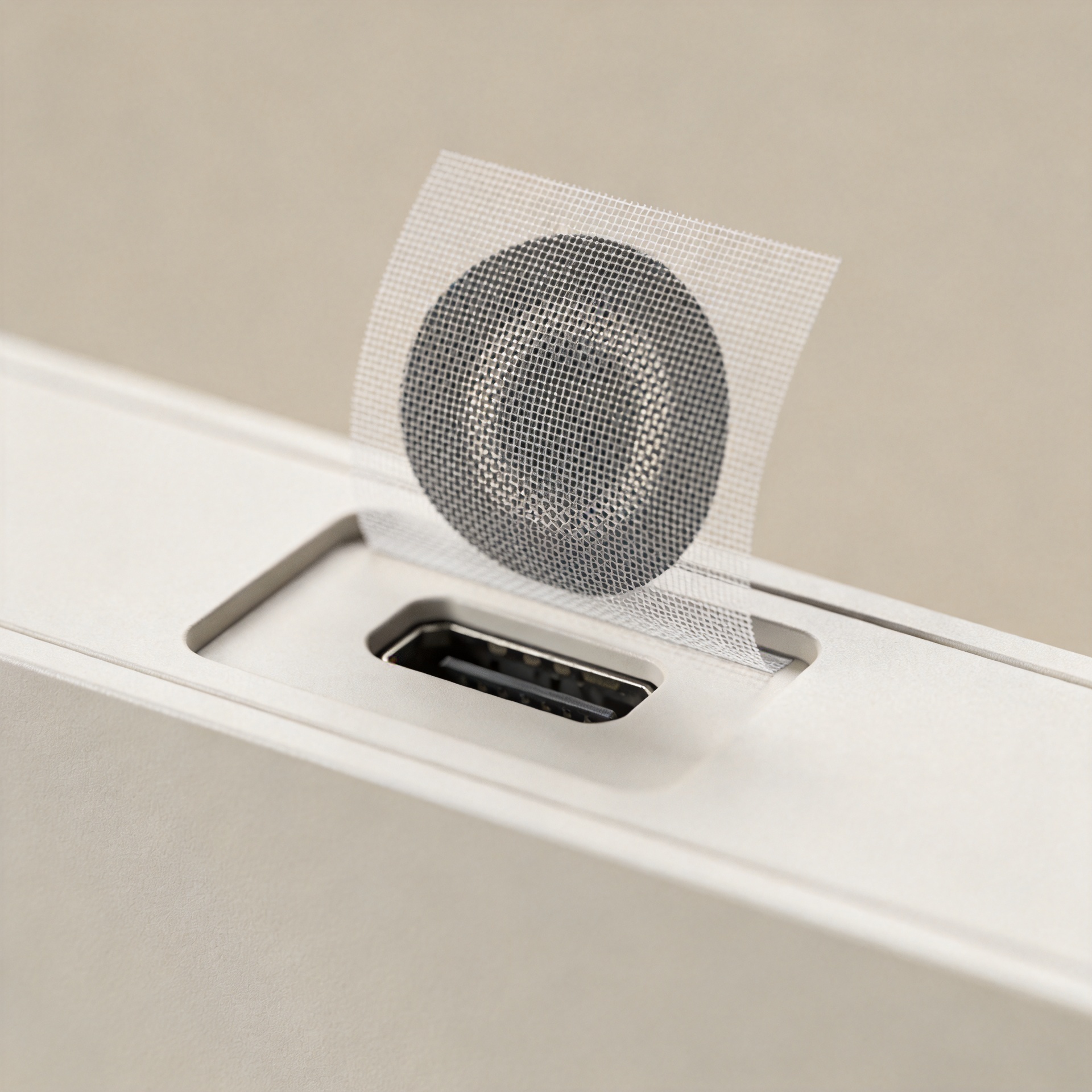
For each waterproof membrane microphone, note the case type, mic type, port size, and port site. Add the part of the unit that faces the user. Add the build step where the film is set. A waterproof membrane microphone review is more useful when these facts are clear. The team can then ask about a real part and a real build. A waterproof membrane microphone brief should also name the face of the case that may get wet.
Set the Sound Goal
A waterproof membrane microphone must also meet a sound goal. Do not judge a waterproof membrane microphone from a film name alone. The hole, air space, film size, bond edge, and mic can each change the sound path. Set the sound check that the full unit must pass. Then keep that check in the plan from the first sample to the last build.
- For a waterproof membrane microphone, name the use case in plain words.
- For a waterproof membrane microphone, give the port shape and size.
- For a waterproof membrane microphone, show the bond area and case wall.
- For a waterproof membrane microphone, set the sound check for the full unit.
These steps help the team avoid a weak claim. They also help keep a waterproof membrane microphone review tied to the actual unit. The goal is not to pick a film by name. The goal is to make a sound plan for the full path. In a waterproof membrane microphone plan, the port and the film need the same review.
Use Product Lines as a Start
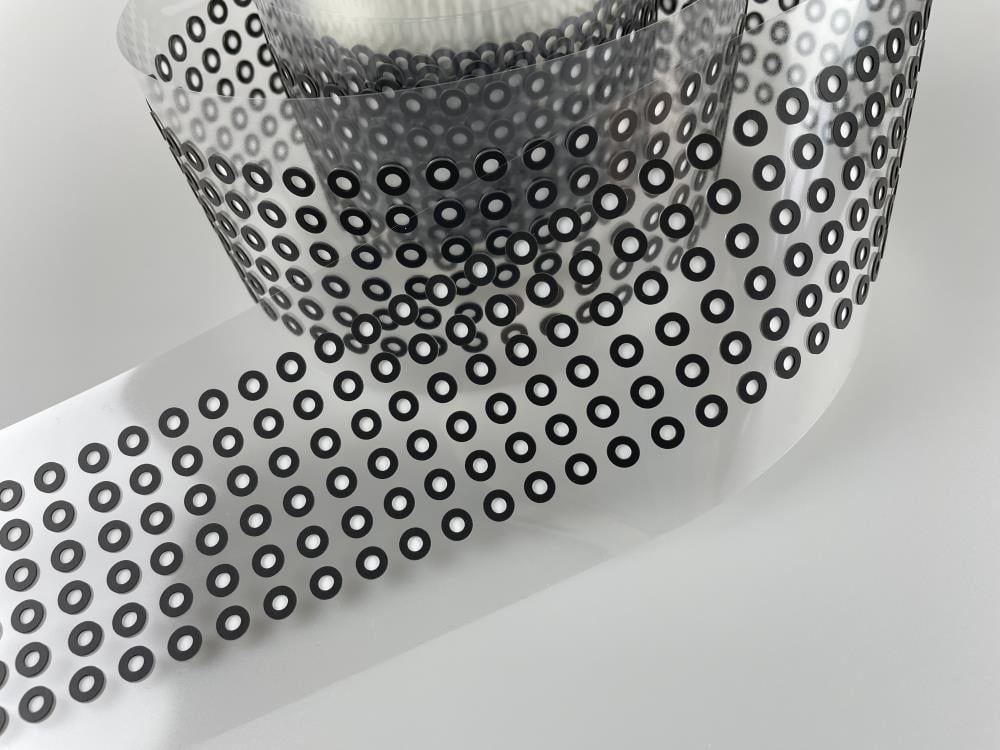
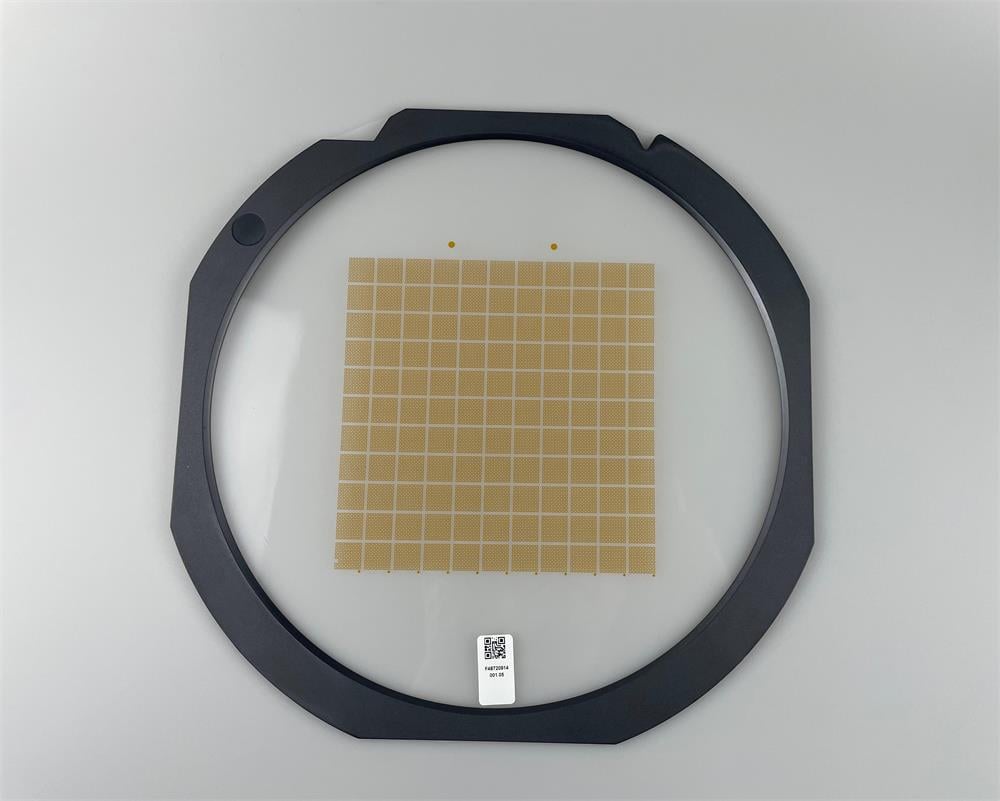
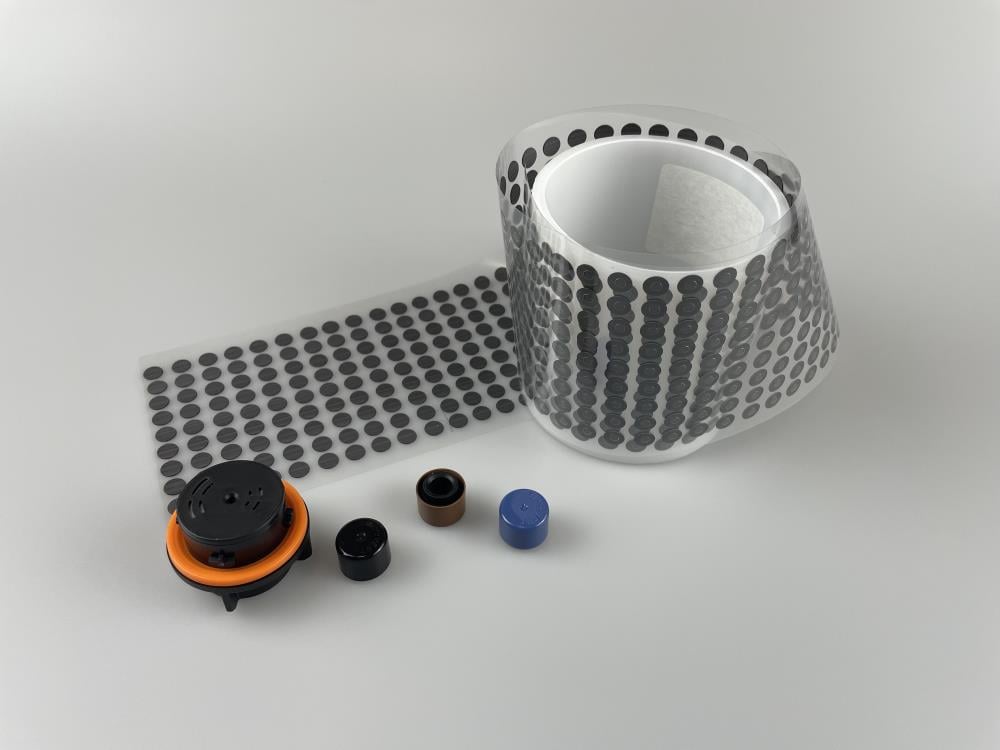
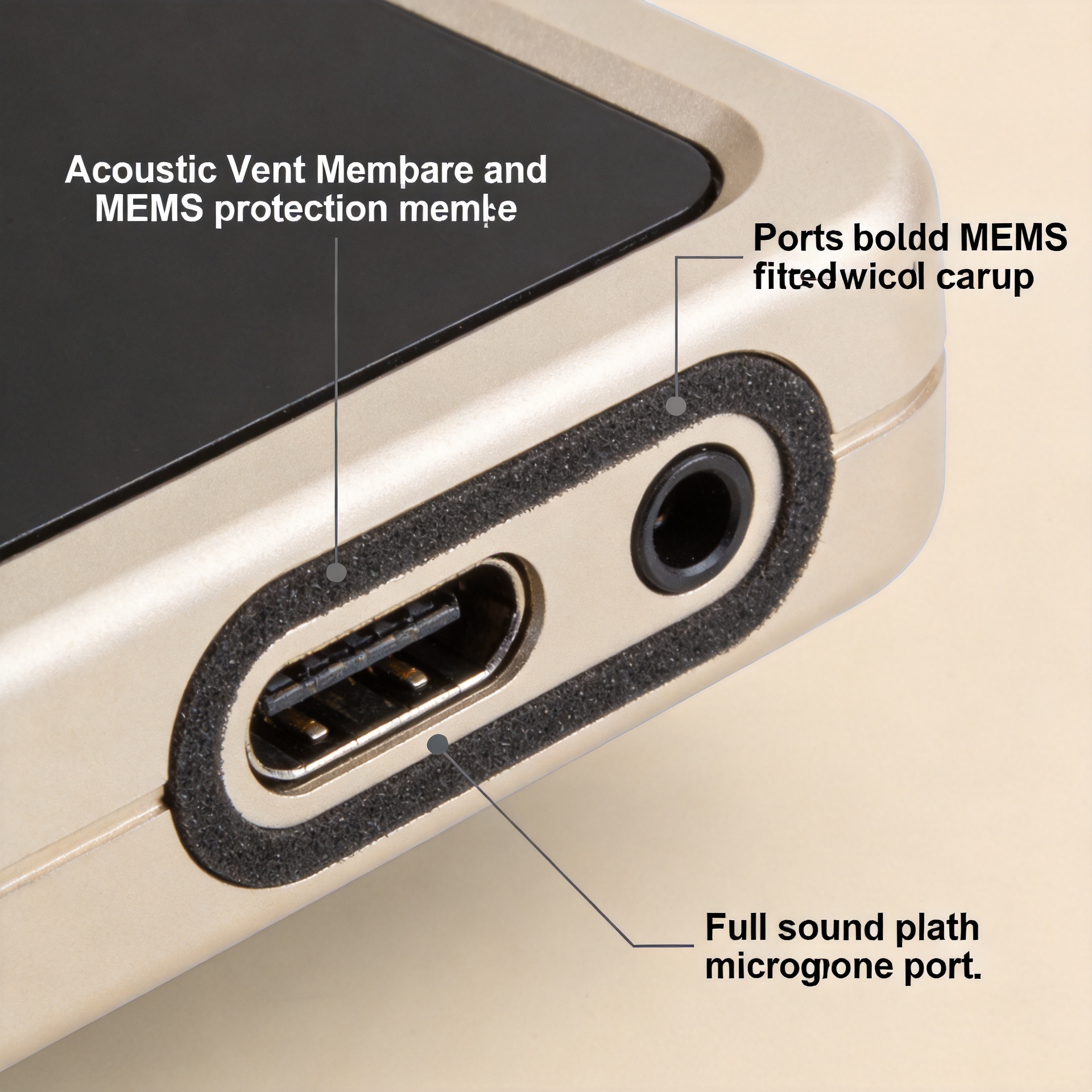
The catalog has three items for a first talk: Acoustic Vent Membrane, MEMS protection membrane, and vent membrane. The product text for Acoustic Vent Membrane names mics as one use area. The MEMS protection membrane text names MEMS mic work in electronic units. These facts can guide a waterproof membrane microphone talk. They do not show that one part will fit each new case.
Ask what role the part has in the build. Is it for a sound port, a mic area, or a full case vent? Does the unit need an adhesive bond? Is there room for the part at the port? A waterproof membrane microphone plan must answer such questions with the actual drawing in hand. If a fact is not known, add it to the list to check. A waterproof membrane microphone part should match the role set out in that list.
Match the Part to the Build
Part shape and build steps matter. A round hole, long slot, deep port, or grill can lead to a new choice. For a waterproof membrane microphone, ask for the land size, edge form, and path to the mic. Check how the film is held. Check if a tool can set it in place. Check if a later step can harm the bond or block the port.
A waterproof membrane microphone may be set by hand or by a line tool. In both cases, the team should map the set step. Note how the part is lined up. Note what keeps it in place. Note what can touch it after the set. This does not prove a result. It helps find a poor fit while the plan can still change. A waterproof membrane microphone build note should show the order of each step.
Plan the Check Before Release
A waterproof membrane microphone needs a full unit check. Make a simple plan with the sample build, use state, pass rule, and team lead. Check the event that the unit must face. Check the sound goal that the mic must meet. If the case, port, or set step changes, look at the full waterproof membrane microphone plan once more.
Send the case drawing, mic data, port data, use facts, and scope of the ask by the form. A waterproof membrane microphone review can then start with facts that matter. This is a sound way to ask for part data without making a claim that has not been checked in the final unit. A waterproof membrane microphone request is best when each open item is named.
 EN
 AR
 CS
 FR
 DE
 IT
 JA
 KO
 PT
 RU
 ES
 ID
 VI
 TH
 TR
 MS