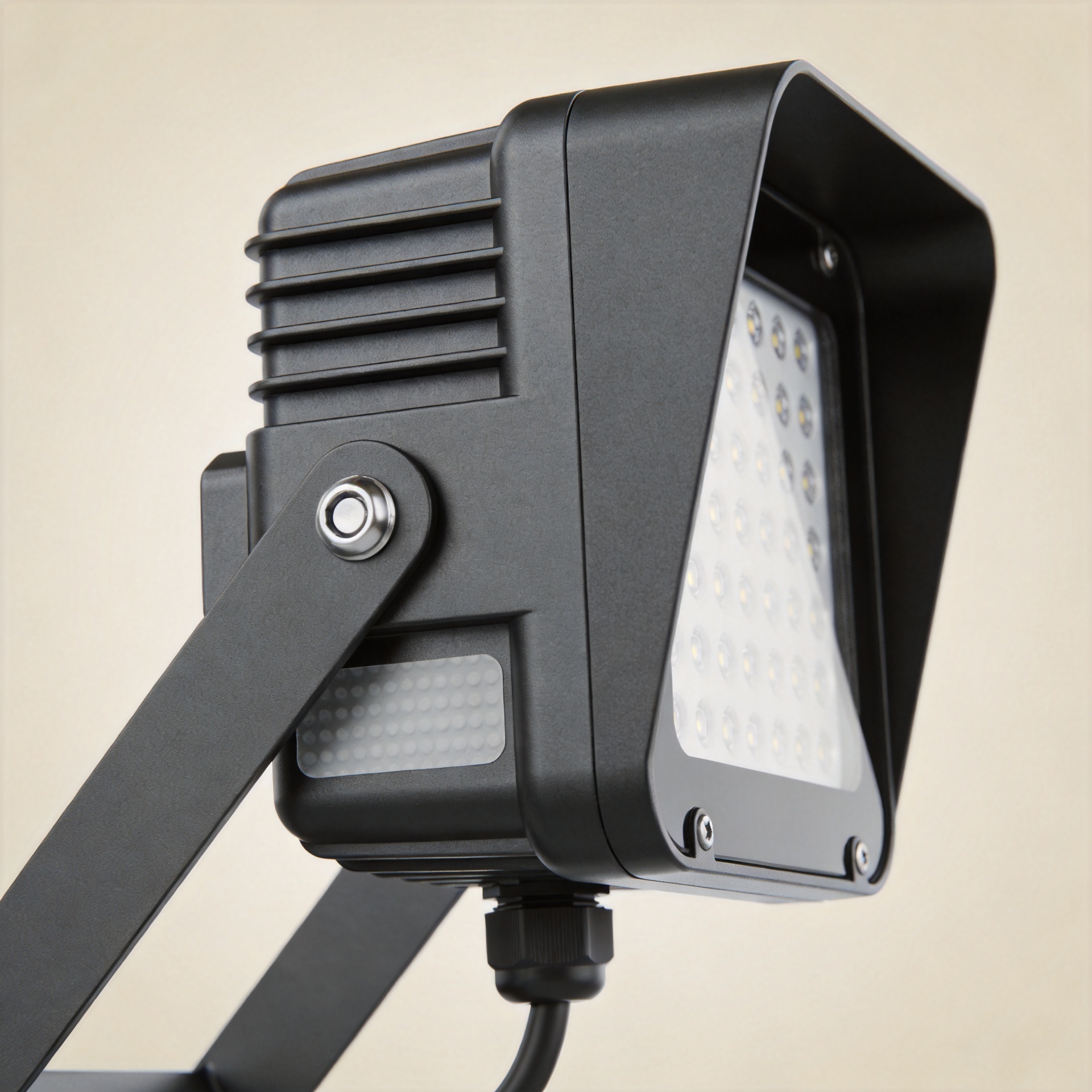
Set the LED Use Case
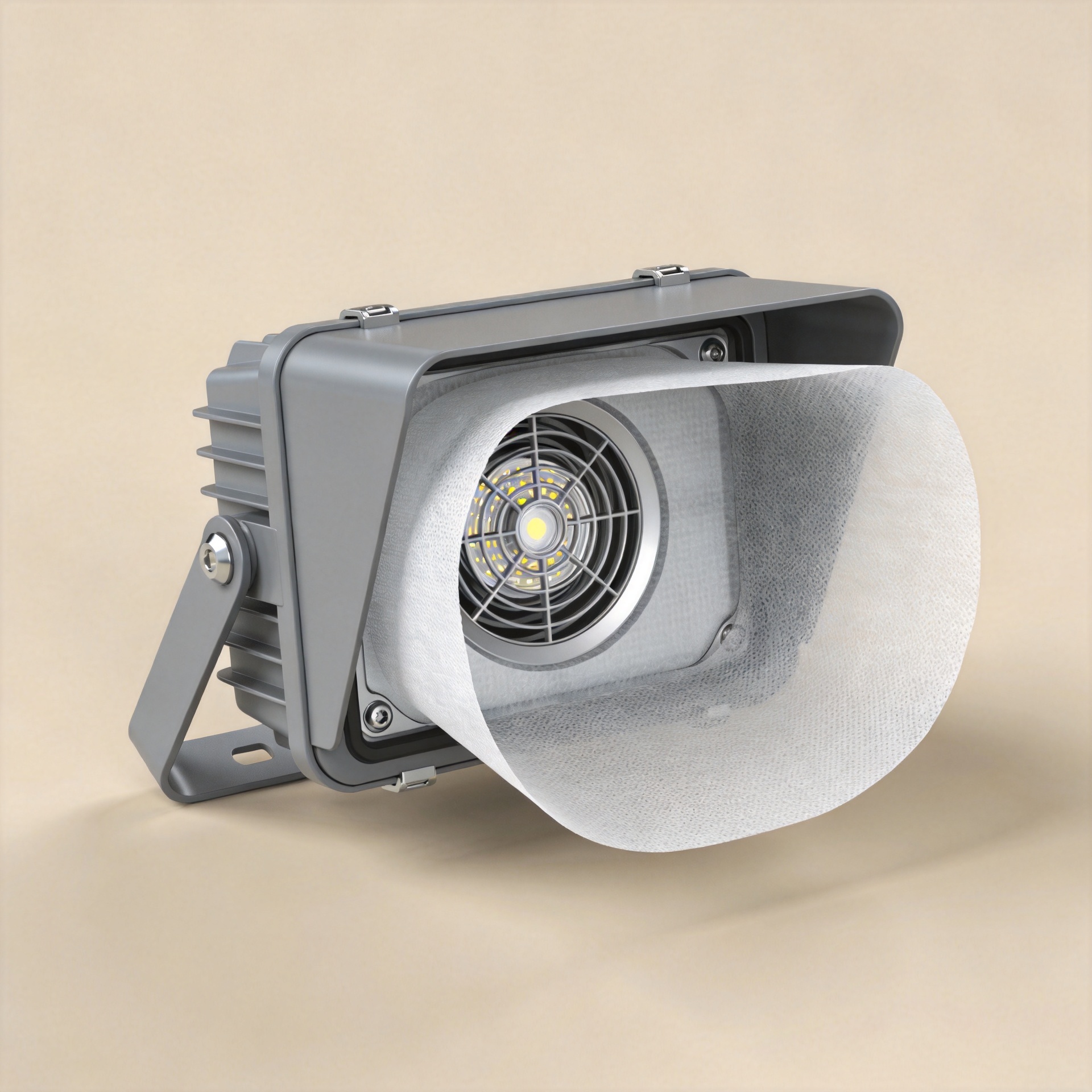
An LED ePTFE membrane belongs in a device review. First, name the kind of light. It may be an outdoor lamp. It may be a sealed module. It may be a control box. Each case has its own limits. An LED ePTFE membrane also needs a clear use setting. An LED ePTFE membrane review should state that setting. Write down where the light will be used. Write down what can reach the case. Record heat from the LEDs and other parts.
Next, look at changes inside the housing. A warm unit can cool after it is switched off. The air in the case may change at the same time. The product record for the vent membrane names outdoor lighting as a context. Use that as a cue to ask better questions. Do not treat it as proof for every lamp. The LED ePTFE membrane must be checked with the full assembly. The LED ePTFE membrane review should cover the full assembly.
Check the Mounting Area
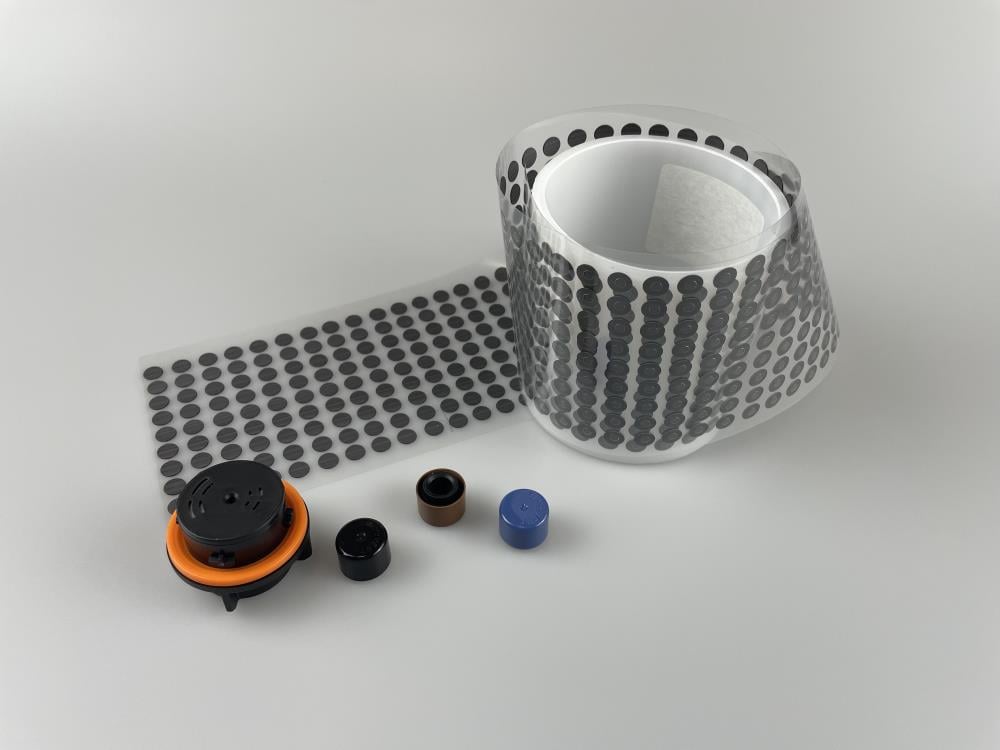
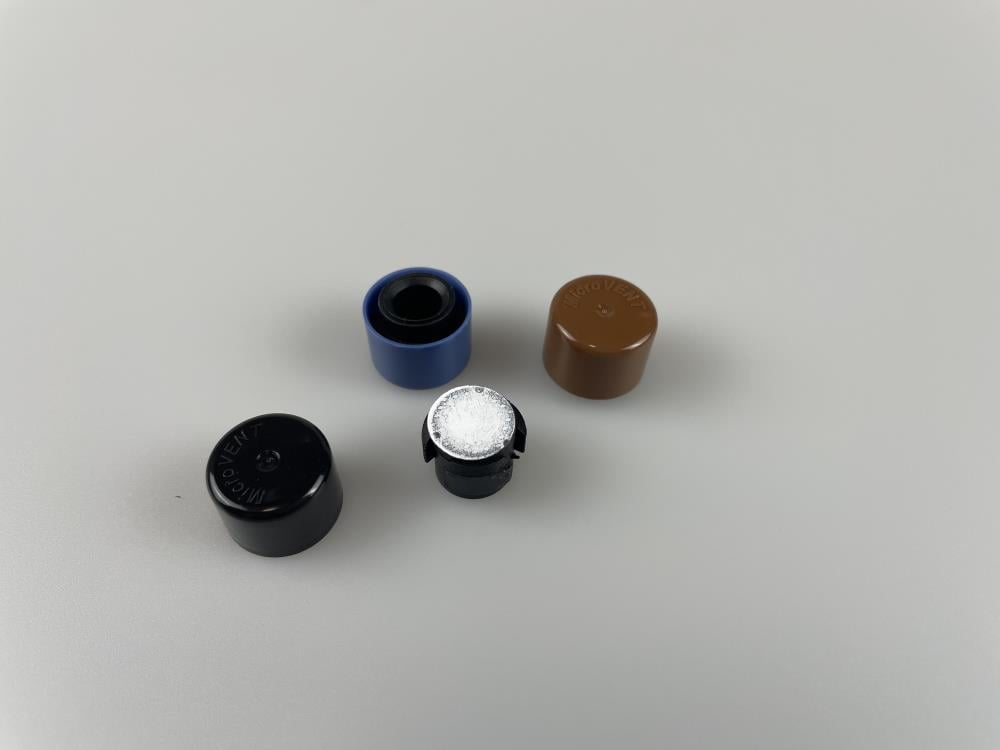
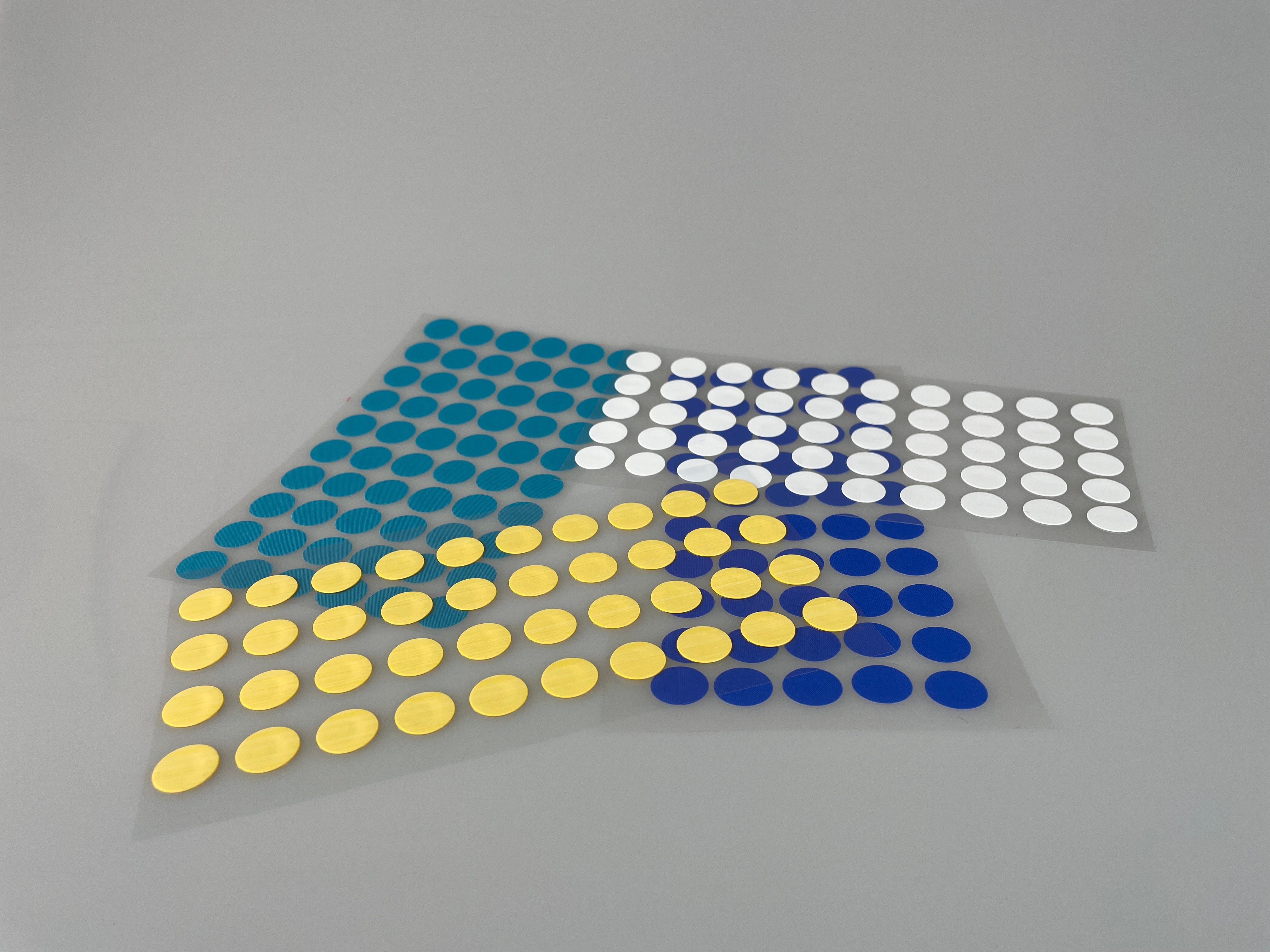
Geometry is often the first filter. An LED ePTFE membrane needs a defined mounting area. Look at the housing wall. Look at the hole, if there is one. Look at the clear space around it. A vent membrane can fit a design with a planned vent area. A vent plug can suit a compatible opening. An adhesive vent membrane uses a pressure-sensitive adhesive ring to secure the membrane to the device.
- Measure the open area before you select an LED ePTFE membrane.
- Check the wall shape and nearby parts before you choose a vent plug.
- Review the surface condition before you choose an adhesive format.
- Confirm the build order before you lock the vent position.
Describe the Outside Conditions
An LED ePTFE membrane review should name the outside conditions. Is the light indoors or outdoors? Can dust reach the housing? Can water or moisture reach it? Are there oils, cleaners, or other liquids near it? These facts help define the project. They also keep broad terms from being used as a shortcut.
The merchant profile describes ePTFE material as porous. It also names hydrophobic and oleophobic directions. Those are material facts. They are not a result for each finished lamp. An LED ePTFE membrane must be assessed with the housing, mount, and use conditions. An LED ePTFE membrane needs proof for the final lamp. State what the device needs. Then state what needs proof.
Build a Clear Project Brief
A good brief makes the next talk easier. An LED ePTFE membrane brief names the light type. Include a drawing or photos. Mark the proposed vent site. Give the housing material. Describe the heat source and the likely weather. Note any pressure or temperature information you have. Say if you are reviewing a vent membrane, vent plug, or adhesive vent membrane.
An LED ePTFE membrane inquiry can also name the test plan. If the project has a target method, share it. If it does not, say what the light must face in use. This gives the supplier a clear base for a fit discussion. It avoids claims that are too wide for the evidence.
Make the Final Decision
Keep the final choice simple. Match the vent concept to the actual housing. Check the mount first. Check the use setting next. Then ask what proof is needed for the completed device. An LED ePTFE membrane may be one option in that process. MicroVENT’s stated ePTFE work and catalog formats can inform the review. The final decision remains tied to the project requirements.
 EN
 AR
 CS
 FR
 DE
 IT
 JA
 KO
 PT
 RU
 ES
 ID
 VI
 TH
 TR
 MS