Acoustic ePTFE Patch Selection Guide

All Categories

Get a Free Quote

Our representative will contact you soon.
Email
Name
Company Name
Message
0/1000
Acoustic ePTFE Patch Selection for Device Openings

Acoustic ePTFE Patch Selection for Device Openings

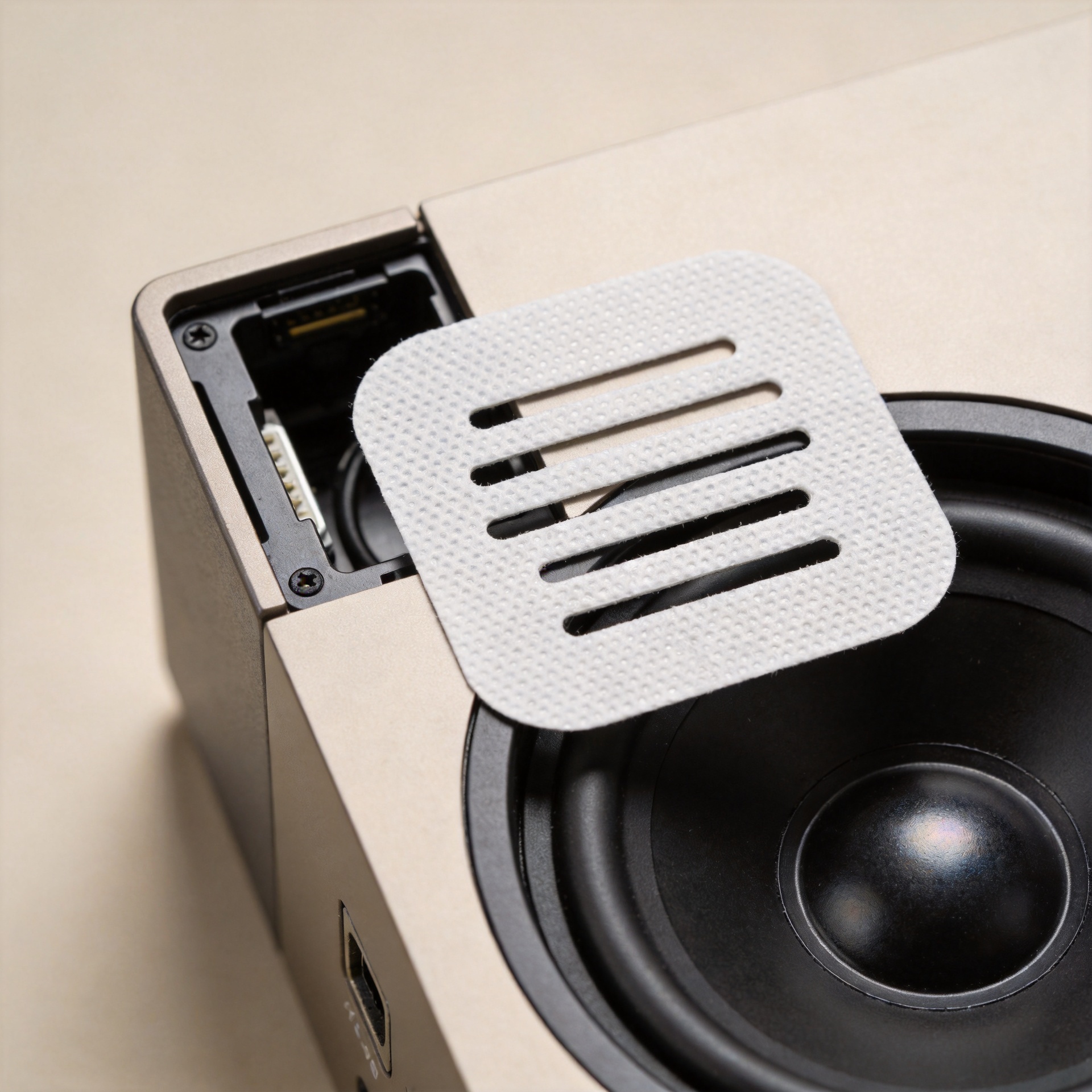
An acoustic eptfe patch is a membrane part for a device opening. It can be part of an acoustic vent membrane design or an electronics protection review. This page lists current catalog options for a first comparison. It is for design and sourcing teams. Start with the opening, the sound path, the housing, and the planned fit method. MicroVENT has worked with ePTFE technology since 1995. Its profile describes porous materials, composite work, lamination, and surface work. These facts can help start a review. They do not prove fit for a given device. Ask for the relevant product data. Then check the real use case, drawing, and test plan. Send your device details to discuss an acoustic eptfe patch option.
Get A Quote

Related Acoustic Vent Products

Three current catalog products for an initial technical comparison.
A Focused Acoustic Vent Option

A Focused Acoustic Vent Option

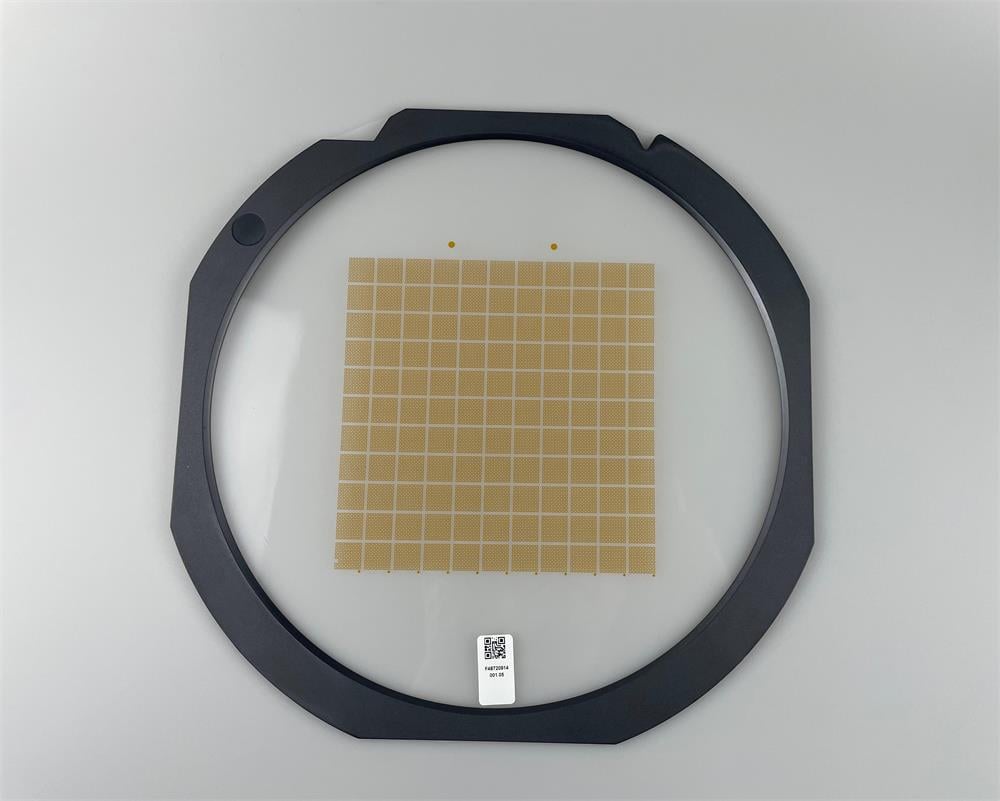
The Acoustic Vent Membrane record is a direct starting point for an acoustic eptfe patch review. The record places this product in an acoustic device context. It does not make it a match for every part. Check the opening, housing, fit method, and use conditions first. Then compare the current product data with the needs of the finished device.

Define the Opening First

An acoustic eptfe patch is part of a device build. It should not be picked by name alone. First, map the opening. Note its shape, size, edge, and nearby parts. Note how sound moves through the opening. A microphone, speaker, or receiver may use a different layout. This is why one acoustic eptfe patch may need a new review when the housing changes.

Write down the use conditions. Include dust, water, oils, moisture, and pressure changes when they matter. This makes an acoustic vent membrane request more useful. It also helps an electronics protection review stay tied to the real device. Do not treat a broad claim as proof for every use case.

Choose a Product Category to Review

The current catalog has an Acoustic Vent Membrane, a MEMS protection membrane, and an Adhesive Vent Membrane. Each is a starting point for a focused talk. The Acoustic Vent Membrane is the closest match for an acoustic eptfe patch search. The MEMS protection membrane may fit a MEMS-related design review. The Adhesive Vent Membrane may help when the fit method is a key issue.

  • Use the acoustic vent membrane category when the sound opening is the main design question.
  • Use the MEMS category when a MEMS part is part of the device plan.
  • Use the adhesive vent category when bonding and part placement need close review.

These names help sort options. They do not prove that the parts are the same. Ask for the current product data before a final choice.

Check the Fit Method

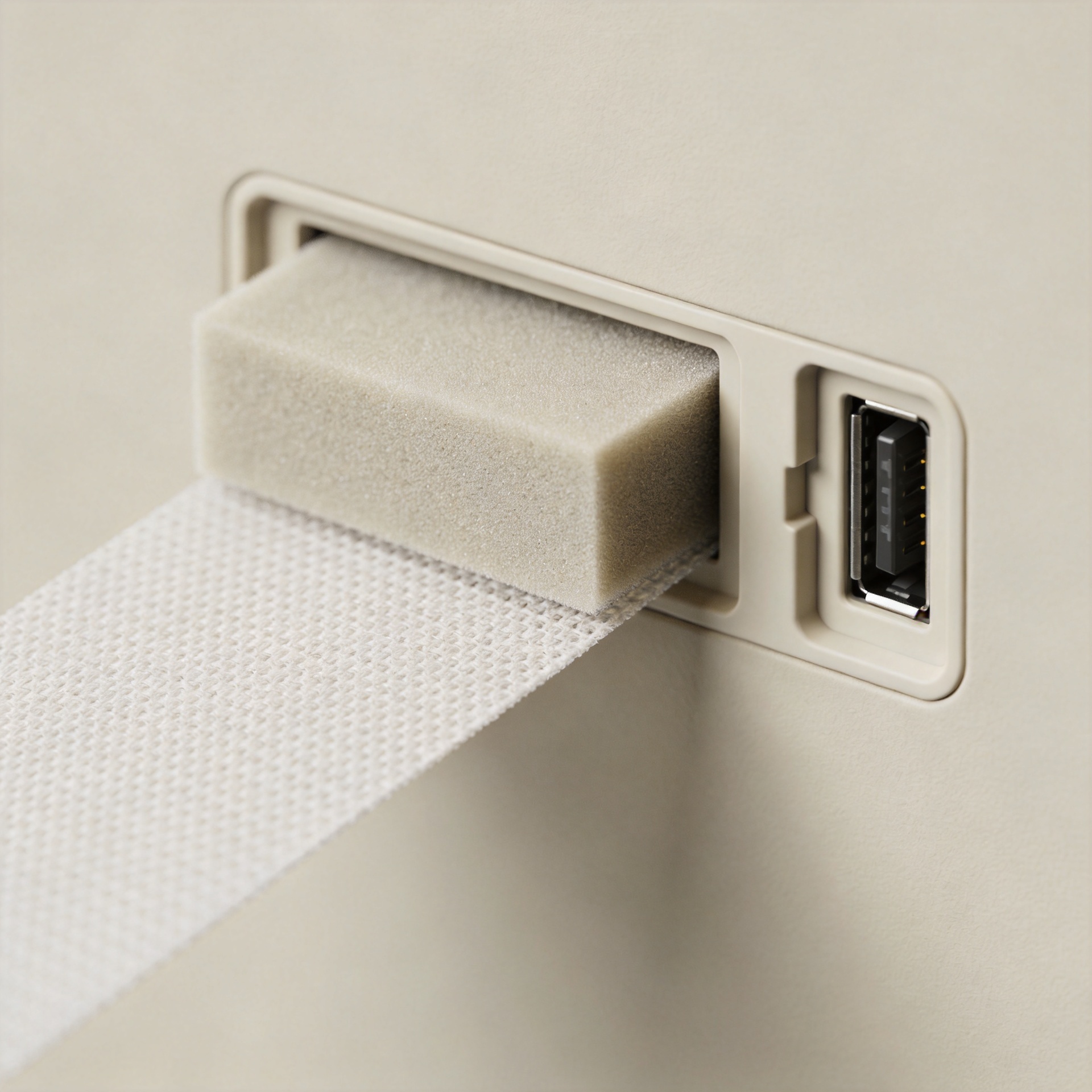
Fit can change the result. Share the planned work steps, the contact face, and the space around the opening. For an adhesive option, check the target surface and the bond area. Check how the part will be placed. A part that looks right in a list may not fit after the housing and work steps are known.

Use the actual drawing when it is ready. State the size, the opening, and the parts near it. This lets the team compare an acoustic eptfe patch with the real build. It also keeps an electronics protection discussion clear and useful. For each acoustic eptfe patch review, record the opening and placement plan.

Plan What to Verify

Catalog text can help make a short list. It does not replace device checks. Make a simple list of the facts to verify. Include the needed sound path, the housing condition, the fit method, and the use conditions. If a test method or a standard is part of the plan, check its scope first. Use it only when it fits the device and the claim being checked.

Keep a short record for each acoustic vent membrane option. State the device and opening. State the catalog part being reviewed. Then state what data or checks are still needed. This separates known product facts from a claim that needs more proof. This also supports a clear electronics protection review.

Send Clear Inquiry Details

A good inquiry helps start the right talk. Include the device type, the opening size, the sound function, and the planned fit method. Include use conditions that matter to the housing. Say if the request is for an acoustic eptfe patch, an acoustic vent membrane, or electronics protection. Add a drawing when you can. The team can then point you to a current catalog option and the next facts to review.

Acoustic ePTFE Patch Questions

Technical selection questions for device teams.

What is an acoustic ePTFE patch used for?

An acoustic eptfe patch can be a membrane part used around a device sound opening. The use depends on the full device build. Start with the device, opening, housing, and fit method. Then review the use conditions. The Acoustic Vent Membrane is a current catalog category that can start this type of review. It is not proof that the part fits every design. Check the latest drawing and product data. Then decide what device checks are needed before you choose a part.
Compare each acoustic vent membrane option with the real need. Look at the sound path, opening shape, housing layout, fit method, and use conditions. Then decide if the acoustic vent, MEMS protection membrane, or adhesive vent category is most relevant. Product names can help make a short list. They do not show that two products are the same. Ask for current product data. Set the device checks you need before you make a final selection.
No. An adhesive format needs a case-by-case review. Check the target surface, bond area, part shape, placement step, and use conditions. The Adhesive Vent Membrane record can help start a fit discussion. It does not confirm a match for every housing. Share the device drawing, the planned work steps, and the key conditions in your inquiry. This helps the team review an acoustic eptfe patch option against the real build rather than a general product name.
Include the device type, the opening size and place, the sound function, and the planned fit method. State the key housing conditions. Say if you need an acoustic eptfe patch, an acoustic vent membrane, or electronics protection review. Share a drawing, a material need, or a test plan when it is ready. These details help separate verified catalog facts from points that still need device-specific review. They also help the team guide the next product and data discussion.

Get a Free Quote

Our representative will contact you soon.
Email
Name
Company Name
Message
0/1000

Related Acoustic Membrane Topics

Get a Free Quote

Our representative will contact you soon.
Email
Name
Company Name
Message
0/1000