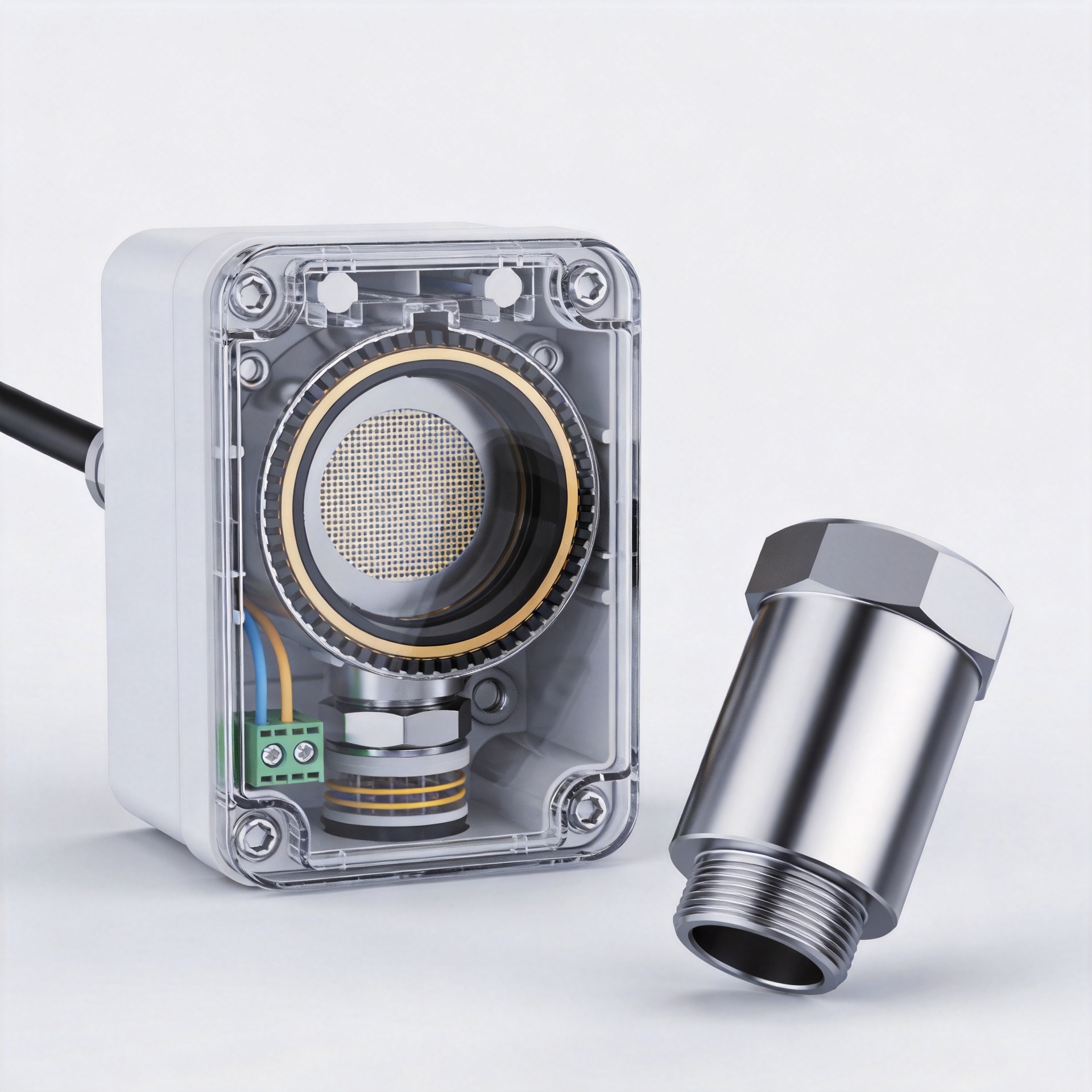
Start With the Real Use Case
A protective membrane sensor needs a clear use case. Start with the sensor type. State where it sits in the device. State what may touch the device in use. The medium may be dust, water, oil, or another substance. The device may also face heat, cold, or pressure change. Each point can change the protective membrane sensor review.
Do not begin a protective membrane sensor review with one broad claim. Begin with the full assembly. Is the part over an acoustic port? Is it on a sealed case? Is it part of a vent path? These are different jobs. They may need different product talks and different proof.
Map the Opening and Mount
For a protective membrane sensor, the shape of the opening matters. Give the width, length, depth, and edge shape. Show the space around the opening. State the case material. State if the part uses an adhesive, a plug, or another mount. A small change in the mount can change the protective membrane sensor integration plan.
- For a protective membrane sensor, provide a clear part drawing.
- For a protective membrane sensor, show the opening and mount area.
- For a protective membrane sensor, state the assembly steps.
- For a protective membrane sensor, note any space or alignment limits.
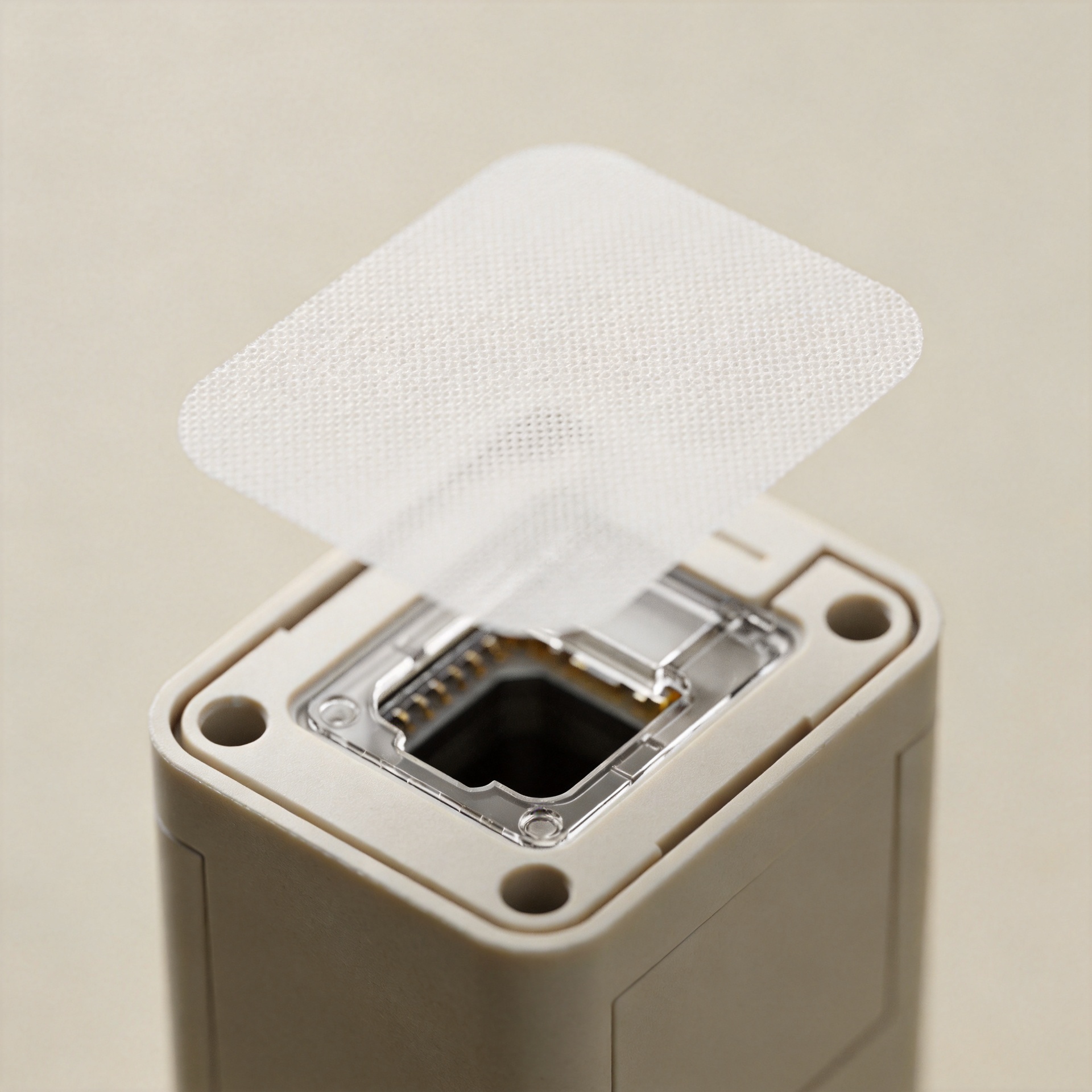
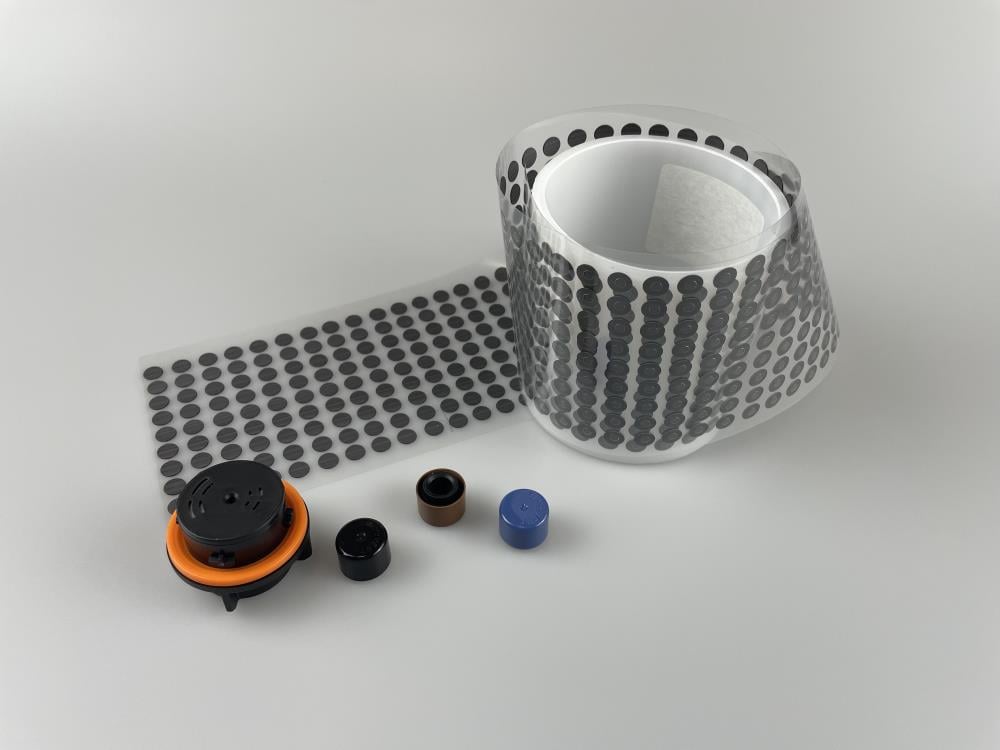
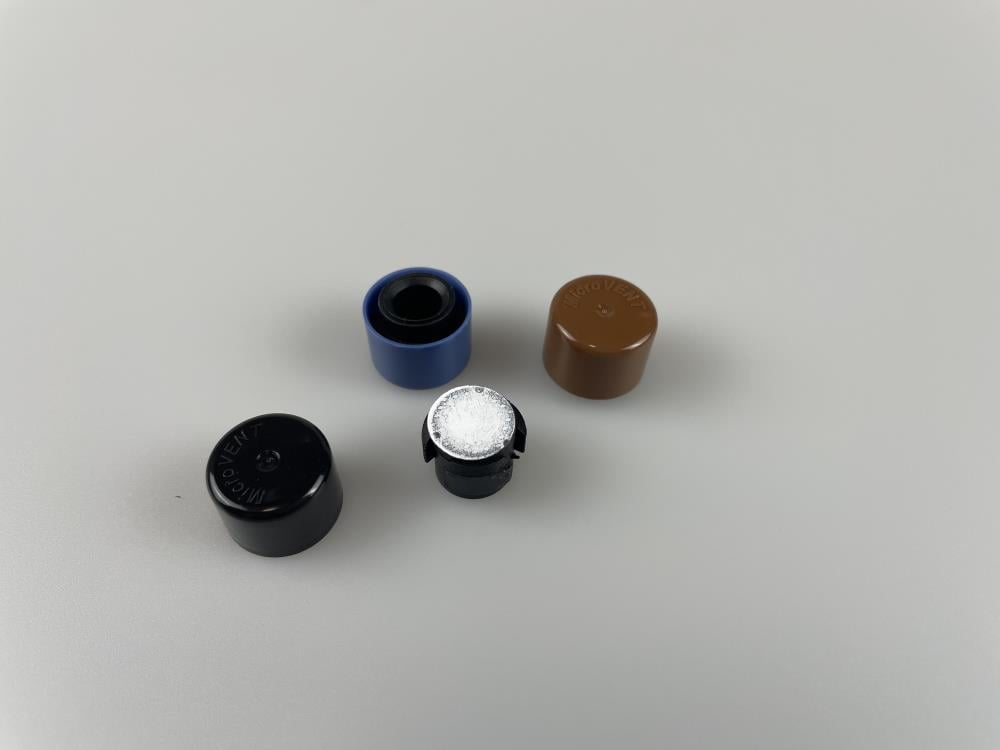
This data helps avoid a poor match. It also helps the team decide if a MEMS protection membrane, vent plug, or vent membrane is the right item to discuss first. The catalog list is a starting point. It is not a protective membrane sensor fit claim.
Separate the Main Functions
A protective membrane sensor may need more than one function. One project may focus on an acoustic path. Another may focus on a case that needs a vent path. A third may need a barrier at an opening. Keep these needs separate. A request for air flow is not the same as a request for a barrier. A request for pressure change control is not the same as an acoustic need.
For a protective membrane sensor, define the main job in simple words. Ask what must pass through the opening. Ask what should stay out. Ask if the sensor needs to work while the device moves between hot and cold areas. The answer can shape the next protective membrane sensor questions.
Use Material Facts With Care
MicroVENT states that it has focused on ePTFE technology since 1995. Its profile names porous ePTFE materials and lists composite, laminated, and surface-modification methods. It also lists hydrophobic and oleophobic material directions. These are useful facts for a protective membrane sensor conversation. They do not show that a part will meet every project need.
For a protective membrane sensor, ask which facts apply to the proposed part. Ask what document is available. Ask what still needs a project review. Keep a general material fact apart from a claim about the finished device. This clear split helps a protective membrane sensor buyer plan the right next step.
Check Airflow and Protection Together
A protective membrane sensor often calls for a trade-off. The team may need an air path and may also need to limit what enters the case. The right balance depends on the medium, the case, and the pressure profile. There is no one answer for all protective membrane sensor cases.
For a protective membrane sensor, state the pressure change that matters. State if the device may meet rain, splash, oil, or dust. State if the part is near an acoustic port. Then compare those needs with the part shape and mount. This gives the supplier a useful protective membrane sensor brief without making a result claim too soon.
Plan the Evidence Review
For a protective membrane sensor, use a staged review. At the first stage, share the device type, the use case, and the mount idea. At the next stage, compare the part shape with the real case. At the last stage, list the documents, checks, or tests the project needs. This protective membrane sensor process keeps the work clear.
A protective membrane sensor request should also list open points. Do not hide them in broad terms. State what is known and what needs review. This helps a buyer, designer, and supplier speak about the same task. It also helps prevent a general catalog statement from being used as a final protective membrane sensor product claim.
Send a Useful Inquiry
A protective membrane sensor inquiry should include the sensor type, the case material, the opening size, and the expected medium. Add a drawing when possible. State the mount method and the key use conditions. If sound, pressure, or a fluid matters, state that as well. A good protective membrane sensor inquiry gives the team a direct basis for a focused product and document review.
 EN
 AR
 CS
 FR
 DE
 IT
 JA
 KO
 PT
 RU
 ES
 ID
 VI
 TH
 TR
 MS