Premium Protective Vent Plug Solutions - Advanced Environmental Protection & Pressure Equalization Systems

All Categories

Get a Free Quote

Our representative will contact you soon.
Email
Name
Company Name
Message
0/1000

protective vent plug

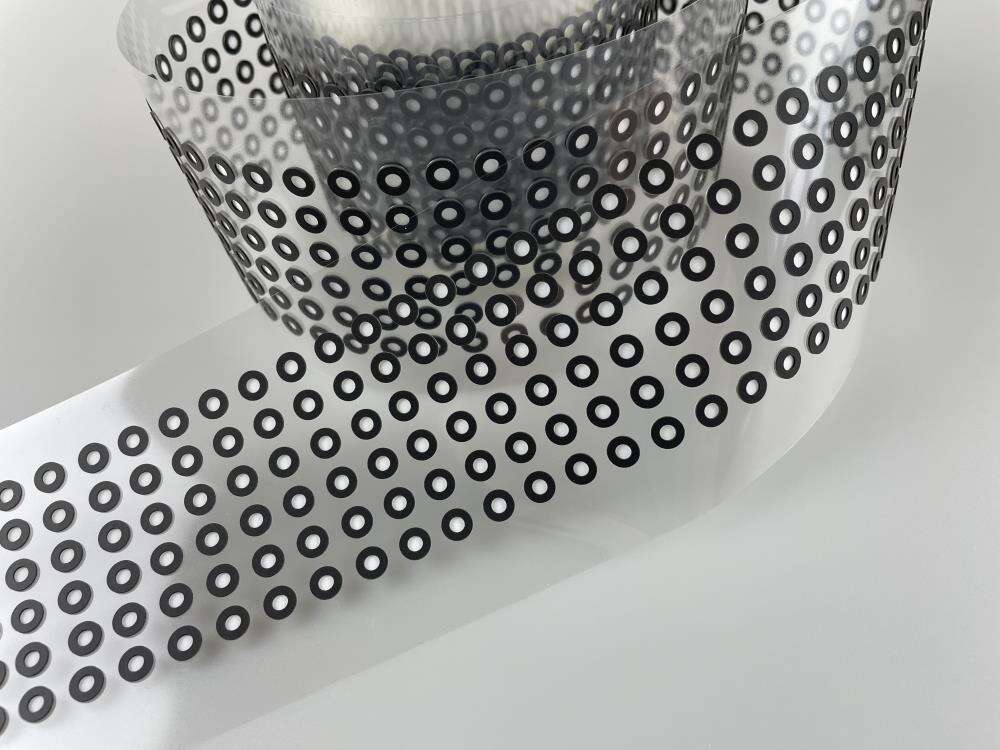
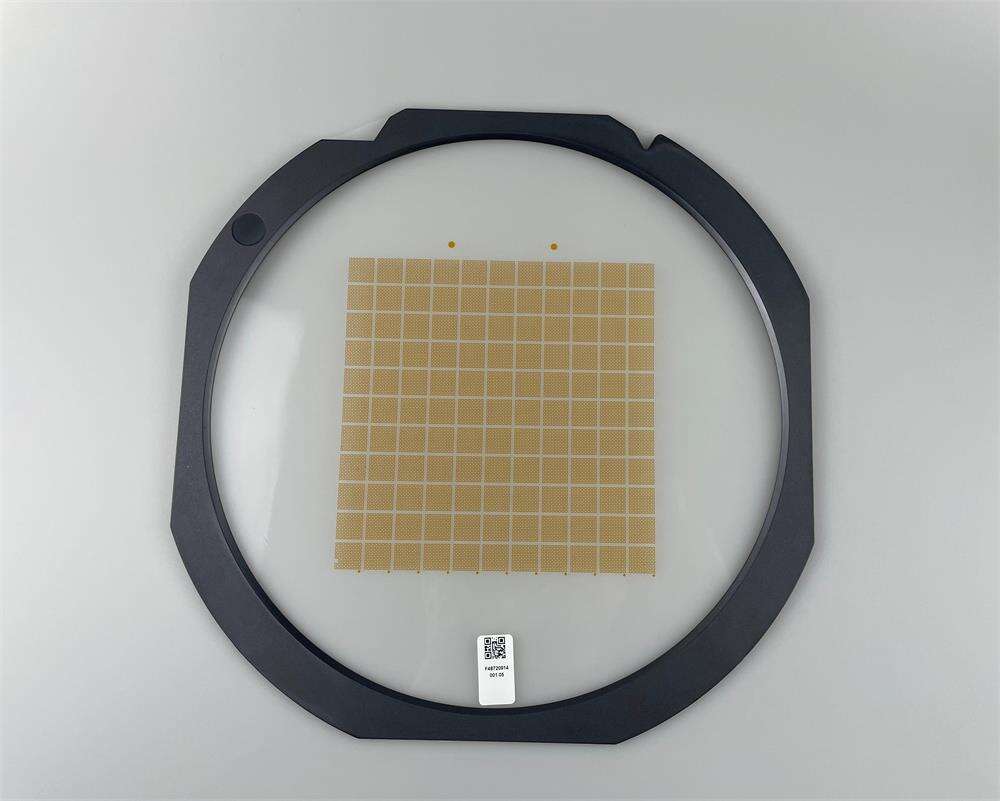
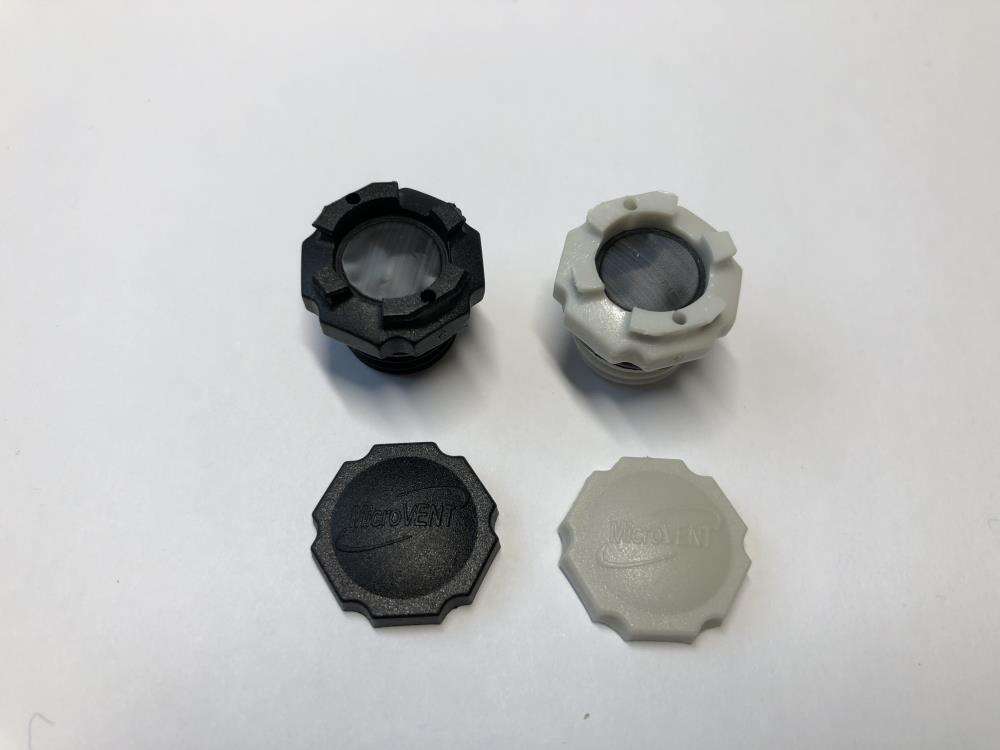
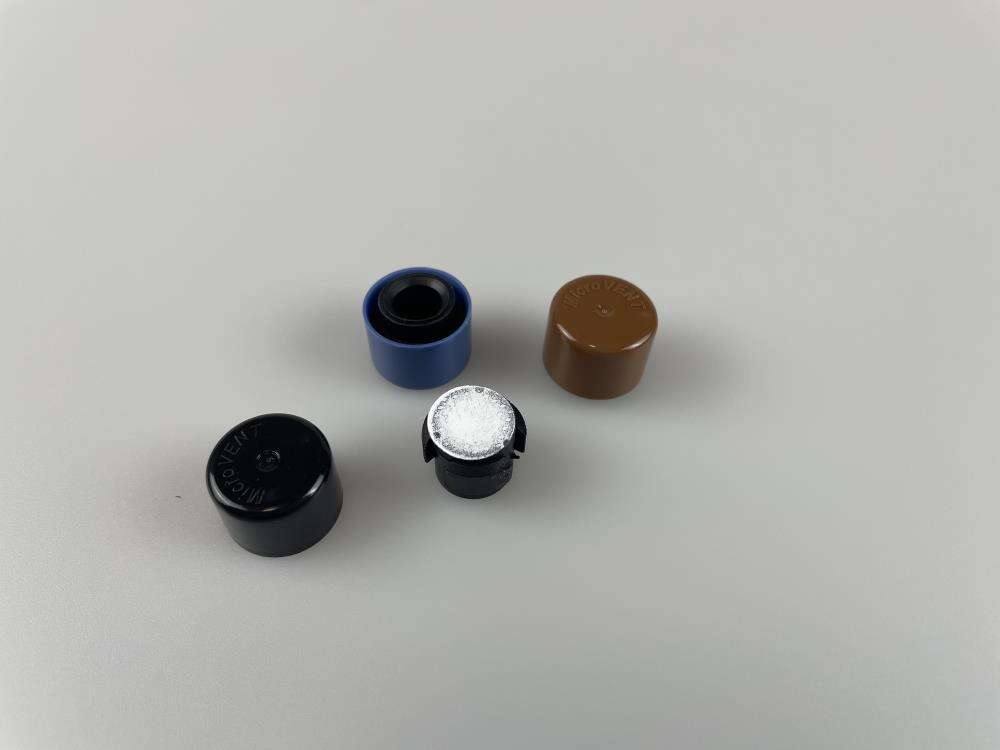
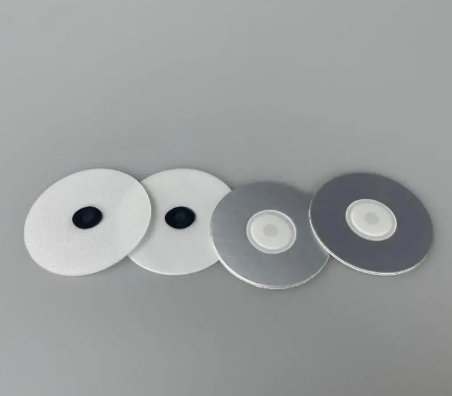
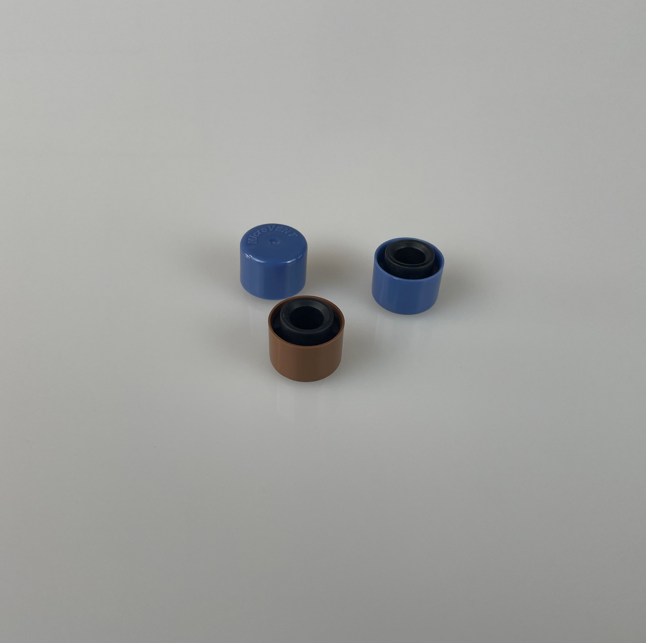
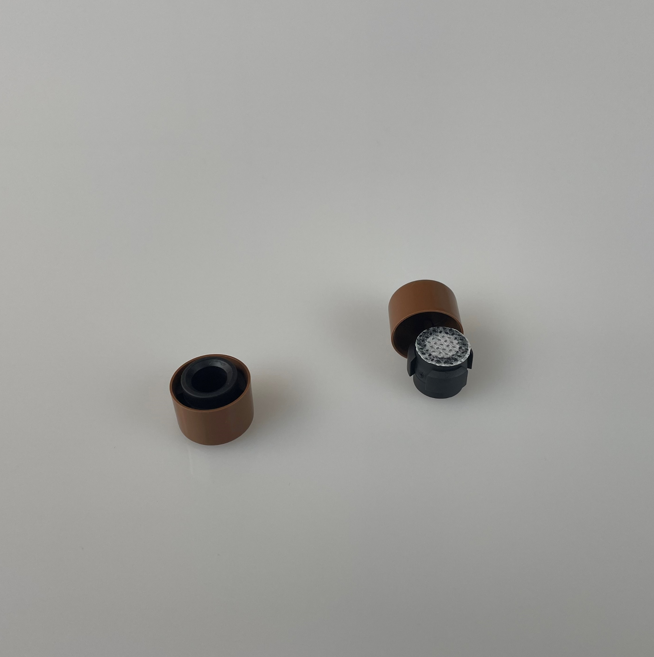
The protective vent plug represents a critical component in modern industrial and electronic applications, serving as an essential barrier between sensitive equipment and harsh environmental conditions. This innovative device combines advanced filtration technology with robust engineering to create a reliable solution for pressure equalization while maintaining superior protection against contaminants. The protective vent plug operates on the fundamental principle of selective permeability, allowing air and gases to pass through while blocking liquids, dust, and other harmful particles. This dual functionality makes it indispensable for applications requiring both atmospheric pressure balance and environmental protection. The core structure of a protective vent plug typically consists of a durable housing material, often manufactured from high-grade plastics or metals, containing specialized membrane technology. The membrane material exhibits hydrophobic properties, meaning it repels water while remaining permeable to air molecules. This unique characteristic enables the protective vent plug to maintain consistent internal pressure levels without compromising the integrity of sealed enclosures. Technologically, these devices incorporate microporous membranes with precisely controlled pore sizes, typically ranging from 0.1 to 20 micrometers. This specification ensures optimal balance between breathability and protection. Modern protective vent plug designs often feature multi-layer construction, combining different membrane types to enhance performance across various environmental challenges. Applications for protective vent plugs span numerous industries, including automotive electronics, outdoor lighting systems, telecommunications equipment, and industrial control panels. In automotive applications, these plugs prevent moisture accumulation in headlight assemblies while allowing thermal expansion compensation. Telecommunications equipment benefits from protective vent plug installation by maintaining optimal internal conditions without risking water ingress during extreme weather conditions. Industrial control systems rely on these devices to prevent condensation formation while ensuring pressure equilibrium during temperature fluctuations.

New Products

The protective vent plug delivers substantial advantages that directly translate into cost savings, improved reliability, and enhanced operational efficiency for businesses across multiple industries. Equipment longevity increases significantly when protective vent plugs are properly installed, as they prevent moisture-related damage that typically leads to premature component failure. This protection extends the operational lifespan of electronic devices, reducing replacement costs and minimizing downtime associated with equipment failures. Temperature management becomes more effective with protective vent plug implementation, as these devices facilitate controlled air exchange that prevents dangerous pressure buildup during thermal cycling. This capability proves particularly valuable in applications where equipment generates heat or experiences significant temperature variations throughout operational cycles. The protective vent plug eliminates the need for complex ventilation systems in many applications, providing a simple yet effective solution for pressure equalization. Maintenance requirements decrease substantially when protective vent plugs are utilized, as they reduce the frequency of cleaning and servicing required for sensitive equipment exposed to dusty or humid environments. This reduction in maintenance translates to lower operational costs and improved productivity for businesses. Regulatory compliance becomes easier to achieve with protective vent plug installation, as many industry standards require specific levels of environmental protection for electronic equipment. These devices help organizations meet IP rating requirements without compromising functionality or adding excessive complexity to product designs. Installation versatility represents another significant advantage, as protective vent plugs can be integrated into existing designs or retrofitted to improve the performance of current systems. The compact size and straightforward mounting requirements make implementation feasible across diverse applications without requiring extensive modifications. Performance consistency remains reliable across varying environmental conditions, ensuring that protective vent plug benefits persist regardless of operating environment challenges. Energy efficiency improvements result from reduced need for active ventilation systems, as the passive operation of protective vent plugs eliminates power consumption typically associated with fans or other mechanical ventilation components. Quality assurance becomes more manageable when protective vent plugs are incorporated into product designs, as they provide predictable protection levels that can be validated through standardized testing procedures.

Tips And Tricks

How Does a Vent PE Liner Improve Packaging Performance?

21

May

How Does a Vent PE Liner Improve Packaging Performance?

Understanding the Role of Vent PE Liners in Packaging What Are Vent PE Liners? Vent PE Liner Incorporates a unique form of packaging to improve performance by allowing reverse gas exchange but keeping out contaminants. They are unlike older lin...
View More
What Are the Benefits of Using MicroVent®️ ePTFE Membranes in Medical Devices?

25

Jun

What Are the Benefits of Using MicroVent®️ ePTFE Membranes in Medical Devices?

Unique Properties of ePTFE Membranes in Medical Technology Microporous Structure for Selective Permeability The distinctive microporous of ePTFE membranes allows for selective permeable , it permeates gases only and is resistant to liquid conta...
View More
How durable is MicroVent®️ ePTFE membrane in extreme environments?

25

Jun

How durable is MicroVent®️ ePTFE membrane in extreme environments?

Chemical Resistance in Corrosive Environments Resistance to Acids, Bases, and Industrial Solvents The outstanding chemical resistance of ePTFE membranes make them ideal for use in even the most caustic environments. They are stable against&ensp...
View More
What is MicroVent®️ ePTFE membrane, and what are its uses?

25

Jun

What is MicroVent®️ ePTFE membrane, and what are its uses?

Understanding MicroVent® ePTFE Membrane Technology Material Composition and Microporous Structure MicroVent® ePTFE membranes are renowned for their highly distinctive microporous structure, which plays a crucial role in their functionality. ...
View More

Get a Free Quote

Our representative will contact you soon.
Email
Name
Company Name
Message
0/1000

protective vent plug

Advanced Membrane Technology for Superior Environmental Protection

Advanced Membrane Technology for Superior Environmental Protection

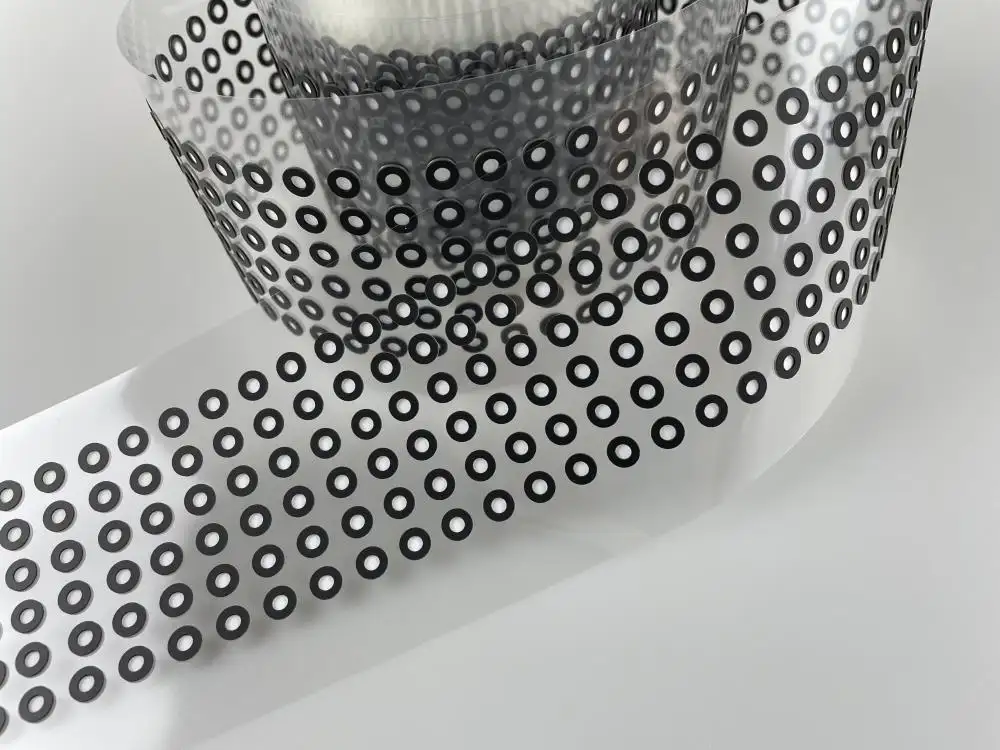
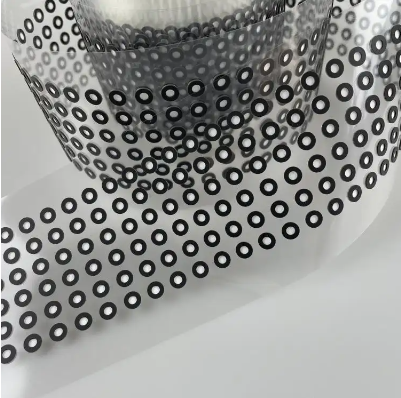
The protective vent plug incorporates cutting-edge membrane technology that sets new standards for environmental protection in industrial applications. This advanced system utilizes specially engineered microporous membranes that demonstrate remarkable selectivity in allowing beneficial air exchange while blocking harmful contaminants. The membrane structure consists of interconnected pathways with precisely controlled dimensions, typically measuring between 0.1 and 20 micrometers in diameter. This specification ensures optimal performance across diverse environmental challenges while maintaining consistent breathability characteristics. The hydrophobic properties of the membrane material create an effective barrier against liquid penetration, including water, oils, and other potentially damaging fluids. When water droplets contact the membrane surface, they form beads that roll away rather than penetrating the material structure. This phenomenon occurs due to the low surface energy characteristics engineered into the membrane composition. Simultaneously, air molecules pass freely through the membrane structure, enabling effective pressure equalization that prevents dangerous pressure differentials from developing within sealed enclosures. The multi-layer construction employed in premium protective vent plug designs combines different membrane types to enhance overall performance capabilities. Primary layers focus on particle filtration, removing dust, pollen, and other airborne contaminants that could compromise sensitive electronic components. Secondary layers provide additional water resistance while maintaining optimal breathability levels. Tertiary layers offer chemical resistance against aggressive environmental conditions, including exposure to cleaning solvents, automotive fluids, and industrial chemicals. Temperature stability represents another critical aspect of advanced membrane technology, with materials selected to maintain consistent performance across extreme temperature ranges. This capability ensures that the protective vent plug continues functioning effectively whether installed in arctic conditions or high-temperature industrial environments. The membrane technology also demonstrates excellent aging characteristics, maintaining performance levels throughout extended service periods without significant degradation in filtration efficiency or breathability.
Pressure Equalization Excellence for Equipment Reliability

Pressure Equalization Excellence for Equipment Reliability

The protective vent plug delivers exceptional pressure equalization capabilities that directly enhance equipment reliability and operational longevity across demanding applications. This critical function prevents the formation of pressure differentials that can compromise seal integrity, cause component stress, and lead to premature equipment failure. The pressure equalization process operates continuously, responding automatically to environmental changes without requiring external power or control systems. Temperature fluctuations represent one of the primary challenges addressed by protective vent plug pressure equalization features. As equipment heats up during operation, internal air expands, creating positive pressure that could damage seals or cause housing deformation. The protective vent plug allows controlled air release, preventing dangerous pressure buildup while maintaining environmental protection. Conversely, when equipment cools down, the protective vent plug permits controlled air intake, preventing vacuum conditions that could cause seal failure or structural damage. Altitude changes present additional challenges that protective vent plug technology effectively manages. Equipment transported between different elevations experiences significant atmospheric pressure variations that can stress sealed enclosures. The protective vent plug automatically compensates for these pressure differences, ensuring consistent internal conditions regardless of altitude changes. This capability proves particularly valuable for portable equipment, automotive applications, and aerospace systems where altitude variations are common. Rapid pressure changes, such as those experienced during shipping or storage, are efficiently managed through the responsive nature of protective vent plug design. The device permits rapid pressure equalization when necessary while maintaining filtration effectiveness throughout the process. This dual capability ensures that equipment remains protected during handling and transportation while maintaining optimal internal conditions. Long-term pressure stability benefits equipment performance by preventing the gradual accumulation of pressure differentials that can cause chronic stress on components and sealing systems. The protective vent plug maintains consistent internal atmospheric conditions, reducing component fatigue and extending operational lifespan. Manufacturing tolerances remain stable when pressure differentials are eliminated, ensuring that precision equipment maintains accuracy throughout its service life.
Versatile Installation Options for Diverse Applications

Versatile Installation Options for Diverse Applications

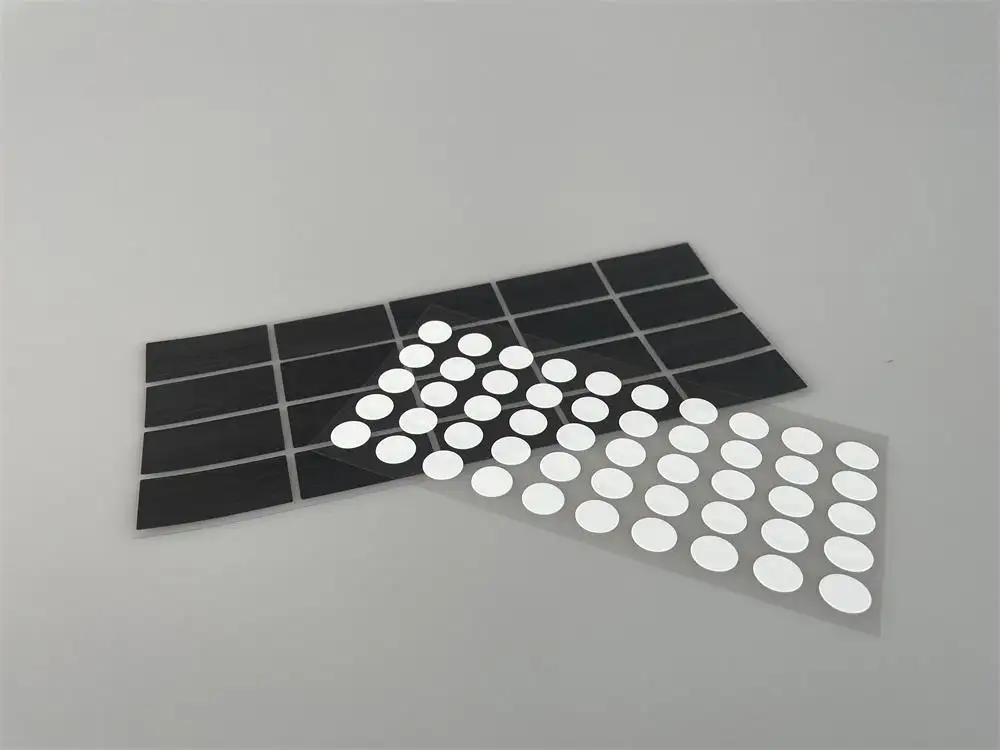
The protective vent plug offers remarkable installation versatility that accommodates diverse application requirements across multiple industries and equipment types. This adaptability stems from comprehensive design options that include various housing materials, mounting configurations, and size specifications tailored to specific operational demands. Thread options range from standard metric and imperial specifications to custom configurations designed for specialized applications. This flexibility enables seamless integration into existing equipment designs without requiring extensive modifications or custom tooling. The protective vent plug can be installed in vertical, horizontal, or angled orientations while maintaining full performance capabilities, providing designers with maximum flexibility in equipment layout and configuration. Housing materials selection includes engineered plastics, stainless steel, aluminum, and specialized alloys designed to withstand specific environmental challenges. Plastic housings offer excellent chemical resistance and cost-effectiveness for standard applications, while metal housings provide enhanced durability and temperature resistance for extreme environments. The material selection process considers factors including chemical compatibility, temperature range, pressure requirements, and aesthetic preferences to ensure optimal performance in each application. Size variations accommodate space-constrained installations while maintaining effective filtration and pressure equalization capabilities. Miniature protective vent plug designs enable integration into compact electronic devices, while larger configurations provide enhanced flow capacity for applications requiring rapid pressure equalization. Custom sizing options ensure that protective vent plug installations optimize available space while delivering required performance levels. Retrofit applications benefit significantly from protective vent plug versatility, as existing equipment can be upgraded with minimal modification requirements. Standard hole sizes accommodate most retrofit scenarios, while custom configurations address unique installation challenges. The retrofitting process typically requires only basic tools and can be completed without specialized training or equipment. Mounting options include threaded installations, press-fit configurations, and adhesive mounting systems designed to meet specific application requirements. Threaded installations provide secure, removable mounting suitable for maintenance access, while press-fit options offer streamlined installation in high-volume manufacturing environments. Adhesive mounting systems accommodate applications where traditional mechanical fastening methods are not feasible, providing reliable attachment while maintaining full protective vent plug functionality throughout the equipment service life.

Get a Free Quote

Our representative will contact you soon.
Email
Name
Company Name
Message
0/1000