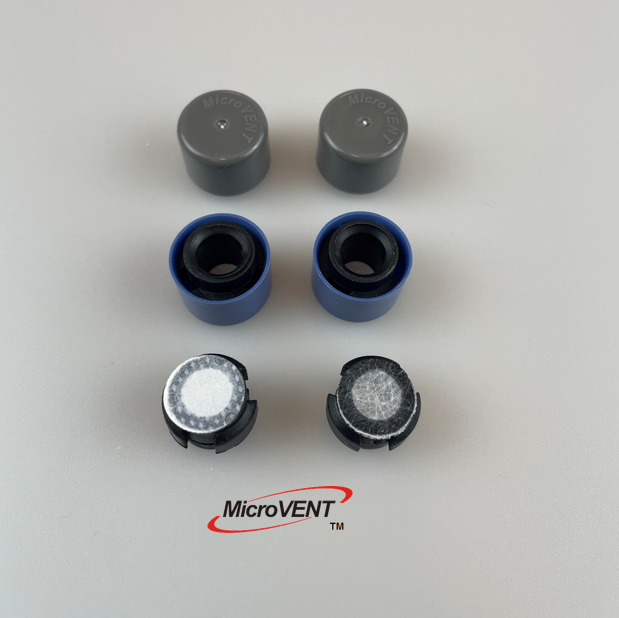
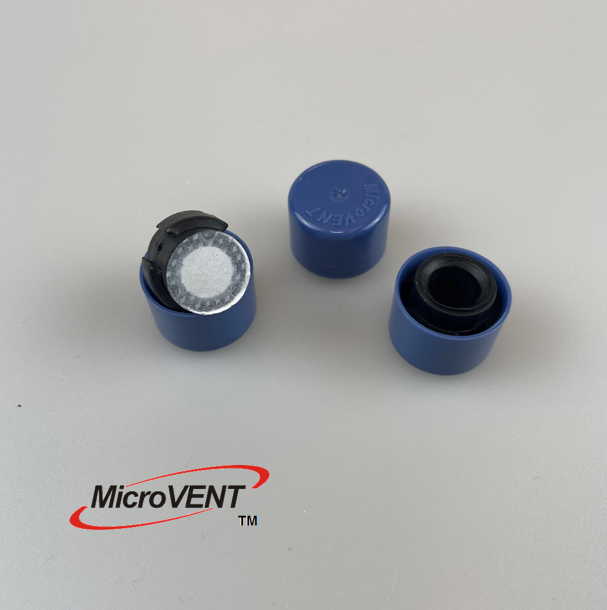
breathable plug
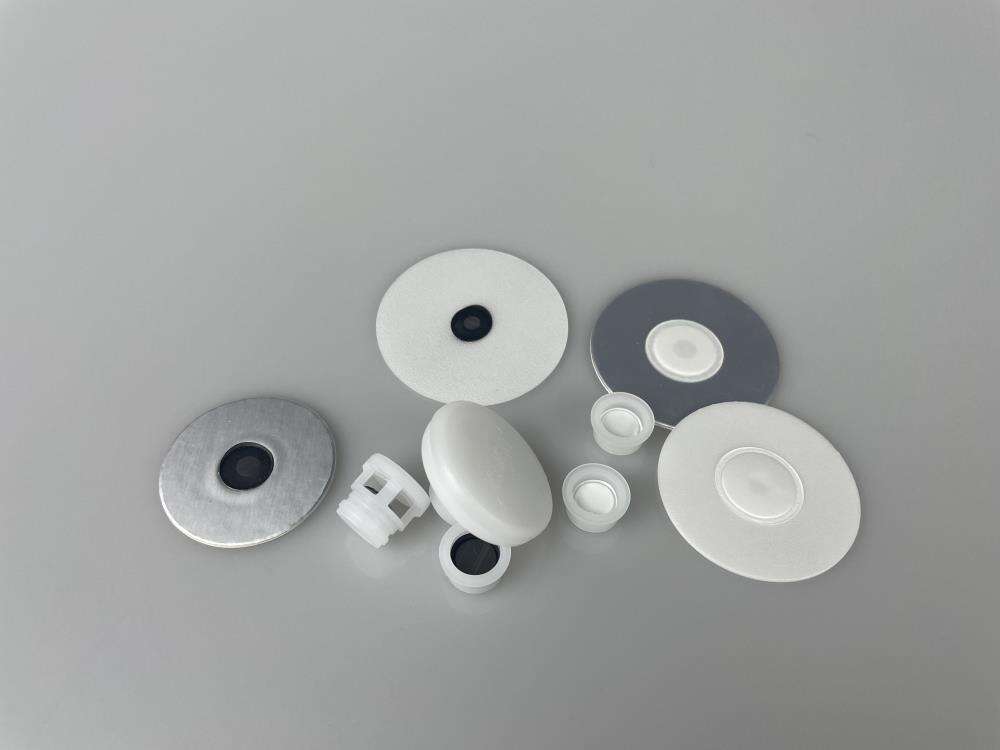
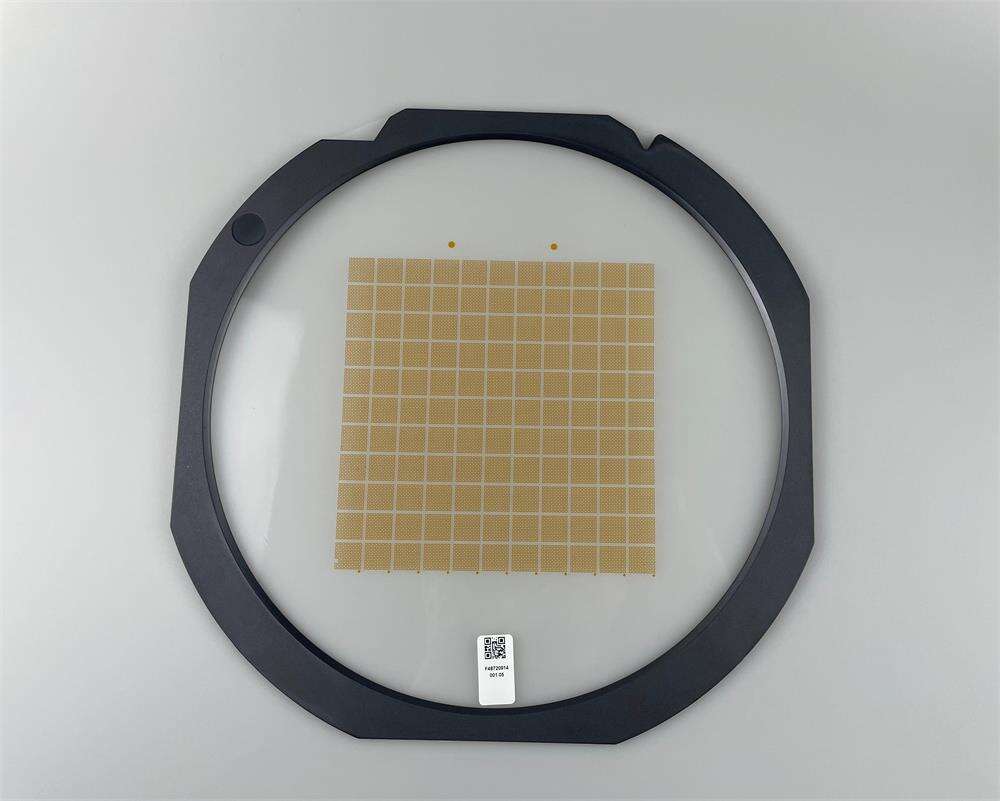
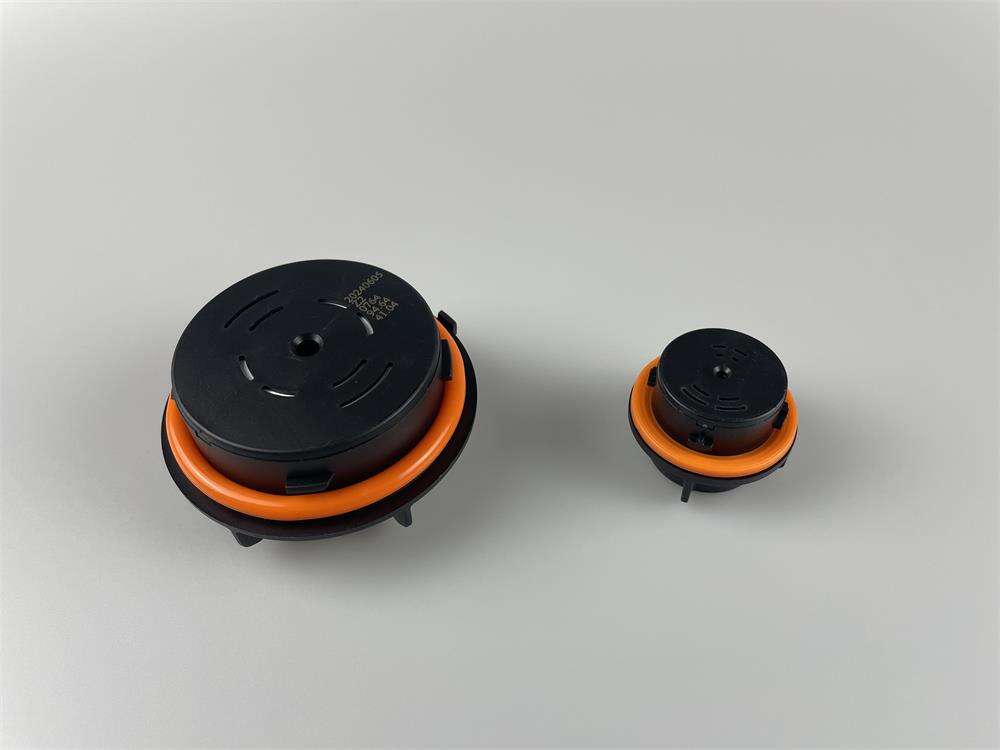
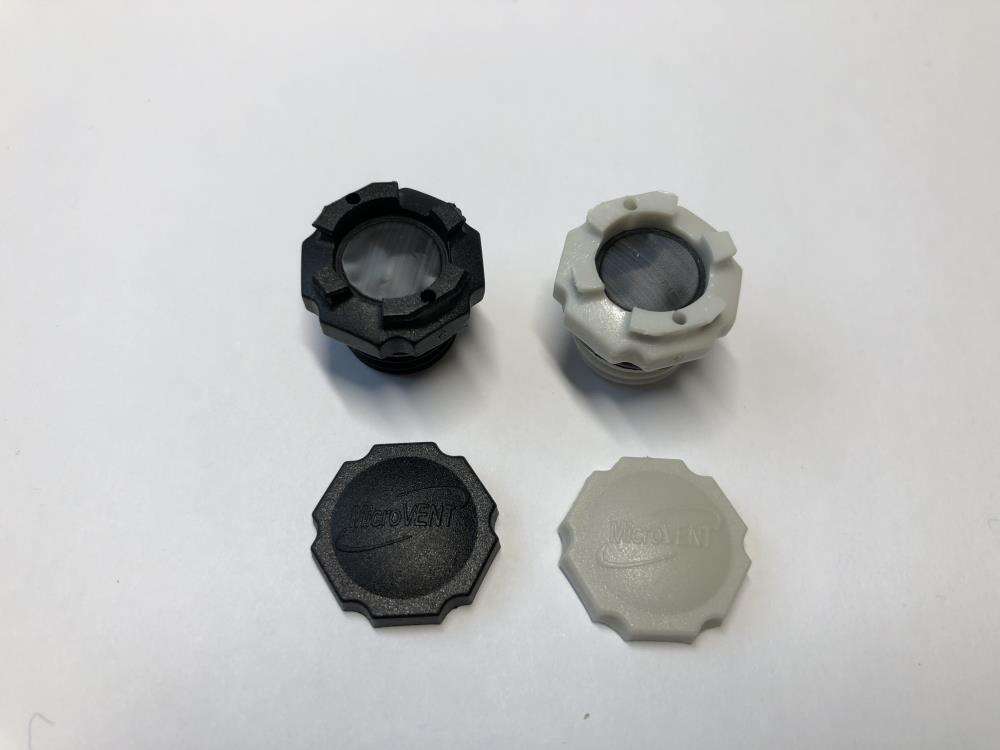
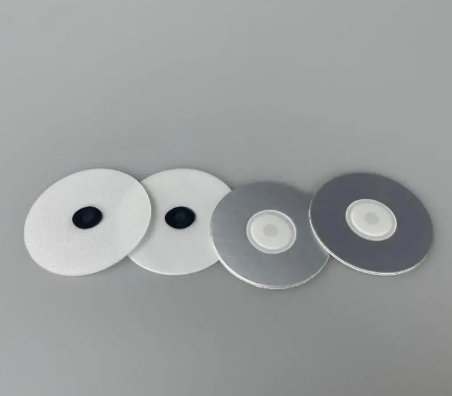
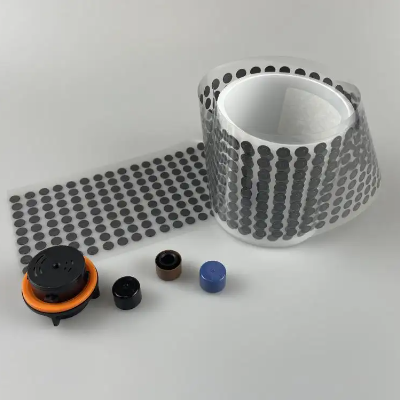
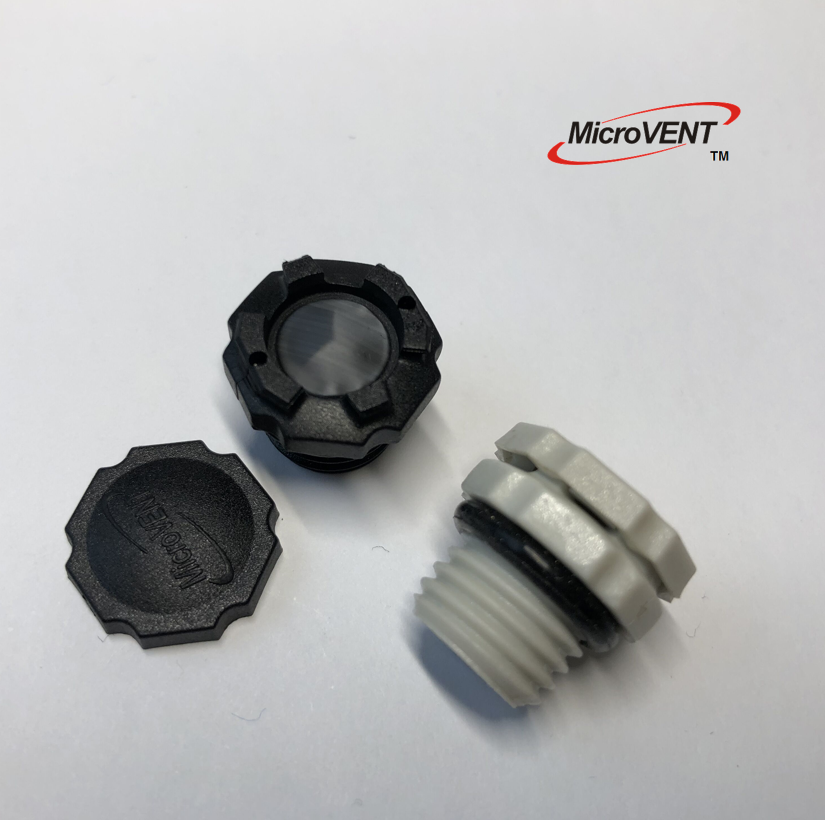
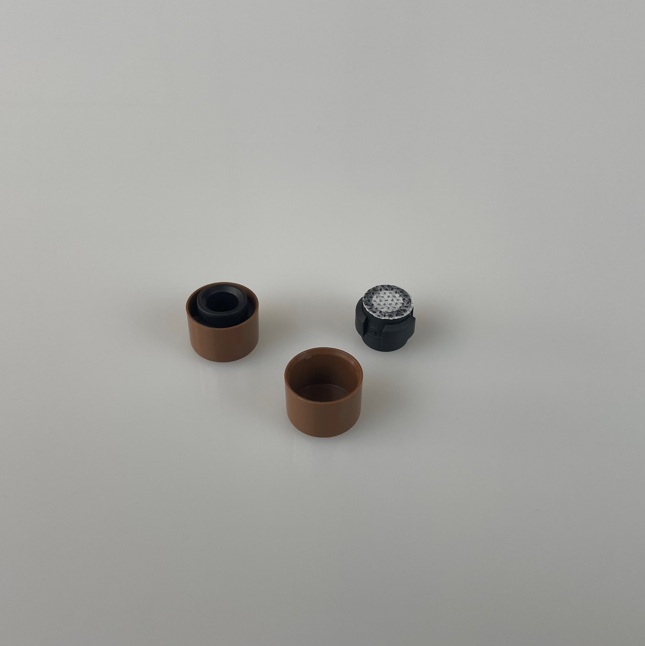
A breathable plug represents an innovative solution designed to maintain optimal pressure equilibrium while preventing contamination in various industrial and consumer applications. This specialized component combines advanced materials engineering with precision manufacturing to create a barrier that allows controlled air exchange while blocking harmful substances from entering sealed systems. The breathable plug operates on the principle of selective permeability, utilizing microporous membrane technology that permits gas molecules to pass through while restricting larger particles, liquids, and contaminants. The core functionality centers around maintaining atmospheric pressure balance within enclosed spaces, preventing vacuum formation or excessive pressure buildup that could compromise system integrity. Modern breathable plug designs incorporate hydrophobic and oleophobic properties, ensuring resistance to both water and oil-based substances while maintaining consistent airflow characteristics. The technological foundation relies on carefully engineered pore structures that create tortuous pathways for air movement, effectively filtering out particles while allowing necessary gas exchange. These components find extensive use in automotive applications, particularly in transmission systems, differentials, and gearboxes where temperature fluctuations create pressure variations. Electronic enclosures benefit significantly from breathable plug integration, as these devices prevent moisture accumulation while maintaining internal pressure stability. Industrial machinery applications include hydraulic systems, compressors, and storage tanks where pressure regulation is critical for optimal performance. The construction typically features durable polymer housings combined with specialized membrane materials that withstand extreme temperatures, chemical exposure, and mechanical stress. Quality breathable plug designs undergo rigorous testing for flow rates, particle filtration efficiency, and long-term durability to ensure reliable performance across diverse operating conditions. Installation procedures are straightforward, requiring minimal modification to existing systems while providing immediate benefits in terms of pressure management and contamination prevention.
 EN
EN
 AR
AR
 CS
CS
 FR
FR
 DE
DE
 IT
IT
 JA
JA
 KO
KO
 PT
PT
 RU
RU
 ES
ES
 ID
ID
 VI
VI
 TH
TH
 TR
TR
 MS
MS