Start With the Enclosure
Use the ePTFE vent plug search as the start of a design review. First, describe the enclosure. State what it holds and where it will work. Note its size, wall material, opening location, and mounting direction. Then state what changes during use. Heat, altitude, operating cycles, and opening or closing can change pressure. The key issue is how the full assembly should respond.
Write down the likely exposure. An indoor device and an outdoor unit may need different reviews. The unit may face water, dust, oil, cleaning fluid, or damp air. List each exposure. Do not replace these details with a broad claim about protection. A specific ePTFE vent plug review needs specific use details.
Check the Mounting Interface
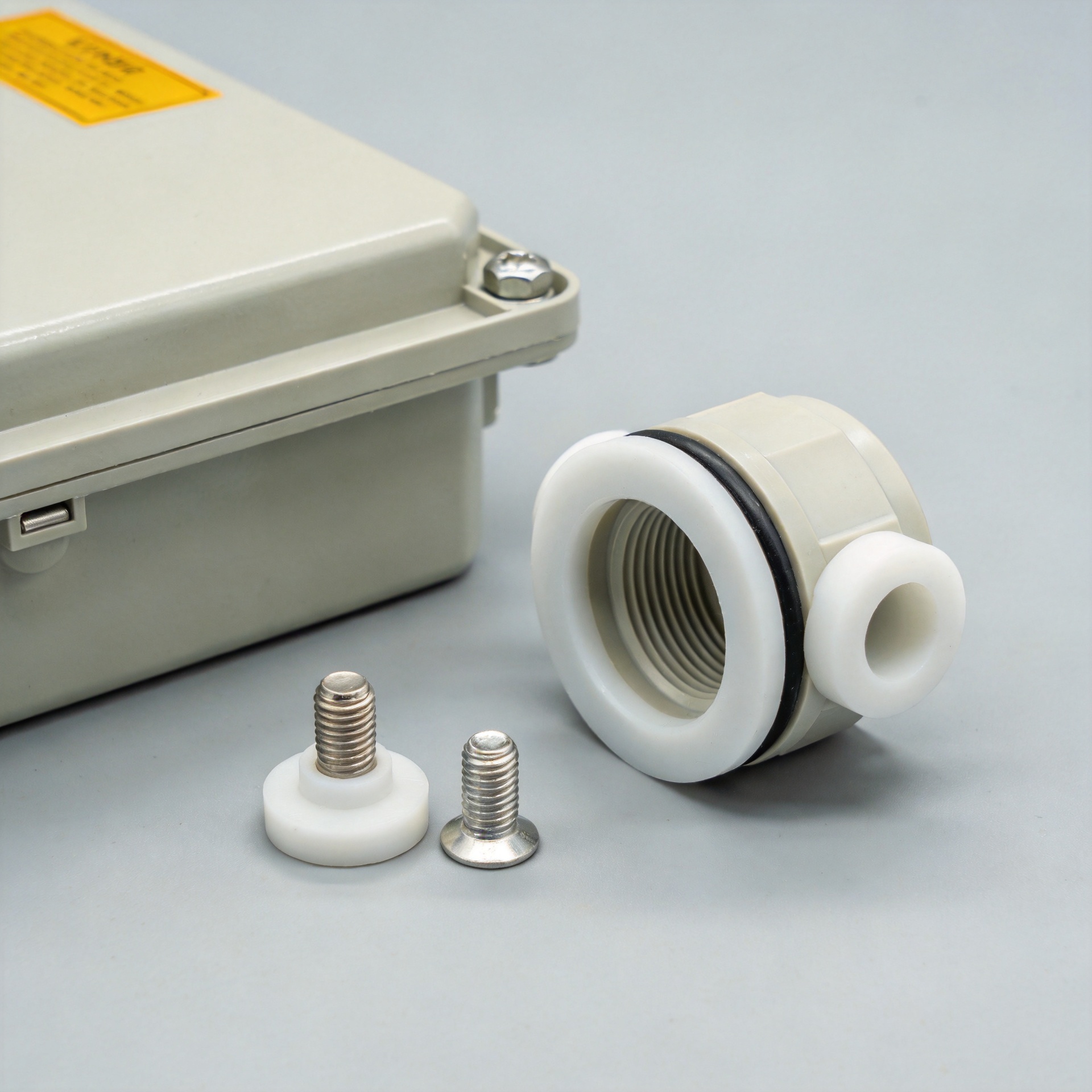
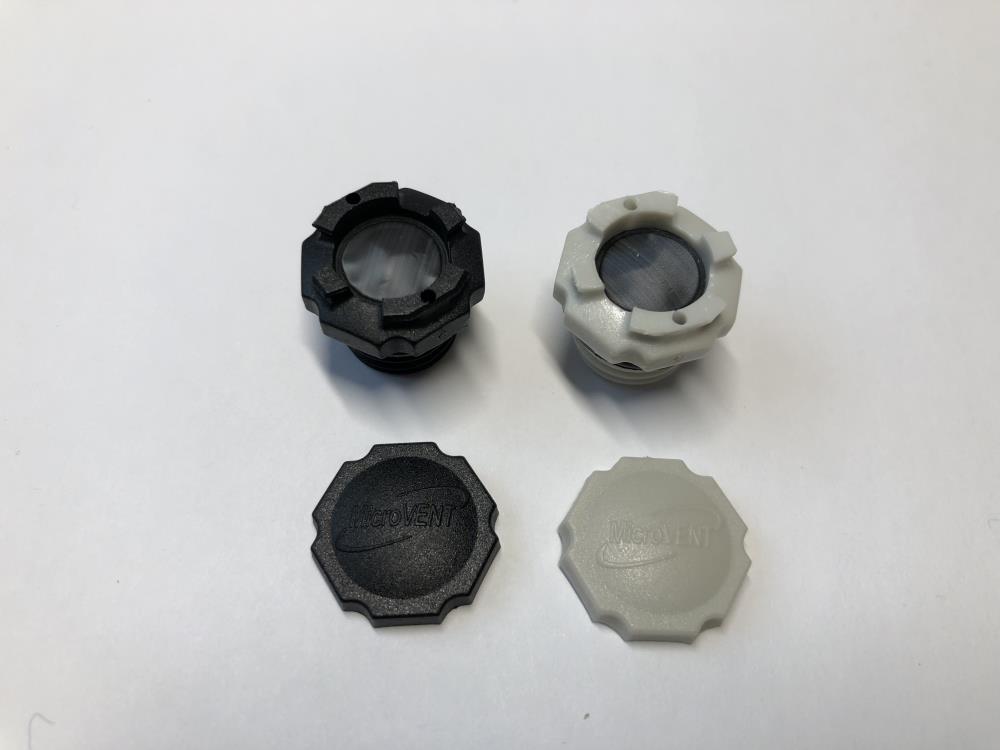
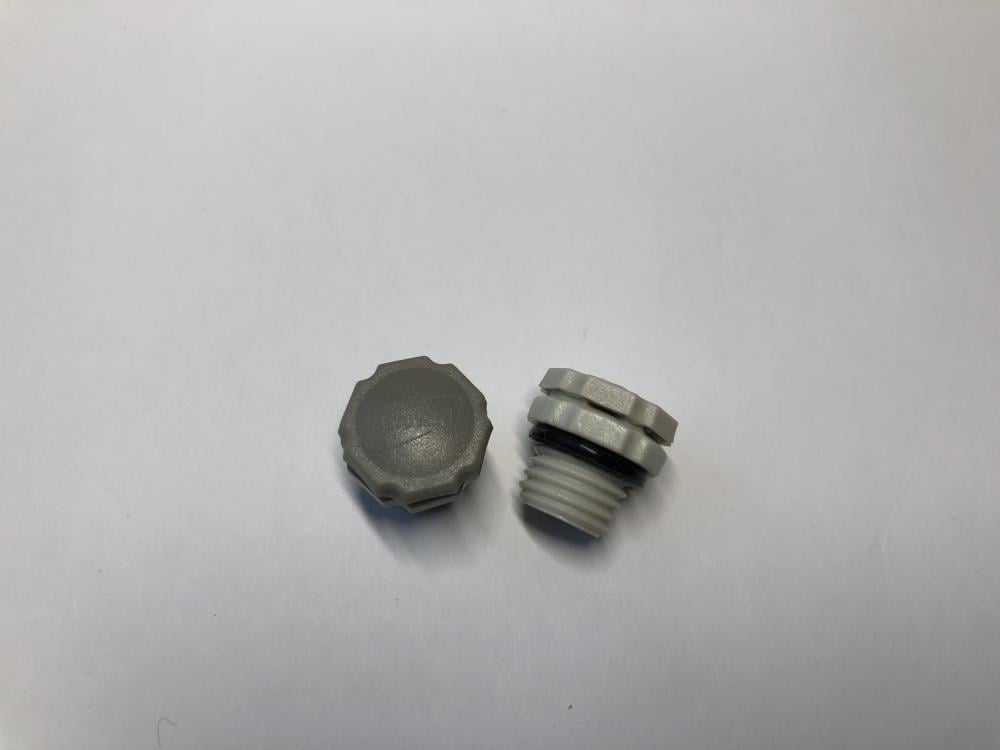
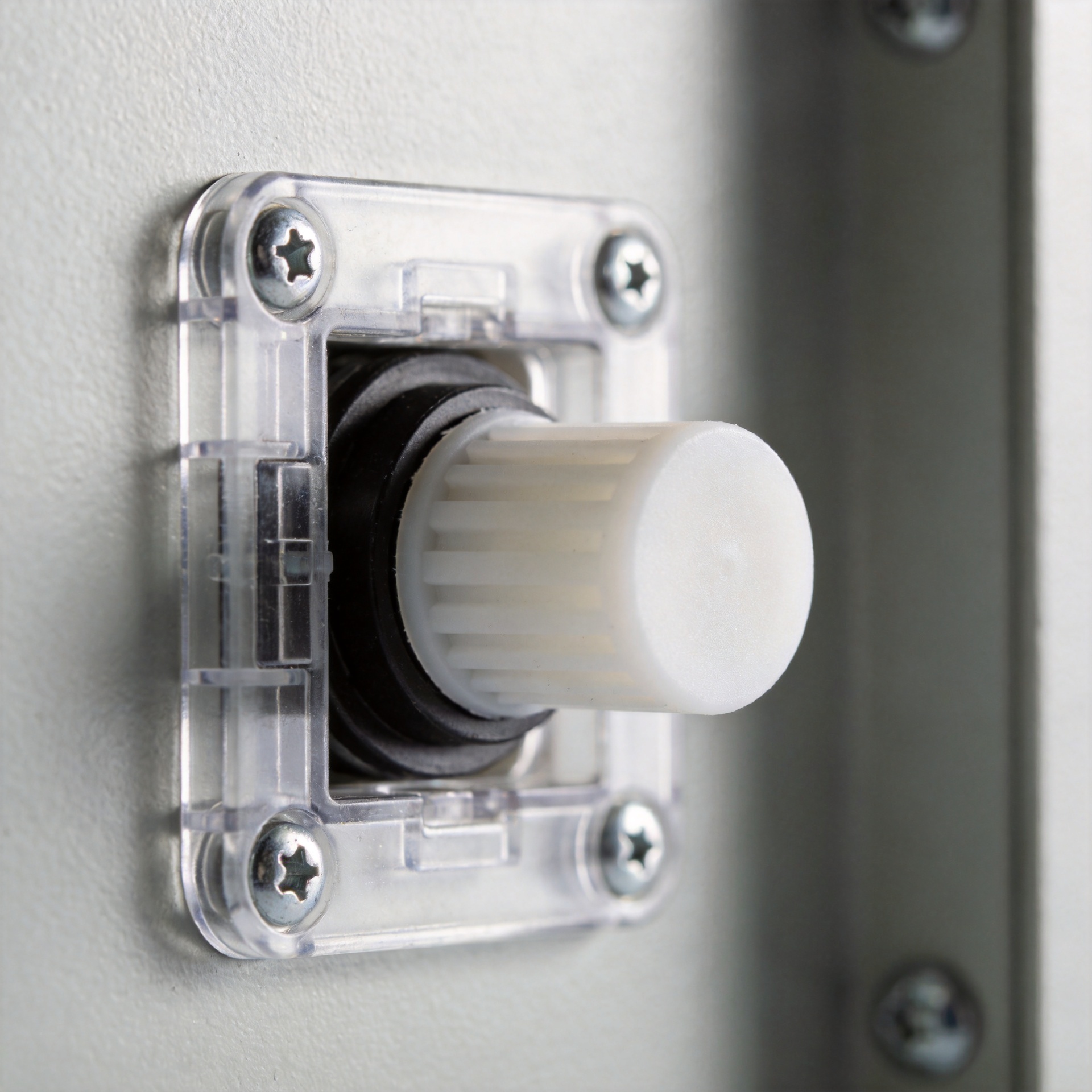
Similar names do not mean the same fitting method. The current catalog lists a vent plug, a Screw-in Vent Bolt, and a screw-in bolt. Each item needs a check against the housing. Compare the opening shape, thread or non-thread design, space around the opening, and access for assembly. The ePTFE vent plug must suit the planned interface.
- Check if the housing needs a plug-style opening or a screw-in feature.
- Review the product drawing before you release a housing detail.
- Consider how the part will be installed during assembly or service.
- Check that the location suits the enclosure and its intended use.
Mechanical fit is an early gate. A venting plan cannot fix a mounting feature that was not reviewed. This is why an ePTFE vent plug choice should include both the vent record and the housing details.
Set the Pressure Equalization Need
Pressure equalization is useful, but it is not a full product specification. Define the pressure changes that matter to the project. State when they occur and what the enclosure must do. Also list limits around the vent location. If the unit sees liquid, dust, oil, chemicals, or high humidity, describe each one. Their effect depends on the application and needs product review.
The merchant profile describes ePTFE as a porous material platform. It also refers to composite, laminated, and surface-modified membrane work. This explains why an ePTFE vent plug can be part of a venting discussion. It does not prove a flow rate, a protection level, chemical fit, or service life. Ask for current documents for the exact ePTFE vent plug record and use condition.
Verify the Product for the Project
Use a simple process. Define the operating condition. Identify the trade-off. Then state what needs a check. A project may need pressure equalization and also have tight space or exposure concerns. One need does not cancel the other. The final ePTFE vent plug decision should reflect both.
Ask for the product drawing, fitting guidance, and available technical documents. Decide which checks belong in the project plan. The right checks depend on the enclosure and its use. If a standard or test method is named, first confirm that it applies to the full assembly. A general reference is not a universal pass rule.
Send a Clear Technical Enquiry
A good enquiry helps turn an ePTFE vent plug search into a useful discussion. Include the application, enclosure layout, opening or thread detail, mounting direction, and space limits. Add expected temperature and pressure changes. List exposure concerns. Share a drawing, photo, or short assembly description when possible. State whether the project is at concept, prototype, or planning stage.
MicroVENT says it has worked with ePTFE technology since 1995 and in protective venting directions. The next step is to compare the actual project with the vent plug or screw-in record. This approach keeps the conversation based on evidence. It does not claim that an ePTFE vent plug will fit every device.
 EN
 AR
 CS
 FR
 DE
 IT
 JA
 KO
 PT
 RU
 ES
 ID
 VI
 TH
 TR
 MS