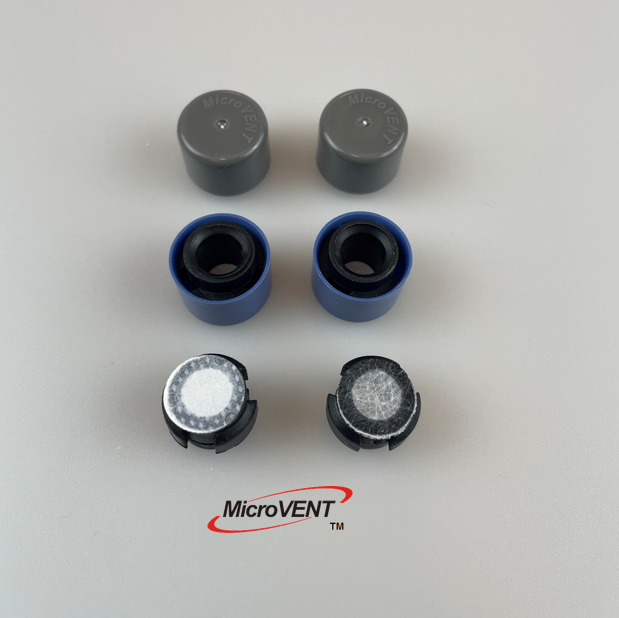
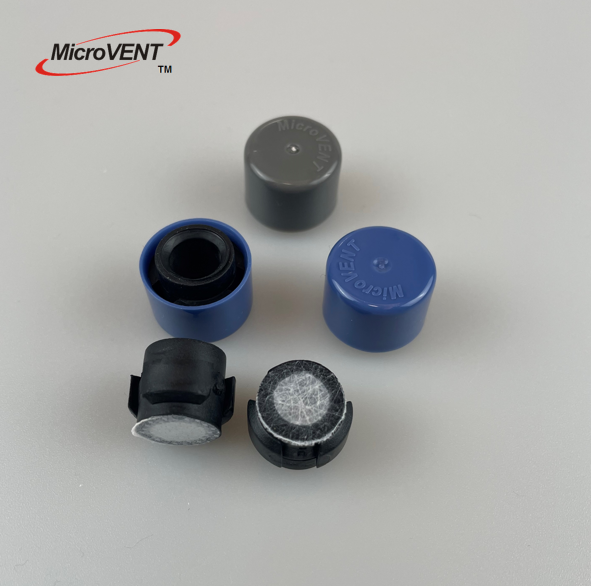
air release plug
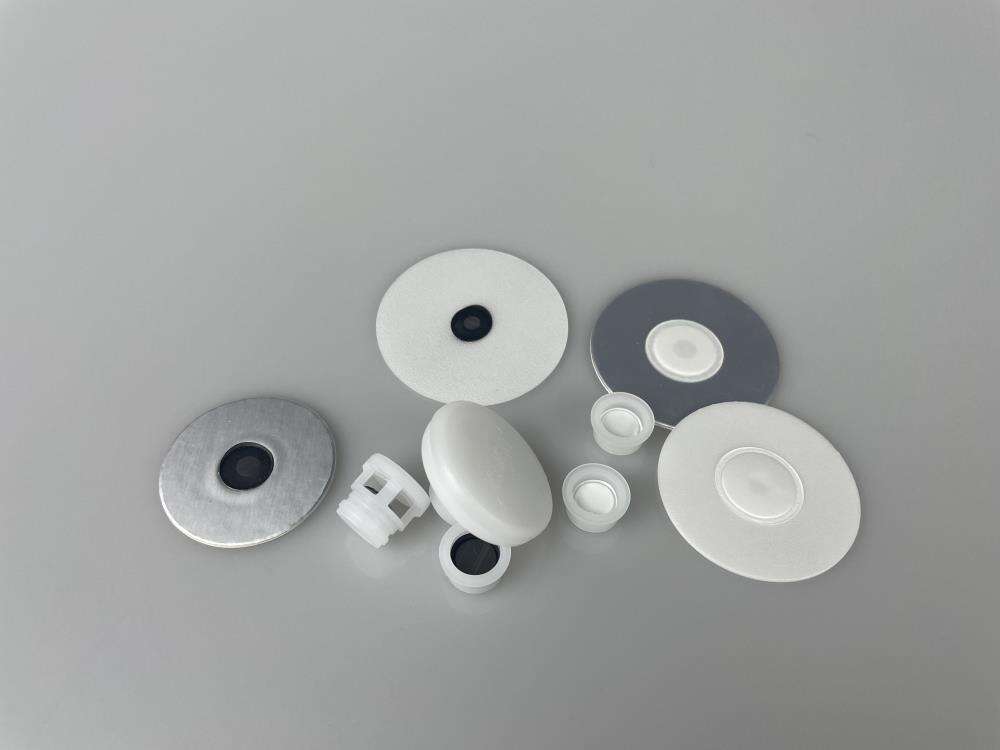
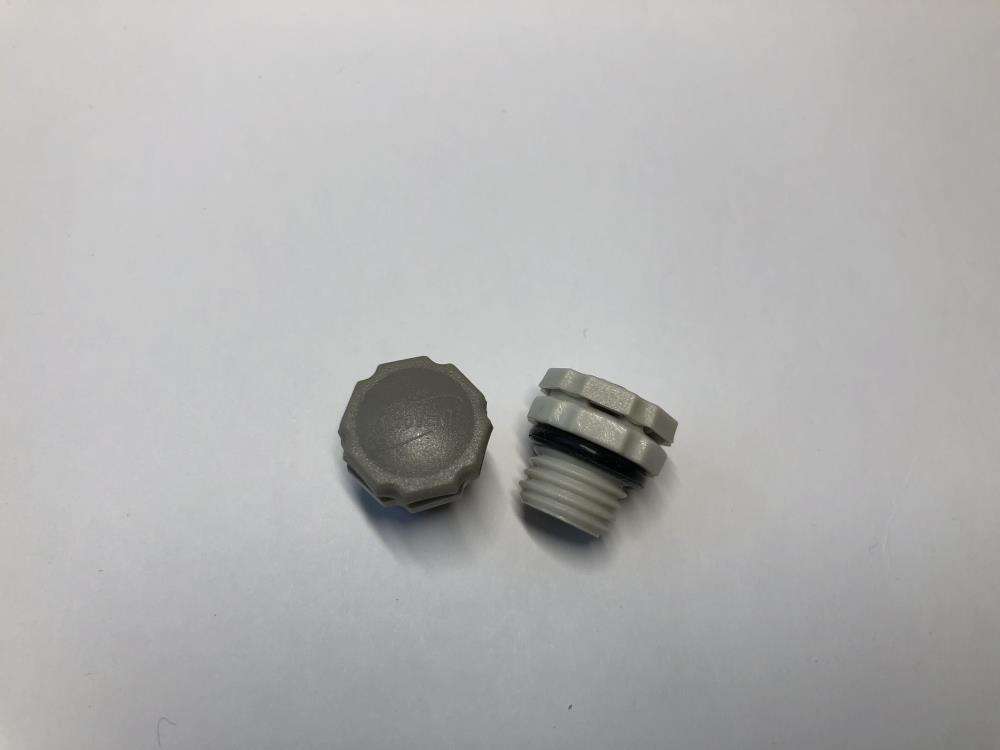
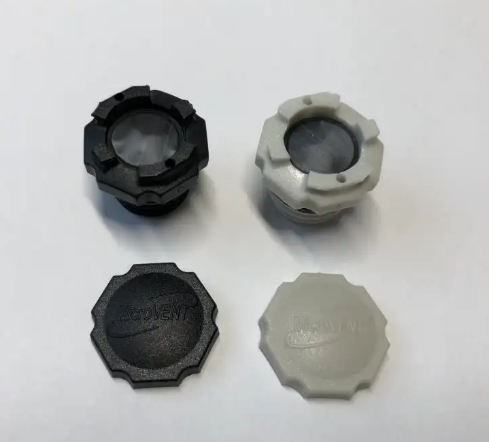
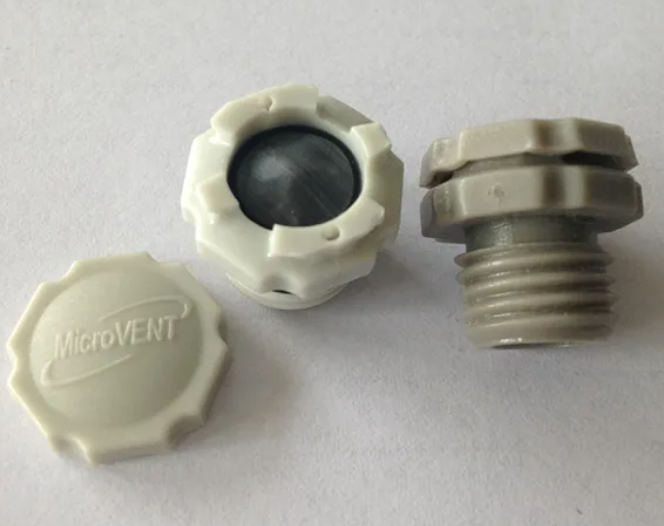
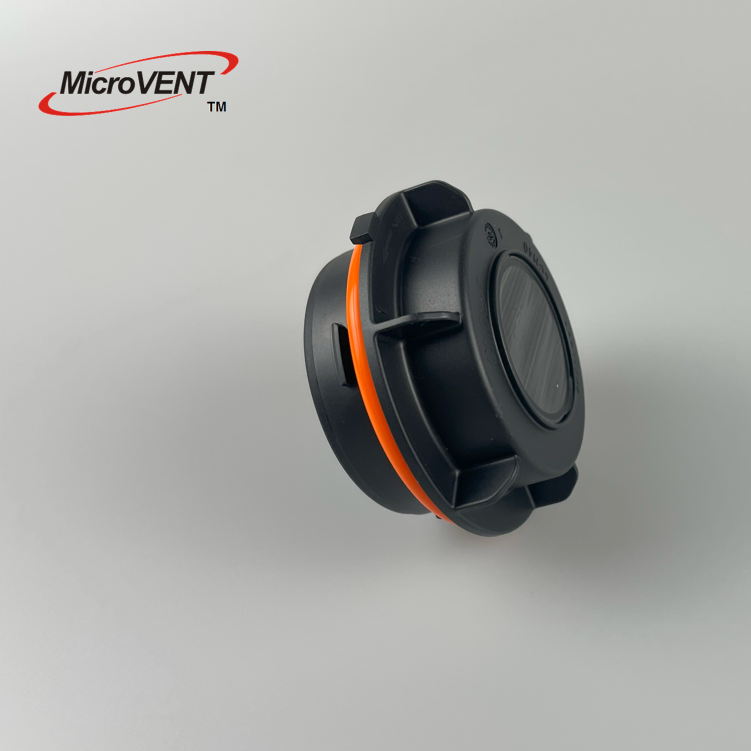
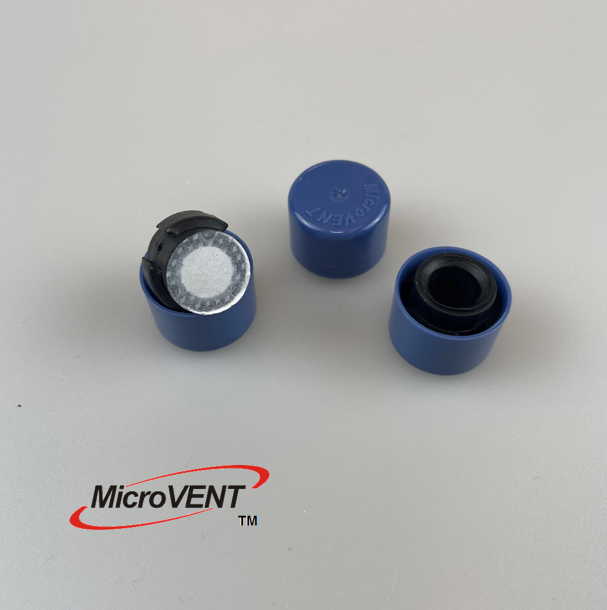
An air release plug represents a critical component in plumbing and fluid management systems, designed to eliminate trapped air bubbles that can compromise system efficiency and performance. This specialized valve operates by automatically detecting and expelling accumulated air from pipelines, tanks, and various hydraulic installations. The air release plug functions through a sophisticated mechanism that responds to air accumulation by opening a pathway for gas escape while preventing liquid loss. Modern air release plug designs incorporate advanced materials and engineering principles to ensure reliable operation across diverse environmental conditions. The device typically features a float mechanism or similar detection system that identifies when air concentrations reach problematic levels within the system. When air accumulates, the internal mechanism triggers the opening sequence, allowing trapped gases to escape through designated venting ports. The air release plug closes automatically once the air evacuation process completes, maintaining system integrity and preventing contamination. These devices find extensive applications in water distribution networks, heating systems, industrial processing equipment, and marine installations. Municipal water systems rely heavily on air release plug technology to maintain consistent pressure and flow rates throughout distribution networks. The construction industry utilizes these components in building automation systems, ensuring optimal performance of heating, ventilation, and cooling infrastructure. Manufacturing facilities incorporate air release plug solutions into their process equipment to maintain production efficiency and prevent costly downtime caused by air-related operational issues. The air release plug design varies according to specific application requirements, with options ranging from manual operation models to fully automated systems. Material selection for air release plug construction considers factors such as chemical compatibility, temperature resistance, and pressure ratings to ensure long-term reliability in demanding operational environments.
 EN
EN
 AR
AR
 CS
CS
 FR
FR
 DE
DE
 IT
IT
 JA
JA
 KO
KO
 PT
PT
 RU
RU
 ES
ES
 ID
ID
 VI
VI
 TH
TH
 TR
TR
 MS
MS