MEMS Pressure Vent for Sensor Protection

All Categories

Get a Free Quote

Our representative will contact you soon.
Email
Name
Company Name
Message
0/1000

mems pressure vent

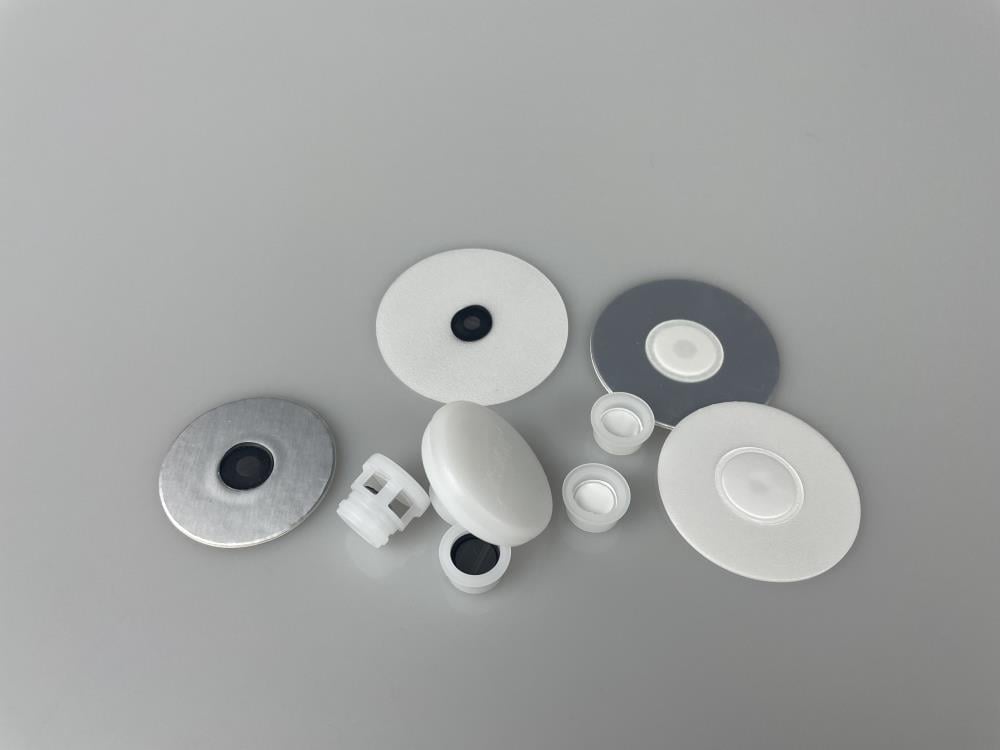
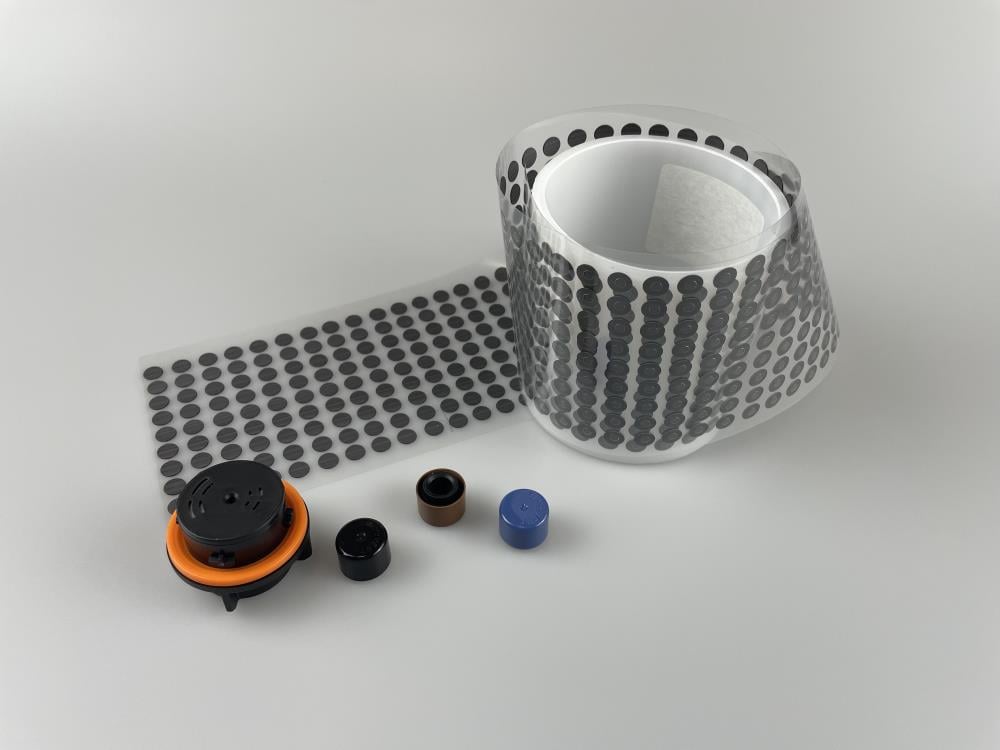
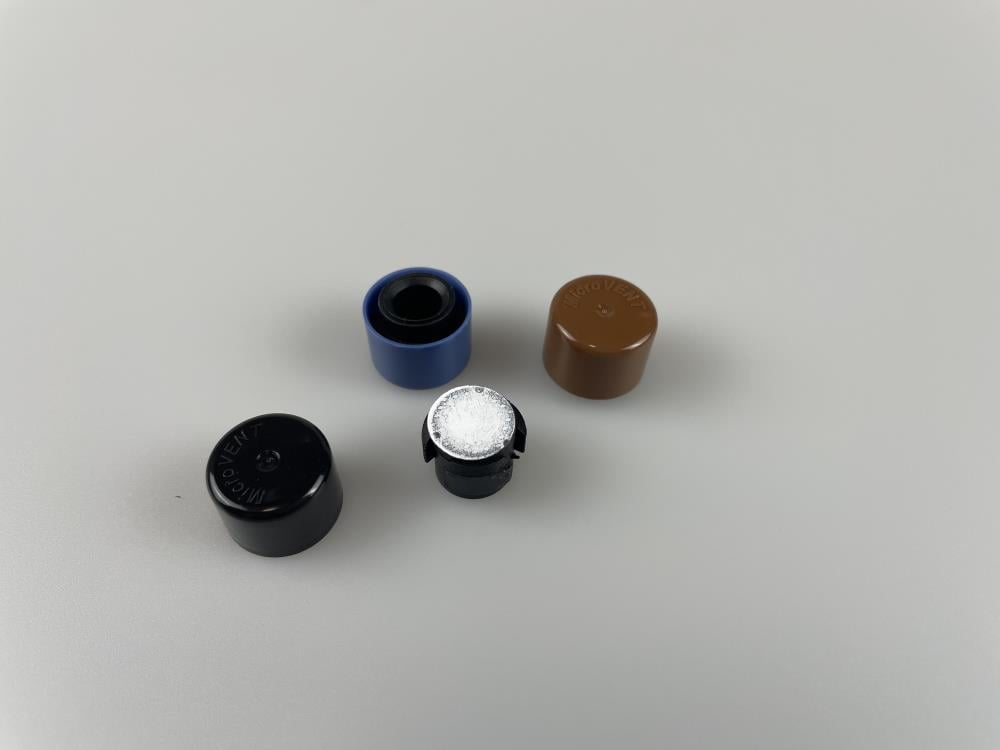
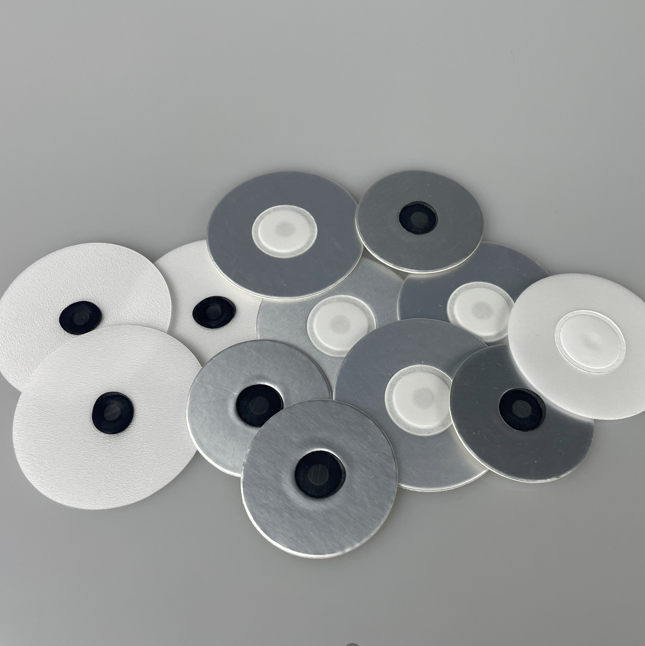
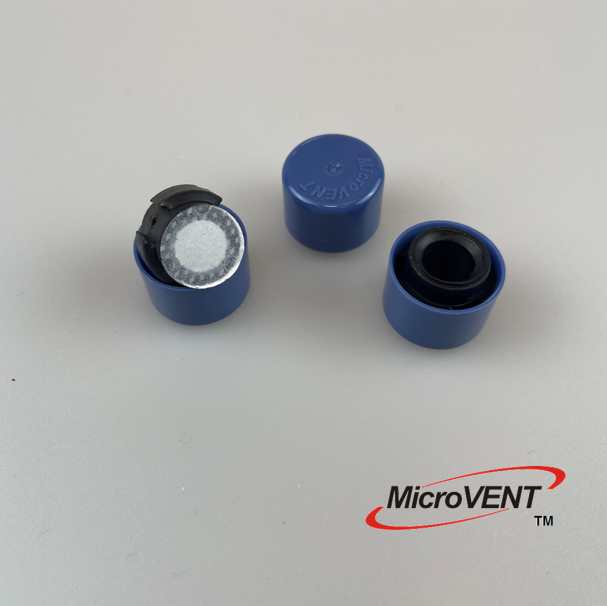
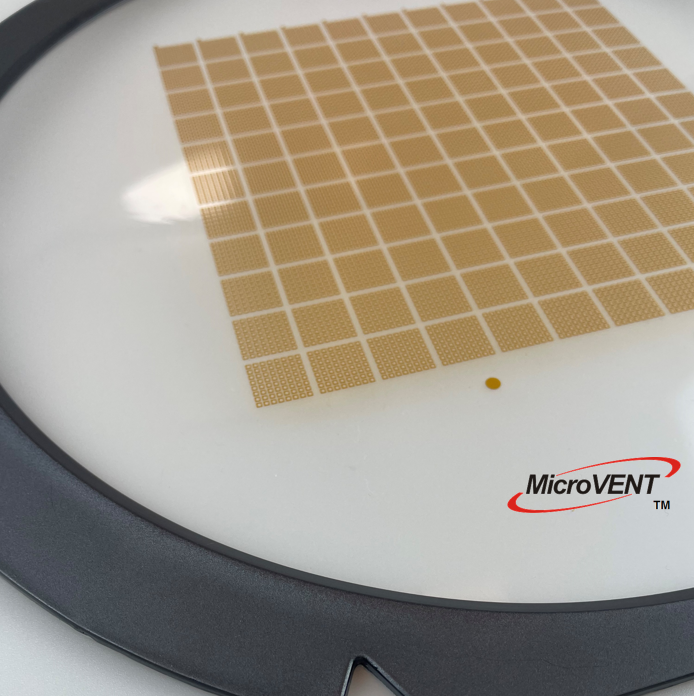
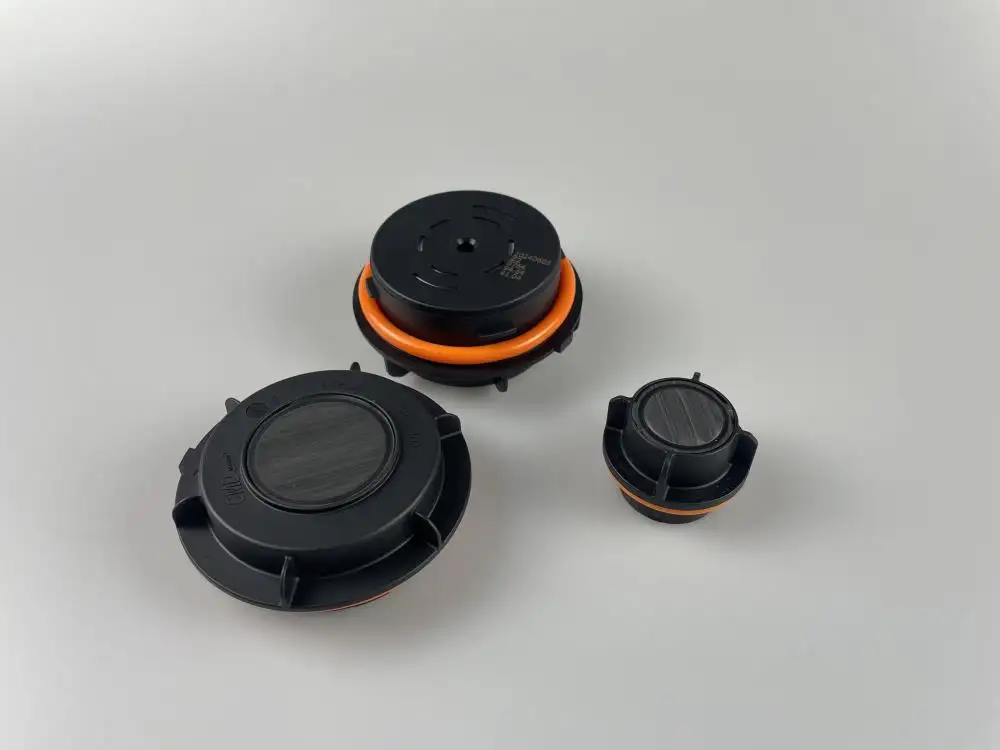
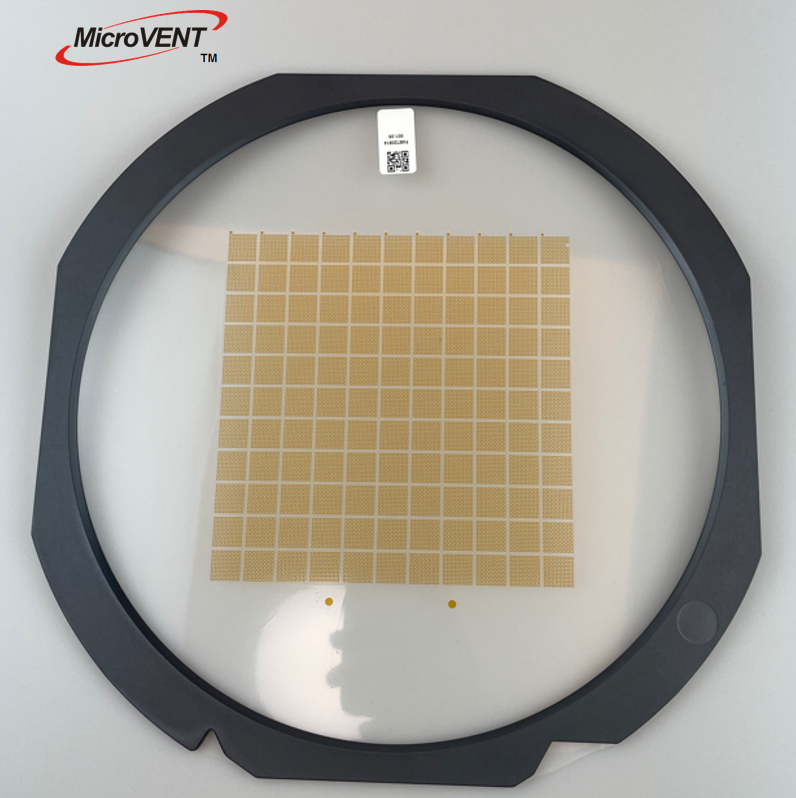
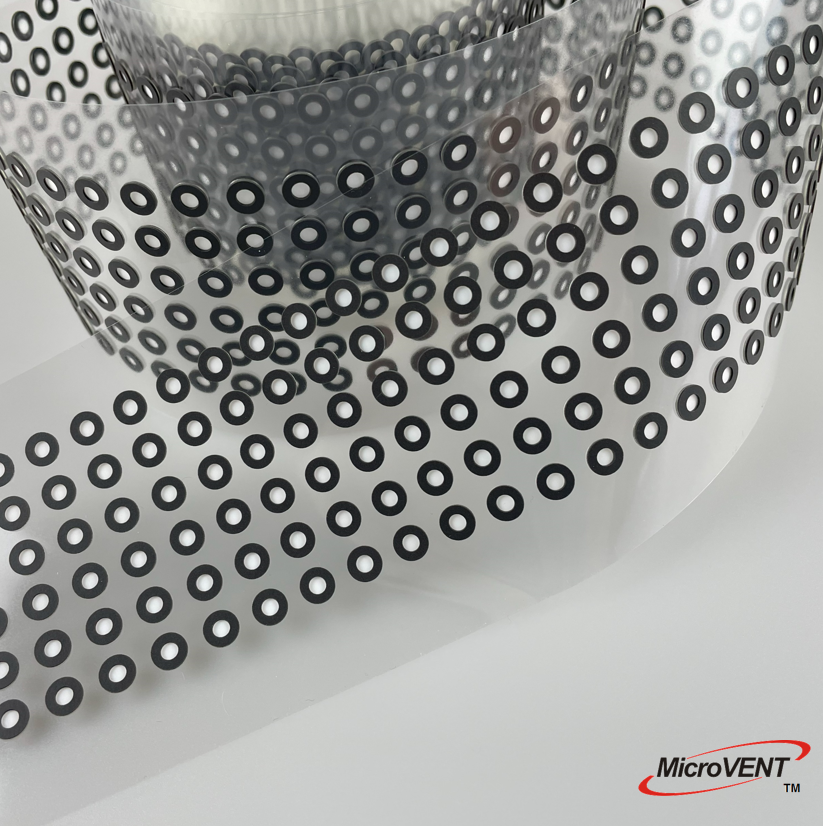
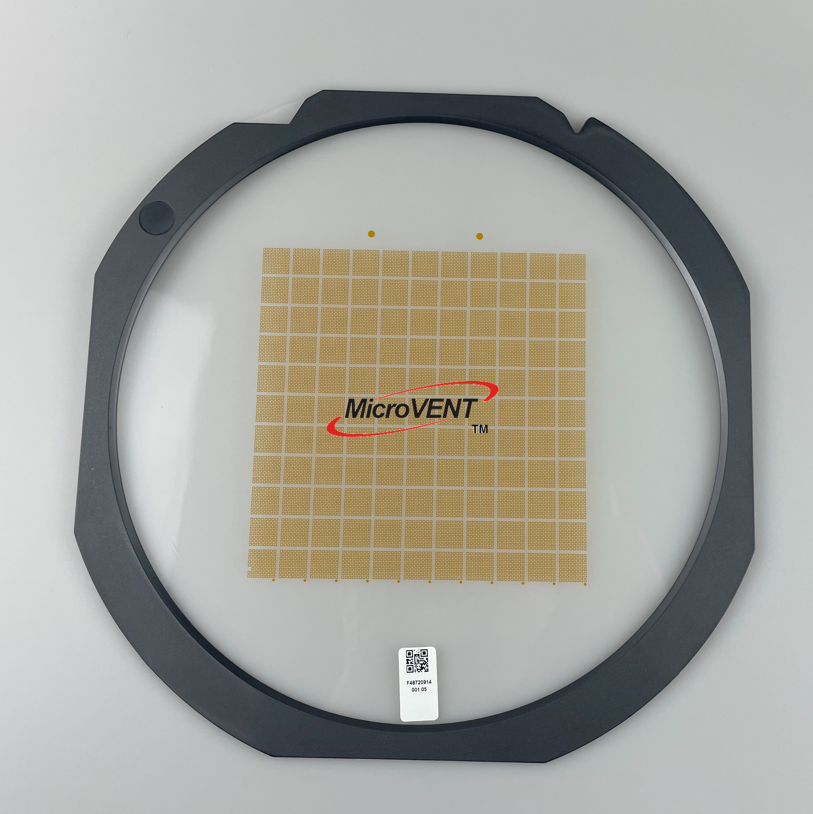
A mems pressure vent is a compact protective opening that helps a sealed sensor package balance internal and external air pressure while limiting exposure to water, dust, oil, and other contaminants. The mems pressure vent supports accurate measurement by reducing pressure differences that can distort readings or stress a sensitive sensing element. Unlike a simple open hole, the mems pressure vent uses a carefully selected membrane or porous barrier to allow controlled gas movement while blocking harmful liquids and particles. This design makes the mems pressure vent useful in pressure sensors, microphones, medical instruments, vehicle systems, industrial controls, and portable electronics. A typical mems pressure vent combines a low-resistance air path with a hydrophobic or oleophobic protective layer. The mems pressure vent can also include an adhesive frame, molded housing, metal carrier, or integrated filter, depending on the product design. These features help engineers match the component to the required pressure range, ingress protection level, acoustic response, and operating environment. The mems pressure vent can protect the sensing cavity from condensation, splash, cleaning fluids, and airborne debris without preventing the pressure changes needed for measurement. Product selection should consider airflow resistance, membrane strength, mounting method, size, temperature range, and compatibility with the sensor package. A well-matched mems pressure vent improves long-term stability and reduces service problems. For manufacturers, the mems pressure vent offers a practical way to protect delicate microelectromechanical systems without adding unnecessary bulk. In demanding equipment, the mems pressure vent helps preserve performance across changing weather, altitude, pressure, and handling conditions.

Popular Products

The main advantage of a mems pressure vent is better sensor protection without sacrificing useful pressure transmission. The barrier lets air move between the device and surrounding environment, so the sensing element can respond quickly to pressure changes. At the same time, the mems pressure vent helps stop water droplets, dust, fibers, and oily residue from reaching the internal cavity. This balance can improve measurement consistency and reduce failures caused by contamination. A mems pressure vent also supports longer product life. By limiting moisture and particles, it lowers the chance of corrosion, blocked channels, membrane damage, and unstable output. That means fewer repairs, fewer replacements, and less disruption for equipment operators. The mems pressure vent can simplify product development as well. Engineers can choose a ready-made vent with known airflow, sealing, and environmental performance instead of designing a protective opening from scratch. This can shorten development time and reduce testing effort. In high-volume manufacturing, the mems pressure vent is available in compact formats that suit automated assembly, adhesive bonding, press fitting, or placement behind a housing port. The component adds protection while using little board or enclosure space. Application suitability is another practical benefit. A mems pressure vent may suit outdoor instruments, vehicle modules, factory equipment, smart appliances, hearing devices, and health monitoring products. Different materials and protection grades let buyers select a version for light splash, heavy humidity, dust exposure, or chemical contact. Buyers should compare pressure response, water resistance, temperature rating, dimensions, mounting process, and expected service conditions. The mems pressure vent is most valuable when these specifications match the final enclosure and sensor. Choosing correctly helps avoid overprotection that slows response or underprotection that exposes the device to avoidable risk. Overall, the mems pressure vent combines small size, dependable protection, and straightforward integration, giving manufacturers a cost-effective way to improve product reliability.

Latest News

MicroVent® Porous ePTFE membrane structure provides a high-efficiency particulate barrier.

03

Jul

MicroVent® Porous ePTFE membrane structure provides a high-efficiency particulate barrier.

In demanding industrial environments, maintaining reliable filtration and contamination control is critical. The porous ePTFE membrane has become a leading solution for engineers and product designers who need a high-efficiency particulate barrier wi...
View More
MicroVent® packaging valve is a vital safety feature for volatile chemical liquids.

03

Jul

MicroVent® packaging valve is a vital safety feature for volatile chemical liquids.

When handling volatile chemical liquids, even a small design oversight in container engineering can lead to serious safety failures. A packaging valve is not simply a mechanical component — it is a critical safety feature that controls pressure, prev...
View More
Why MicroVent® electronics membrane is the best defense for outdoor security cameras.

29

Jul

Why MicroVent® electronics membrane is the best defense for outdoor security cameras.

Outdoor security cameras face relentless environmental challenges that threaten their performance and longevity. Moisture infiltration, salt spray, dust accumulation, and temperature fluctuations can degrade critical electronic components, leading to...
View More
Why MicroVent® CMD for lamps is the preferred anti-fogging solution for automotive Tier-1s.

29

Jul

Why MicroVent® CMD for lamps is the preferred anti-fogging solution for automotive Tier-1s.

Automotive lamp manufacturers face a persistent challenge: moisture accumulation and fogging inside lamp assemblies that compromises optical clarity and reduces product lifespan. This problem becomes especially critical for Tier-1 suppliers who must ...
View More

Get a Free Quote

Our representative will contact you soon.
Email
Name
Company Name
Message
0/1000

mems pressure vent

Controlled Airflow for Accurate Readings

Controlled Airflow for Accurate Readings

A key strength of the mems pressure vent is its controlled airflow path. The membrane or porous layer allows pressure to equalize between the sensor cavity and the outside air, helping the device capture real changes instead of enclosure stress or trapped-air effects. This matters in equipment that must detect small pressure differences, including flow monitors, altitude instruments, tire systems, and industrial controllers. The mems pressure vent is designed to limit resistance so response remains practical for the target application. Engineers can select a construction that balances speed, protection, and acoustic or pressure performance. The result is more predictable sensor behavior during startup, movement, weather changes, and rapid load variation. A controlled path also makes calibration easier because the protective feature does not behave like a random opening. For buyers, this feature supports dependable output and reduces the risk that a protective seal will weaken measurement quality. The mems pressure vent therefore adds protection while preserving the sensing function that the product depends on.
Protection Against Water, Dust, and Oils

Protection Against Water, Dust, and Oils

Environmental protection is a major selling point of the mems pressure vent. Its protective membrane creates a barrier that helps keep droplets, humidity, dust, and oily particles away from sensitive microstructures. This is especially useful when equipment operates outdoors, inside vehicles, near machinery, or in locations exposed to cleaning processes. The mems pressure vent can be specified with water-repellent and oil-resistant materials, allowing manufacturers to address the actual risks faced by the finished product. Protection reduces contamination inside the sensing cavity, where even a small deposit can change response, block airflow, or create drift. It also helps prevent corrosion and damage during storage, transport, and daily use. The mems pressure vent does not need to be large to provide meaningful defense, so designers can maintain a slim enclosure and a clean appearance. For customers, this feature can translate into fewer field failures, longer operating life, and greater confidence in equipment used under demanding conditions. The mems pressure vent is a practical safeguard, not merely an added accessory.
Compact Integration and Flexible Design

Compact Integration and Flexible Design

The small footprint of the mems pressure vent helps product teams protect a sensor without redesigning the entire enclosure. Depending on the assembly method, the part may attach with pressure-sensitive adhesive, fit into a housing port, or sit within a molded channel. This flexibility supports compact electronics, wearable devices, medical tools, vehicle modules, and factory sensors where every millimeter matters. The mems pressure vent can be supplied in different shapes, thicknesses, membrane materials, and protection levels, giving engineers room to match the component with their production process. A suitable design may also reduce the need for separate screens, covers, or complex internal baffles. That can lower part count and make assembly more consistent. The mems pressure vent is also useful for product families because one basic vent concept can be adapted to several enclosure sizes or operating conditions. Buyers gain a clearer path from prototype to volume production, while users receive a finished product that remains lightweight, protected, and serviceable. The mems pressure vent supports efficient design without forcing a compromise between compact packaging and environmental reliability.

Get a Free Quote

Our representative will contact you soon.
Email
Name
Company Name
Message
0/1000