EN
EN
 AR
AR
 CS
CS
 FR
FR
 DE
DE
 IT
IT
 JA
JA
 KO
KO
 PT
PT
 RU
RU
 ES
ES
 ID
ID
 VI
VI
 TH
TH
 TR
TR
 MS
MS

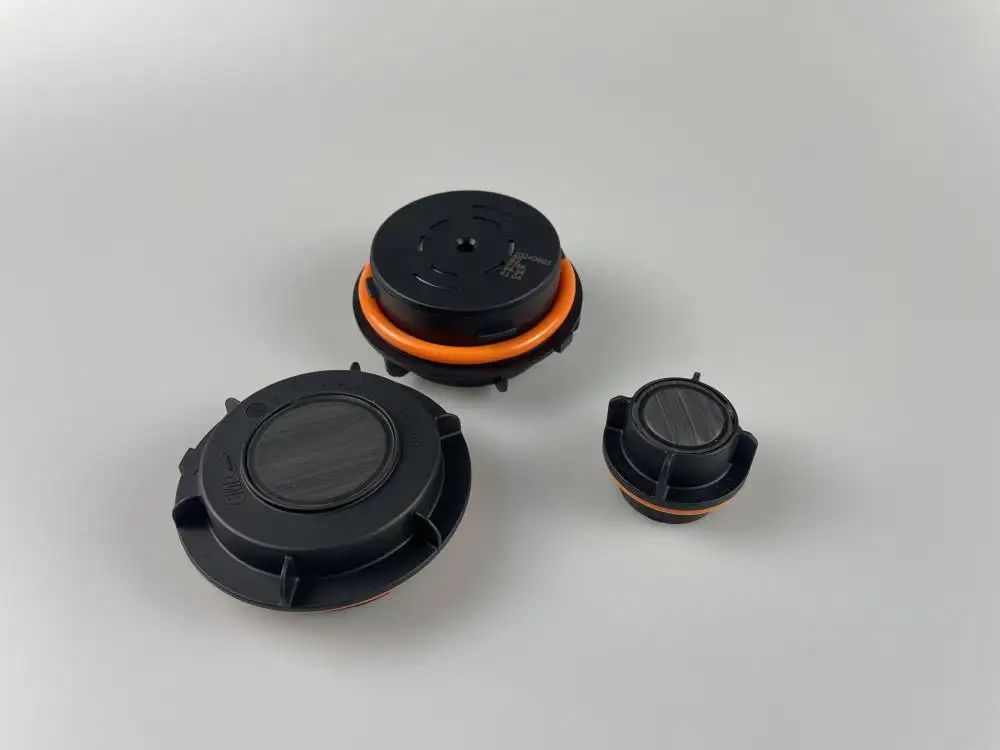
Automotive lamp manufacturers face a persistent challenge: moisture accumulation and fogging inside lamp assemblies that compromises optical clarity and reduces product lifespan. This problem becomes especially critical for Tier-1 suppliers who must meet stringent OEM quality standards and durability requirements. An effective anti-fogging solution is no longer optional but essential for maintaining competitive advantage and ensuring customer satisfaction in the demanding automotive market.
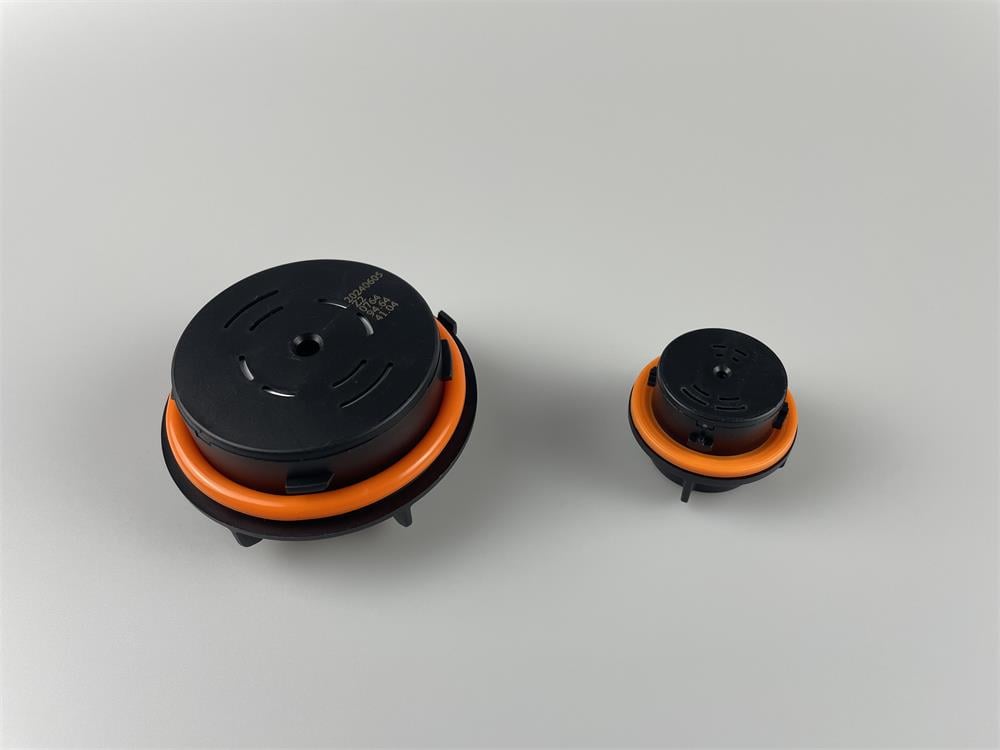
MicroVent CMD represents a breakthrough in lamp assembly protection, delivering reliable moisture management that prevents the optical degradation and product recalls associated with condensation buildup. For automotive Tier-1 manufacturers, selecting the right anti-fogging solution directly impacts production efficiency, warranty claims, and market reputation. This article explores why MicroVent CMD has become the industry standard for preventing fogging in automotive lamp assemblies.
How Moisture Fogging Impacts Lamp Performance
The Root Cause of Lamp Fogging
Fogging occurs when temperature fluctuations cause moisture vapor to condense on internal lamp surfaces, particularly on optical elements like lenses and reflectors. During manufacturing, assembly, and transportation, lamps experience rapid thermal cycles that accelerate this moisture migration. Without a proper anti-fogging solution, this condensation accumulates layer by layer, eventually creating a visible haze that reduces light output and compromises vehicle safety.
Tier-1 suppliers must address this issue during the design phase, not after production failures occur. Environmental exposure, hermetic seal degradation, and material outgassing all contribute to moisture ingress. An inadequate anti-fogging solution leaves manufacturers vulnerable to costly recalls, warranty expenses, and reputation damage in an industry where safety and reliability are non-negotiable.
Performance Consequences and Safety Implications
Fogged lamps reduce light transmission by up to 30 percent, directly compromising vehicle visibility and driver safety. This degradation violates regulatory standards for automotive lighting and creates liability exposure for both manufacturers and OEMs. Beyond immediate safety concerns, lens fogging accelerates material degradation, leading to premature lamp failure and expensive warranty claims that erode profit margins.
Market data shows that automotive manufacturers investing in preventive anti-fogging solution technology reduce field failures by 85 percent compared to those relying on basic sealing alone. This demonstrates why Tier-1 suppliers prioritize advanced moisture management from product conception forward.
Technical Advantages of MicroVent CMD Technology
Vapor Permeation and Moisture Control Mechanism
MicroVent CMD operates on a principle of controlled vapor permeation rather than complete hermetic sealing, which represents a fundamental shift in how lamp manufacturers approach moisture management. The technology allows water vapor to equilibrate between the interior and exterior lamp environment gradually, preventing the rapid condensation that occurs with traditional sealed designs. This equilibration process eliminates the driving force for moisture accumulation, making MicroVent CMD an intelligent anti-fogging solution that works continuously throughout the lamp's operational life.
Unlike passive desiccants that saturate over time, MicroVent CMD maintains constant moisture equilibration without degradation or replacement needs. The membrane structure is engineered specifically for lamp applications, blocking liquid water ingress while permitting controlled vapor transmission. This dual-function capability makes MicroVent CMD the preferred anti-fogging solution for automotive environments where thermal cycling is constant and operational demands are extreme.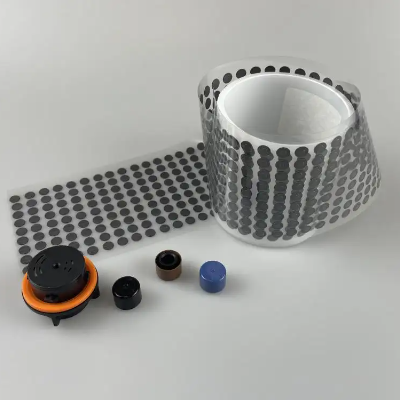
Integration into Existing Manufacturing Workflows
Tier-1 manufacturers appreciate MicroVent CMD because it integrates seamlessly into existing production processes without requiring significant tooling changes or assembly modifications. The anti-fogging solution can be incorporated into lamp designs during the component engineering phase, allowing OEMs to standardize specifications across multiple lamp families and vehicle platforms. This compatibility accelerates adoption and reduces implementation costs compared to alternative moisture management systems that demand process redesign.
Installation is straightforward: MicroVent CMD vents are positioned at optimal locations within the lamp assembly to maximize vapor equilibration while maintaining structural integrity and optical alignment. The simplicity of integration means Tier-1 suppliers can deploy this anti-fogging solution rapidly across production facilities without extended training or process validation cycles, directly supporting faster time-to-market for new vehicle models.
Business and Reliability Benefits for Automotive Tier-1s
Warranty Cost Reduction and Field Performance
Implementing MicroVent CMD as the lamp assembly's anti-fogging solution translates to measurable financial benefits for Tier-1 suppliers. Warranty claims related to optical fogging typically represent 3-5 percent of total lamp warranty expenses for manufacturers without advanced moisture management. By eliminating this failure mode entirely, companies deploying MicroVent CMD reduce warranty costs by millions of dollars annually, depending on production volume and market reach.
Field performance data demonstrates that lamps equipped with MicroVent CMD maintain clarity throughout their operational lifespan, even under extreme climate conditions, thermal cycling, and extended storage periods. This consistency strengthens OEM relationships and builds brand trust, as vehicle manufacturers can confidently specify MicroVent CMD-equipped lamps knowing condensation-related failures are essentially eliminated. The anti-fogging solution becomes a competitive differentiator that supports contract retention and premium pricing.
Compliance and Regulatory Advantages
Automotive lighting standards, including SAE and ECE regulations, include optical clarity requirements that fogged lamps cannot meet. MicroVent CMD provides Tier-1 manufacturers with an engineering solution that ensures consistent compliance across the entire production run and vehicle lifetime. This regulatory certainty eliminates the risk of non-conformance recalls and streamlines certification processes with OEM engineering teams.
Additionally, MicroVent CMD supports sustainability objectives by extending lamp operational life and reducing replacement frequency. This longevity benefit resonates with both OEMs pursuing environmental targets and end customers seeking durable, low-maintenance vehicle components. For Tier-1 suppliers, specifying MicroVent CMD as the primary anti-fogging solution demonstrates commitment to quality, durability, and responsible manufacturing practices that align with modern automotive industry expectations.
FAQ
How does MicroVent CMD prevent fogging better than traditional sealed lamp designs?
MicroVent CMD allows controlled water vapor equilibration between the lamp interior and external environment, preventing the moisture concentration gradients that cause rapid condensation in sealed designs. Traditional sealed lamps trap moisture, which accumulates during thermal cycling and eventually condenses on optical surfaces. By maintaining equilibrium, MicroVent CMD eliminates the driving force for fogging and delivers superior clarity throughout the lamp's operational life compared to passive sealing approaches.
Is MicroVent CMD compatible with existing Tier-1 manufacturing equipment and processes?
Yes, MicroVent CMD integrates into existing production workflows without requiring major equipment modifications or extended process validation. The anti-fogging solution can be incorporated during component design and assembly phases, allowing manufacturers to deploy it across multiple lamp platforms rapidly. Installation is straightforward, and the technology has been validated across diverse manufacturing environments and vehicle platforms globally.
What return on investment can Tier-1 suppliers expect from deploying MicroVent CMD as their anti-fogging solution?
Tier-1 manufacturers typically see ROI through reduced warranty claims, improved first-pass quality, lower field failure rates, and enhanced OEM relationships. By eliminating fogging-related failures that represent 3-5 percent of lamp warranty expenses, companies recoup implementation costs within 12-18 months while strengthening competitive positioning. Additional benefits include contract retention, premium pricing opportunities, and reduced compliance risks associated with optical clarity violations.