EN
EN
 AR
AR
 CS
CS
 FR
FR
 DE
DE
 IT
IT
 JA
JA
 KO
KO
 PT
PT
 RU
RU
 ES
ES
 ID
ID
 VI
VI
 TH
TH
 TR
TR
 MS
MS

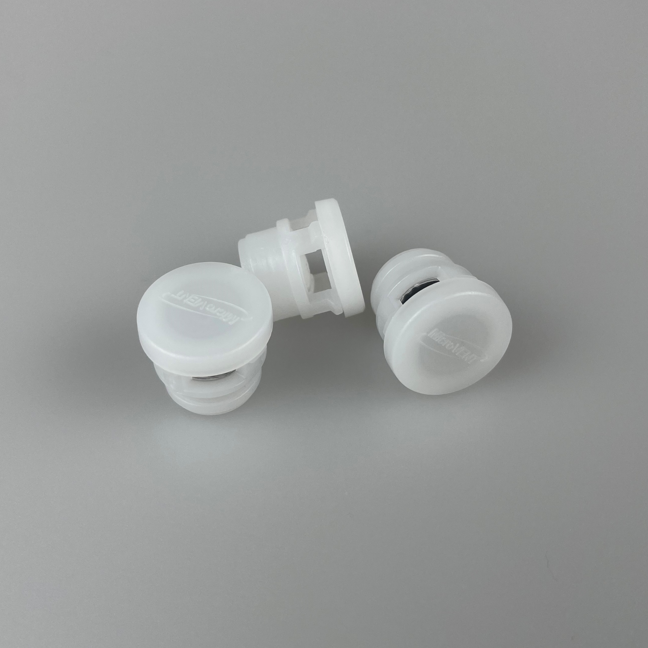
When pressure builds inside a sealed enclosure, the consequences can range from seal failure to catastrophic device damage. A high-permeability ePTFE membrane addresses this challenge directly by allowing air and gases to pass through at a controlled rate, equalizing internal and external pressure before stress accumulates. The MicroVent® ePTFE membrane is engineered specifically to deliver this rapid pressure equalization while maintaining a robust barrier against liquids, dust, and contaminants.
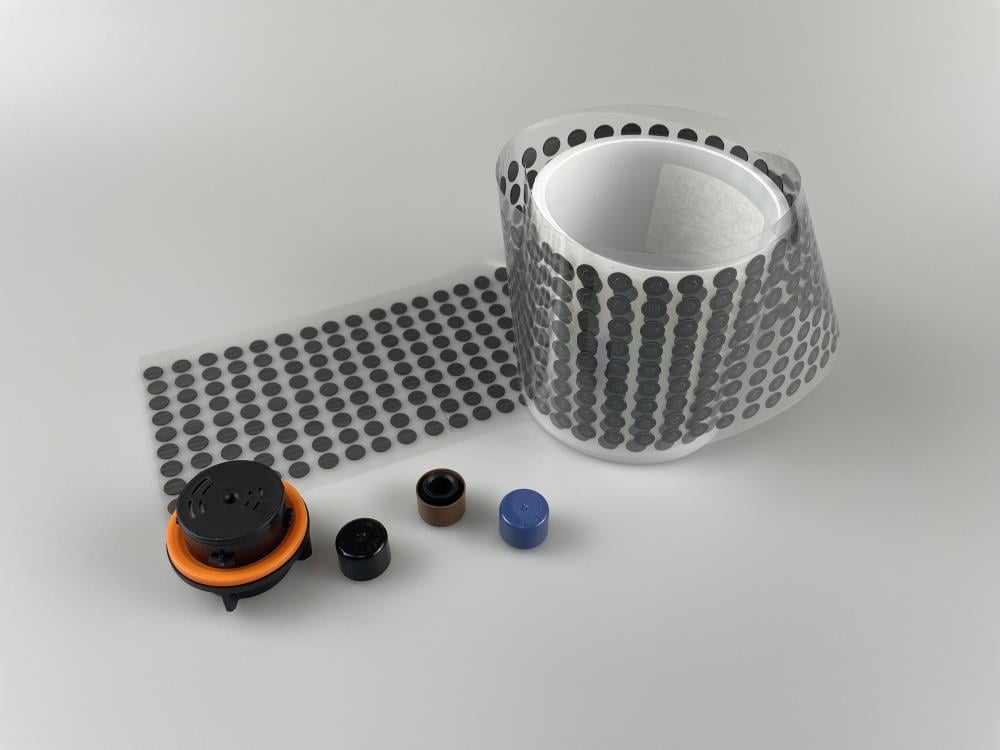
Understanding why an ePTFE membrane performs so effectively in pressure management applications requires looking at its unique microstructure. The expanded polytetrafluoroethylene material used in every ePTFE membrane contains billions of microscopic pores that permit gas molecules to move freely while blocking water droplets and particulate matter. This combination of high air permeability and reliable ingress protection makes the ePTFE membrane an essential component in modern sealed electronic assemblies, automotive modules, LED luminaires, and industrial sensors.
The Science Behind High-Permeability ePTFE Membrane Performance
Microporous Structure and Gas Transmission
The defining characteristic of any ePTFE membrane is its interconnected node-and-fibril microporous architecture. During the manufacturing process, the raw PTFE material is expanded under controlled tension, creating a three-dimensional network of nodes connected by fine fibrils. This structure gives the ePTFE membrane an exceptionally high surface-area-to-thickness ratio, which directly translates to high gas transmission rates. When an ePTFE membrane is integrated into a housing vent, pressure differentials dissipate within milliseconds rather than seconds, preventing mechanical stress on gaskets, seals, and electronic components. The ePTFE membrane achieves this without relying on valves or moving parts, making it inherently reliable over long service cycles. Each ePTFE membrane produced under the MicroVent® process is tested for consistent Gurley airflow values to guarantee uniform performance across production batches.
Hydrophobic and Oleophobic Properties
A high-permeability ePTFE membrane must simultaneously resist liquid ingress while remaining open to gas flow. The ePTFE membrane accomplishes this through the intrinsic hydrophobicity of PTFE and, in advanced variants, an additional oleophobic treatment applied to the membrane surface. This treatment causes water, oils, and surfactant-containing fluids to bead and roll off the ePTFE membrane rather than penetrating its pore structure. As a result, the ePTFE membrane maintains its rated airflow performance even after repeated exposure to rain, cleaning chemicals, or condensation cycles. Industrial operators can rely on the ePTFE membrane to sustain pressure equalization effectiveness throughout the entire product lifecycle without degradation from environmental liquid exposure.
Rapid Pressure Equalization in Real-World Applications
Electronics and Sealed Housing Protection
Electronic enclosures experience repeated thermal cycling that causes internal air to expand and contract with every temperature change. Without an ePTFE membrane vent, this repeated pressure fluctuation stresses adhesive bonds, pushes moisture past seals, and shortens component lifespan. By integrating an ePTFE membrane into the housing design, engineers allow the enclosure to breathe freely. The ePTFE membrane equalizes pressure passively, requiring no power input or manual adjustment. Outdoor LED drivers, smart meters, EV battery management modules, and wireless communication housings all benefit from the ePTFE membrane because rapid equalization prevents the 'pumping effect' that draws contaminants inside sealed cavities. The ePTFE membrane therefore acts as both a pressure relief element and an environmental barrier within a single compact component.
Automotive and Industrial Sensor Modules
Automotive pressure sensor housings, transmission control units, and lighting assemblies face extreme temperature swings from sub-zero cold starts to engine-bay heat. The ePTFE membrane installed in these modules must equalize pressure rapidly enough to prevent seal lifting during fast temperature transitions. A standard ePTFE membrane designed for automotive use carries IP67 or IP69K ingress protection ratings, confirming that the ePTFE membrane blocks water jets and immersion while still permitting the airflow necessary for pressure equalization. Industrial sensors exposed to wash-down environments rely on the ePTFE membrane in a similar way, maintaining calibration accuracy by preventing pressure-induced measurement drift. The mechanical simplicity of the ePTFE membrane means it adds minimal weight and volume to compact sensor packaging, which is critical for space-constrained designs.
Selecting and Integrating an ePTFE Membrane for Pressure Equalization
Key Performance Parameters to Evaluate
Choosing the right ePTFE membrane for a specific pressure equalization application involves evaluating several interdependent parameters. Gurley airflow resistance, water entry pressure, and operating temperature range are the three primary metrics that determine whether an ePTFE membrane will perform as required. A low Gurley number indicates that the ePTFE membrane transmits air quickly, which is essential for rapid equalization in large-volume enclosures. Water entry pressure confirms that the ePTFE membrane will resist liquid penetration under the hydrostatic loads the device will encounter. Temperature stability ensures the ePTFE membrane retains dimensional integrity and permeability from cryogenic storage conditions up to sustained high-heat exposure. Selecting an ePTFE membrane that balances all three parameters prevents premature failure and reduces warranty costs for device manufacturers.
Integration Methods and Housing Design Considerations
The ePTFE membrane can be supplied as a die-cut disc, a pre-assembled vent plug, or a heat-bonded patch depending on the assembly process. Adhesive-backed ePTFE membrane discs offer fast, tool-free installation directly onto housing apertures. Vent plug assemblies incorporate the ePTFE membrane within a threaded or snap-fit carrier, simplifying installation in housings with standard port dimensions. When designing a new product around an ePTFE membrane, engineers should position the vent aperture to minimize direct liquid impingement and maximize natural drainage. Proper mechanical protection of the ePTFE membrane from abrasion and UV exposure extends service life in outdoor deployments. Working with a supplier that offers custom-sized ePTFE membrane formats ensures the component fits existing tooling without costly redesign.
FAQ
How does an ePTFE membrane achieve rapid pressure equalization?
The ePTFE membrane uses a highly porous expanded PTFE matrix that allows gas molecules to pass through almost instantly when a pressure differential develops. Because the ePTFE membrane offers very low airflow resistance, even small pressure changes across the housing wall are resolved in milliseconds, preventing stress accumulation on seals and internal components.
Will the ePTFE membrane lose permeability after liquid exposure?
A correctly specified ePTFE membrane with hydrophobic or oleophobic surface treatment retains its permeability after repeated liquid exposure. The surface chemistry of the ePTFE membrane causes liquids to bead off rather than penetrate the pore structure, so airflow performance remains stable throughout the product service life.
What ingress protection ratings can an ePTFE membrane support?
Depending on the specific construction, an ePTFE membrane can support IP67, IP68, and IP69K ratings. The ePTFE membrane provides this protection by blocking water entry under pressure and immersion conditions while simultaneously maintaining the gas permeability required for continuous pressure equalization without valve actuation.