EN
EN
 AR
AR
 CS
CS
 FR
FR
 DE
DE
 IT
IT
 JA
JA
 KO
KO
 PT
PT
 RU
RU
 ES
ES
 ID
ID
 VI
VI
 TH
TH
 TR
TR
 MS
MS

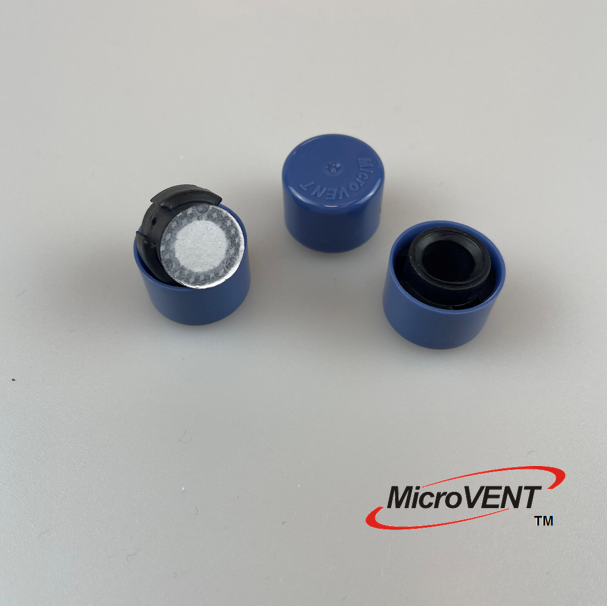
When handling volatile chemical liquids, even a small design oversight in container engineering can lead to serious safety failures. A packaging valve is not simply a mechanical component — it is a critical safety feature that controls pressure, prevents leaks, and protects both workers and the environment. Understanding why a packaging valve matters starts with recognizing the unique hazards that volatile chemicals create inside sealed containers.
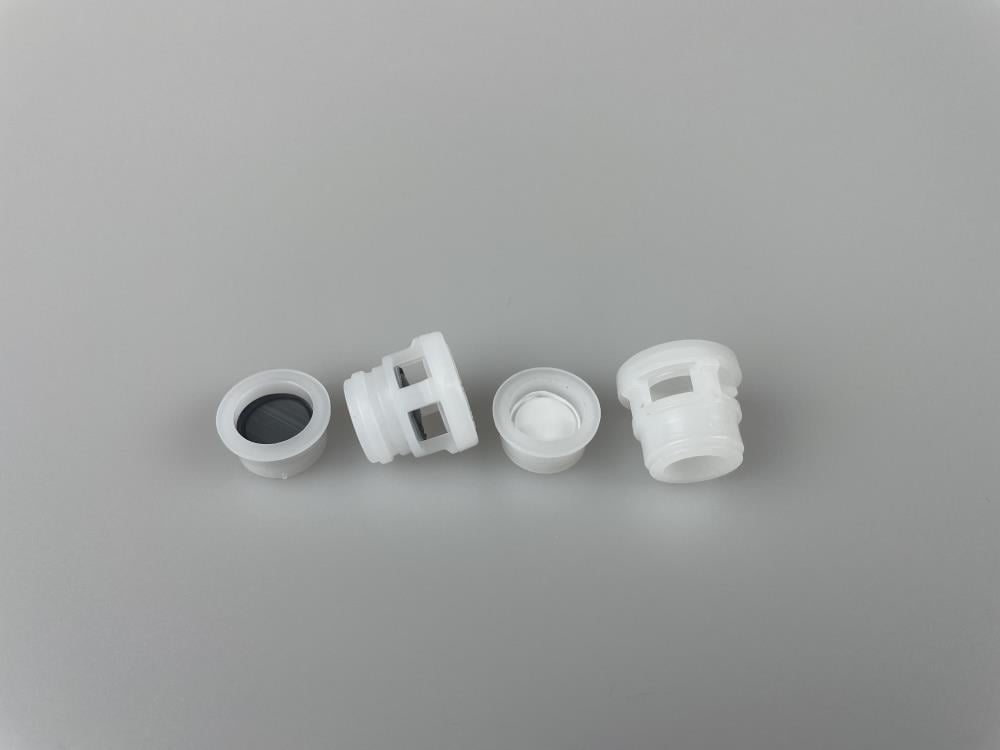
Volatile chemical liquids generate internal vapor pressure that builds up rapidly inside closed packaging, especially during transport, storage, or temperature fluctuation. Without a properly functioning packaging valve, containers face the risk of deformation, rupture, or uncontrolled venting. A reliable packaging valve manages this pressure balance automatically, making it a non-negotiable element of safe chemical packaging design. In this article, we explore why a packaging valve serves as the backbone of volatile chemical liquid safety across industrial applications.
The Role of a Packaging Valve in Volatile Chemical Containment
Pressure Regulation Inside Chemical Containers
A packaging valve performs its most essential function by regulating pressure differentials inside chemical containers. Volatile liquids such as solvents, adhesives, and specialty chemicals continuously release vapor at varying rates depending on temperature and ambient conditions. When this vapor accumulates without any release mechanism, internal pressure rises to dangerous levels. A packaging valve provides a calibrated outlet that releases excess pressure before it reaches a threshold that could compromise container integrity. This pressure regulation function is what makes the packaging valve a true safety device rather than a convenience feature.
The precision of a packaging valve is especially important during air transport and high-altitude shipping, where external pressure drops sharply. In these conditions, the pressure differential inside a sealed chemical container intensifies quickly. A packaging valve engineered for volatile chemical applications responds to these changes within a defined pressure range, ensuring venting occurs in a controlled manner. This prevents both structural damage to the container and accidental chemical exposure to handlers or cargo environments.
Contamination Prevention Through One-Way Venting
Beyond pressure control, a packaging valve also serves as a contamination barrier. Many volatile chemical liquids are highly sensitive to moisture, oxygen, or particulate ingress. A one-way packaging valve allows internal pressure to escape while blocking external contaminants from entering the container. This dual function — pressure release combined with contamination prevention — is particularly valuable for chemicals that degrade rapidly upon contact with air or humidity. The packaging valve therefore preserves product integrity throughout the supply chain, from filling to final use.
Why Packaging Valve Design Matters for Chemical Safety Compliance
Meeting Hazardous Material Packaging Regulations
Regulatory frameworks governing hazardous material packaging require that containers for volatile chemicals meet specific venting and pressure management standards. A packaging valve that is correctly specified and tested helps manufacturers and distributors achieve compliance with international transport regulations such as those set by IATA, IMDG, and ADR. Without a compliant packaging valve, chemical packaging may fail certification testing, blocking market access and creating legal liability. Choosing the right packaging valve is therefore not only a technical decision but also a compliance and risk management priority.
Industrial buyers responsible for chemical packaging procurement must evaluate whether their packaging valve meets the chemical compatibility requirements for each specific product. Not all packaging valve designs are suitable for aggressive solvents or reactive compounds. Material selection — including the valve body, sealing elements, and membrane — must be validated against the chemical properties of the liquid being contained. A packaging valve that degrades or fails in contact with its target chemical immediately undermines the safety function it was designed to provide.
Reducing Liability Risks in Chemical Transport and Storage
Transport incidents involving volatile chemical liquids frequently trace back to packaging failures rather than handling errors. A failed or absent packaging valve can lead to container pressurization, seal rupture, or catastrophic spill during transit. These incidents carry significant financial, legal, and reputational consequences for manufacturers and logistics providers alike. Investing in a properly rated packaging valve reduces the probability of these events and demonstrates a proactive approach to product stewardship. From a liability perspective, the packaging valve is one of the most cost-effective risk mitigation investments available in chemical container design.
Selecting the Right Packaging Valve for Volatile Chemical Applications
Key Technical Parameters to Evaluate
Selecting the correct packaging valve for a volatile chemical liquid application requires a clear understanding of the operating conditions the valve will face. The most important parameters include the cracking pressure — the point at which the packaging valve begins to open — the reseal pressure, and the flow rate capacity. A packaging valve with a cracking pressure that is too high may not vent in time to prevent container stress. One with a cracking pressure that is too low may vent prematurely, releasing product vapor unnecessarily. Matching these values to the vapor pressure profile of the specific chemical is essential for effective packaging valve performance.
Chemical compatibility, temperature resistance, and mechanical durability are equally critical factors. A packaging valve used in cold chain chemical logistics must maintain its sealing and venting function across a wide temperature range. Similarly, a packaging valve in industrial drum packaging must withstand repeated pressure cycles without fatigue failure. Evaluating these performance attributes before specifying a packaging valve prevents costly failures in the field and ensures the safety function remains intact throughout the product lifecycle.
Integration into Container and Closure Systems
A packaging valve must integrate seamlessly into the broader container and closure system. The valve mounting format — whether threaded, press-fit, or membrane-bonded — must match the container design and filling line requirements. Poorly integrated packaging valve installations create leak paths or mechanical stress points that compromise the very safety function the valve is meant to provide. Working with packaging engineers to validate the packaging valve installation at the design stage prevents these integration failures and ensures the complete packaging system performs as intended under real-world conditions.
FAQ
What is a packaging valve and why is it used for volatile chemicals?
A packaging valve is a pressure management device integrated into chemical containers to regulate internal vapor pressure. For volatile chemicals, it prevents dangerous pressure buildup that could cause container failure, and it blocks contaminant ingress through one-way venting design.
How do I choose the right packaging valve for my chemical product?
Choosing the right packaging valve requires evaluating the cracking pressure, reseal pressure, flow rate, chemical compatibility, and temperature range of the valve against your specific chemical product's vapor pressure and transport conditions. Always validate the packaging valve with your container and closure system before full-scale use.
Does a packaging valve help with regulatory compliance for hazardous chemicals?
Yes, a correctly specified packaging valve supports compliance with international hazardous material transport standards including IATA, IMDG, and ADR. It demonstrates that your chemical packaging meets required pressure management and containment standards, which is essential for certification and safe market access.