EN
EN
 AR
AR
 CS
CS
 FR
FR
 DE
DE
 IT
IT
 JA
JA
 KO
KO
 PT
PT
 RU
RU
 ES
ES
 ID
ID
 VI
VI
 TH
TH
 TR
TR
 MS
MS

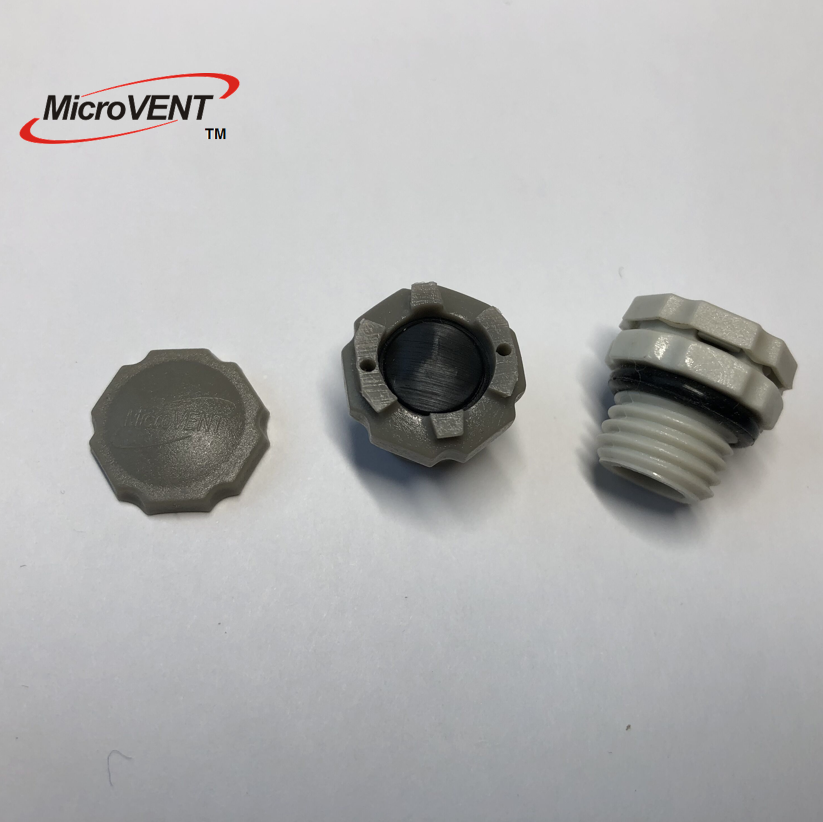
Storing hydrogen peroxide safely is one of the most demanding challenges in industrial chemical handling. Hydrogen peroxide is a powerful oxidizer that releases oxygen gas during storage, creating internal pressure that can compromise container integrity if not properly managed. A well-designed pe liner plays a critical role in allowing that pressure to vent safely while keeping the liquid contents fully sealed. When the pe liner is engineered with the right venting mechanism, it becomes the first line of defense between the chemical and the outer container.
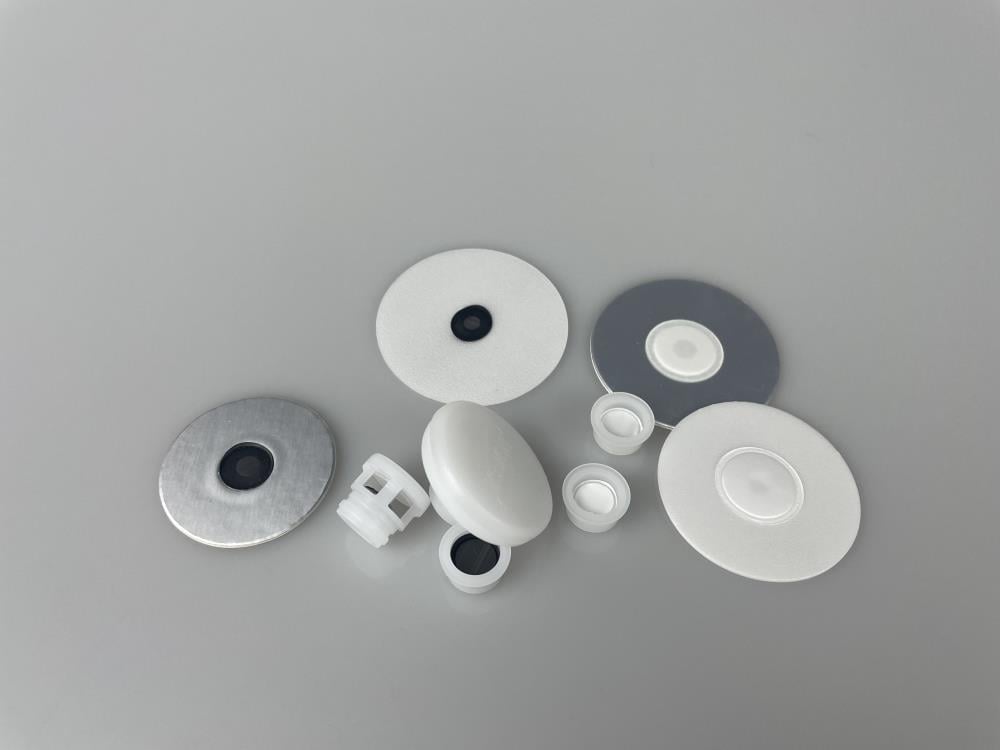
MicroVent® has developed a pe liner specifically engineered to address the unique pressure behavior of hydrogen peroxide in industrial containers. This pe liner integrates a micro-venting structure that selectively releases gas without allowing liquid escape. Understanding how this pe liner maintains container integrity requires looking at both the chemistry of hydrogen peroxide storage and the functional design of the pe liner itself. Each aspect of the pe liner contributes directly to safer, more reliable chemical storage outcomes.
The Chemical Challenge Behind Hydrogen Peroxide Storage
Why Hydrogen Peroxide Creates Internal Pressure
Hydrogen peroxide is inherently unstable compared to many industrial chemicals. It naturally decomposes into water and oxygen over time, and this decomposition accelerates when exposed to light, heat, or trace contaminants. The oxygen released during this decomposition accumulates inside sealed containers, building internal pressure. Without a properly vented pe liner, that pressure has nowhere to escape, creating significant risks of container deformation, seal failure, or rupture. The pe liner must therefore be both chemically resistant and functionally venting to serve its purpose effectively.
How Material Compatibility Affects the PE Liner Performance
Polyethylene is one of the few materials that maintains excellent chemical resistance against hydrogen peroxide across a wide range of concentrations. A pe liner made from high-quality polyethylene resists oxidation, does not react with the chemical, and does not introduce contaminants that could accelerate decomposition. This material stability is fundamental to the pe liner maintaining its structural form throughout the storage period. A pe liner that degrades or absorbs the chemical over time would undermine container integrity rather than protect it. The MicroVent® pe liner uses a formulated polyethylene compound selected specifically for hydrogen peroxide compatibility.
How the MicroVent® PE Liner Controls Pressure Without Leaking
The Micro-Venting Mechanism Within the PE Liner
The defining feature of the MicroVent® pe liner is its integrated micro-vent, which is designed to allow gas molecules to pass through while blocking liquid passage. This pe liner relies on a hydrophobic membrane within its structure that responds to pressure differentials. When internal gas pressure rises above a threshold, the pe liner allows oxygen to pass outward. When pressure normalizes, the pe liner closes the pathway again. This pe liner mechanism prevents pressure spikes while maintaining a liquid-tight barrier. The pe liner essentially acts as a one-way pressure-relief valve built into the container lining itself.
Pressure Management Without Compromising Seal Integrity
Traditional sealed pe liner designs without venting can allow dangerous pressure buildup that stresses closures, threads, and container walls. The MicroVent® pe liner solves this by relocating pressure management to the liner level rather than relying solely on the outer container. As a result, the pe liner reduces the mechanical load on closures and seals. This pe liner design approach extends the functional life of the entire packaging system by distributing stress management across the pe liner rather than concentrating it at vulnerable points. The pe liner therefore contributes not just to chemical safety but to the long-term structural integrity of the full container assembly.
Practical Integrity Benefits for Industrial Storage Operations
Reducing Risk of Container Failure During Transport and Storage
In industrial logistics, hydrogen peroxide containers face vibration, temperature variation, and handling stresses throughout their lifecycle. A pe liner that cannot manage internal pressure under these dynamic conditions becomes a liability. The MicroVent® pe liner is designed to maintain its venting and sealing performance even under variable conditions, keeping the pe liner functional whether the container is stationary in a warehouse or in transit. This pe liner reliability is critical for operations that require consistent product quality and safety compliance. A compromised pe liner during transport can result in container swelling, leakage, or regulatory non-compliance, all of which carry significant operational and financial consequences.
Supporting Regulatory and Safety Compliance Through PE Liner Design
Industrial chemical storage is subject to strict safety and regulatory standards, and the pe liner plays a direct role in meeting those requirements. A pe liner that prevents pressure buildup helps containers conform to UN packaging performance standards for hazardous materials. The pe liner also reduces the likelihood of accidental release during storage, which supports workplace safety compliance. When the pe liner maintains container integrity consistently, operations can document and demonstrate that their packaging system performs as intended. This pe liner documentation value is increasingly important as supply chains face greater scrutiny over hazardous material handling practices.
Long-Term Integrity Through Consistent PE Liner Function
The MicroVent® pe liner is designed for durability over extended storage periods. Hydrogen peroxide is often stored for weeks or months before use, and the pe liner must maintain its functional properties throughout that period. A pe liner that loses its venting performance over time creates a delayed hazard, as pressure continues to build without relief. The pe liner material and vent structure in the MicroVent® design are engineered to resist the oxidizing environment inside the container, ensuring that the pe liner continues to perform consistently from filling through final use. This sustained pe liner performance is what truly defines container integrity in hydrogen peroxide storage.
FAQ
What makes a PE liner suitable for hydrogen peroxide storage specifically?
A pe liner suitable for hydrogen peroxide must combine chemical resistance with pressure management. Polyethylene resists the oxidizing nature of hydrogen peroxide, and a vented pe liner allows accumulated oxygen gas to escape without releasing liquid. These combined properties make a pe liner both safe and functional for this specific chemical storage application.
How does the MicroVent® PE liner differ from a standard unvented PE liner?
A standard unvented pe liner provides a simple barrier between the chemical and the outer container but offers no mechanism for pressure relief. The MicroVent® pe liner integrates a hydrophobic micro-vent that allows gas release while blocking liquid. This pe liner distinction is critical for oxidizing chemicals like hydrogen peroxide, where pressure buildup is a predictable and ongoing challenge rather than an exceptional event.
Can the PE liner be used across different container types and sizes?
Yes, the MicroVent® pe liner is designed to be compatible with a range of container formats commonly used in industrial chemical storage, including drums, intermediate bulk containers, and specialty packaging. The pe liner can be specified to match different container geometries, ensuring that the pe liner delivers consistent venting and sealing performance regardless of the container type selected for hydrogen peroxide storage.