EN
EN
 AR
AR
 CS
CS
 FR
FR
 DE
DE
 IT
IT
 JA
JA
 KO
KO
 PT
PT
 RU
RU
 ES
ES
 ID
ID
 VI
VI
 TH
TH
 TR
TR
 MS
MS

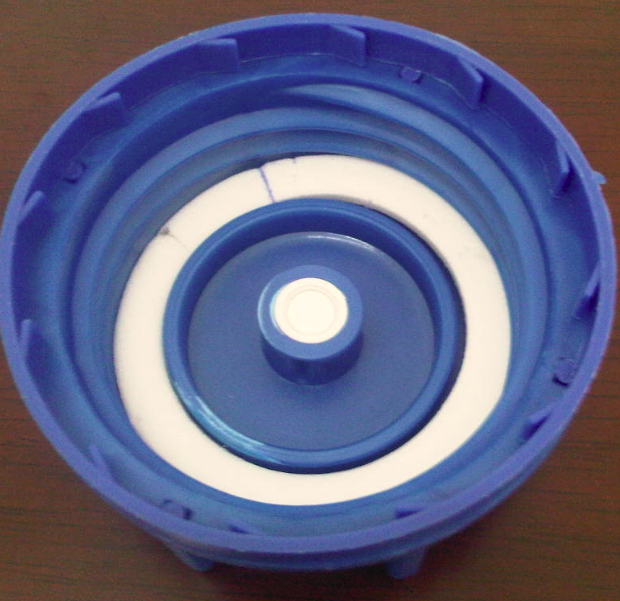
High-intensity discharge lights operate under extreme thermal and environmental stress, making moisture intrusion one of the most damaging threats to lamp longevity and optical clarity. MicroVent CMD is an engineered membrane vent specifically designed to address this challenge by allowing pressure equalization while blocking liquid water, dust, and contaminants from entering the lamp housing. When moisture is allowed to accumulate inside a sealed HID lamp enclosure, it condenses on optical surfaces, corrodes electrical contacts, and dramatically shortens the operational lifespan of the fixture. MicroVent CMD delivers a reliable and passive solution that keeps lamp enclosures dry without compromising their protective integrity.
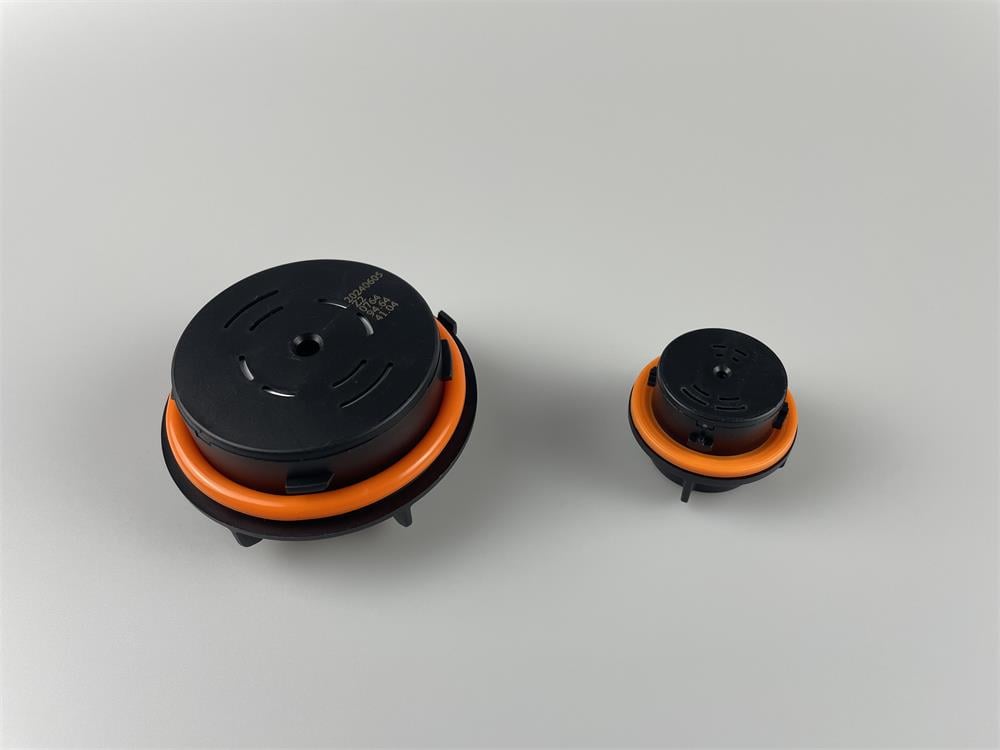
MicroVent CMD is built on expanded polytetrafluoroethylene membrane technology, which provides a microscopic structure that permits air and water vapor to pass freely while physically preventing liquid ingress. In HID lamp applications — including metal halide, high-pressure sodium, and mercury vapor fixtures — MicroVent CMD integrates into the lamp housing or luminaire body as a compact, self-adhesive or threaded component. The result is continuous, passive pressure management that eliminates the pressure differential responsible for drawing moisture into sealed enclosures. For engineers and lighting system designers, MicroVent CMD represents a proven, low-maintenance approach to protecting high-value lamp assets in outdoor, industrial, and infrastructure settings.
How Moisture Buildup Damages HID Lamp Systems
The Physics of Pressure-Driven Moisture Ingress
HID lamps generate significant heat during operation and cool rapidly when switched off. This heating and cooling cycle creates internal pressure fluctuations inside the lamp housing. Without a pressure management device like MicroVent CMD, the pressure difference between the interior and exterior of the enclosure acts as a pumping mechanism, drawing in ambient air along with any humidity or fine moisture particles it carries. Over repeated thermal cycles, this process allows moisture to accumulate progressively inside the housing. MicroVent CMD interrupts this cycle by equalizing pressure passively, so no pressure differential develops to drive moisture ingress in the first place.
The Cumulative Damage Caused by Trapped Moisture
Once moisture enters an HID lamp enclosure, the damage compounds over time. Condensation forms on the lamp arc tube, reflector surfaces, and lens elements, reducing light output and creating optical distortion. Electrical terminals and lamp sockets exposed to humidity experience accelerated corrosion, leading to increased contact resistance, arcing, and ultimately premature lamp failure. MicroVent CMD prevents these outcomes by ensuring that water vapor can escape the enclosure during heating cycles and that liquid water cannot re-enter during cooling. Maintenance teams in industrial facilities and roadway lighting projects consistently report fewer unplanned lamp replacements when MicroVent CMD is incorporated into the fixture design from the outset.
MicroVent CMD Design and Integration in HID Lamp Fixtures
Membrane Technology and Material Advantages
The core of MicroVent CMD is its ePTFE membrane, a material well-regarded in industrial sealing applications for its chemical inertness, wide temperature tolerance, and stable performance across UV exposure and mechanical stress. MicroVent CMD retains its venting performance even after prolonged exposure to the elevated temperatures typical of HID lamp operation, which can reach well above 100 degrees Celsius near the lamp housing. The membrane in MicroVent CMD is also oleophobic, meaning it resists oil mist and other contaminants common in industrial environments. This combination of properties makes MicroVent CMD suitable for demanding outdoor and heavy-industry applications where generic venting solutions would degrade or fail.
Installation Formats and Mounting Options
MicroVent CMD is available in multiple form factors to accommodate different HID luminaire designs. Threaded plug versions of MicroVent CMD can be installed directly into housing walls using standard port dimensions, while adhesive-backed disc formats allow MicroVent CMD to be applied to flat surfaces or small vent openings without additional machining. Both configurations maintain the same membrane performance and IP-rated ingress protection levels. Lighting manufacturers integrating MicroVent CMD during the design phase gain the flexibility to position the vent at the lowest point of potential condensation accumulation, maximizing the moisture management effectiveness of MicroVent CMD across the full thermal operating range of the fixture.
Performance and Reliability Benefits of MicroVent CMD in HID Applications
Extended Lamp Life and Reduced Maintenance Costs
The most direct benefit of MicroVent CMD in HID lamp systems is a measurable extension of lamp service life. By eliminating moisture-driven degradation of arc tubes, reflectors, and electrical components, MicroVent CMD reduces the frequency of lamp replacements and associated labor costs. In large-scale installations such as stadium lighting, tunnel illumination, and industrial high-bay fixtures, the cumulative savings from deploying MicroVent CMD across hundreds or thousands of lamp positions are substantial. MicroVent CMD requires no power, no maintenance, and no periodic replacement under normal operating conditions, making it a cost-effective protective measure over the full lifecycle of the HID installation.
Compliance with Ingress Protection Standards
Many HID lamp applications require fixtures to meet specific IP ratings for dust and water ingress protection. A common concern among designers is whether adding a vent will compromise the IP rating of the luminaire. MicroVent CMD is specifically engineered to maintain IP66, IP67, or IP68 ratings depending on the configuration selected, ensuring that the fixture continues to meet international ingress protection standards after MicroVent CMD installation. This means that specifiers can add MicroVent CMD to sealed outdoor and industrial fixtures without sacrificing the environmental protection classification required by project specifications or safety standards.
FAQ
What types of HID lamps benefit most from MicroVent CMD?
MicroVent CMD is particularly valuable in metal halide, high-pressure sodium, and mercury vapor lamp systems used in outdoor, industrial, and infrastructure environments. Any HID fixture exposed to significant thermal cycling or humid operating conditions benefits from MicroVent CMD because these are precisely the conditions that drive pressure-induced moisture ingress. Fixtures in coastal areas, tropical climates, or industrial facilities with airborne moisture are ideal candidates for MicroVent CMD integration.
Does MicroVent CMD require maintenance or periodic replacement?
Under normal operating conditions, MicroVent CMD does not require scheduled maintenance or replacement. The ePTFE membrane used in MicroVent CMD is chemically stable and resistant to the temperature extremes and UV exposure typical of HID lamp environments. If MicroVent CMD is installed in a location subject to heavy contamination such as oil mist or chemical spray, periodic visual inspection is recommended to confirm that the membrane surface remains unobstructed and that MicroVent CMD continues to vent freely.
Can MicroVent CMD be retrofitted to existing HID luminaires?
Yes, MicroVent CMD is available in adhesive disc and threaded plug formats that are well-suited for retrofit applications. Existing HID fixtures can be upgraded with MicroVent CMD by selecting the appropriate form factor for the available mounting surface. Adhesive versions of MicroVent CMD can be applied to clean, flat housing surfaces without tools, while threaded versions of MicroVent CMD require a matching port to be drilled or machined into the housing wall. Both retrofit approaches bring the full moisture prevention and pressure equalization performance of MicroVent CMD to fixtures that were not originally designed with active venting.