EN
EN
 AR
AR
 CS
CS
 FR
FR
 DE
DE
 IT
IT
 JA
JA
 KO
KO
 PT
PT
 RU
RU
 ES
ES
 ID
ID
 VI
VI
 TH
TH
 TR
TR
 MS
MS

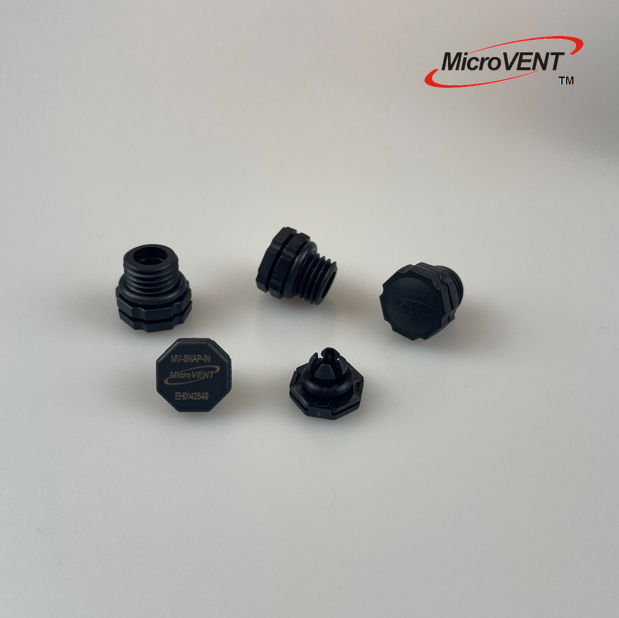
When engineers and builders first hear that a material can form an airtight seal and still allow moisture vapor to pass through, the concept sounds contradictory. Yet breathable foil does exactly that. It is a specialized membrane technology engineered to block bulk air and liquid infiltration while simultaneously permitting water vapor molecules to migrate outward. The result is a sealed assembly that does not trap moisture, does not build up pressure, and does not compromise the structural integrity of the application it protects.
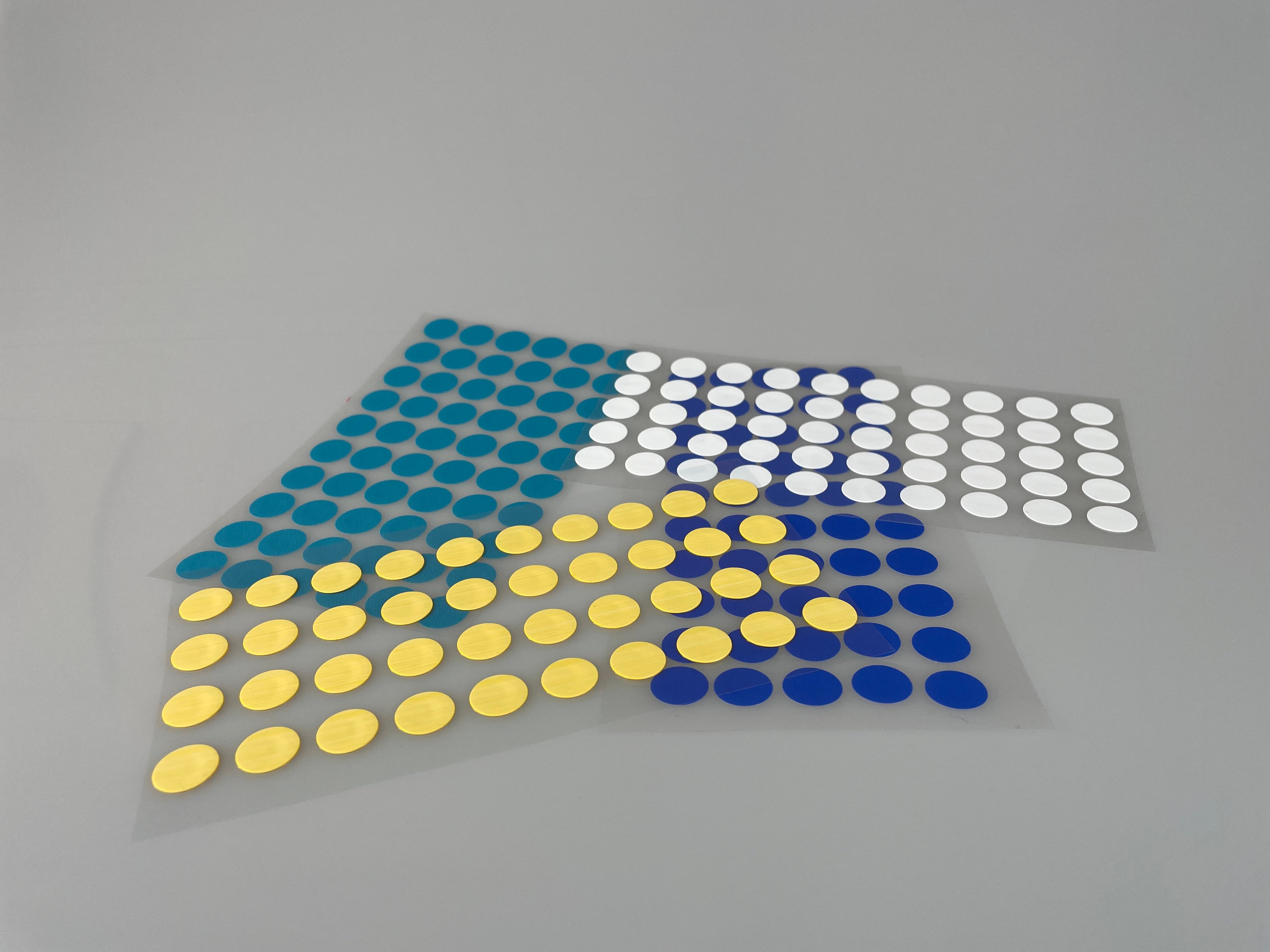
MicroVent® breathable foil represents this technology in a practical, adhesive-backed format that can be applied to housings, enclosures, packaging assemblies, and architectural membranes. Understanding how breathable foil works, where it performs best, and what makes it different from conventional sealing materials helps procurement teams, design engineers, and product developers make better decisions. This article explains the science, the structural advantages, and the real-world scenarios where breathable foil delivers measurable value.
The Science Behind Breathable Foil
How Vapor Permeability and Air Resistance Coexist
The defining characteristic of breathable foil is its microporous or monolithic membrane structure. In a microporous design, the foil contains millions of microscopic pores that are large enough to allow water vapor molecules to pass through but far too small for liquid water droplets or air currents to penetrate. This size differential is the physical basis for the material's dual function. Breathable foil achieves airtight sealing because bulk airflow requires continuous open channels, which the membrane structure simply does not provide.
Monolithic breathable foil operates on a slightly different principle. Instead of physical pores, it uses a polymer matrix that absorbs moisture on one face, transports it through the material via molecular diffusion, and releases it on the opposite face. Both approaches give breathable foil its signature property: measurable vapor transmission combined with verified air and water resistance. Choosing between microporous and monolithic breathable foil depends on the thermal performance requirements, chemical exposure conditions, and the specific vapor transmission rate needed for the application.
What the Airtight Seal Actually Means in Practice
An airtight seal formed by breathable foil is not a compromise seal. It meets defined air permeability standards used in building envelopes, electronic enclosure testing, and industrial packaging validation. When breathable foil is correctly applied with its pressure-sensitive adhesive layer, it conforms tightly to substrate surfaces, eliminating gaps where uncontrolled airflow could occur. This makes breathable foil suitable for applications where air leakage would cause pressure imbalance, contamination, or energy loss. The seal holds under vibration, thermal cycling, and humidity variation — conditions that frequently cause conventional tape or gasket solutions to degrade over time.
Where Breathable Foil Delivers the Most Value
Electronic Enclosures and Outdoor Housings
One of the most demanding environments for any sealing material is an outdoor electronic enclosure. Temperature swings cause internal air to expand and contract, generating pressure differentials that can force contaminants through even minor seal weaknesses. Breathable foil solves this problem directly. By allowing vapor and pressure to equalize passively, breathable foil removes the mechanical stress on gaskets and connectors, extending service life without requiring pressure relief valves or active management systems. Manufacturers of LED lighting assemblies, outdoor sensors, and telecommunications enclosures rely on breathable foil to maintain IP-rated ingress protection while preventing condensation buildup inside sealed units.
Breathable foil in this context acts as a passive pressure equalizer. When internal temperature rises, air pressure increases slightly, and breathable foil allows that pressure to dissipate gradually through vapor-phase exchange rather than forcing a seal failure. When the enclosure cools, moisture-laden outside air is not drawn in as a liquid — breathable foil blocks the liquid phase entirely. This one-directional protection profile is exactly what electronics protection engineers need from a breathable foil solution.
Construction Membranes and Architectural Applications
In building construction, breathable foil is used as an underlay beneath roofing materials, behind cladding systems, and as a wrap around structural panels. The function is consistent: breathable foil prevents wind-driven rain and external moisture from entering the wall or roof assembly while allowing internally generated vapor — from occupant activity, cooking, bathing, and breathing — to migrate outward. Without breathable foil, vapor that cannot escape condenses within the insulation layer, reducing its thermal performance and eventually causing mold growth and structural decay.
Breathable foil in construction must also resist UV exposure during installation gaps, tolerate mechanical fastening, and maintain performance over a building's design life. Adhesive-backed breathable foil formats, such as those in the MicroVent® range, simplify installation around penetrations, joints, and irregular surfaces where standard roll-format breathable foil is difficult to seal completely. The adhesive layer allows breathable foil to bond directly to framing members or panel edges without additional taping products.
Selecting the Right Breathable Foil for Your Application
Key Performance Parameters to Evaluate
Not all breathable foil products perform equally across different environments. The vapor transmission rate, expressed as grams per square meter per day, determines how quickly breathable foil can clear moisture from an assembly. Higher rates suit applications where vapor loads are heavy or temperature differentials are significant. Air permeability resistance, measured in Pascals per meter per second, confirms how effectively the breathable foil blocks uncontrolled airflow. A breathable foil with a very high vapor transmission rate but insufficient air resistance may not meet airtight seal requirements in pressurized enclosures.
Temperature range, chemical compatibility, and UV resistance are secondary parameters that determine whether a breathable foil will maintain its rated performance over time. Adhesive type matters as well: breathable foil used in humid environments needs an adhesive formulated to bond reliably to surfaces that may carry light condensation or manufacturing residues. Evaluating breathable foil against the full operating condition profile — not just the nominal ambient environment — ensures that the selected product continues to perform through the application lifecycle.
Format and Integration Considerations
Breathable foil is available in roll stock, die-cut formats, and pre-applied tape configurations. For high-volume manufacturing, die-cut breathable foil reduces installation time and eliminates field measurement errors. Adhesive-backed breathable foil in tape format works well for sealing irregular geometries, pipe penetrations, and service entry points. Selecting the correct format for breathable foil ensures that the sealing performance specified during design is consistently achieved during production or installation.
FAQ
Is breathable foil the same as a vapor barrier?
No. A vapor barrier is designed to block all moisture vapor movement, while breathable foil is engineered to allow controlled vapor transmission. Breathable foil permits moisture vapor to escape from an assembly while still blocking liquid water and bulk airflow. The two products serve opposite moisture management strategies and should not be used interchangeably.
Can breathable foil be used in submerged or constantly wet conditions?
Breathable foil is designed to resist liquid water contact and prevent water ingress, but it is not intended for permanent immersion. In consistently submerged conditions, hydrostatic pressure can exceed the water entry resistance of the membrane. Breathable foil performs reliably in splash, rain, condensation, and intermittent wet exposure scenarios, which cover the majority of construction and electronics housing applications.
How is breathable foil applied to irregular or curved surfaces?
Adhesive-backed breathable foil, such as the MicroVent® format, is specifically designed for application to non-flat surfaces. The pressure-sensitive adhesive layer conforms to curves, steps, and irregular joint lines when pressed firmly into place. For tight radii or complex shapes, die-cut breathable foil pieces can be pre-formed to match the surface geometry, ensuring full contact adhesion and a consistent airtight seal across the entire bonded area.