EN
EN
 AR
AR
 CS
CS
 FR
FR
 DE
DE
 IT
IT
 JA
JA
 KO
KO
 PT
PT
 RU
RU
 ES
ES
 ID
ID
 VI
VI
 TH
TH
 TR
TR
 MS
MS

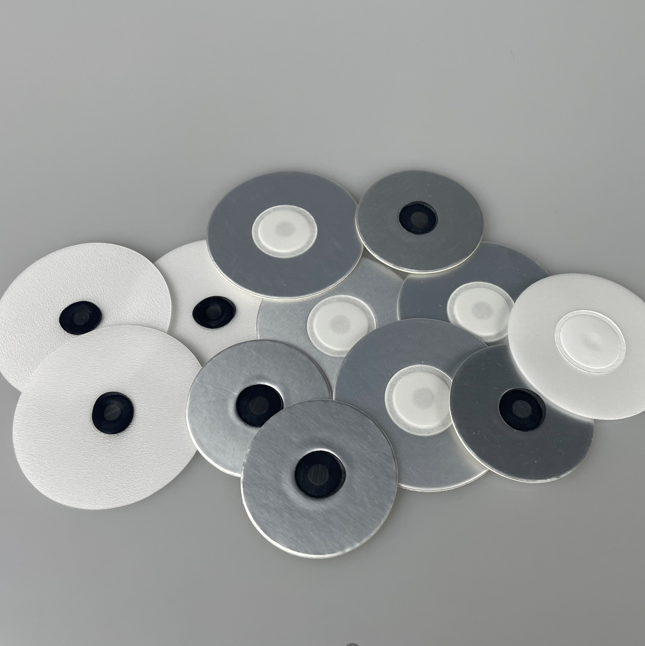
In demanding industrial environments, maintaining reliable filtration and contamination control is critical. The porous ePTFE membrane has become a leading solution for engineers and product designers who need a high-efficiency particulate barrier without compromising airflow or pressure equalization. Its unique microstructure makes it exceptionally effective at blocking fine particles while still permitting gases to pass through freely.
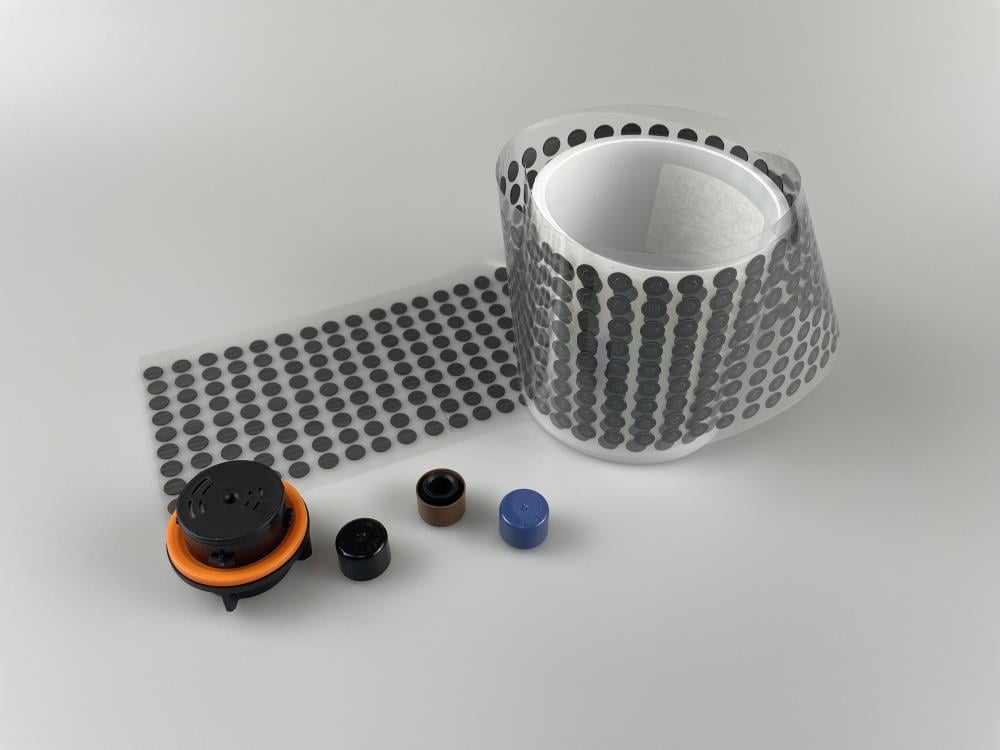
The MicroVent® porous ePTFE membrane is specifically engineered to combine mechanical strength with outstanding filtration performance. Understanding the structural characteristics of a porous ePTFE membrane helps engineers select the right material for enclosures, sensors, medical devices, and electronic assemblies. This article examines what makes the porous ePTFE membrane structure so effective as a particulate barrier and how its physical properties translate into real-world protection.
The Structural Foundation of Porous ePTFE Membrane
How Expanded PTFE Creates a Filtration Network
The term 'expanded' refers to the manufacturing process in which PTFE resin is stretched in a controlled manner to create a porous ePTFE membrane with an interconnected node-and-fibril network. This process produces millions of microscopic pores uniformly distributed across the material. The result is a porous ePTFE membrane that simultaneously acts as a physical barrier against particulates and as a breathable, pressure-equalizing layer. Because the pore geometry is precisely controlled during expansion, each porous ePTFE membrane sheet delivers consistent filtration performance across its entire surface area.
The fibril structure of a porous ePTFE membrane is remarkably fine, often measured at the sub-micron level. This allows the porous ePTFE membrane to capture particles such as dust, aerosols, and airborne contaminants that would pass through conventional filter materials. Engineers who specify a porous ePTFE membrane for their applications gain a material whose porosity is not simply a hole pattern but a three-dimensional, tortuous path that traps particles through both interception and diffusion mechanisms. Every layer of the porous ePTFE membrane contributes to its overall barrier efficiency.
Material Chemistry and Surface Properties
Beyond physical structure, the intrinsic chemistry of a porous ePTFE membrane plays a significant role in its barrier effectiveness. PTFE is inherently hydrophobic, meaning a porous ePTFE membrane naturally repels liquid water while still allowing water vapor and air to pass. This hydrophobicity protects the porous ePTFE membrane from liquid ingress that could reduce airflow or introduce contamination. In outdoor electronics housings or automotive sensor covers, the porous ePTFE membrane prevents moisture entry while maintaining pressure balance, reducing the risk of condensation-related failures.
The chemical inertness of a porous ePTFE membrane also means it resists degradation from acids, bases, solvents, and most industrial chemicals. This makes the porous ePTFE membrane suitable for use in chemically aggressive environments where other polymer membranes would deteriorate over time. The combination of hydrophobicity, chemical resistance, and fine pore structure positions the porous ePTFE membrane as a durable, long-service-life particulate barrier across a wide range of industries.
Particulate Barrier Performance of Porous ePTFE Membrane
Filtration Efficiency Across Particle Size Ranges
One of the most important performance attributes of a porous ePTFE membrane is its ability to achieve high filtration efficiency across a broad range of particle sizes. A properly specified porous ePTFE membrane can meet or exceed HEPA-level efficiency standards, capturing 99.97% or more of particles at the most penetrating particle size. This level of performance makes the porous ePTFE membrane suitable for cleanroom venting, pharmaceutical packaging, medical device housings, and precision electronics enclosures where particle contamination must be minimized.
Unlike depth-loading filter media, a porous ePTFE membrane primarily collects particles on its surface, which enables easier cleaning or replacement in reusable designs. The surface-loading characteristic also means that a porous ePTFE membrane maintains relatively stable airflow resistance over time, because blockage is less likely to penetrate deeply into the material. This predictability is valuable for system designers who need to maintain consistent venting performance throughout the service life of a product integrating a porous ePTFE membrane.
Balancing Airflow and Particle Exclusion
A common challenge in filtration design is balancing particle exclusion with adequate airflow. The porous ePTFE membrane addresses this challenge effectively because its high porosity enables significant gas permeability even as the fine fibril network blocks particulates. Engineers can select a porous ePTFE membrane with different pore sizes and thicknesses to achieve the specific combination of airflow resistance and particle retention required for their application. Thinner versions of the porous ePTFE membrane offer lower pressure drop, while thicker configurations provide added mechanical support and enhanced barrier depth.
In pressure-equalizing vents for sealed enclosures, the porous ePTFE membrane must pass air quickly enough to prevent pressure differentials from stressing enclosure seals or gaskets. At the same time, the porous ePTFE membrane must block dust and moisture to protect sensitive internal components. MicroVent® designs leverage the porous ePTFE membrane structure to meet both requirements simultaneously, making it a preferred material choice for engineers designing robust, long-life electronic and sensor housings.
Industrial Applications Where Porous ePTFE Membrane Excels
Electronics, Automotive, and Medical Use Cases
The porous ePTFE membrane finds widespread use in electronics enclosures, where it is integrated into vent plugs and protective covers to maintain internal pressure balance while excluding dust and water. Automotive manufacturers rely on the porous ePTFE membrane in sensor housings, control modules, and lighting assemblies, where thermal cycling creates pressure fluctuations that the porous ePTFE membrane efficiently accommodates. In medical devices, the porous ePTFE membrane provides a sterile barrier that allows sterilizing agents such as ethylene oxide to penetrate packaging while blocking microbial contamination during storage and transport.
Industrial enclosures for outdoor power electronics, telecommunications infrastructure, and heavy equipment benefit greatly from the porous ePTFE membrane because these environments expose equipment to dust, humidity, and chemical vapors. The porous ePTFE membrane acts as the first line of defense, ensuring that particulates do not reach sensitive circuit boards or connectors. Specifying a porous ePTFE membrane in these applications reduces maintenance intervals and lowers the risk of contamination-driven failure.
Selecting the Right Porous ePTFE Membrane Grade
Not every porous ePTFE membrane grade suits every application. When selecting a porous ePTFE membrane, engineers should evaluate pore size, thickness, support layer construction, and any additional laminate layers that may affect mechanical durability or thermal resistance. For high-temperature environments, a porous ePTFE membrane with a reinforced support backing maintains dimensional stability. For applications requiring IP67 or IP68 water ingress protection ratings, the porous ePTFE membrane must pass rigorous hydrostatic pressure tests to confirm liquid exclusion performance. Consulting application-specific data sheets ensures the porous ePTFE membrane chosen will deliver the intended barrier protection throughout the product lifecycle.
FAQ
What makes a porous ePTFE membrane different from standard filter media?
A porous ePTFE membrane differs from standard filter media because it combines an extremely fine, three-dimensional fibril-and-node microstructure with inherent chemical resistance and hydrophobicity. This allows the porous ePTFE membrane to achieve high particle capture efficiency while maintaining breathability, something that most conventional filter materials cannot offer at the same performance level.
Can a porous ePTFE membrane maintain its performance in harsh outdoor environments?
Yes. The porous ePTFE membrane is chemically inert and UV-stable, which means it resists degradation from sunlight, rain, industrial pollutants, and temperature extremes. When properly laminated or supported, a porous ePTFE membrane used in outdoor applications retains its filtration efficiency and hydrophobic barrier properties over long service periods without requiring frequent replacement.
How is a porous ePTFE membrane integrated into an enclosure vent design?
A porous ePTFE membrane is typically die-cut to precise dimensions and then bonded or ultrasonically welded into a vent plug, port cover, or protective disc assembly. The porous ePTFE membrane is secured so that it spans an opening in the enclosure, allowing air to exchange freely while blocking particles and moisture. Proper sealing around the edges of the porous ePTFE membrane is essential to prevent bypass leakage that would compromise barrier performance.