EN
EN
 AR
AR
 CS
CS
 FR
FR
 DE
DE
 IT
IT
 JA
JA
 KO
KO
 PT
PT
 RU
RU
 ES
ES
 ID
ID
 VI
VI
 TH
TH
 TR
TR
 MS
MS

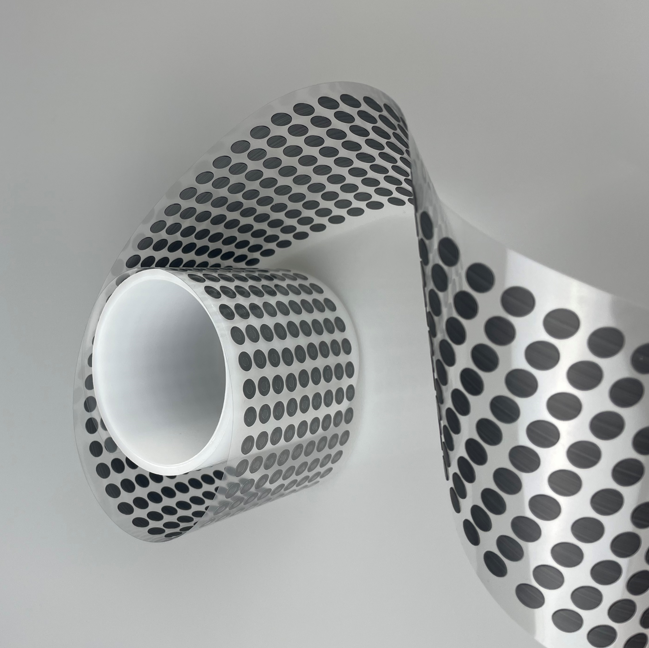
When products travel by air or move through high-altitude supply chains, the pressure difference between a sealed package interior and the outside atmosphere can become a serious engineering challenge. A well-designed packaging valve is the critical component that allows trapped air or gas to escape without letting outside air enter, maintaining structural integrity and product quality throughout the journey. Without this capability, packages swell, seals rupture, and contents are exposed to contamination or damage. Understanding how a packaging valve responds to altitude-induced pressure changes is essential for any brand relying on air freight or mountain-region distribution.
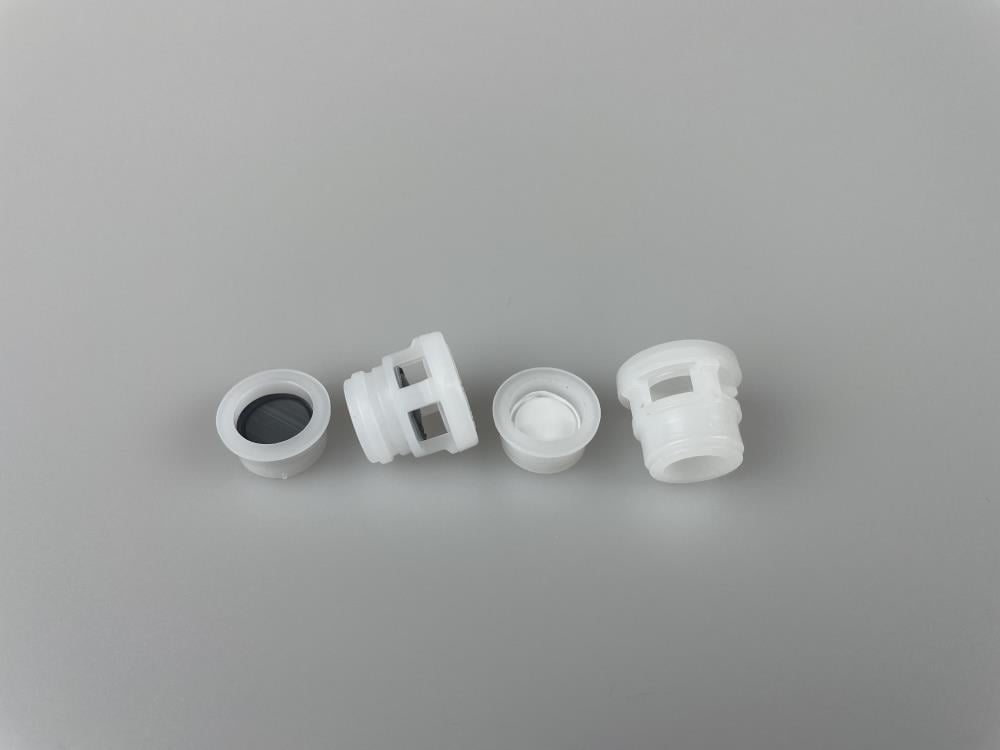
MicroVent® has engineered its packaging valve technology specifically to address the physics of altitude-driven pressure variation. Each packaging valve in the MicroVent® range is built with precision-calibrated cracking pressure thresholds, allowing the valve to respond proportionally as cabin pressure drops or as packages ascend mountain distribution routes. This article explains the mechanism behind this response, the structural features that make it reliable, and the practical scenarios where this packaging valve technology delivers the most measurable benefit to packaging performance.
The Physics of Altitude and Sealed Packaging
Why Pressure Differential Builds Inside a Package
At sea level, the pressure inside a sealed package is roughly equal to atmospheric pressure. As altitude increases, whether inside a cargo aircraft hold or on a truck climbing a mountain pass, the external pressure drops. The gas trapped inside the package now exerts a net outward force on every surface. A packaging valve is the only controlled pathway for that excess internal pressure to safely exit. Without a packaging valve, the only release mechanism is the seal itself, which is a far less reliable and repeatable option.
The magnitude of this pressure differential depends on how high the package travels and how quickly. A commercial cargo hold can reach pressure conditions equivalent to altitudes between 6,000 and 8,000 feet even when the aircraft cruises much higher. A packaging valve rated for this differential range allows gas to vent at a calibrated threshold, preventing ballooning without losing the protective seal of the package. This controlled release is what separates a properly equipped package from one that fails mid-flight.
How the Packaging Valve Cracking Pressure Is Set
The cracking pressure of a packaging valve is the minimum differential pressure at which the valve begins to open and allow gas flow outward. MicroVent® engineering teams calibrate this threshold based on the expected altitude range of each distribution scenario. For standard air freight, a packaging valve with a low cracking pressure activates early in ascent, releasing pressure gradually rather than allowing it to build to a damaging level. For high-altitude ground transport, the packaging valve threshold is tuned to match the slower, sustained pressure shift typical of mountain routes.
MicroVent® Structural Design for Altitude Performance
One-Way Flow Architecture in the Packaging Valve
The core structural feature of every MicroVent® packaging valve is one-way flow control. The packaging valve permits outward gas venting when internal pressure exceeds the cracking threshold, but it seals firmly against inward airflow when external pressure exceeds internal pressure during descent. This bidirectional sealing behavior is critical because re-pressurization during aircraft descent or when a truck descends from altitude would otherwise draw outside air, moisture, and contaminants back into the package. The packaging valve membrane is engineered to respond to these reversals automatically and repeatedly without mechanical fatigue.
MicroVent® uses a multi-layer disc membrane within each packaging valve. This membrane deforms elastically when outward pressure difference is sufficient, opening a controlled flow path. When the differential reverses, the membrane seats against its sealing surface with positive force proportional to the inward pressure, ensuring no back-flow. This self-seating behavior means the packaging valve performs reliably across repeated altitude cycles, which is common for products redistributed through multiple air legs or multi-elevation ground routes.
Material Selection and Environmental Resistance
A packaging valve exposed to altitude changes also encounters temperature fluctuations. At cruising altitude, cargo holds can reach very low temperatures, which affects the flexibility and sealing performance of valve materials. MicroVent® selects membrane materials for the packaging valve that retain elastic properties across a broad temperature range. This ensures the packaging valve does not become brittle and fail to open at low temperatures, nor does it lose sealing compliance at ambient temperatures. The housing of the packaging valve is also designed to bond cleanly with flexible laminate films, rigid trays, and composite bag structures without creating stress concentrations that could crack under altitude-induced mechanical loading.
Practical Applications Where Altitude Performance Matters Most
Air Freight of Specialty Foods and Nutraceuticals
Specialty food producers and nutraceutical brands depend on a reliable packaging valve to protect freshness during air freight. Roasted coffee, snack mixes, protein powders, and dried botanicals all release gases during storage, and altitude amplifies the pressure those gases exert. A packaging valve calibrated for air freight conditions allows these gases to escape without admitting oxygen during descent. This packaging valve function directly preserves aroma, texture, and active ingredient stability. Without a packaging valve, the only option is over-packaging with excessive headspace, which increases shipping weight and reduces shelf presentation quality.
High-Altitude Ground Distribution in Regional Markets
Not every altitude challenge involves aircraft. Ground distribution in mountainous regions subjects packages to sustained low-pressure conditions for extended periods. A packaging valve designed for these conditions must vent slowly and seal reliably over hours rather than the shorter cycles typical of air cargo. MicroVent® packaging valve models intended for high-altitude ground routes use a slightly higher cracking pressure threshold to avoid premature venting on minor elevation changes while still protecting against the full pressure differential at peak altitude. This packaging valve tuning is a critical distinction for distributors operating in regions where elevation changes are significant and frequent.
FAQ
What cracking pressure should a packaging valve have for air freight?
For standard commercial air freight, a packaging valve with a cracking pressure between 5 and 15 millibar is typically appropriate. This range allows the packaging valve to open early enough during ascent to prevent damaging pressure buildup while still maintaining a seal under normal handling conditions on the ground. The exact setting depends on the gas volume inside the package and the speed of pressurization change expected during flight.
Can a packaging valve reseal after altitude pressure is released?
Yes. A properly engineered packaging valve is designed to reseal automatically once the internal and external pressures equalize or when external pressure exceeds internal pressure during descent. The MicroVent® packaging valve membrane returns to its sealed position through elastic recovery, creating a positive seal that prevents inward air migration. This resealing behavior is repeatable across multiple altitude cycles without performance degradation under normal operating conditions.
Is a packaging valve suitable for both rigid and flexible packaging formats?
A packaging valve can be integrated into a wide range of packaging formats including flexible stand-up pouches, flat laminates, rigid canisters, and composite containers. MicroVent® designs its packaging valve with an adhesive bonding layer compatible with most commercially used packaging substrates. The packaging valve footprint is compact enough to fit standard pouch panel dimensions without interfering with graphics or zipper features, making it a versatile solution for brands using different packaging formats across product lines.