EN
EN
 AR
AR
 CS
CS
 FR
FR
 DE
DE
 IT
IT
 JA
JA
 KO
KO
 PT
PT
 RU
RU
 ES
ES
 ID
ID
 VI
VI
 TH
TH
 TR
TR
 MS
MS

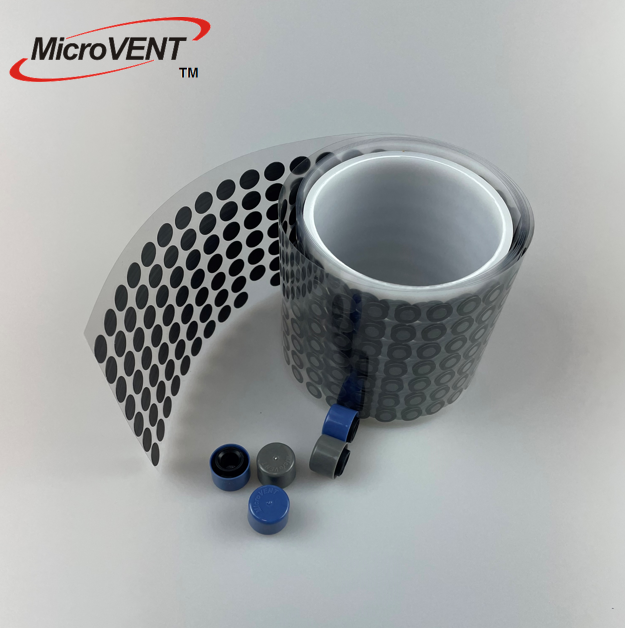
Waterproof gadgets have transformed how consumers interact with technology in demanding environments, but one persistent challenge has always been maintaining sound quality behind protective barriers. The acoustic membrane for speaker is the engineering solution that resolves this conflict directly. By allowing sound waves to pass through while blocking water, dust, and contaminants, an acoustic membrane for speaker enables device designers to deliver both rugged protection and rich audio performance in the same product.
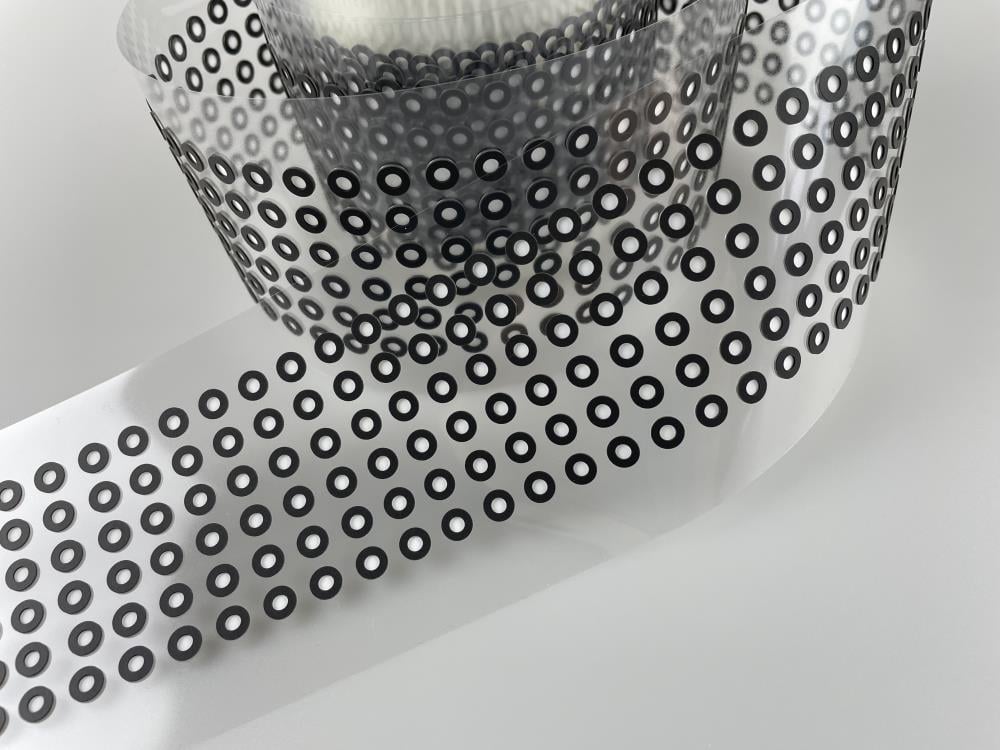
The MicroVent® acoustic membrane for speaker is specifically engineered to meet the expectations of modern waterproof device manufacturers. Whether the application involves action cameras, smartwatches, wireless earbuds, or ruggedized communication devices, the acoustic membrane for speaker sits at the intersection of acoustic performance and environmental sealing. This article explores how this technology works, why it matters for immersive audio, and what product engineers should consider when specifying an acoustic membrane for speaker in their next design.
How an Acoustic Membrane for Speaker Works
The Physics Behind Sound Transmission and Water Resistance
An acoustic membrane for speaker functions by exploiting the physical difference between sound waves and liquid molecules. Sound waves are pressure variations that travel through air, and a correctly designed acoustic membrane for speaker is thin and flexible enough to vibrate in response to those pressure changes. Water molecules, however, are far larger than air molecules and cannot penetrate the tightly woven microstructure of a quality acoustic membrane for speaker. The result is a component that is acoustically transparent yet physically impermeable to liquids and particulates.
The material composition of an acoustic membrane for speaker typically involves expanded polytetrafluoroethylene, commonly known as ePTFE, or other advanced polymer films. These materials are chosen because their microporous structure achieves the precise balance of low acoustic impedance and high ingress protection. When an acoustic membrane for speaker is integrated into a speaker port, it preserves the natural resonance of the transducer while maintaining IP67 or IP68 ratings, which require complete protection against water immersion.
Pressure Equalization as a Secondary Function
Beyond sound transmission, the acoustic membrane for speaker also performs passive pressure equalization. In sealed waterproof enclosures, temperature changes and altitude shifts create internal pressure differentials that can mechanically stress speaker diaphragms and distort output. A well-specified acoustic membrane for speaker allows micro-scale airflow that compensates for these pressure differences without allowing water ingress. This dual function makes the acoustic membrane for speaker a critical sealing component rather than a simple mesh covering.
Why Immersive Audio Demands an Acoustic Membrane for Speaker
The Immersion Gap in Waterproof Device Design
Consumer expectations for waterproof gadgets have risen sharply. Users expect a device rated for underwater use to still deliver full-spectrum audio, not muffled or distorted sound that signals compromise. Without an acoustic membrane for speaker, device manufacturers must choose between sealing speaker openings completely, which eliminates audio output, or leaving openings unprotected, which compromises water resistance ratings. The acoustic membrane for speaker eliminates this trade-off by acting as a transparent acoustic interface between the speaker cavity and the external environment.
Deeper immersion means the device is exposed to higher hydrostatic pressure, which increases the risk of water ingress through even small openings. The acoustic membrane for speaker must therefore be rated not only for surface splash protection but for sustained submersion. Products designed for swimming, diving, or industrial wash-down environments require an acoustic membrane for speaker that has been validated under pressure test conditions reflecting actual use scenarios. This validation is what separates a performance-grade acoustic membrane for speaker from a basic protective mesh.
Audio Clarity and Frequency Response Preservation
One of the most technically demanding requirements for an acoustic membrane for speaker is maintaining flat frequency response across the audible range. A membrane that introduces resonance peaks or attenuates high-frequency content will make audio output sound colored or unnatural. Manufacturers of premium waterproof gadgets specify an acoustic membrane for speaker with insertion loss data across the full frequency band to ensure that the membrane does not degrade the carefully tuned acoustic output of the speaker assembly. The MicroVent® acoustic membrane for speaker is engineered with this performance standard in mind, supporting clear, wide-range audio reproduction even in fully sealed housings.
Design and Integration Considerations for Engineers
Selecting the Right Acoustic Membrane for Speaker in Your Application
Choosing the correct acoustic membrane for speaker begins with understanding the acoustic requirements of the speaker driver and the environmental rating target of the end product. The surface area of the acoustic membrane for speaker affects both acoustic performance and structural integrity under pressure. A larger membrane surface allows more air movement, which supports lower-frequency response, while a smaller acoustic membrane for speaker may be necessary to fit compact device form factors. Engineers must balance these variables alongside the membrane mounting method, which can involve adhesive bonding, overmolding, or mechanical retention depending on the housing design.
The acoustic membrane for speaker must also be evaluated for long-term reliability under repeated immersion cycles, UV exposure, temperature cycling, and chemical contact with cleaning agents or body fluids in wearable applications. A reliable acoustic membrane for speaker should retain its acoustic and sealing properties across thousands of exposure cycles to support the full service life of the device. Specifying an acoustic membrane for speaker that has been tested to relevant industry standards, such as IEC 60529 for ingress protection, provides documented confidence in its performance claims.
Integration Into the Speaker Port Architecture
The acoustic membrane for speaker is typically supplied as a die-cut component sized precisely to the speaker port opening in the device housing. Proper adhesion of the acoustic membrane for speaker to the housing substrate is critical to maintaining the water seal. Any gap or lifting at the membrane edge creates a potential ingress path that can void the device's waterproof rating. Device manufacturers who treat the acoustic membrane for speaker as a precision sealing component rather than an afterthought will achieve more consistent ingress protection test results and lower field return rates.
FAQ
What makes an acoustic membrane for speaker different from a standard speaker grille mesh?
A standard speaker grille mesh is designed only to block physical debris and does not provide meaningful water resistance. An acoustic membrane for speaker uses a microporous polymer film that blocks liquid ingress while remaining acoustically transparent, enabling the device to carry both an audio function and a waterproof rating simultaneously.
Can an acoustic membrane for speaker support both IP67 and IP68 ratings?
Yes. A properly specified acoustic membrane for speaker can be validated to support IP68 ratings, which require sustained submersion beyond one meter depth. The membrane must be pressure-tested under conditions matching the target rating, and the bonding method used to install the acoustic membrane for speaker must also be verified to maintain the seal under those conditions.
How does the acoustic membrane for speaker affect the overall loudness of a waterproof speaker?
A high-quality acoustic membrane for speaker introduces minimal insertion loss, typically less than a few decibels across the primary listening frequency range. While some marginal attenuation may occur compared to an open speaker port, the acoustic membrane for speaker is designed to preserve perceived loudness and tonal balance closely enough that most listeners will not notice a difference in a finished product tuned with the membrane in place.