EN
EN
 AR
AR
 CS
CS
 FR
FR
 DE
DE
 IT
IT
 JA
JA
 KO
KO
 PT
PT
 RU
RU
 ES
ES
 ID
ID
 VI
VI
 TH
TH
 TR
TR
 MS
MS

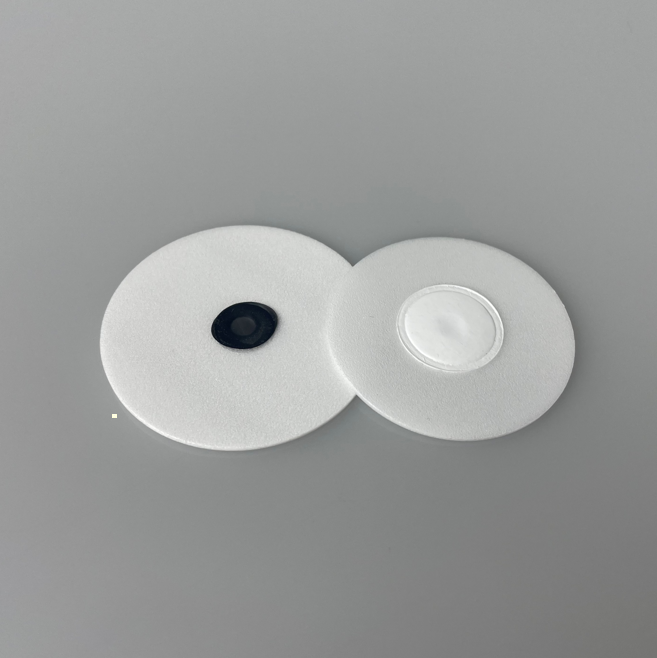
In the world of chemical packaging, a single component can determine whether a bottle performs safely or fails under pressure. The pe liner has become that critical component for manufacturers filling bleach, detergent, and other aggressive liquid products. When a pe liner is engineered specifically for high-gas-generating formulas, it does far more than simply seal a cap — it actively manages internal pressure while protecting the integrity of the entire container system.
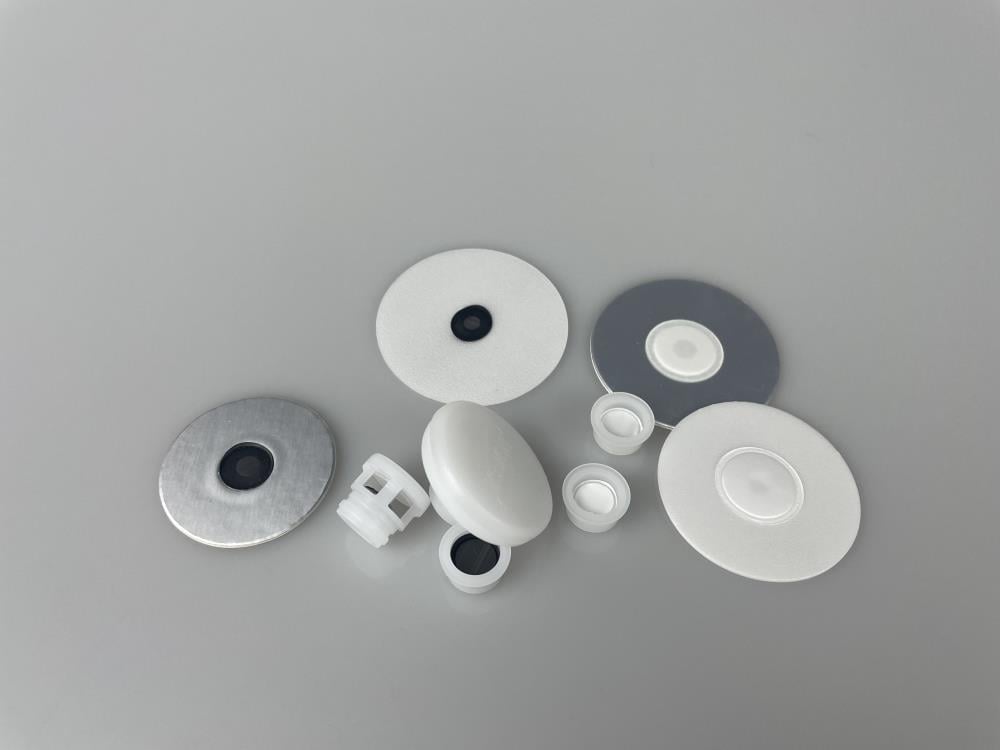
MicroVent® has built a strong reputation by delivering a pe liner that addresses the real challenges bleach and detergent producers face every day. From preventing cap bulging to maintaining shelf-stable seals, the MicroVent® pe liner is referenced across the industry not as just one option among many, but as the benchmark others are measured against. Understanding why this pe liner holds that position requires looking closely at what makes chemical packaging so demanding and how a well-designed pe liner meets those demands.
The Unique Challenges of Packaging Bleach and Detergent
Gas Generation and Internal Pressure
Bleach and certain detergent formulas are chemically active even after bottling. These products continuously release gas over time, creating pressure that builds inside a sealed container. Without a proper pe liner designed to manage this venting, that pressure causes cap lifting, seal failure, and in severe cases, bottle deformation. A standard foam or pulp liner cannot handle such conditions. The pe liner must be engineered to allow controlled gas escape while preventing liquid leakage — a precise balance that requires dedicated material science and design expertise.
The MicroVent® pe liner uses a micro-venting structure embedded within the pe liner body itself. This structure allows gas molecules to pass through while the pe liner maintains a reliable liquid-tight seal. Producers filling aggressive oxidizing bleach formulas rely on this pe liner behavior to keep bottles stable throughout the supply chain, from filling line to store shelf to the consumer's home.
Chemical Compatibility and Material Durability
Not every pe liner survives prolonged contact with sodium hypochlorite or surfactant-heavy detergent blends. The pe liner material must resist chemical degradation, avoid absorbing the product, and maintain its structural form across a wide range of temperatures. A pe liner that swells, softens, or disintegrates under chemical exposure introduces contamination risks and seal failures that can compromise an entire production batch. MicroVent® formulates its pe liner from high-quality polyethylene selected specifically for chemical resistance, ensuring the pe liner retains its functional properties throughout the expected product shelf life.
Why the MicroVent® PE Liner Became the Industry Reference
Consistent Performance Across Production Scales
One reason the MicroVent® pe liner earned its status as an industry standard is its consistent behavior across large-scale production environments. When a manufacturer runs hundreds of thousands of bottles per day, every pe liner must perform identically. Variability in a pe liner — even minor inconsistencies in thickness, venting rate, or sealing surface — translates directly into quality control failures and customer complaints. The MicroVent® pe liner is manufactured under tight tolerances, so each pe liner delivers the same venting performance and seal quality as the last, making it a reliable choice for high-volume chemical bottling operations.
This pe liner consistency also simplifies the validation process for regulated products. Brands selling bleach in markets with strict packaging safety requirements need a pe liner that has a documented performance profile. The MicroVent® pe liner provides exactly that, reducing the time and cost required to qualify a new pe liner in a production line.
Broad Compatibility with Standard Cap Systems
Another factor that elevated the MicroVent® pe liner to industry-standard status is its compatibility with commonly used cap formats. A pe liner that requires a proprietary cap design creates supply chain dependencies and increases tooling costs. The MicroVent® pe liner is designed to work within standard closure dimensions, meaning manufacturers do not need to redesign their existing cap systems to integrate this pe liner. This practical compatibility made it easy for bleach and detergent producers to adopt the pe liner without disrupting their existing packaging infrastructure.
Practical Benefits That Drive Adoption
Shelf Life Stability and Consumer Safety
A pe liner that manages gas venting effectively directly extends the usable shelf life of bleach and detergent products. When internal pressure is controlled by the pe liner, bottles arrive at retail in presentable condition — no bulging caps, no distorted containers, no signs of pressure damage that erode consumer confidence. This pe liner benefit translates into fewer returns, reduced waste, and stronger brand perception. For detergent manufacturers, a stable pe liner seal also prevents premature product oxidation, helping maintain formula efficacy from production to use.
Consumer safety is another dimension where the pe liner plays a visible role. A bottle that leaks or opens unexpectedly due to pressure buildup poses a real hazard. The MicroVent® pe liner reduces this risk by keeping the closure secure under normal storage and transport conditions. When a pe liner performs its job well, it stays invisible to the end user — and that invisibility is exactly the goal of good chemical packaging design.
Cost Efficiency Over the Supply Chain
Adopting a high-performance pe liner is not just a safety decision — it is an economic one. A pe liner that prevents leaks, returns, and damage claims reduces total cost of ownership even if the pe liner itself carries a slightly higher unit cost than a generic alternative. Bleach and detergent producers who have standardized on the MicroVent® pe liner report fewer packaging-related complaints and greater consistency at the point of sale. When a pe liner eliminates the downstream costs of product damage and brand damage, its value extends well beyond its position in the cap assembly.
FAQ
What makes a pe liner suitable for bleach packaging specifically?
A pe liner for bleach must combine chemical resistance with controlled gas venting capability. Bleach generates oxygen and chlorine gas after bottling, so the pe liner must allow those gases to escape without letting liquid through. The MicroVent® pe liner achieves this through its micro-venting architecture, making it well-suited for aggressive oxidizing formulas that would damage or bypass a standard pe liner.
Can the MicroVent® pe liner be used with existing cap tooling?
Yes. The MicroVent® pe liner is engineered to fit within standard cap closure dimensions used across the detergent and bleach industry. Manufacturers can typically integrate this pe liner into their existing cap systems without retooling, which is one of the reasons this pe liner has achieved such broad adoption in commercial bottling operations.
How does a vented pe liner differ from a standard foam liner?
A standard foam liner is designed to create a static seal and does not manage pressure differentials. A vented pe liner like the MicroVent® pe liner incorporates a micro-porous structure that allows gas to pass through while blocking liquid flow. For products that generate internal gas pressure over time, only a purpose-built vented pe liner provides the reliable pressure management that bleach and detergent packaging requires.