EN
EN
 AR
AR
 CS
CS
 FR
FR
 DE
DE
 IT
IT
 JA
JA
 KO
KO
 PT
PT
 RU
RU
 ES
ES
 ID
ID
 VI
VI
 TH
TH
 TR
TR
 MS
MS

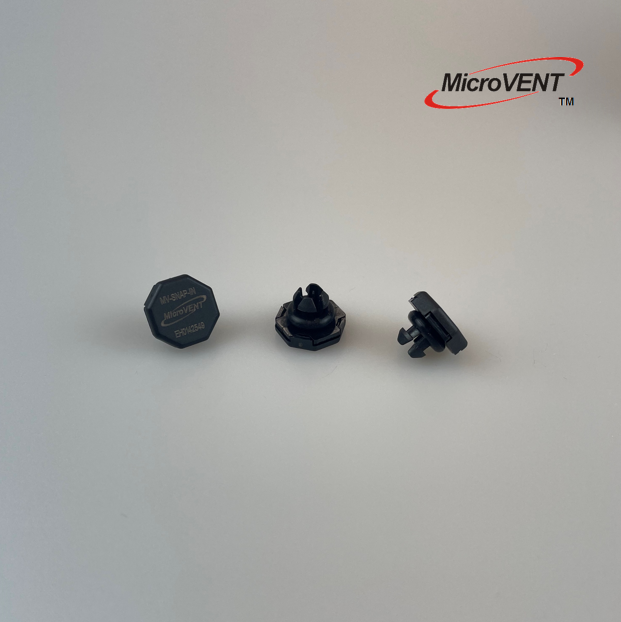
When engineers design outdoor or industrial lighting fixtures, one of the most persistent challenges is managing internal pressure fluctuations caused by temperature changes. Every time a fixture heats up and cools down, pressure differences build inside the sealed housing. Without a reliable pressure equalization solution, those pressure differences attack seals, force moisture inward, and shorten product life. The ePTFE membrane for lighting addresses this problem directly by allowing air to pass while blocking water and contaminants, protecting the integrity of the entire fixture.
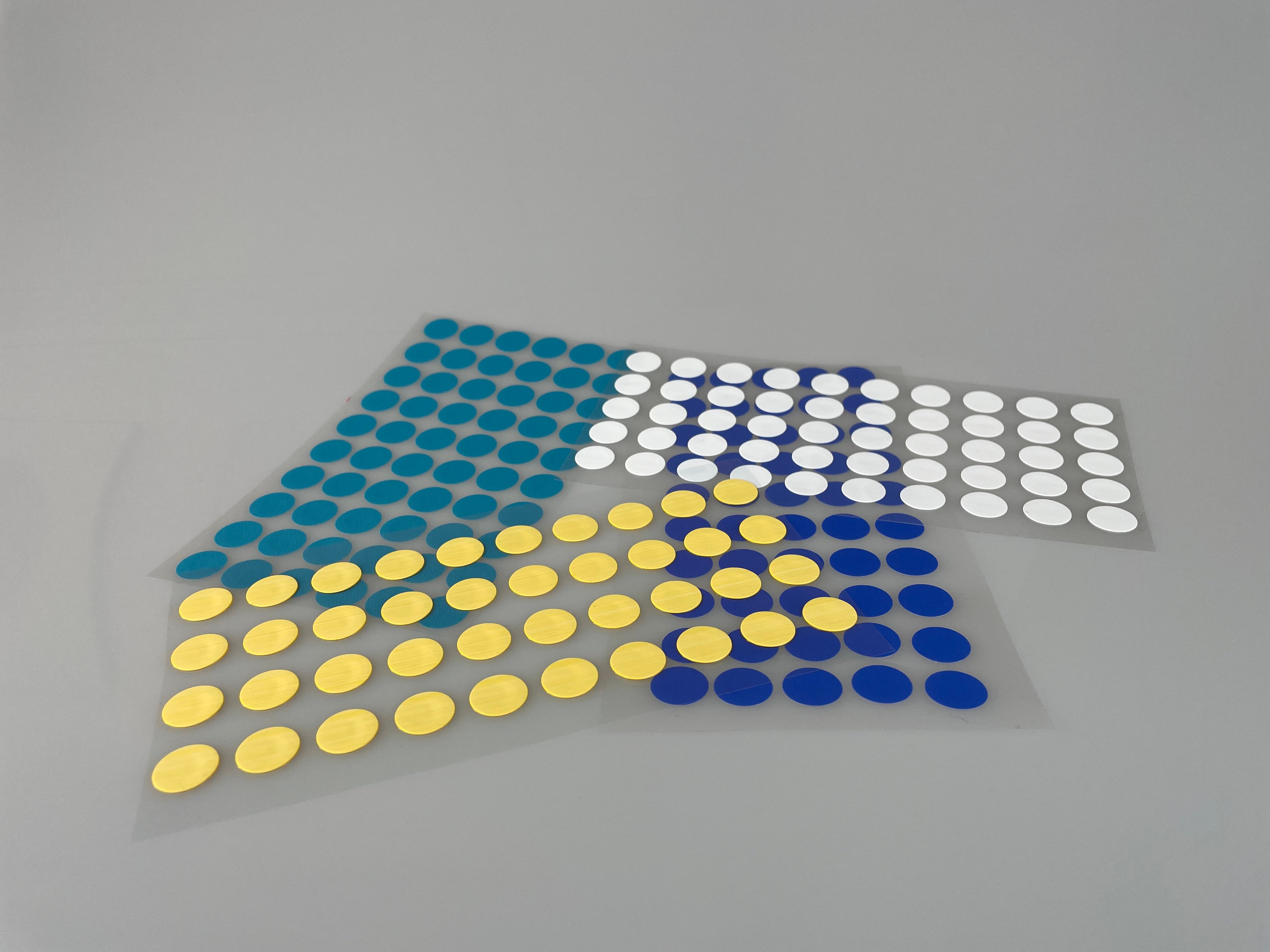
The ePTFE membrane for lighting is a micro-porous expanded polytetrafluoroethylene film engineered to equalize pressure differentials without compromising the sealed environment inside a luminaire. As a passive component, the ePTFE membrane for lighting requires no power, no maintenance, and no active controls. It simply vents pressure as needed and stops moisture before it can enter. For product designers and procurement engineers working on street lights, automotive lighting, floodlights, or architectural fixtures, understanding how the ePTFE membrane for lighting works and why it reduces seal stress is essential for building more durable, longer-lasting products.
How Seal Stress Develops in Lighting Fixtures
The Thermal Cycling Problem
Lighting fixtures operate in demanding thermal environments. A street light or industrial floodlight can experience temperature swings of 40 to 60 degrees Celsius or more within a single day. Each swing causes the air inside the housing to expand and contract, generating positive and negative pressure cycles. Without the ePTFE membrane for lighting in place, these pressure cycles act directly on gaskets and seals, mechanically stressing them with every cycle. Over time, repeated stress causes seal fatigue, micro-cracking, and eventual failure. The ePTFE membrane for lighting relieves this pressure before it accumulates to damaging levels, so seals experience far less mechanical loading throughout the product lifetime.
Moisture Ingress as a Secondary Threat
Seal stress does not only cause physical fatigue. When a degraded or stressed seal loses its tight contact, it creates pathways for moisture ingress. Condensation, rain, and humidity can then enter the housing, corroding electrical contacts, degrading optical components, and shortening LED driver life. The ePTFE membrane for lighting acts as a dual barrier: it equalizes pressure to protect seals, and its hydrophobic micro-porous structure physically blocks liquid water from passing through. By keeping seals intact and moisture out, the ePTFE membrane for lighting directly extends the reliable operating life of the fixture.
Performance Characteristics of ePTFE Membrane for Lighting
Micro-Porous Structure and Breathability
The ePTFE membrane for lighting is manufactured by expanding PTFE material into a micro-porous film with billions of tiny pores per square centimeter. These pores are large enough to allow air molecules and water vapor to pass freely, which enables efficient pressure equalization. At the same time, the pores are far too small for liquid water droplets or solid contaminant particles to penetrate. This combination makes the ePTFE membrane for lighting uniquely suited for outdoor and harsh-environment lighting applications. The membrane maintains its breathability even after prolonged exposure to UV radiation, oils, and chemical vapors, giving it a service life that matches or exceeds the fixture itself.
Adhesive Backing for Easy Integration
Modern versions of the ePTFE membrane for lighting are supplied with a pressure-sensitive adhesive backing, allowing direct application to pre-cut vent holes in a housing without specialized tooling or assembly steps. This adhesive format simplifies the production process significantly. Engineers can specify the ePTFE membrane for lighting early in the design phase, incorporate a standard vent aperture into the housing mold, and apply the membrane during final assembly with minimal labor. The adhesive layer is formulated to maintain bond strength across wide temperature ranges and in high-humidity conditions, ensuring the ePTFE membrane for lighting stays securely in position throughout the product lifetime.
How ePTFE Membrane for Lighting Extends Product Lifespan
Reducing Mechanical Fatigue on Seals and Gaskets
Every reduction in seal stress translates directly into longer gasket service life. When the ePTFE membrane for lighting continuously equalizes pressure, gaskets are no longer subjected to repeated expansion and contraction forces. They maintain their original compression set, keep tight contact surfaces, and preserve their IP-rated sealing performance for far longer periods. For luminaire manufacturers targeting IP65, IP66, or IP67 ratings, integrating the ePTFE membrane for lighting into the housing design is one of the most cost-effective ways to maintain those ratings consistently over thousands of thermal cycles. The reduction in seal fatigue means fewer warranty claims, lower field replacement rates, and improved brand reputation.
Protecting Electronic Components Inside the Fixture
LED drivers, capacitors, and control boards are sensitive to both moisture and temperature extremes. The ePTFE membrane for lighting manages internal humidity by allowing water vapor to escape during warm cycles, preventing condensation from forming on cold surfaces during cool-down. This moisture management function is separate from pressure equalization but equally important. By keeping internal relative humidity at safe levels, the ePTFE membrane for lighting reduces corrosion on solder joints and connector pins, extends capacitor life, and prevents delamination of circuit board coatings. The combined effect of pressure relief and moisture management makes the ePTFE membrane for lighting a critical component for any lighting fixture intended for long-term outdoor or industrial deployment.
FAQ
What fixture types benefit most from ePTFE membrane for lighting?
Any sealed lighting fixture exposed to outdoor conditions, temperature cycling, or high-humidity environments benefits from the ePTFE membrane for lighting. This includes street lights, floodlights, tunnel lights, automotive exterior lighting, marine luminaires, and architectural facade lighting. The ePTFE membrane for lighting is especially valuable in fixtures that must maintain IP65 ratings or higher over multi-year service periods, where seal integrity is directly tied to product reliability and safety compliance.
Does the ePTFE membrane for lighting affect the IP rating of a fixture?
When correctly specified and installed, the ePTFE membrane for lighting does not reduce the IP rating of a fixture. In fact, by relieving internal pressure, the membrane reduces the stress that degrades seals over time, helping the fixture maintain its IP rating consistently throughout its service life. The ePTFE membrane for lighting itself is water-resistant and designed to meet the requirements of IP-rated assemblies when properly integrated into the housing design.
How is the ePTFE membrane for lighting installed during production?
The adhesive-backed ePTFE membrane for lighting is applied directly over a vent aperture on the fixture housing. The production process involves cutting or molding a vent opening during housing fabrication, then pressing the ePTFE membrane for lighting over that opening during final assembly. No special tools or adhesives are required beyond the pre-applied backing. The ePTFE membrane for lighting should be applied to a clean, dry surface to ensure full adhesive contact and a reliable, long-term seal around the vent perimeter.