EN
EN
 AR
AR
 CS
CS
 FR
FR
 DE
DE
 IT
IT
 JA
JA
 KO
KO
 PT
PT
 RU
RU
 ES
ES
 ID
ID
 VI
VI
 TH
TH
 TR
TR
 MS
MS

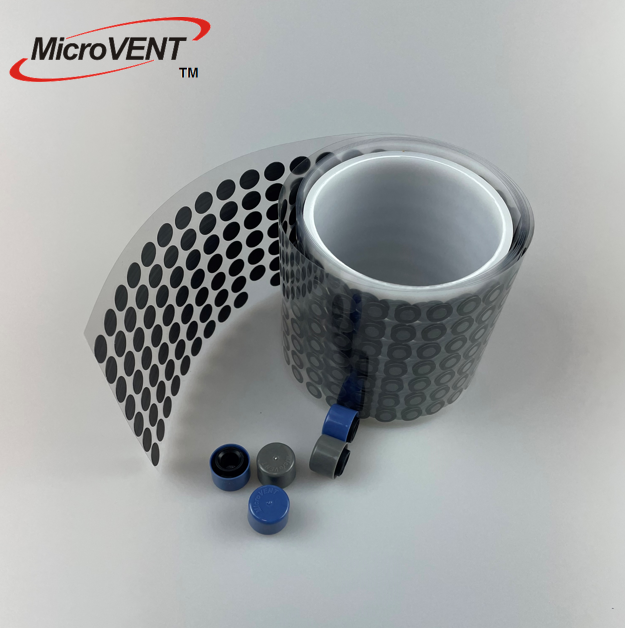
When electronic enclosures, automotive components, and industrial housings face dramatic swings in heat and cold, the protective materials inside must keep pace. An ePTFE membrane is purpose-built for exactly this challenge. The MicroVent® breathable ePTFE membrane is engineered to maintain consistent breathability, pressure equalization, and moisture exclusion even as ambient temperatures shift from deep freeze to intense heat and back again. Understanding why this ePTFE membrane excels in thermal extremes helps engineers and procurement teams make confident material decisions.
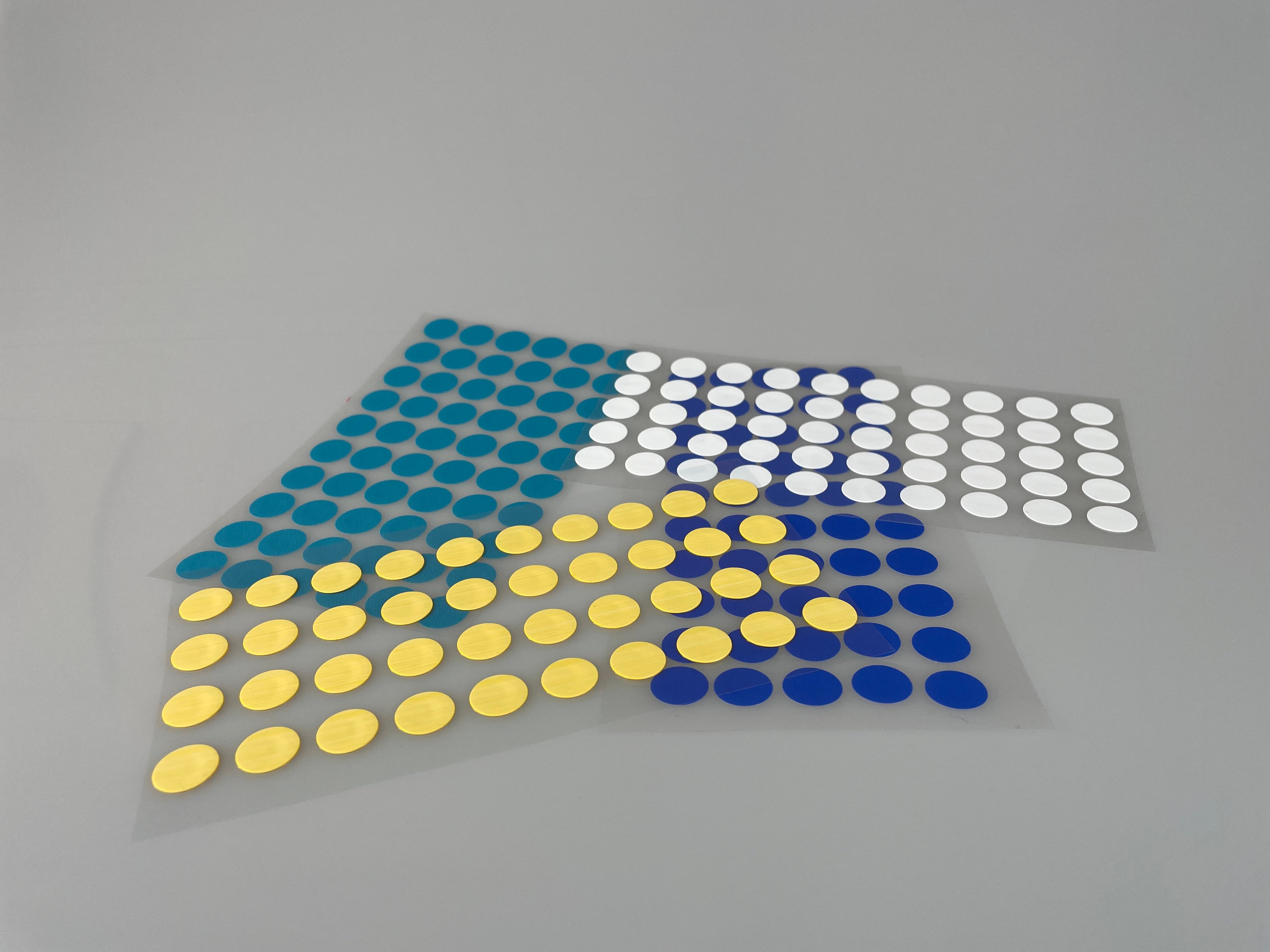
The short answer is yes — a high-quality ePTFE membrane can handle extreme temperature fluctuations with a level of reliability that conventional venting materials simply cannot match. This is not a marginal improvement. The structural and chemical properties of a well-designed ePTFE membrane make it one of the most thermally stable porous materials available for protective venting applications. The sections below explain the science behind this stability, the real-world conditions the ePTFE membrane is designed to withstand, and what to evaluate when specifying one for your application.
Why ePTFE Membrane Resists Thermal Stress
The Chemistry of Thermal Stability
Polytetrafluoroethylene, the base material of any ePTFE membrane, has one of the highest continuous-use temperature ratings among engineered polymers. An ePTFE membrane retains its porous microstructure across a temperature range that typically spans from well below freezing to above 200°C, depending on the construction. This means an ePTFE membrane does not soften, warp, or collapse during heat spikes, and it does not become brittle or crack during cold soaks. The carbon-fluorine bond that defines the ePTFE membrane chemistry is among the strongest in organic chemistry, resisting both thermal degradation and oxidative attack.
When temperatures cycle repeatedly, most polymeric films experience cumulative fatigue. The ePTFE membrane resists this fatigue because its expanded microstructure accommodates dimensional change without fracturing. A standard ePTFE membrane achieves this through its fibril-and-node architecture, which allows the material to flex slightly under thermal expansion and contraction while keeping the pore geometry intact. The breathable ePTFE membrane therefore continues to perform its venting function across hundreds or thousands of thermal cycles.
Dimensional Stability Across Cycles
Dimensional stability is a critical factor when an ePTFE membrane is bonded to a housing or substrate. If the ePTFE membrane expands or contracts at a significantly different rate than the housing material, delamination or seal failure can occur. The MicroVent® ePTFE membrane is formulated with a low coefficient of thermal expansion relative to many competing materials. This characteristic ensures that the adhesive bond holding the ePTFE membrane in place remains intact even after prolonged exposure to temperature extremes. For outdoor enclosures, under-hood automotive applications, and cold-chain equipment, this dimensional stability makes the ePTFE membrane a reliable long-term solution.
Real-World Conditions the ePTFE Membrane Handles
Outdoor and Environmental Exposure
Outdoor electronic enclosures routinely experience temperature swings of 60°C or more between a cold winter night and a sun-heated summer afternoon. An ePTFE membrane installed on such an enclosure must equalize pressure differences caused by these swings while simultaneously blocking dust, water, and insects. The breathable ePTFE membrane accomplishes this by allowing air and water vapor to pass through its microporous structure freely, while its oleophobic surface treatment prevents liquid water ingress. Each ePTFE membrane in the MicroVent® range is tested to verify that this dual function — breathability and protection — survives real-world temperature cycling without degradation.
Condensation is another concern in outdoor applications. When warm, humid air inside an enclosure contacts a cold surface, moisture can accumulate and damage sensitive electronics. The ePTFE membrane prevents this by enabling continuous vapor exchange, so the humidity differential between the inside and outside never builds to a condensation-triggering level. This makes the ePTFE membrane a proactive protection tool rather than simply a passive barrier.
Automotive and Under-Hood Applications
Under-hood automotive environments represent some of the most demanding thermal conditions any ePTFE membrane can encounter. Temperatures can exceed 120°C near heat sources, then drop sharply when the vehicle is parked in cold conditions. Repeated thermal shock of this magnitude stresses conventional venting solutions, but an ePTFE membrane with proper construction tolerates these cycles without structural failure. The MicroVent® ePTFE membrane is particularly suitable for lamp housings, sensor housings, battery management systems, and control modules where consistent pressure equalization is required regardless of temperature. The ePTFE membrane ensures that rapid temperature changes do not create dangerous pressure differentials that could force contaminants past seals.
Selecting the Right ePTFE Membrane for Thermal Applications
Adhesive Backing and Bonding Integrity
For most end-use applications, an ePTFE membrane is supplied with an adhesive backing that allows direct attachment to housing openings. The adhesive layer on an ePTFE membrane must also withstand the same temperature extremes as the membrane itself. A mismatch between adhesive performance and ePTFE membrane performance creates a weak link in the system. MicroVent® adhesive-backed ePTFE membrane products use pressure-sensitive adhesives selected specifically for thermal stability, so the entire ePTFE membrane assembly — not just the film — maintains its integrity across the full operating temperature range.
Pore Size and Airflow Ratings
The pore geometry of an ePTFE membrane determines its airflow resistance and its particle exclusion capability. At elevated temperatures, airflow through an ePTFE membrane increases slightly as air viscosity decreases, but the ePTFE membrane structure itself remains stable. At low temperatures, airflow decreases slightly but the ePTFE membrane does not block. Specifying an ePTFE membrane with the correct pore size for your enclosure volume and expected pressure differential ensures that the membrane continues to equalize pressure efficiently across the full thermal operating range. Engineers selecting an ePTFE membrane for extreme thermal environments should verify both the minimum and maximum operating temperature ratings alongside the airflow specifications.
FAQ
What temperature range can an ePTFE membrane typically withstand?
A well-constructed ePTFE membrane typically operates across a range from approximately -40°C to 200°C or higher, depending on the specific formulation. The MicroVent® breathable ePTFE membrane is designed for continuous exposure within this range, making the ePTFE membrane suitable for automotive, industrial, and outdoor electronic applications that experience significant thermal variation.
Does repeated thermal cycling degrade the ePTFE membrane over time?
A properly engineered ePTFE membrane is designed to withstand thousands of thermal cycles without significant degradation of its pore structure or breathability. The expanded PTFE construction of the ePTFE membrane accommodates the mechanical stresses of expansion and contraction, maintaining consistent performance. Inferior venting films may crack or delaminate over time, but a quality ePTFE membrane maintains its functional integrity across long service life.
Can an ePTFE membrane be used in applications with sudden temperature shocks?
Yes. An ePTFE membrane is well-suited for applications where temperature changes are rapid rather than gradual, such as when a hot automotive component is suddenly exposed to cold water splash. The ePTFE membrane absorbs the thermal shock without fracturing because its microstructure is inherently flexible. Selecting an ePTFE membrane with a compatible adhesive system ensures that the full assembly — not just the film — survives thermal shock conditions reliably.