 EN
EN
 AR
AR
 CS
CS
 FR
FR
 DE
DE
 IT
IT
 JA
JA
 KO
KO
 PT
PT
 RU
RU
 ES
ES
 ID
ID
 VI
VI
 TH
TH
 TR
TR
 MS
MS

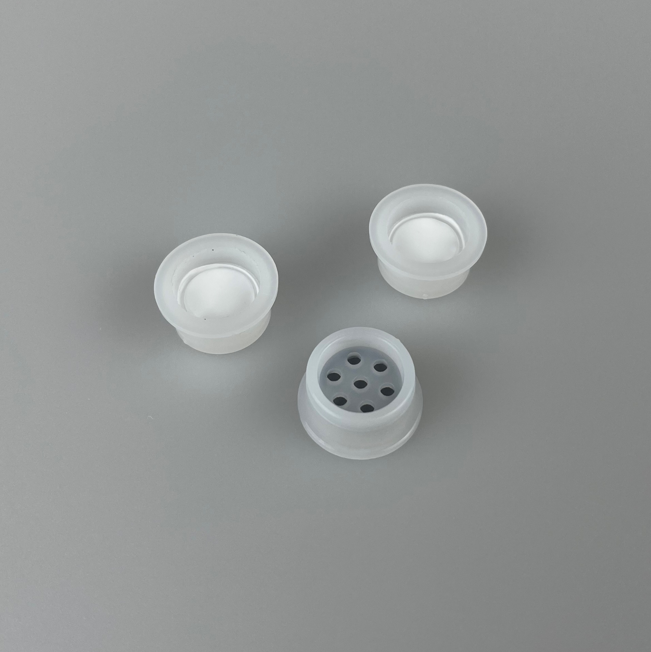
As IoT wearable devices become more sophisticated and compact, the components protecting their internal electronics must evolve just as rapidly. One of the most impactful advancements in this area is the adoption of the MEMS membrane, a precision-engineered solution that addresses multiple protection challenges at once. The MicroVent® MEMS membrane is specifically designed to meet the demanding requirements of modern wearables, combining micro-scale acoustic performance with robust environmental sealing in a single, ultra-thin layer.
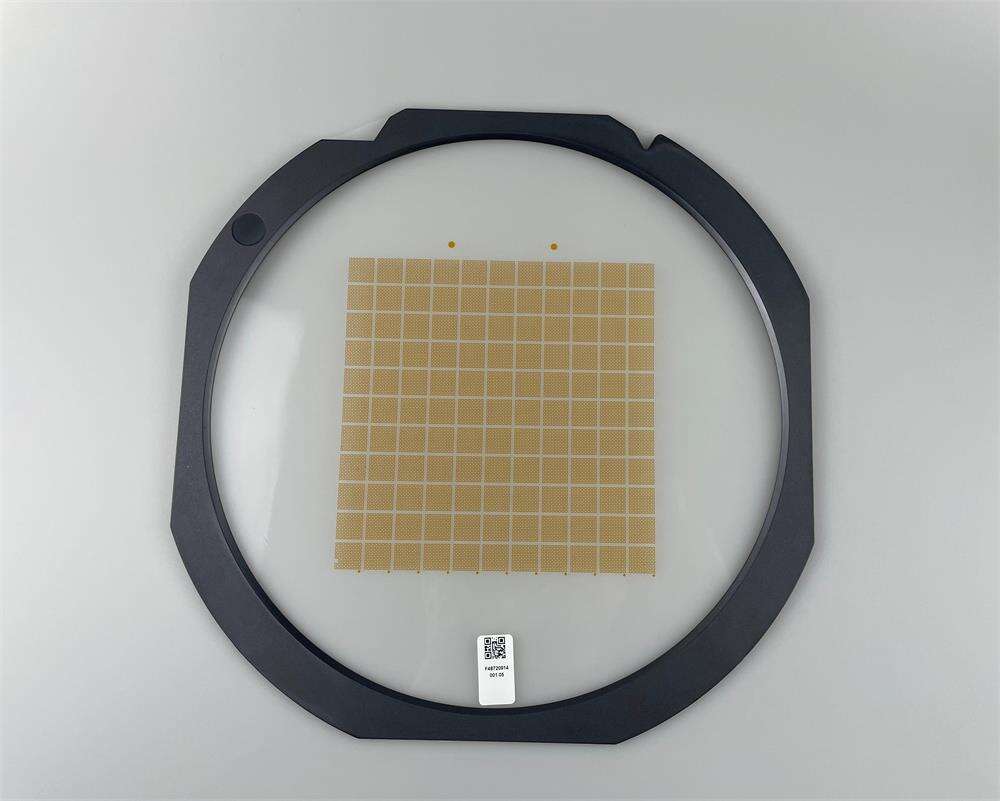
Understanding why the MEMS membrane outperforms conventional alternatives requires looking closely at how wearable devices actually operate in real-world conditions. Wearables are exposed to sweat, rain, dust, rapid pressure changes, and constant mechanical movement. A MEMS membrane must handle all of these stresses reliably while remaining thin and lightweight enough not to compromise the device form factor. The MicroVent® MEMS membrane achieves this through its unique microstructure, which is fabricated using semiconductor-grade MEMS manufacturing processes that guarantee dimensional consistency and long-term stability.
Structural and Material Advantages of the MEMS Membrane
Precision Microstructure for Consistent Performance
The defining technical advantage of the MEMS membrane lies in its fabrication process. Unlike conventional polymer membranes that are cast or stretched, each MEMS membrane is produced using photolithographic patterning and silicon-based etching techniques. This means every pore in the MEMS membrane is precisely defined, uniform in size, and reproducible across production batches. For IoT wearable applications, this consistency translates into predictable acoustic transmission, reliable pressure equalization, and stable waterproofing performance that does not degrade over the device lifetime.
The material composition of the MEMS membrane also sets it apart. By integrating silicon or similarly rigid inorganic layers within the membrane structure, the MEMS membrane resists deformation under mechanical stress. Conventional membranes may stretch or compress when exposed to repeated movement, gradually altering their acoustic or filtration properties. The MEMS membrane maintains dimensional integrity under these conditions, making it the preferred solution for fitness trackers, smartwatches, medical monitoring patches, and hearing-capable wearable devices.
Thin Profile Without Sacrificing Function
One of the most valued characteristics of the MEMS membrane in wearable design is its exceptionally thin cross-section. The MEMS membrane can be manufactured at thicknesses far below what traditional membranes allow, without compromising its sealing or acoustic performance. This ultra-thin MEMS membrane profile enables product designers to reduce overall device thickness, integrate the membrane directly into microphone or speaker ports without acoustic penalties, and maintain the slim aesthetic that end users expect from premium wearables. The MicroVent® MEMS membrane is engineered to fit within the tightest spatial constraints found in modern wearable enclosures.
Acoustic and Pressure Equalization Performance
High Acoustic Transmission for Voice and Sensor Accuracy
For wearables equipped with microphones, voice assistants, or environmental sound monitoring, the MEMS membrane plays a critical role in maintaining audio signal fidelity. A standard waterproof membrane often absorbs or scatters sound waves, reducing the sensitivity of the microphone behind it. The MEMS membrane, by contrast, is engineered with pore geometries that allow sound waves to pass through with minimal attenuation. This makes the MEMS membrane essential for devices where voice recognition accuracy or ambient noise measurement must remain high, even after the membrane has been exposed to water or particulate contamination.
Barometric pressure sensors in wearables also depend on the MEMS membrane to function correctly. These sensors require access to ambient air pressure to deliver accurate altitude readings and health-related metrics. A poorly designed membrane blocks or delays pressure equalization, causing sensor drift and inaccurate readings. The MicroVent® MEMS membrane provides consistent and rapid pressure equalization because its precisely engineered pores allow air molecules to pass through freely while blocking water and dust. This MEMS membrane behavior is critical for wearable devices used in outdoor, sports, or medical monitoring applications.
Waterproofing and Dust Resistance
The MEMS membrane achieves high ingress protection ratings while maintaining acoustic and pressure-balancing functionality. The hydrophobic surface treatment applied to the MEMS membrane repels liquid water at the micro-level, preventing droplets from penetrating the membrane even under direct water jet exposure. At the same time, the MEMS membrane pore structure is fine enough to block particulate matter classified under IP6X dust resistance standards. This dual-function capability of the MEMS membrane reduces the need for multiple separate protection components, simplifying the internal architecture of the wearable device.
Integration and Long-Term Reliability in Wearable Design
Compatibility with Automated Assembly Processes
The MicroVent® MEMS membrane is designed for compatibility with high-volume wearable manufacturing workflows. It is available in tape-and-reel carrier formats suited to pick-and-place equipment, and its adhesive backing ensures secure bonding to housing surfaces during automated assembly. Because each MEMS membrane unit is dimensionally consistent, integration does not require manual inspection or adjustment steps. This compatibility directly supports the production efficiency requirements of IoT wearable manufacturers operating at scale. The MEMS membrane can also be specified in custom die-cut shapes to match specific port geometries, further reducing assembly complexity.
Durability Over Extended Device Lifetime
Long-term reliability is a critical concern for wearable devices that are worn daily and exposed to repeated cycles of sweat, moisture, temperature variation, and physical impact. The MEMS membrane retains its protective and acoustic properties through thousands of wash cycles and extended field use. Unlike polymer-based alternatives that may yellow, crack, or lose hydrophobicity over time, the MEMS membrane maintains stable material properties across the intended product lifetime. For brands building a reputation on device quality and durability, integrating the MEMS membrane is a straightforward way to reduce field return rates and strengthen customer trust.
FAQ
What makes the MEMS membrane different from a standard acoustic membrane?
A standard acoustic membrane is typically made from stretched polymer film with variable pore distribution. The MEMS membrane is fabricated using semiconductor manufacturing techniques, resulting in precisely uniform pores that deliver consistent acoustic transmission, waterproofing, and pressure equalization. This precision gives the MEMS membrane performance advantages that conventional membranes cannot reliably replicate.
Can the MEMS membrane be used in medical-grade wearable devices?
Yes. The MEMS membrane is well suited to medical-grade wearable applications because of its dimensional stability, resistance to biological fluids, and consistent pressure response. Devices such as continuous health monitors, wearable ECG patches, and medical-grade hearing devices benefit from the MEMS membrane due to its reliable long-term performance under clinical and personal use conditions.
How does the MEMS membrane support IP67 or IP68 waterproof ratings?
The MEMS membrane contributes to IP67 and IP68 ratings by sealing acoustic and pressure-equalization ports against water ingress. Its hydrophobic surface and precisely controlled pore size prevent liquid penetration even under submersion conditions. Device designers can integrate the MEMS membrane into microphone ports, speaker grilles, and sensor openings to maintain full ingress protection compliance without blocking the acoustic or barometric functions that those ports serve.
