 EN
EN
 AR
AR
 CS
CS
 FR
FR
 DE
DE
 IT
IT
 JA
JA
 KO
KO
 PT
PT
 RU
RU
 ES
ES
 ID
ID
 VI
VI
 TH
TH
 TR
TR
 MS
MS


When sensitive components face exposure to dust, oil mist, and airborne contaminants, the consequences can range from performance degradation to complete device failure. An ePTFE membrane offers a proven engineering solution that physically blocks harmful particles and liquid aerosols while still allowing pressure equalization and moisture vapor transmission. This dual functionality makes the ePTFE membrane one of the most trusted protective barriers in modern electronics and industrial design.
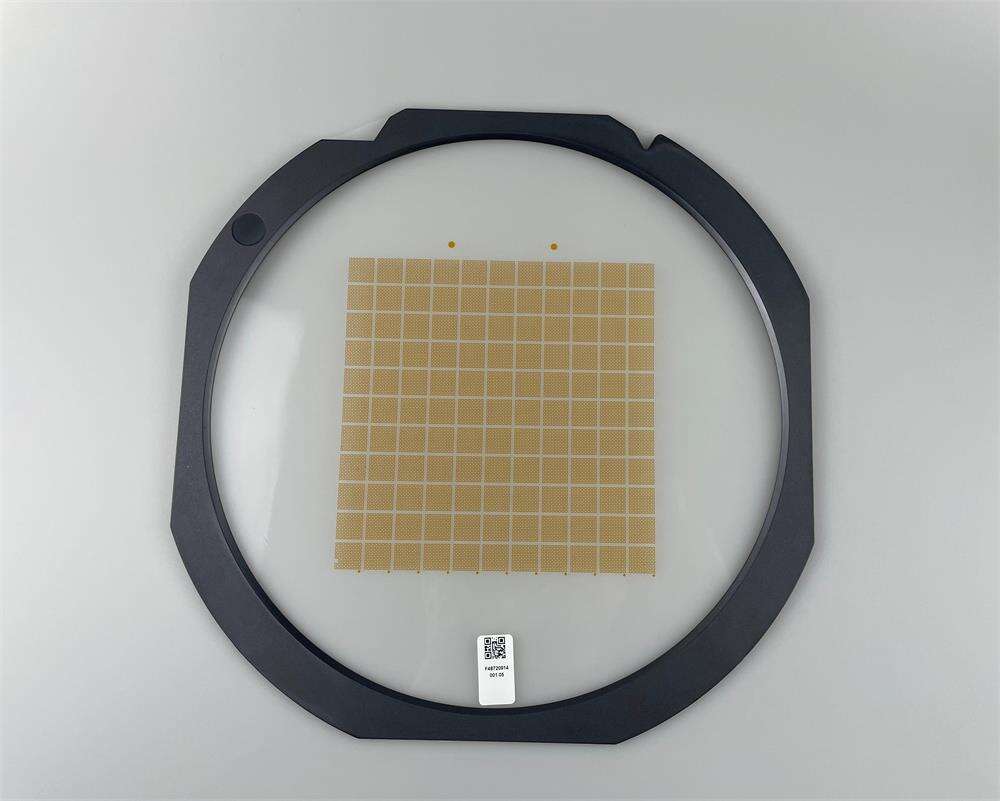
The MicroVent® protective ePTFE membrane is specifically engineered to defend delicate sensors, MEMS devices, microphones, and pressure ports from the real-world threats of dust ingress and oil contamination. Understanding how an ePTFE membrane works, where it applies, and why it outperforms alternative materials is essential knowledge for engineers and product designers working in challenging environments.
How an ePTFE Membrane Blocks Dust and Oil
The Microporous Structure of ePTFE Membrane
Expanded polytetrafluoroethylene, commonly known as ePTFE, is created through a controlled stretching process that generates billions of microscopic pores within the material. Each ePTFE membrane produced through this process has pore sizes small enough to reject dust particles, oil droplets, and liquid aerosols while remaining permeable to air and gas molecules. This microporous architecture is what distinguishes an ePTFE membrane from simple polymer films or foam barriers.
The pore geometry in a high-quality ePTFE membrane is precisely controlled during manufacturing to achieve a specific balance between filtration efficiency and airflow resistance. For applications requiring MEMS or sensor protection, the ePTFE membrane must maintain high particle rejection rates without creating pressure buildup that could affect sensor readings. The MicroVent® ePTFE membrane achieves this balance through tight process control and material consistency.
Oil Repellency in an ePTFE Membrane
One of the most important properties of an ePTFE membrane in industrial environments is its inherent oleophobic character. The fluoropolymer chemistry of an ePTFE membrane gives the surface a very low surface energy, which causes oil and oil-based aerosols to bead up and roll off rather than penetrate the structure. This makes the ePTFE membrane highly effective in environments where cutting fluids, lubricant mists, or hydraulic oil vapors are present.
Without an ePTFE membrane, oil contamination on sensor ports or acoustic openings can cause clogging, signal drift, or irreversible damage. With the ePTFE membrane in place, the oil repellent surface layer maintains consistent airflow and signal transmission even under sustained oil mist exposure. This property is a key reason the ePTFE membrane is specified in automotive, industrial automation, and outdoor equipment applications.
Applications Where ePTFE Membrane Delivers Protection
Sensor and MEMS Device Protection
MEMS sensors, pressure transducers, and barometric sensors require open ports to measure ambient conditions accurately. However, these same openings create a direct path for dust and oil contamination. An ePTFE membrane mounted over these ports allows pressure and acoustic signals to pass freely while completely blocking particulate matter and liquid aerosols. The ePTFE membrane acts as an invisible shield that preserves sensor accuracy across the product lifecycle.
In consumer electronics, the ePTFE membrane is widely used to protect microphone ports, speaker grilles, and environmental sensors in smartphones, wearables, and IoT devices. In industrial instrumentation, the ePTFE membrane protects pressure gauges, flow sensors, and gas detection modules operating in dusty or oil-laden environments. Each of these applications depends on the ePTFE membrane to maintain measurement integrity without physical intervention or filter replacement.
Automotive and Outdoor Equipment Uses
Automotive electronics face one of the harshest contamination challenges in any industry. Engine compartments generate oil aerosols, road dust, and splash water simultaneously. An ePTFE membrane applied to pressure sensors, control modules, and acoustic components inside the vehicle provides reliable protection without adding bulk or compromising airflow. The ePTFE membrane survives wide temperature cycles, UV exposure, and chemical splash, making it ideal for under-hood and chassis applications.
Outdoor equipment including power tools, agricultural machinery, and outdoor lighting enclosures also benefits greatly from the ePTFE membrane. These devices face dust storms, rain, and lubricant exposure during normal operation. A properly specified ePTFE membrane mounted at ventilation or sensor ports maintains IP-rated protection levels while allowing thermal venting that prevents internal condensation buildup.
Selecting the Right ePTFE Membrane for Your Application
Key Parameters When Specifying an ePTFE Membrane
Choosing the correct ePTFE membrane requires evaluating several performance parameters in the context of the target application. Airflow resistance, expressed as Gurley number or Frazier value, determines how freely the ePTFE membrane allows pressure equalization. Water entry pressure indicates the hydrostatic resistance of the ePTFE membrane and its ability to block liquid splash or immersion. Particle filtration efficiency defines the ePTFE membrane rating against standardized dust particle sizes.
The mechanical format of the ePTFE membrane also matters for integration. An ePTFE membrane can be supplied as a laminated disc, a roll-to-roll tape, or a die-cut adhesive piece depending on the assembly process. The MicroVent® ePTFE membrane is available in formats optimized for automated assembly, allowing high-volume electronics manufacturers to integrate the ePTFE membrane quickly and reliably in production environments.
Long-Term Performance and Reliability
A protective ePTFE membrane must maintain its filtration and repellency performance over the full service life of the product. Aging tests, including thermal cycling, UV exposure, and fluid immersion, confirm whether an ePTFE membrane retains its pore structure and surface chemistry after prolonged use. Products protected by a durable ePTFE membrane show significantly lower field return rates related to contamination damage compared to unprotected designs.
The MicroVent® ePTFE membrane undergoes rigorous qualification testing to confirm consistent performance across environmental stress conditions. Engineers specifying the ePTFE membrane for critical applications can rely on documented test data to support design validation and compliance with ingress protection standards. Selecting a qualified ePTFE membrane from the outset reduces redesign risk and accelerates time to market.
FAQ
What makes an ePTFE membrane more effective than other filter materials for dust and oil protection?
An ePTFE membrane combines submicron pore filtration with inherent oil repellency in a single ultra-thin layer. Unlike foam or non-woven materials, the ePTFE membrane does not absorb oil, which means it maintains consistent airflow and does not become a contamination source over time. This makes the ePTFE membrane uniquely suited to applications where both dust and oil exposure occur simultaneously.
Can an ePTFE membrane maintain sensor accuracy in high-dust industrial environments?
Yes. An ePTFE membrane is specifically designed to block dust particles while allowing gas and pressure signals to pass through with minimal resistance. In high-dust environments such as mining, construction, or manufacturing floors, the ePTFE membrane maintains the open port required for sensor operation while preventing particle accumulation that would otherwise cause signal drift or physical blockage. Long-term testing confirms that a well-specified ePTFE membrane sustains sensor accuracy without periodic cleaning or replacement.
How is an ePTFE membrane integrated into a sealed electronic enclosure?
An ePTFE membrane is typically bonded over a vent port or sensor opening using a pressure-sensitive adhesive ring or laminated carrier. The ePTFE membrane seals around the perimeter of the opening to prevent bypass contamination, while the membrane area itself handles filtration and pressure equalization. For automated assembly, die-cut ePTFE membrane pieces on release liner allow pick-and-place or peel-and-stick integration into high-volume production lines without special tooling.
