 EN
EN
 AR
AR
 CS
CS
 FR
FR
 DE
DE
 IT
IT
 JA
JA
 KO
KO
 PT
PT
 RU
RU
 ES
ES
 ID
ID
 VI
VI
 TH
TH
 TR
TR
 MS
MS

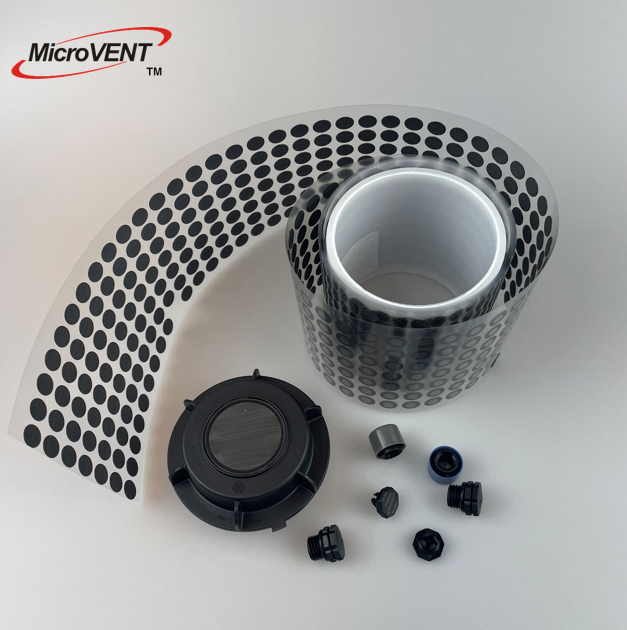
When engineers specify protective venting solutions for sensitive electronic enclosures, one critical performance factor often determines product longevity and user satisfaction: sound transmission loss. The acoustic vent membrane developed under the MicroVent® platform is purpose-built to address this exact challenge. By integrating precise microporous architecture with advanced polymer engineering, this acoustic vent membrane delivers minimal sound transmission loss without compromising pressure equalization or moisture protection.
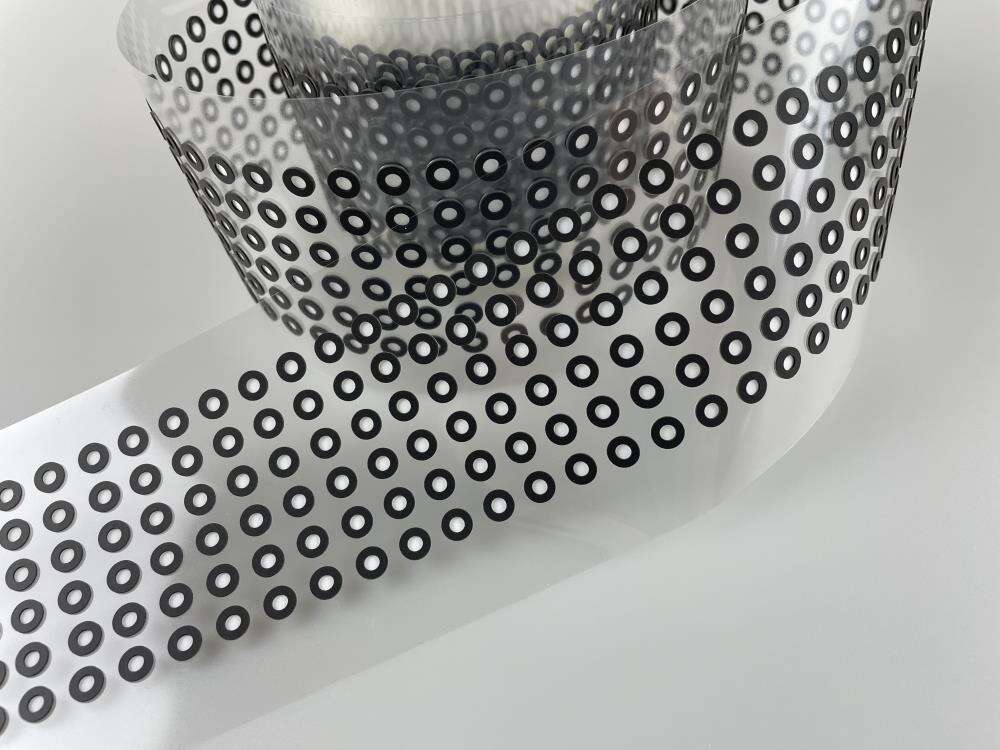
The acoustic vent membrane is not a passive component. It is an engineered solution that manages air exchange, blocks liquid ingress, and controls acoustic energy simultaneously. For product designers working in consumer electronics, automotive, industrial instrumentation, and wearable technology, this acoustic vent membrane represents a convergence of functional demands rarely satisfied by a single material layer. Understanding how and why this acoustic vent membrane excels at minimizing sound transmission loss requires examining its structural logic, material properties, and application context.
Engineering Principles Behind the Acoustic Vent Membrane
Microporous Structure and Acoustic Performance
The core of MicroVent® acoustic vent membrane performance lies in its microporous expanded PTFE substrate. Each acoustic vent membrane is engineered with a precise pore geometry that allows air molecules to pass freely while impeding the propagation of acoustic pressure waves. When sound waves encounter the acoustic vent membrane, a significant portion of their energy is absorbed through viscous dissipation within the membrane's pore network. This mechanism ensures that the acoustic vent membrane achieves low insertion loss across a broad frequency range, preserving audio fidelity in speaker ports, microphone openings, and venting channels.
Unlike dense polymer films that simply block sound along with airflow, the acoustic vent membrane is designed to let air pass while attenuating sound energy selectively. This acoustic vent membrane behavior is measurable through standard insertion loss testing, and MicroVent® acoustic vent membrane samples consistently demonstrate performance aligned with tight engineering tolerances. The acoustic vent membrane therefore allows designers to protect internal components without degrading the acoustic output of integrated speakers or microphones.
Pressure Equalization and Acoustic Integrity
Pressure equalization is a foundational requirement for sealed enclosures. Without an acoustic vent membrane, rapid pressure changes caused by altitude shifts, temperature cycles, or mechanical handling can stress seals, distort displays, and degrade sensors. The acoustic vent membrane equalizes pressure differentials quickly while maintaining its acoustic transmission properties. This dual function makes the acoustic vent membrane especially valuable in portable devices, outdoor enclosures, and automotive assemblies where both environmental sealing and sound performance are non-negotiable.
Material Selection and Construction of the Acoustic Vent Membrane
PTFE Substrate and Polymer Bonding
MicroVent® acoustic vent membrane construction begins with an expanded polytetrafluoroethylene layer that provides chemical resistance, hydrophobicity, and mechanical stability. This PTFE substrate gives the acoustic vent membrane its core ability to resist water, oils, and cleaning agents while maintaining consistent acoustic insertion loss values over time. The acoustic vent membrane is then laminated onto a nonwoven or scrim carrier that provides dimensional stability during die-cutting, handling, and assembly processes. Because the acoustic vent membrane is processed to tight thickness tolerances, it integrates reliably into automated assembly lines without introducing variability in acoustic performance.
The bonding system used in the acoustic vent membrane is selected to maintain pore openness at the interface. An improperly bonded acoustic vent membrane can develop dead zones where adhesive migrates into the pore structure, reducing effective open area and degrading acoustic transmission. MicroVent® acoustic vent membrane designs address this risk through controlled lamination processes that preserve the full active area of the acoustic vent membrane across all production batches.
Customization Options for the Acoustic Vent Membrane
Every application imposes unique dimensional and performance requirements on the acoustic vent membrane. MicroVent® acoustic vent membrane solutions are available in multiple standard diameters and can be die-cut to custom shapes to fit specific port geometries. The acoustic vent membrane is also available with various adhesive systems, including pressure-sensitive acrylic adhesives suitable for automated pick-and-place assembly. Engineers can specify acoustic vent membrane variants optimized for different frequency bands, enabling tuned performance in devices where a narrow acoustic window must be protected without introducing broadband transmission loss.
Application Scenarios for the Acoustic Vent Membrane
Consumer Electronics and Wearable Devices
Smartphones, wireless earbuds, smartwatches, and hearing aids all rely on the acoustic vent membrane to protect internal microphones and speakers from moisture and debris. In these applications, the acoustic vent membrane must exhibit extremely low insertion loss, typically below 1 dB at frequencies critical for voice intelligibility. The acoustic vent membrane also provides IPX-rated water resistance when properly bonded, allowing consumer devices to carry waterproof certifications without sacrificing audio performance. Because the acoustic vent membrane is thin and lightweight, it does not add perceptible mass or bulk to slim product profiles.
Automotive and Industrial Instrumentation
In automotive cabin electronics, sensors, and control modules, the acoustic vent membrane prevents condensation buildup while ensuring that pressure-sensitive sensors read accurately. The acoustic vent membrane resists automotive fluids and operates reliably across wide temperature ranges from well below freezing to elevated under-hood conditions. Industrial instrumentation enclosures benefit from the acoustic vent membrane by maintaining IP-rated protection while allowing the internal atmosphere to equalize with ambient pressure, preventing seal fatigue and gasket failure. For outdoor industrial monitors and communication terminals, the acoustic vent membrane ensures voice and alarm audio channels remain clear and undistorted even in harsh weather conditions.
FAQ
What makes the MicroVent® acoustic vent membrane different from a standard protective vent?
A standard protective vent focuses primarily on pressure equalization and liquid ingress protection. The acoustic vent membrane is additionally engineered to minimize sound transmission loss, meaning it allows audio signals to pass through with minimal attenuation. This makes the acoustic vent membrane suitable for ports where both environmental sealing and audio fidelity are required simultaneously.
How is acoustic vent membrane insertion loss measured and specified?
Insertion loss for an acoustic vent membrane is typically measured in decibels across a defined frequency sweep, comparing the acoustic signal level with and without the acoustic vent membrane in the test path. Suppliers of acoustic vent membrane products provide insertion loss curves that allow design engineers to predict performance at target frequencies. Lower insertion loss values indicate that the acoustic vent membrane transmits more sound energy, which is the desired outcome for speaker and microphone protection applications.
Can the acoustic vent membrane maintain performance after repeated exposure to moisture and cleaning agents?
Yes. The acoustic vent membrane constructed from expanded PTFE substrate is inherently hydrophobic and chemically resistant. After exposure to water, mild detergents, or isopropyl alcohol cleaning, the acoustic vent membrane recovers its original acoustic and protective properties because liquids do not permanently alter the PTFE pore structure. Long-term performance durability is a primary design criterion for every MicroVent® acoustic vent membrane variant.
