 EN
EN
 AR
AR
 CS
CS
 FR
FR
 DE
DE
 IT
IT
 JA
JA
 KO
KO
 PT
PT
 RU
RU
 ES
ES
 ID
ID
 VI
VI
 TH
TH
 TR
TR
 MS
MS

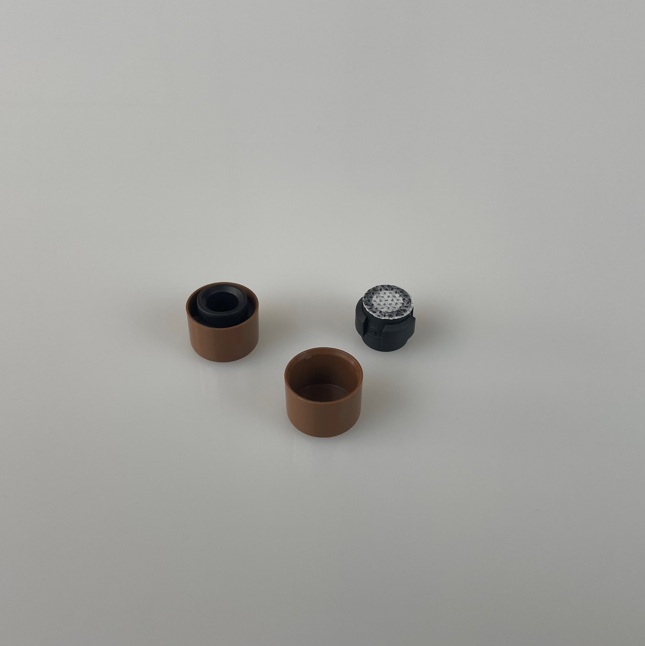
Outdoor lighting fixtures face a relentless cycle of thermal expansion and contraction, moisture intrusion, and pressure fluctuation every single day. Engineers and product designers working on street lights, garden luminaires, and industrial floodlights need a reliable solution that keeps internal components stable without sealing them off entirely from the environment. An ePTFE membrane for lamps addresses exactly this challenge by allowing controlled air exchange while blocking liquid water, dust, and contaminants from entering the housing.

The MicroVent® ePTFE membrane for lamps is engineered specifically for outdoor luminaire applications where thermal cycling, rain exposure, and long-term reliability standards are non-negotiable. By integrating an ePTFE membrane for lamps into the fixture design, manufacturers achieve a balance between internal pressure equalization and robust environmental sealing. This article examines how the ePTFE membrane for lamps works, why pressure and temperature management matter in outdoor lighting, and how to apply this solution effectively in real-world luminaire designs.
How the ePTFE Membrane for Lamps Works
The Physics of Pressure and Temperature in Lighting Fixtures
Every time an outdoor lamp switches on, internal temperatures rise sharply, causing air inside the housing to expand. When the lamp cools down after switching off, that same air contracts, creating a partial vacuum. This repeated pressure differential is a primary cause of seal degradation, condensation formation, and eventual water ingress. The ePTFE membrane for lamps acts as a pressure relief valve of sorts, allowing air molecules to pass through its microporous structure in both directions, equalizing pressure without compromising the IP rating of the enclosure.
The expanded polytetrafluoroethylene material used in each ePTFE membrane for lamps contains billions of microscopic pores. These pores are large enough to pass air and water vapor but far too small for liquid water droplets or particulate matter to penetrate. As a result, the ePTFE membrane for lamps continuously breathes alongside the fixture, preventing the internal pressure from building to a level that stresses gaskets, lens seals, or housing joints.
Moisture and Condensation Control
Beyond simple pressure equalization, the ePTFE membrane for lamps also manages moisture vapor. In outdoor environments, ambient humidity varies considerably between day and night. Without a functional venting pathway, moisture becomes trapped inside the lamp housing and condenses on optical components, printed circuit boards, and LED drivers. The ePTFE membrane for lamps enables water vapor to escape during warmer periods while preventing liquid water from entering during rain or high-pressure washing cycles. This dual-direction vapor management dramatically reduces internal condensation and extends the service life of sensitive electronic components.
Why Outdoor Lighting Demands Specialized Membrane Solutions
Harsh Environmental Conditions and IP Rating Integrity
Outdoor luminaires are required to meet strict ingress protection standards, commonly IP65, IP66, or IP67, depending on their installation environment. Traditional sealed housings without any venting pathway can actually fail these ratings faster than vented ones because repeated thermal cycling degrades static seals over time. An ePTFE membrane for lamps maintains IP compliance while actively managing the internal atmosphere. The ePTFE membrane for lamps essentially becomes a dynamic component of the sealing system rather than a passive one, preserving ingress protection throughout the fixture's operational lifetime.
Coastal installations, tunnel lighting, and roadway floodlights are particularly demanding environments where salt spray, high humidity, and temperature extremes combine to accelerate degradation. In these scenarios, deploying an ePTFE membrane for lamps is not merely a design refinement but a functional necessity. The ePTFE membrane for lamps provides consistent protection even when fixtures are exposed to salt-laden air or high-pressure cleaning equipment used in maintenance routines.
Thermal Management and LED Performance
Modern outdoor lighting increasingly relies on LED technology, which is sensitive to both heat and moisture. LED drivers and chips operate most efficiently within defined temperature ranges, and any accumulation of condensation or pressure-induced stress can shorten their operational life significantly. Incorporating an ePTFE membrane for lamps into an LED luminaire design helps stabilize the thermal environment inside the housing. The ePTFE membrane for lamps reduces the frequency and amplitude of internal temperature swings by allowing the housing to breathe, which in turn supports consistent LED performance and reduced maintenance frequency across the installation's lifetime.
Applying the ePTFE Membrane for Lamps in Luminaire Design
Placement and Integration Considerations
The ePTFE membrane for lamps is typically available as an adhesive-backed disc or patch, making integration into existing designs straightforward. Designers place the ePTFE membrane for lamps over a small vent hole drilled or molded into the lamp housing, bonding it securely with the pressure-sensitive adhesive layer. The placement location matters: the ePTFE membrane for lamps should be positioned on a surface that is protected from direct jet wash and pooling water, such as the underside or a recessed area of the housing, to maximize both venting efficiency and long-term adhesion reliability.
The size of the ePTFE membrane for lamps selected should correspond to the internal volume of the housing and the expected rate of thermal cycling. Larger housings with greater internal air volume benefit from a larger ePTFE membrane for lamps or multiple placements to achieve adequate pressure equalization speed. Consulting the venting area specifications provided by the membrane supplier helps designers select the right ePTFE membrane for lamps variant for each specific luminaire model.
Long-Term Reliability and Maintenance
One of the key advantages of the ePTFE membrane for lamps is its passive, maintenance-free operation. Once correctly installed, the ePTFE membrane for lamps requires no replacement on a scheduled basis under normal operating conditions. The material is chemically inert, UV-resistant, and capable of withstanding the temperature ranges encountered in virtually all outdoor lighting applications. Manufacturers who specify the ePTFE membrane for lamps in their designs benefit from reduced warranty claims related to condensation damage, seal failure, and moisture-induced electronics degradation. The ePTFE membrane for lamps becomes an invisible but critical contributor to overall product quality and customer satisfaction.
FAQ
What makes ePTFE suitable for use as a membrane in outdoor lamps?
The ePTFE membrane for lamps is ideal for outdoor luminaire applications because ePTFE is inherently hydrophobic, chemically resistant, and UV-stable. Its microporous structure allows air and water vapor to pass freely while blocking liquid water and particulates, making the ePTFE membrane for lamps a reliable long-term venting solution in demanding environments.
Does installing an ePTFE membrane for lamps affect the IP rating of the fixture?
When correctly installed over an appropriately sized vent hole, the ePTFE membrane for lamps maintains and often enhances the effective IP rating of the fixture by reducing internal pressure differentials that would otherwise stress static seals. The ePTFE membrane for lamps is tested and rated to meet IP65, IP66, and IP67 requirements in standard luminaire configurations.
Can the ePTFE membrane for lamps be used in retrofit applications on existing luminaires?
Yes. The adhesive-backed format of the ePTFE membrane for lamps makes it well-suited for retrofit applications. A small vent hole can be added to an existing housing, and the ePTFE membrane for lamps can be applied directly over it. This approach allows manufacturers and maintenance teams to upgrade older fixtures with active pressure management without requiring a full housing redesign.
