EN
EN
 AR
AR
 CS
CS
 FR
FR
 DE
DE
 IT
IT
 JA
JA
 KO
KO
 PT
PT
 RU
RU
 ES
ES
 ID
ID
 VI
VI
 TH
TH
 TR
TR
 MS
MS

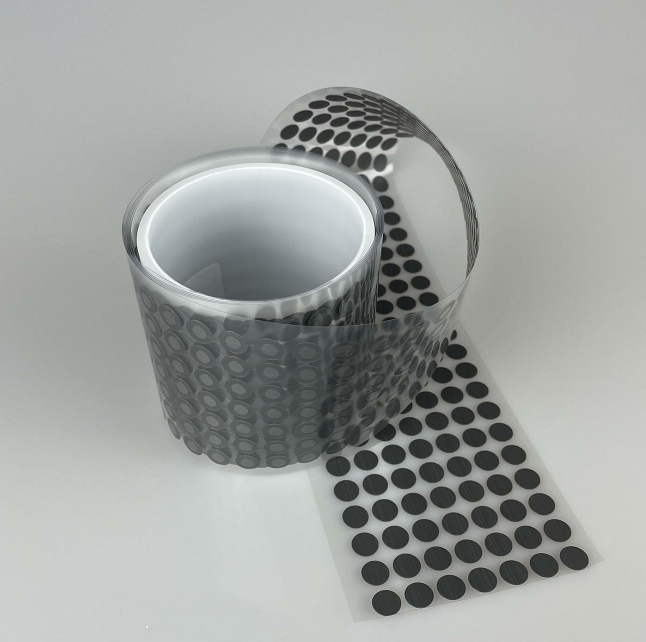
The porous ePTFE membrane represents a breakthrough in protective membrane technology, specifically engineered to provide exceptional oil repellency through its inherently low surface energy characteristics. Industries ranging from electronics manufacturing to aerospace applications depend on the porous ePTFE membrane to shield sensitive components from harmful oil-based contaminants while maintaining critical breathability and gas exchange properties. Understanding how a porous ePTFE membrane achieves this dual functionality is essential for engineers and procurement professionals seeking reliable contamination control solutions.
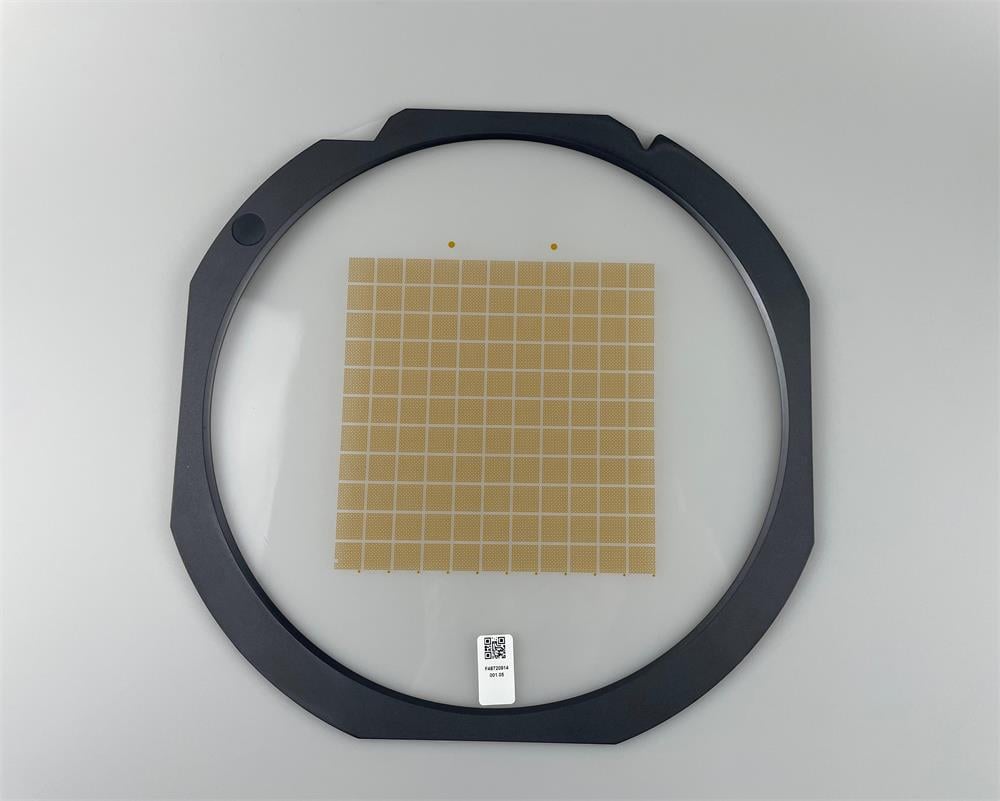
A porous ePTFE membrane functions as a selective barrier that fundamentally blocks oil molecules while permitting air and moisture vapor to pass through unimpeded. This selectivity stems from the membrane's molecular structure and its intrinsically low surface energy, which creates a natural repellency toward oil and other non-polar substances. The porous ePTFE membrane's ability to combine protection with breathability has made it indispensable across demanding industrial applications where equipment reliability directly impacts operational success.
How Porous ePTFE Membrane Achieves Superior Oil Repellency
Surface Energy and Hydrophobic Properties
The porous ePTFE membrane owes its exceptional oil repellency to its extraordinarily low surface energy, which measures approximately 18 millijoules per square meter. This low surface energy is a fundamental property of polytetrafluoroethylene (PTFE) material itself, making the porous ePTFE membrane naturally hydrophobic and oleophobic. When oil droplets encounter the porous ePTFE membrane surface, they cannot wet or adhere because the molecular bonds between oil molecules and the membrane material are far weaker than the internal cohesive forces within the oil. Consequently, the porous ePTFE membrane repels oil without requiring any chemical coatings or additional surface treatments.
Pore Structure and Barrier Mechanism
The distinctive porous ePTFE membrane microstructure consists of interconnected nodes and fibrils that create a labyrinthine pathway through the material. These microscopic passages in the porous ePTFE membrane are sized specifically to block oil particles and aerosol droplets while permitting gases and water vapor molecules to penetrate freely. The porous ePTFE membrane's pore size typically ranges from 0.2 to 10 micrometers depending on the application, ensuring that even fine oil mist cannot bridge the membrane structure. This engineered pore architecture makes the porous ePTFE membrane exceptionally effective at preventing oil contamination while maintaining the breathability that many industrial processes require.
Industrial Applications of Porous ePTFE Membrane
Electronics and Automotive Component Protection
Electronics manufacturers rely on the porous ePTFE membrane to protect sensitive sensors, connectors, and circuit assemblies from oil vapors and machining residues. Automotive applications benefit significantly from the porous ePTFE membrane's ability to shield transmission sensors, engine control modules, and brake system components from hydraulic fluid exposure. The porous ePTFE membrane's combination of oil rejection and pressure equalization prevents condensation buildup inside sealed cavities, a critical requirement for maintaining signal integrity in electronic devices operating in challenging environments. Equipment subjected to splash zones or ambient oil aerosols gains extended operational life when protected by the porous ePTFE membrane.
Precision Manufacturing and Assembly Operations
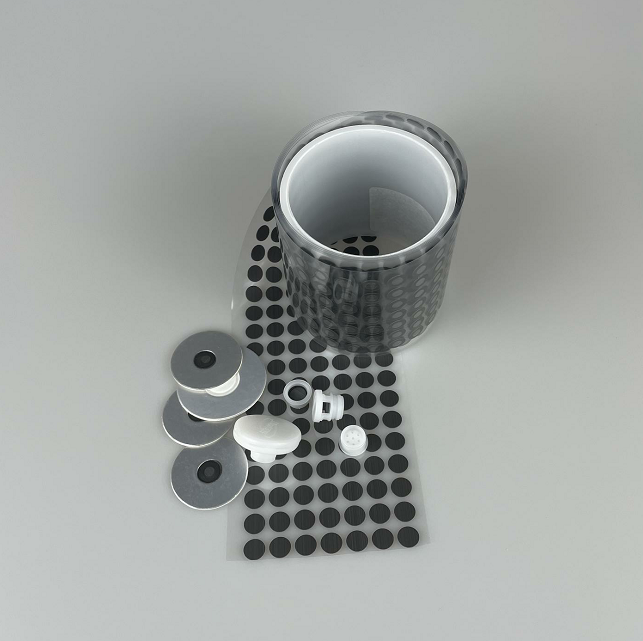
Precision assembly environments demand contamination control that does not interfere with normal pressure ventilation and thermal management. The porous ePTFE membrane addresses this challenge by providing reliable oil mist filtration while permitting free airflow, making it ideal for protective vents and breather membranes. Manufacturing facilities using the porous ePTFE membrane in equipment enclosures observe significantly reduced maintenance costs due to decreased oil contamination of internal components. The porous ePTFE membrane's durability under continuous oil exposure ensures consistent performance across extended operational cycles without degradation or saturation.
Performance Characteristics and Selection Criteria
Chemical Resistance and Temperature Stability
The porous ePTFE membrane exhibits outstanding chemical resistance across a broad spectrum of industrial fluids, including hydraulic oils, cutting fluids, and synthetic lubricants. PTFE's inherent molecular structure ensures that the porous ePTFE membrane remains inert to most solvents and reactive compounds, preventing absorption or swelling that could compromise performance. Temperature stability represents another key advantage of the porous ePTFE membrane, which maintains its functional properties across operating ranges from minus forty to two hundred eighty degrees Celsius. This exceptional thermal range makes the porous ePTFE membrane suitable for applications spanning cryogenic equipment to high-temperature industrial machinery without requiring material substitution or compromise.
Durability and Maintenance Considerations
The porous ePTFE membrane's resistance to mechanical degradation and chemical attack translates to extended service intervals and reduced replacement frequency. Unlike foam or felt-based barrier membranes, the porous ePTFE membrane does not degrade when exposed to cleaning solvents or harsh washing procedures. The porous ePTFE membrane's non-wettable surface resists clogging from accumulated oil residues, maintaining consistent breathability throughout its operational lifetime. Equipment designers benefit from the porous ePTFE membrane's predictable performance characteristics, which enable accurate calculation of pressure equalization rates and contamination blockage efficiency.
Advantages Over Alternative Membrane Technologies
Comparison with Hydrophobic Treated Materials
Many membrane solutions rely on applied hydrophobic coatings that gradually diminish through mechanical abrasion or chemical degradation, but the porous ePTFE membrane provides inherent oil repellency that never wears away. The porous ePTFE membrane's permanent low surface energy cannot be compromised by surface contact or cleaning operations, ensuring consistent performance over the entire product lifecycle. While treated membranes may initially offer cost advantages, the porous ePTFE membrane delivers superior total cost of ownership through extended service life and reduced maintenance intervention. The porous ePTFE membrane's stability eliminates the need for periodic reapplication or coating renewal procedures that other technologies frequently demand.
Breathability and Pressure Management
The porous ePTFE membrane balances oil rejection with exceptional air permeability, enabling rapid pressure equalization that prevents equipment degradation from internal pressure differentials. Sealed enclosures protected by the porous ePTFE membrane can accommodate normal thermal expansion and contraction without accumulating destructive internal pressures or dangerous vacuum conditions. The porous ePTFE membrane's superior breathability compared to solid or heavily-treated barriers makes it the optimal choice for applications requiring simultaneous contamination control and pressure management.
FAQ
What makes porous ePTFE membrane superior for oil repellency?
The porous ePTFE membrane combines PTFE's naturally low surface energy with engineered micropore architecture that simultaneously blocks oil molecules while permitting air and moisture passage. This dual functionality, combined with exceptional chemical resistance and temperature stability, makes the porous ePTFE membrane uniquely effective for demanding contamination control applications where other membrane materials would require frequent replacement or maintenance.
Can porous ePTFE membrane withstand high-temperature industrial environments?
Yes, the porous ePTFE membrane maintains full functionality across operating temperatures from minus forty to two hundred eighty degrees Celsius, making it suitable for cryogenic equipment through high-temperature industrial machinery. The porous ePTFE membrane's thermal stability ensures that oil repellency performance remains consistent regardless of ambient temperature fluctuations or process heat exposure.
How long does porous ePTFE membrane remain effective before replacement becomes necessary?
The porous ePTFE membrane's non-degrading surface properties and resistance to mechanical wear typically enable service intervals significantly exceeding those of coated or foam-based alternatives. Actual service life depends on specific contamination exposure levels and application conditions, but the porous ePTFE membrane's durability generally results in reduced replacement frequency and lower total maintenance costs compared to competing membrane technologies.