EN
EN
 AR
AR
 CS
CS
 FR
FR
 DE
DE
 IT
IT
 JA
JA
 KO
KO
 PT
PT
 RU
RU
 ES
ES
 ID
ID
 VI
VI
 TH
TH
 TR
TR
 MS
MS

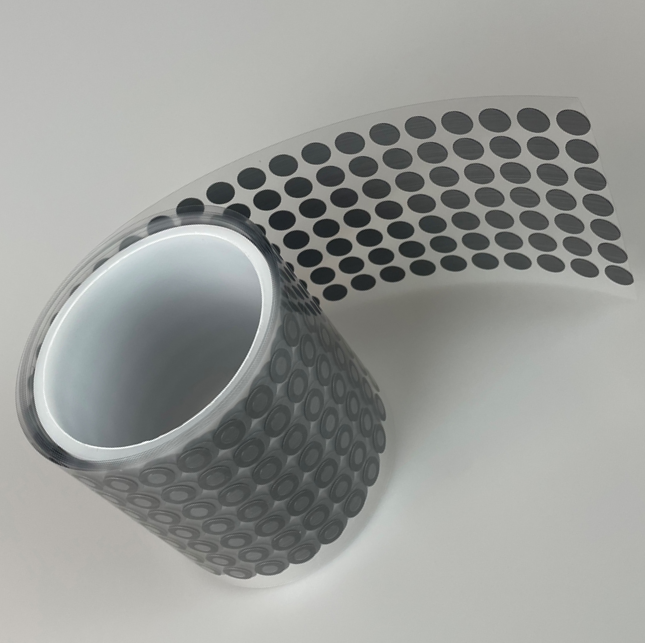
Modern consumer electronics demand increasingly compact designs without sacrificing functionality. An acoustic membrane for speaker is a critical innovation that allows manufacturers to create thinner waterproof device profiles while maintaining superior audio performance. This specialized membrane technology has revolutionized how engineers balance acoustic requirements with physical constraints in portable audio devices, smartphones, wearables, and rugged equipment.
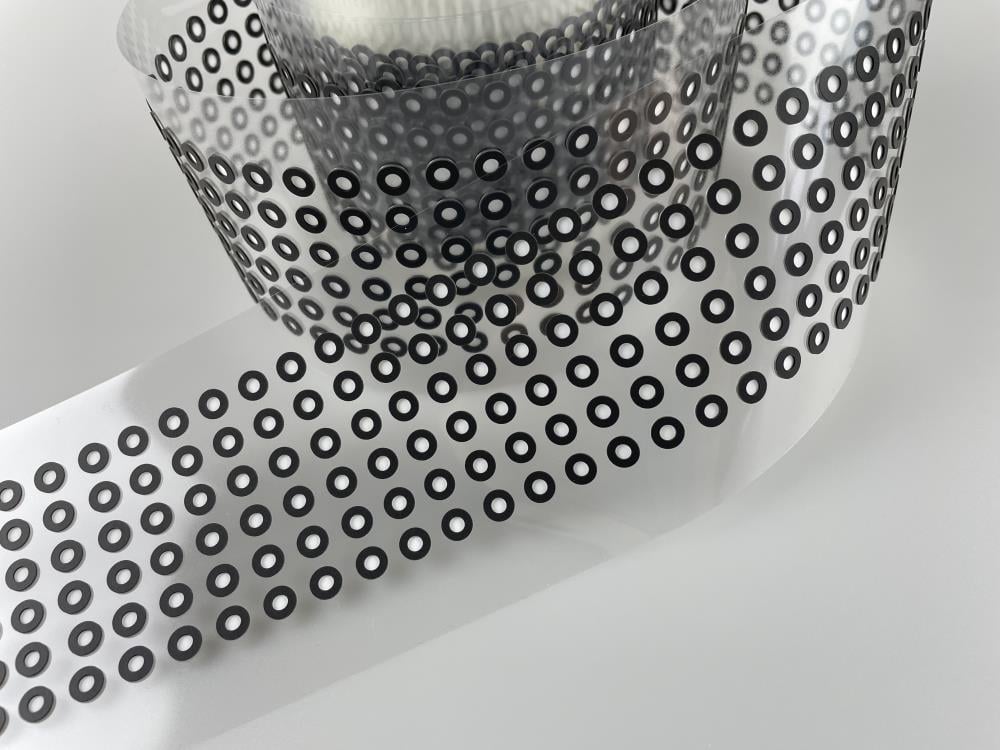
The challenge of integrating waterproof protection with acoustic function has long frustrated product designers. Traditional approaches required bulky enclosures, sealed chambers, or compromised speaker performance. An acoustic membrane for speaker addresses this fundamental design conflict by providing a thin barrier that allows sound waves to pass through while blocking moisture and contaminants. This breakthrough enables product development teams to achieve premium aesthetics and portability without engineering trade-offs.
How Acoustic Membrane for Speaker Technology Works
Microporous Structure and Sound Transmission
An acoustic membrane for speaker functions through precisely engineered microporous architecture. The membrane contains billions of microscopic pores that are larger than water molecules but small enough to trap liquid droplets and prevent capillary action. When sound waves from the speaker driver encounter the acoustic membrane for speaker, they pass through these pores with minimal attenuation. The membrane's thickness typically ranges from 0.1 to 0.5 millimeters, making it nearly invisible in device cross-sections.
The acoustic performance of an acoustic membrane for speaker depends on its pore size distribution, thickness, and material composition. Premium formulations maintain acoustic impedance close to air, ensuring that sound frequencies between 20 Hz and 20 kHz travel freely without significant frequency response distortion. This technical precision is what differentiates high-performance acoustic membrane for speaker solutions from basic waterproof barriers that mute audio quality.
Moisture Barrier and Device Protection
An acoustic membrane for speaker simultaneously serves as a moisture barrier that protects internal speaker components and electronics from water ingress. Water molecules attempting to penetrate the acoustic membrane for speaker encounter a labyrinth of tortuous pathways that prevent bulk liquid transfer while allowing vapor diffusion. This property is essential for devices exposed to humidity, splashes, rain, or submersion in water. The membrane's hydrophobic treatment enhances this protective capability without affecting acoustic transparency.
Device manufacturers benefit from incorporating an acoustic membrane for speaker because it eliminates the need for mechanical barriers, foam gaskets, or sealed cavities that add thickness and weight. A thin acoustic membrane for speaker can replace components that previously consumed 3–5 millimeters of space, enabling thinner device profiles that consumers demand. This efficiency drives adoption across premium smartphones, true wireless earbuds, portable speakers, and professional audio equipment.
Design Advantages and Product Integration
Enabling Thinner Device Profiles
The primary benefit of using an acoustic membrane for speaker is the ability to reduce device thickness while maintaining waterproof certification. An acoustic membrane for speaker accomplishes what was previously impossible: eliminating the acoustic-waterproof trade-off. Consumer expectations now favor devices under 8 millimeters thick, and an acoustic membrane for speaker is essential to meeting these dimensional targets. Product teams can allocate the space saved by an acoustic membrane for speaker to larger batteries, better thermal management, or additional internal components.
Integration of an acoustic membrane for speaker into speaker enclosure design requires engineering precision. The acoustic membrane for speaker must be positioned directly behind the speaker grille or embedded within the speaker assembly. Proper installation ensures that the acoustic membrane for speaker maintains its performance characteristics throughout the device lifecycle. Quality assurance testing confirms that an acoustic membrane for speaker retains its acoustic transparency and waterproof properties after thermal cycling, mechanical stress, and extended humidity exposure.
Audio Quality and Acoustic Performance
An acoustic membrane for speaker maintains acoustic fidelity across the audible frequency spectrum when properly engineered. The membrane's effect on frequency response is typically less than ±2 decibels across the 100 Hz to 10 kHz range where speaker intelligibility and perceived quality concentrate. Manufacturers select acoustic membrane for speaker materials and thicknesses to match their specific speaker drivers and enclosure designs. Testing demonstrates that an acoustic membrane for speaker contributes negligible changes to speaker efficiency or distortion profiles.
The acoustic membrane for speaker technology also improves device durability by preventing dust accumulation on speaker cones and coils. Particles cannot penetrate the acoustic membrane for speaker to damage sensitive components. This advantage extends speaker lifespan and reduces warranty claims related to acoustic degradation or speaker failure. An acoustic membrane for speaker thus provides value beyond immediate design enablement by enhancing long-term product reliability.
Industry Applications and Market Adoption
Consumer Electronics and Mobile Devices
Smartphone manufacturers have rapidly adopted acoustic membrane for speaker technology to achieve IP68 waterproof ratings while maintaining compact profiles. An acoustic membrane for speaker enables bottom-firing speakers, side-mounted audio ports, and call microphones to function reliably in wet environments. True wireless earbuds depend entirely on acoustic membrane for speaker solutions because their external dimensions preclude traditional waterproofing methods. Fitness trackers, smartwatches, and health monitoring devices all leverage acoustic membrane for speaker innovations.
The consumer electronics market drives continuous advancement in acoustic membrane for speaker technology. Manufacturers compete on waterproof certification levels, supported battery life, and audio quality, all of which depend on effective acoustic membrane for speaker implementation. Market leaders specify premium acoustic membrane for speaker materials that balance long-term durability with acoustic transparency. An acoustic membrane for speaker has become a standard component in flagship device designs across multiple product categories.
Professional Audio and Industrial Equipment
Professional audio applications including outdoor speakers, marine equipment, and industrial monitoring systems benefit from acoustic membrane for speaker durability and acoustic properties. An acoustic membrane for speaker in outdoor speakers withstands UV exposure, salt spray, and temperature extremes while preserving balanced audio output. Maritime navigation systems, offshore drilling communication equipment, and harsh-environment instrumentation all incorporate acoustic membrane for speaker solutions to ensure reliable operation.
Industrial integrators appreciate that an acoustic membrane for speaker eliminates complex mechanical sealing solutions that add manufacturing cost and maintenance burden. An acoustic membrane for speaker installed in an industrial device requires no replacement or maintenance throughout normal service life. The simplicity and reliability of acoustic membrane for speaker technology accelerate adoption in demanding applications where failure is costly.
FAQ
What acoustic frequencies does an acoustic membrane for speaker block?
An acoustic membrane for speaker is engineered to transmit sound frequencies across the entire human audible range, typically 20 Hz to 20 kHz. The microporous structure is designed to allow acoustic energy transmission while blocking liquid water. An acoustic membrane for speaker does not block specific frequencies; instead, it maintains a relatively flat frequency response with minimal attenuation across all audible ranges. Frequency-dependent performance depends on the membrane's specific thickness, pore size distribution, and material properties, which manufacturers optimize for their particular speaker applications.
Can an acoustic membrane for speaker be replaced if damaged?
In most consumer devices, an acoustic membrane for speaker is permanently bonded or integrated into the speaker assembly, making field replacement impractical. An acoustic membrane for speaker is designed to survive the entire product lifecycle under normal conditions including environmental exposure, mechanical stress, and thermal cycling. If an acoustic membrane for speaker becomes damaged during manufacturing or service, the entire speaker assembly typically requires replacement rather than membrane-only service. Premium devices may feature modular designs allowing acoustic membrane for speaker replacement by trained technicians, though this remains uncommon in compact portable devices.
How does an acoustic membrane for speaker compare to traditional waterproofing methods?
Traditional waterproofing methods for speakers rely on sealed enclosures, mechanical shutters, or thick acoustic foam barriers that significantly increase device thickness and compromise audio quality. An acoustic membrane for speaker eliminates these design compromises by providing simultaneous waterproofing and acoustic transparency in a component thinner than 0.5 millimeters. Traditional approaches may reduce device thickness by only 1–2 millimeters, while an acoustic membrane for speaker enables 3–5 millimeters of thickness reduction. The acoustic membrane for speaker approach is superior for modern consumer devices prioritizing both waterproof reliability and thin form factors.