EN
EN
 AR
AR
 CS
CS
 FR
FR
 DE
DE
 IT
IT
 JA
JA
 KO
KO
 PT
PT
 RU
RU
 ES
ES
 ID
ID
 VI
VI
 TH
TH
 TR
TR
 MS
MS

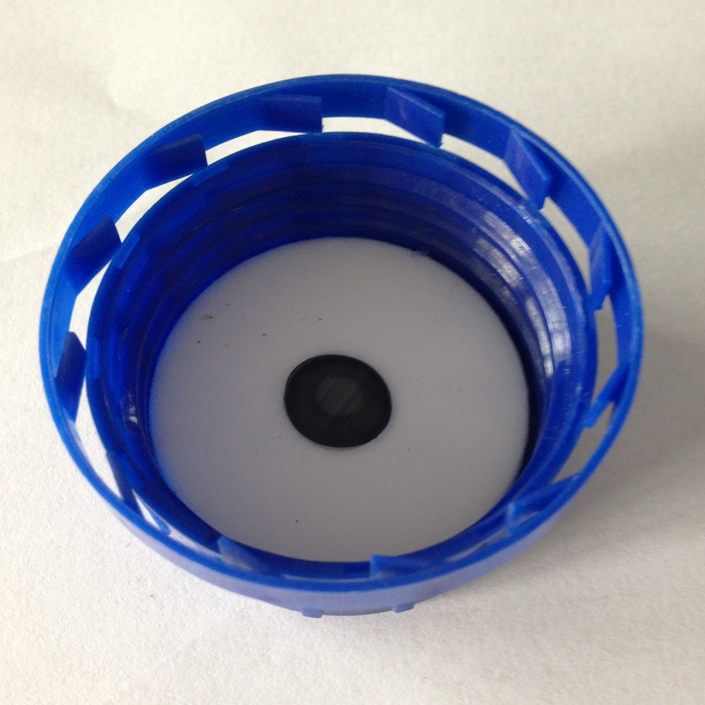
Small-form-factor acoustic sensors demand precision engineering and robust protection mechanisms to function reliably in demanding environments. The integration of advanced protective membranes has become essential for extending sensor lifespan and maintaining acoustic fidelity in moisture-prone and particle-laden conditions. When engineers select a MicroVent MEMS membrane for their acoustic sensor designs, they gain access to a solution that balances protection with acoustic transparency, ensuring sensors deliver consistent performance without acoustic degradation. Understanding the integration process for MicroVent MEMS membrane into compact sensor architectures requires knowledge of membrane placement, substrate compatibility, and sealing protocols that maintain both environmental protection and acoustic clarity.
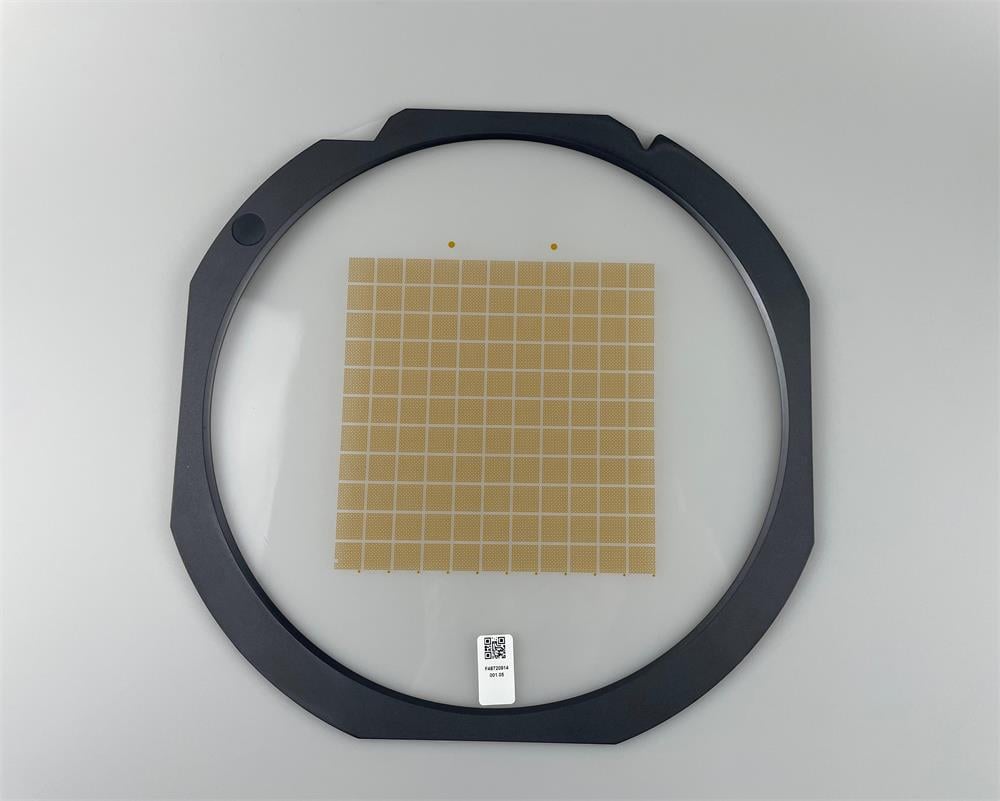
Integrating MicroVent MEMS membrane into acoustic sensor designs involves careful consideration of membrane thickness, material composition, and acoustic frequency response characteristics. Engineers must evaluate how the MicroVent MEMS membrane interacts with the sensor's acoustic pathway while maintaining the protective barrier that prevents moisture infiltration and contaminant damage. This integration process represents a critical design decision that affects both the sensor's operational reliability and its acoustic performance metrics across target frequency ranges.
Understanding MicroVent MEMS Membrane Technology
Core Functionality of Protective Membranes in Acoustic Sensors
Acoustic sensors operate by detecting sound waves through sensitive diaphragms and transducers that convert mechanical vibrations into electrical signals. Without adequate protection, these sensitive components become vulnerable to environmental stressors including moisture, dust, salt spray, and mechanical shock. The MicroVent MEMS membrane serves as a breathable barrier that permits acoustic signals to pass through while blocking harmful particles and excess moisture. This dual functionality makes MicroVent MEMS membrane an ideal choice for sensors deployed in marine environments, industrial facilities, automotive applications, and outdoor monitoring systems.
Material Properties and Acoustic Performance
The MicroVent MEMS membrane typically features a microporous structure engineered to provide selective permeability at the molecular level. This design allows acoustic energy to propagate with minimal attenuation across the sensor's operating frequency range while preventing liquid water and particulate matter from entering the sensor cavity. Engineers must understand that the MicroVent MEMS membrane does not create a complete acoustic dead zone; rather, it introduces minimal insertion loss that sophisticated sensor designs account for during calibration. The material composition of MicroVent MEMS membrane typically involves hydrophobic polymer networks or ceramic composites that maintain structural integrity under temperature cycling and mechanical stress.
Integration Design Principles for Small-Form-Factor Sensors
Membrane Placement and Mounting Strategies
Small-form-factor acoustic sensors require precisely engineered mounting interfaces for the MicroVent MEMS membrane to function optimally. The placement of MicroVent MEMS membrane typically occurs at the sensor's acoustic port, which serves as the interface between the external environment and the internal sensor cavity. Engineers must establish a mounting surface that ensures uniform contact between the membrane and the sensor housing, preventing acoustic leakage paths that would compromise sensor sensitivity. For optimal results, the MicroVent MEMS membrane should be adhered using a precision adhesive that maintains structural alignment during thermal cycling and mechanical vibration. The mounting depth and orientation of the MicroVent MEMS membrane relative to the sensor's diaphragm directly influence how acoustic signals couple into the sensing element.
Sealing Protocols and Environmental Protection
Effective integration of MicroVent MEMS membrane requires sealing strategies that prevent moisture from bypassing the membrane through micro-gaps or surface irregularities. A properly implemented sealing protocol ensures that the MicroVent MEMS membrane remains the sole environmental barrier between the sensor cavity and the external environment. Engineers typically employ secondary sealing layers around the MicroVent MEMS membrane perimeter using elastomer gaskets or precision mechanical interference fits. The integration process must account for manufacturing tolerances and thermal expansion coefficients to maintain seal integrity across the sensor's operational temperature range. Testing the sealing effectiveness of MicroVent MEMS membrane installations involves humidity chamber exposure and moisture ingress monitoring to verify protection performance.
Implementation Best Practices and Integration Optimization
Acoustic Performance Verification
After integrating MicroVent MEMS membrane into the sensor assembly, engineers must conduct comprehensive acoustic testing to verify that the membrane integration does not degrade sensor performance. The MicroVent MEMS membrane should produce measurable but acceptable insertion loss across the sensor's target frequency range, typically less than 2 to 3 decibels depending on application requirements. Frequency response measurements taken before and after MicroVent MEMS membrane installation establish baseline performance metrics and verify that acoustic coupling remains stable. Engineers should validate that the MicroVent MEMS membrane integration maintains consistent sensitivity across different environmental conditions, including temperature extremes and humidity variations. Advanced testing protocols may include phase response analysis and harmonic distortion measurements to ensure the MicroVent MEMS membrane does not introduce non-linear acoustic effects.
Manufacturing and Quality Control Considerations
Production integration of MicroVent MEMS membrane into acoustic sensors requires established quality control procedures to ensure consistent performance across manufacturing batches. Each MicroVent MEMS membrane installation must be inspected for proper alignment, adhesive distribution, and seal integrity before the sensor proceeds to functional testing. Automated vision systems can verify that the MicroVent MEMS membrane covers the entire acoustic port without wrinkles, folds, or edge lift-off that would compromise environmental protection. Documentation procedures should track the MicroVent MEMS membrane batch number, installation date, and pre-operational acoustic measurements to establish traceability for quality assurance purposes. Environmental stress testing protocols should subject integrated sensors containing MicroVent MEMS membrane to thermal shock, vibration cycling, and salt-fog exposure to validate long-term reliability and performance stability.
FAQ
What acoustic frequency ranges can MicroVent MEMS membrane protect while maintaining signal transmission?
The MicroVent MEMS membrane is engineered to maintain acoustic transparency across frequencies typically ranging from 20 Hz to 20 kHz, covering the full audible spectrum. The microporous structure of MicroVent MEMS membrane allows sound waves to propagate with minimal attenuation, making it suitable for broad-spectrum acoustic sensing applications. Specialized variants of MicroVent MEMS membrane can be optimized for ultrasonic frequencies above 20 kHz or infrasonic applications below 20 Hz depending on specific sensor design requirements.
How does MicroVent MEMS membrane impact sensor calibration procedures?
The integration of MicroVent MEMS membrane introduces a known acoustic impedance characteristic that must be accounted for during sensor calibration. Engineers typically conduct reference measurements with and without the MicroVent MEMS membrane to establish correction factors that offset insertion loss and phase shift. Once these calibration parameters are established, MicroVent MEMS membrane installations can be standardized across production batches, ensuring consistent sensor performance without requiring individual membrane adjustment.
Can MicroVent MEMS membrane be replaced or serviced after initial sensor deployment?
Depending on the sensor design, MicroVent MEMS membrane can often be replaced by trained technicians following established procedures to remove the old membrane and install a fresh protective layer. Some sensor designs feature modular acoustic ports that allow straightforward MicroVent MEMS membrane access without disassembling the entire sensor. Organizations should consult specific product documentation and manufacturer guidelines to determine whether their acoustic sensor models support field replacement of MicroVent MEMS membrane components.