EN
EN
 AR
AR
 CS
CS
 FR
FR
 DE
DE
 IT
IT
 JA
JA
 KO
KO
 PT
PT
 RU
RU
 ES
ES
 ID
ID
 VI
VI
 TH
TH
 TR
TR
 MS
MS

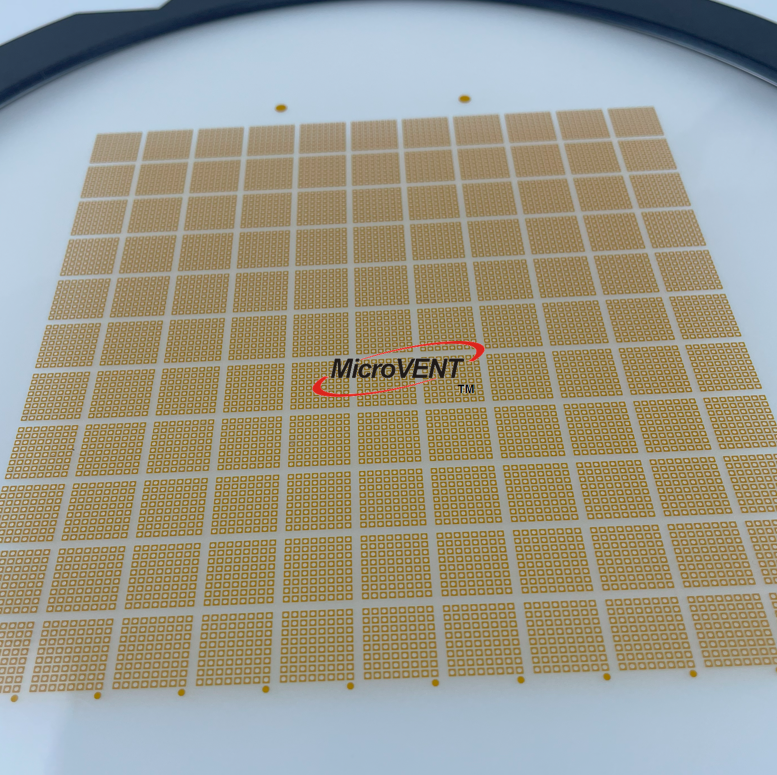
The specialty chemicals industry is experiencing a significant paradigm shift in how manufacturers approach sealing and venting solutions. For decades, non-breathable seals dominated the market, offering reliable moisture and contaminant barriers. However, a growing body of evidence and real-world performance data demonstrates that breathable foil technology delivers superior protection, longer product shelf life, and better regulatory compliance for high-value specialty chemical formulations. This transition reflects a fundamental rethinking of what 'protection' means in an industry where pressure equalization, moisture management, and chemical stability are equally critical.
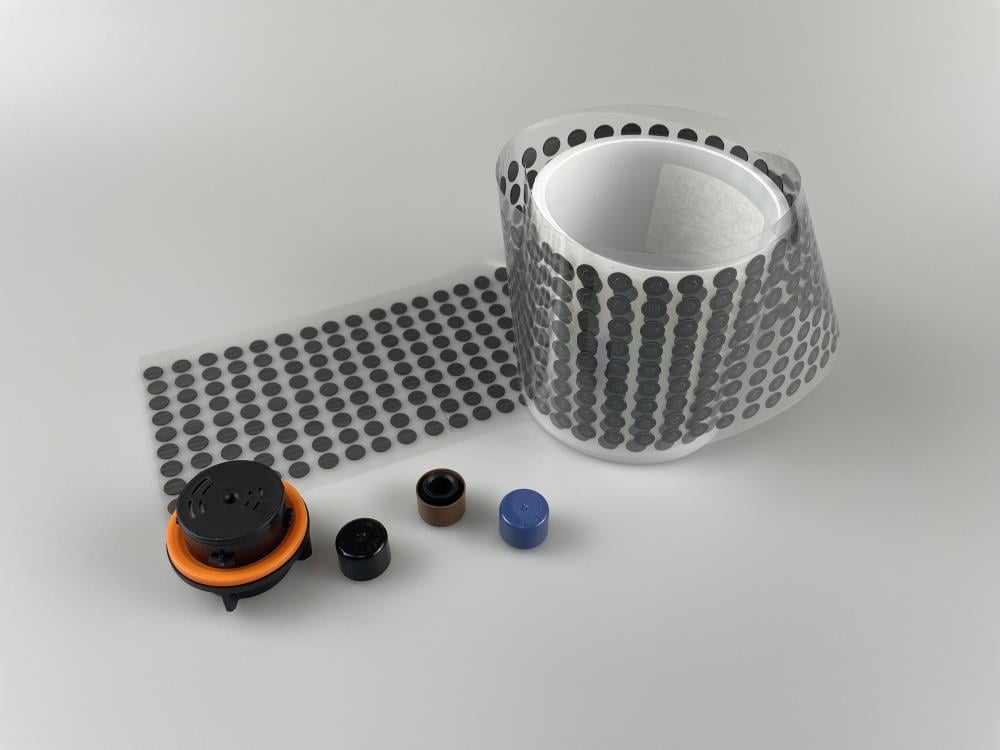
Specialty chemical manufacturers face a unique challenge that traditional sealing approaches cannot fully address. Products ranging from adhesives and resins to coatings and pharmaceuticals must maintain chemical integrity while accommodating the pressure and humidity fluctuations that occur during storage, transportation, and use. Breathable foil membranes solve this dual requirement by allowing vapor transmission while blocking liquid and particulate ingress, a balance that non-breathable seals simply cannot achieve. Understanding why breathable foil is replacing conventional sealing methods requires examining the physics, chemistry, and economic logic driving this industry evolution.
The Performance Limitations of Non-Breathable Seals
Pressure Buildup and Container Integrity
Non-breathable seals create a fully hermetic barrier, which sounds ideal but generates serious practical problems in specialty chemical applications. As products age, off-gassing occurs—solvents evaporate, water is released from formulations, and chemical decomposition products generate pressure inside sealed containers. With non-breathable seals, this pressure accumulates over time, creating dangerous bulging, seal failure, or even container rupture. Breathable foil membranes allow trapped vapor to escape gradually, maintaining safe internal pressure levels throughout the product lifecycle. This controlled venting dramatically reduces container failures and safety risks, a critical advantage that non-breathable seals cannot match.
Moisture Ingress and Product Degradation
While non-breathable seals block moisture on the surface, they cannot address the condensation that forms inside sealed containers when temperature fluctuates. Temperature cycling during shipping and storage causes air inside the container to expand and contract, creating micro-movements that can force moisture past non-breathable seals or trap liquid inside the sealed space. Breathable foil technology uses micro-porous membranes that allow water vapor to equilibrate while maintaining a barrier against bulk liquid water. This means moisture that does form can gradually escape, preventing the long-term degradation that ruins specialty chemical products and causes warranty claims. For moisture-sensitive formulations, this distinction directly translates to extended shelf life and preserved performance.
Why Breathable Foil Delivers Superior Chemical Stability
Controlled Vapor Exchange in Specialty Chemical Packaging
Breathable foil membranes are engineered to allow selective gas and vapor transmission while blocking particles and bulk liquid. In specialty chemicals, this selectivity is invaluable because many formulations actually benefit from slight vapor exchange—allowing excess solvent to escape while preventing oxidation and water ingress. Adhesives, for example, can release aggressive solvent vapors that build pressure in sealed containers; breathable foil lets these vapors escape at a controlled rate, reducing container stress while maintaining chemical stability. Non-breathable seals trap these vapors entirely, creating secondary reactions and pressure-driven seal compromise. Breathable foil achieves equilibrium, extending product viability and reducing rejections during quality control.
Oxygen Barrier Performance and Shelf Life Extension
Specialty chemicals including resins, coatings, and pharmaceutical preparations are highly sensitive to oxidative degradation. High-quality breathable foil membranes incorporate oxygen barrier layers that significantly reduce oxygen permeation compared to non-breathable seals alone. The multi-layer construction of modern breathable foil combines vapor transport channels with oxygen-blocking layers, delivering protection that single-material non-breathable seals simply cannot replicate. This means products sealed with breathable foil maintain their chemical potency, color stability, and performance characteristics for measurably longer periods. For manufacturers, this translates directly to reduced expiration-date pressure, fewer returns due to out-of-spec products, and improved customer satisfaction across global distribution networks.
Economic and Regulatory Drivers Behind the Industry Shift
Compliance and Traceability in Regulated Markets
Regulatory frameworks in pharmaceuticals, food-contact chemicals, and industrial applications increasingly emphasize product integrity verification and traceability. Breathable foil membranes provide visible evidence of package integrity—if the membrane is compromised, it shows clear visual signs, allowing manufacturers and distributors to identify suspect products before they reach customers. Non-breathable seals offer no such diagnostic capability; a failed seal can go undetected for extended periods, creating compliance violations and liability exposure. Many regulatory bodies now view breathable foil as the preferred sealing approach for specialty chemicals because it enables transparent quality assurance and reduces the risk of compromised products entering distribution channels. This regulatory preference is driving significant market adoption among quality-conscious manufacturers.
Cost Savings Through Reduced Waste and Returns
While breathable foil may carry slightly higher initial material costs compared to non-breathable seals, the total cost of ownership strongly favors breathable foil in specialty chemical applications. Extended shelf life means fewer products expire unsold, reducing inventory carrying costs and waste. Better moisture and pressure management means fewer containers require replacement due to seal failure or product degradation. Reduced customer returns and warranty claims eliminate expensive remediation activities and preserve brand reputation. Manufacturers using breathable foil report 15-30% reductions in overall packaging-related costs when total lifecycle impacts are calculated, a compelling economic driver that translates directly to bottom-line improvement. This financial case, combined with regulatory preference and performance superiority, explains why breathable foil adoption is accelerating across the specialty chemicals industry.
FAQ
What is the main difference between breathable foil and non-breathable seals?
Breathable foil membranes allow controlled vapor and gas transmission while blocking liquid water and particulates, whereas non-breathable seals create a fully hermetic barrier that traps all gases and vapors inside containers. For specialty chemicals, this difference is critical because breathable foil prevents dangerous pressure buildup, reduces moisture-induced degradation, and maintains product stability throughout storage and distribution. Non-breathable seals cannot provide this selective protection, making them less suitable for applications where vapor management and long-term chemical stability are essential.
How does breathable foil extend shelf life in specialty chemical products?
Breathable foil reduces shelf-life limitations by allowing controlled escape of off-gassing vapors and trapped moisture while maintaining strong barriers against oxygen, light, and contaminant ingress. This prevents pressure-driven seal failures, condensation-induced degradation, and oxidative reactions that typically limit product viability. By maintaining stable internal conditions, breathable foil preserves chemical potency, color stability, and performance characteristics for significantly longer periods compared to products sealed with non-breathable seals. Manufacturers report measurable extensions in acceptable shelf life, directly improving profitability and customer satisfaction.
Are breathable foil membranes suitable for all specialty chemical applications?
Breathable foil is highly suitable for most specialty chemical applications, including adhesives, resins, coatings, and pharmaceutical preparations, but specific membrane performance characteristics should be matched to each formulation's volatility, moisture sensitivity, and oxygen exposure risks. Products that require absolutely zero vapor loss or that contain extremely aggressive solvents may require custom breathable foil specifications. Working with experienced membrane suppliers ensures that breathable foil properties align precisely with your specialty chemical requirements, maximizing protection and shelf-life benefits. The versatility and customization options available with breathable foil make it applicable across the vast majority of specialty chemical packaging scenarios.