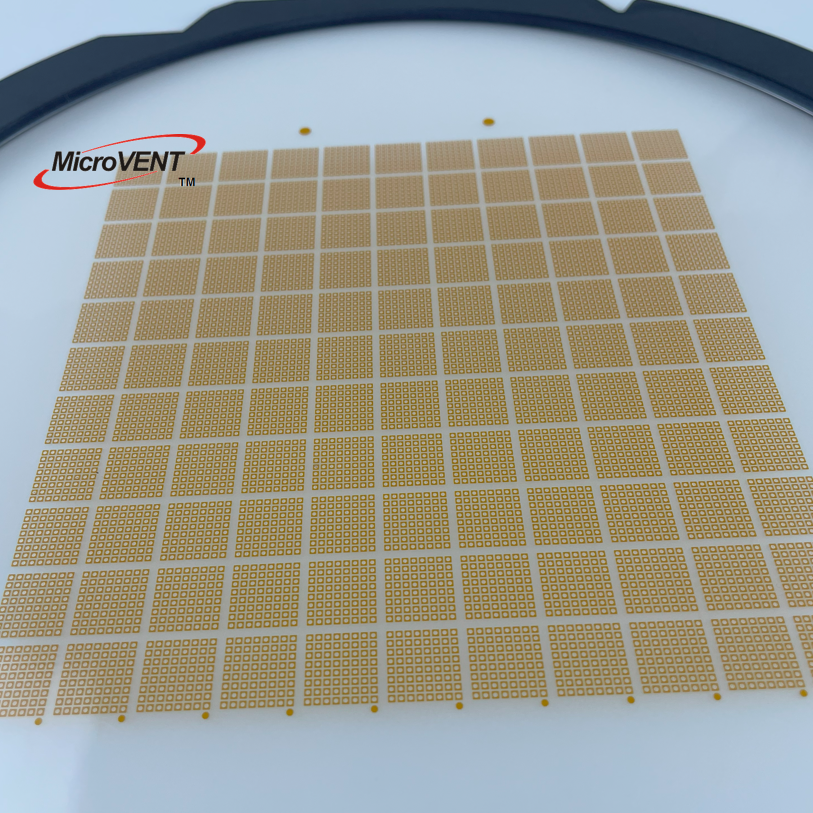
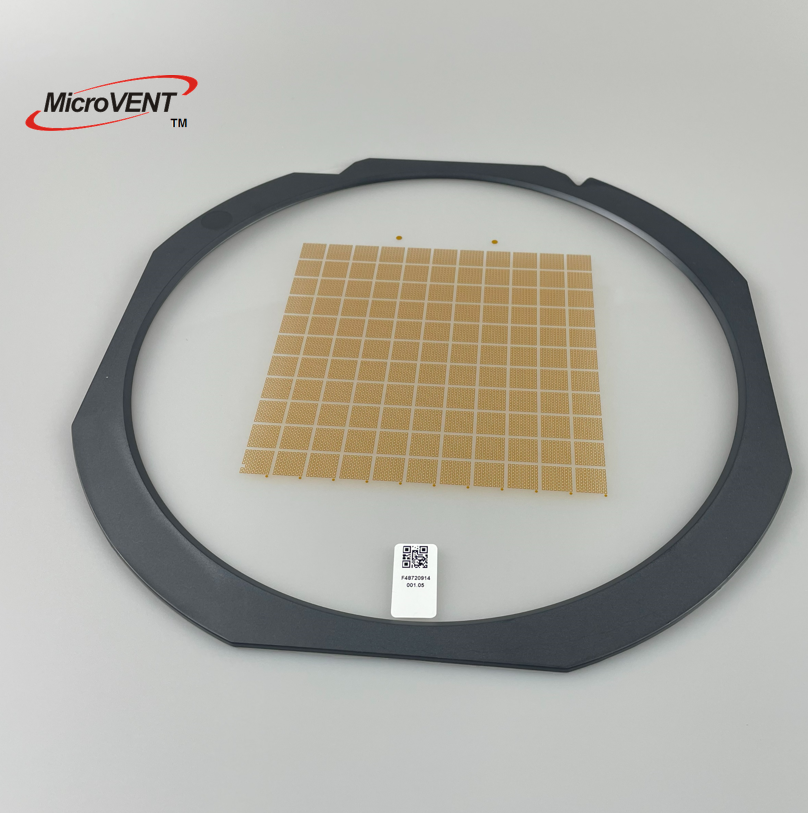
mems protective membrane
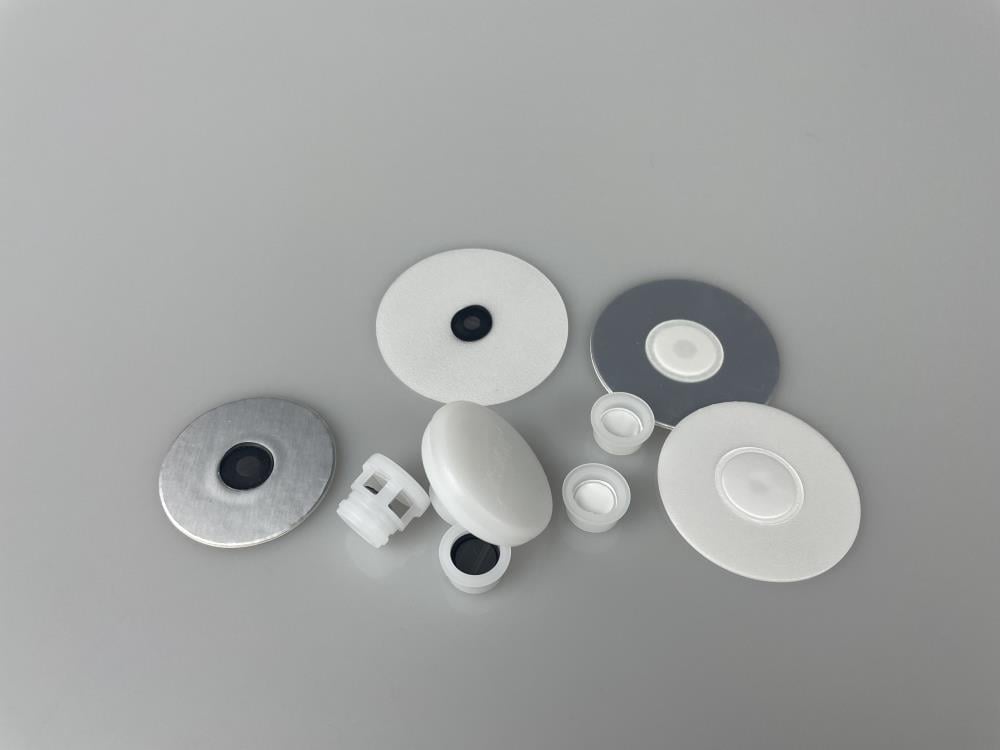
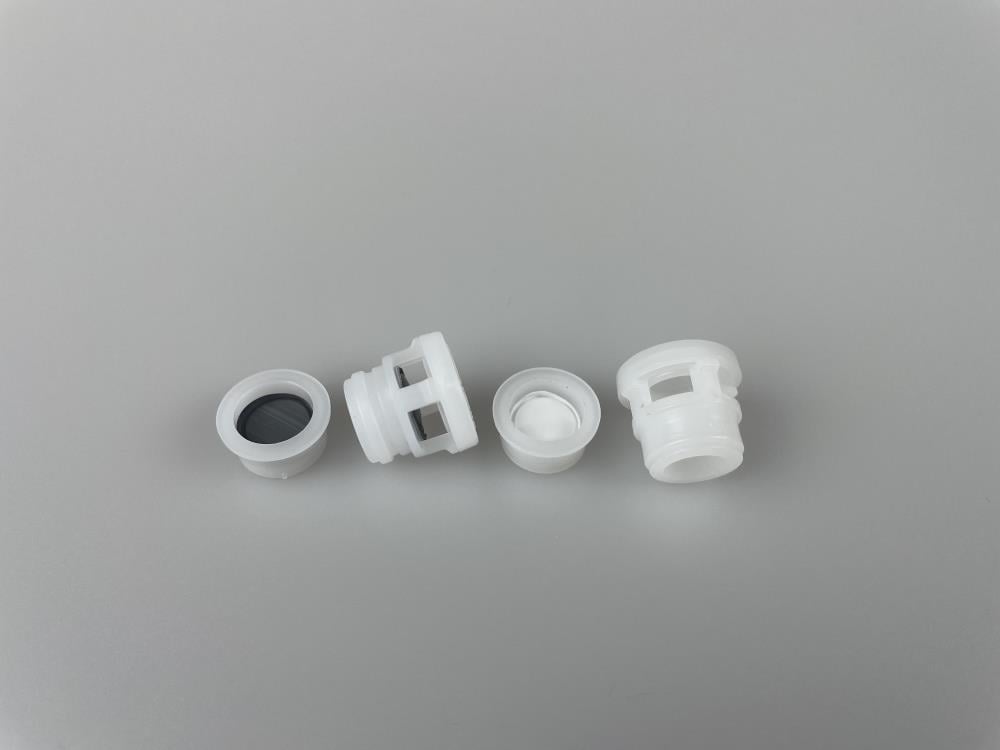
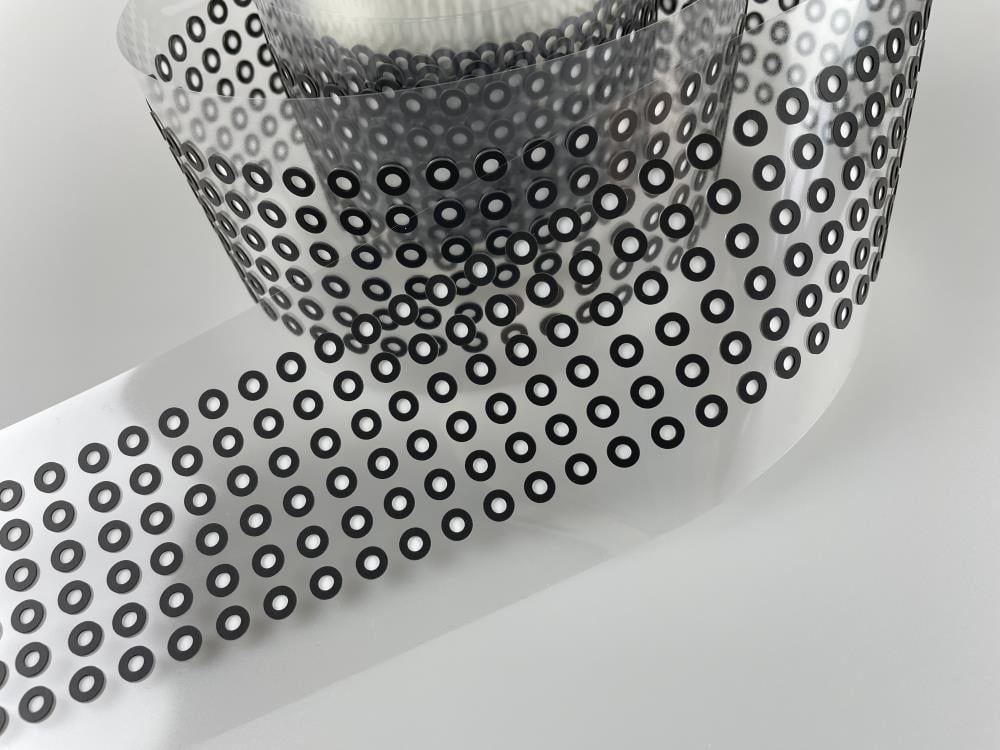
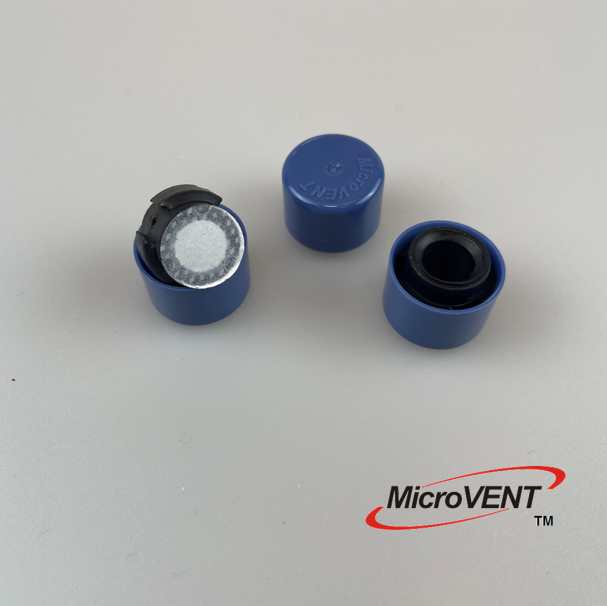
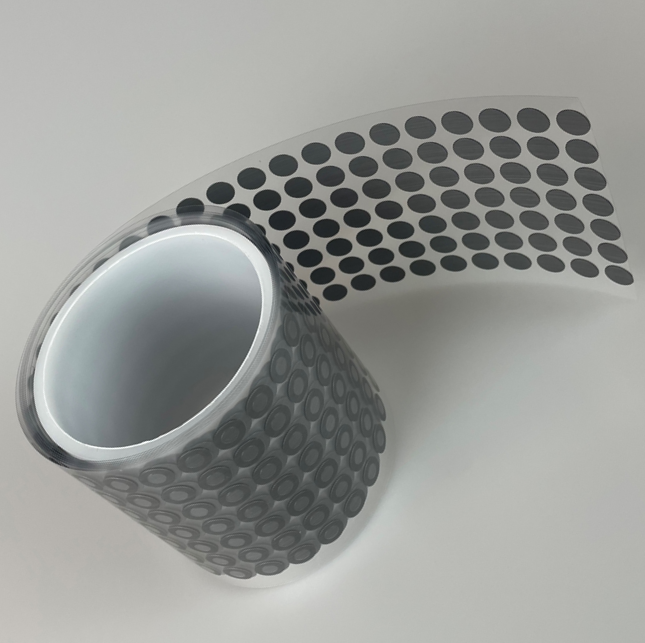
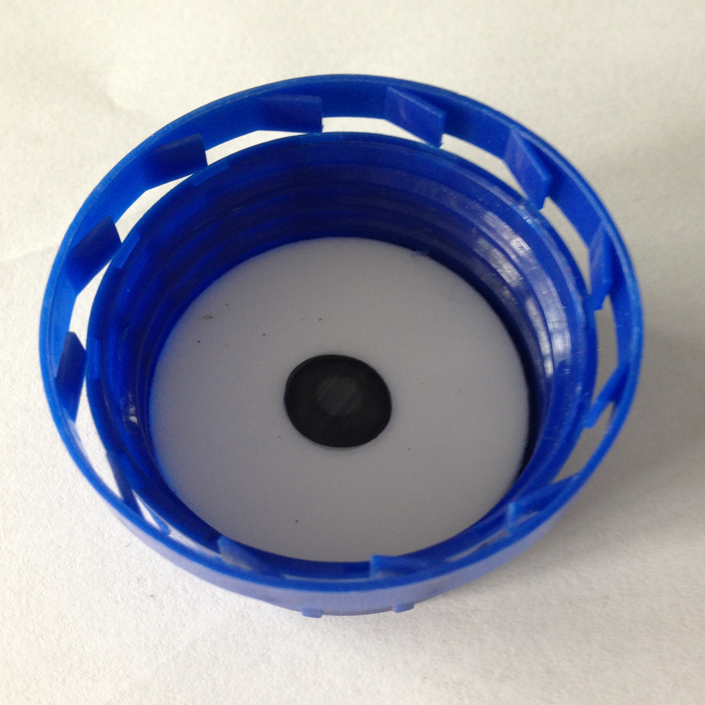
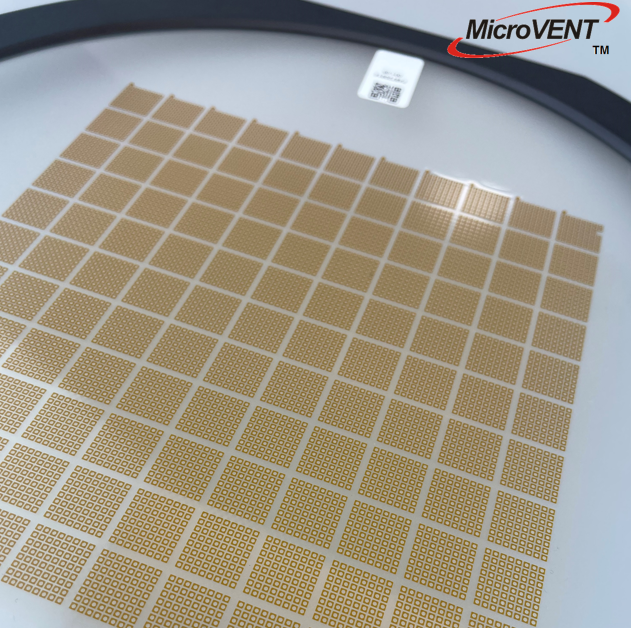
A mems protective membrane is a thin, engineered cover that shields the sensitive moving or sensing area of a microelectromechanical system. The mems protective membrane allows the device to detect pressure, sound, gas, motion, or vibration while limiting damage from dust, moisture, particles, and handling. In many designs, the mems protective membrane sits above a cavity, diaphragm, or acoustic opening and creates a controlled barrier between the sensor and its surroundings. Its main function is protection without blocking the physical signal that the sensor must measure. A well-designed mems protective membrane combines low mass, controlled flexibility, and dependable sealing. These properties help the sensor respond quickly and maintain stable output. The mems protective membrane can use materials such as silicon, polymer films, metal layers, or composite structures, depending on the operating environment. Manufacturing may include wafer-level processing, precision etching, thin-film deposition, bonding, and microscopic patterning. The mems protective membrane can include defined pores, vents, mesh structures, or selective coatings to manage airflow and filtering. Some versions resist chemicals, condensation, heat, and repeated pressure changes. Others support clean-room assembly and high-volume production. For audio modules, the mems protective membrane helps preserve sound transmission while reducing contamination risk. For pressure and gas sensors, the mems protective membrane controls exposure and protects the active element. The mems protective membrane also supports compact packaging, making it suitable for wearables, vehicles, industrial equipment, medical devices, smart appliances, and connected products. Overall, the mems protective membrane combines sensitive signal access with practical device protection.
 EN
 AR
 CS
 FR
 DE
 IT
 JA
 KO
 PT
 RU
 ES
 ID
 VI
 TH
 TR
 MS