mems eptfe
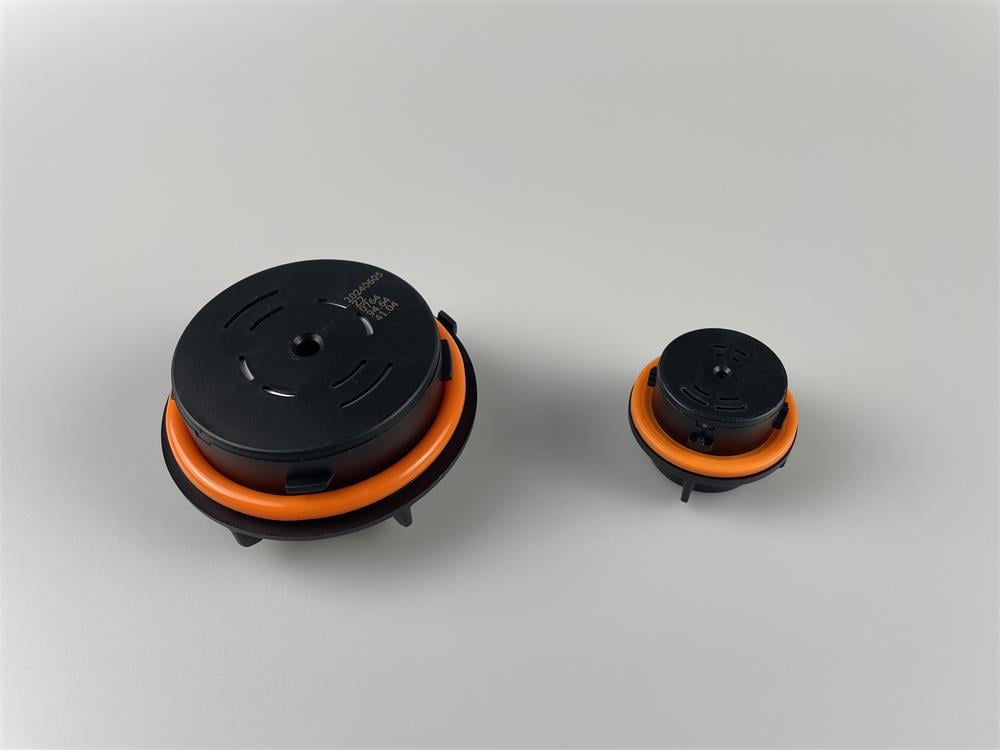
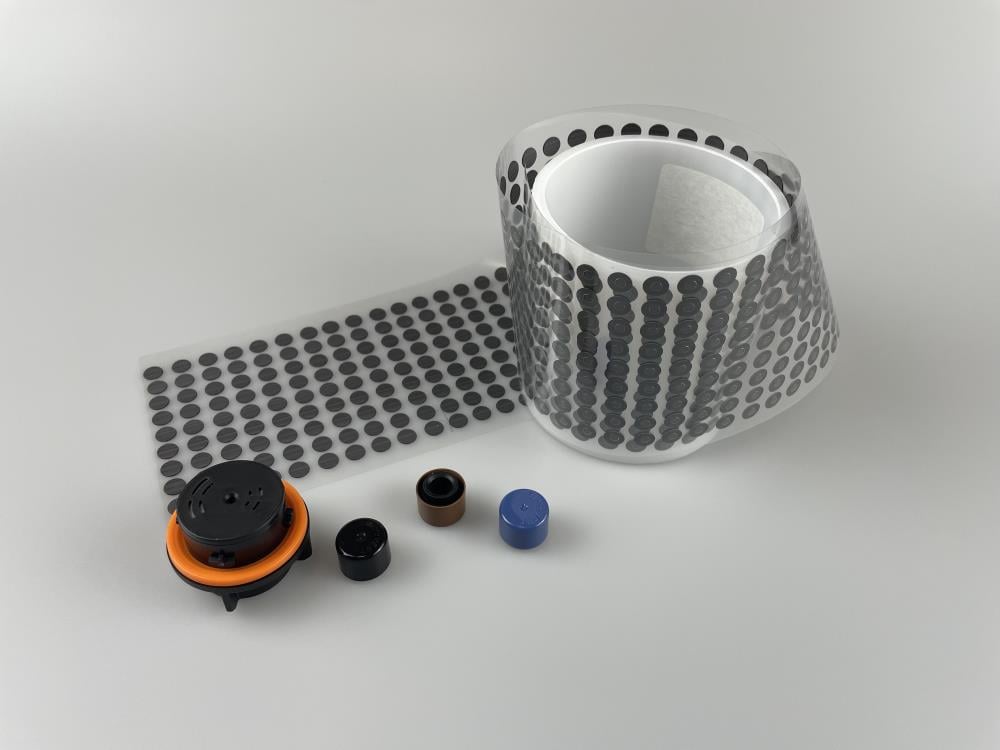
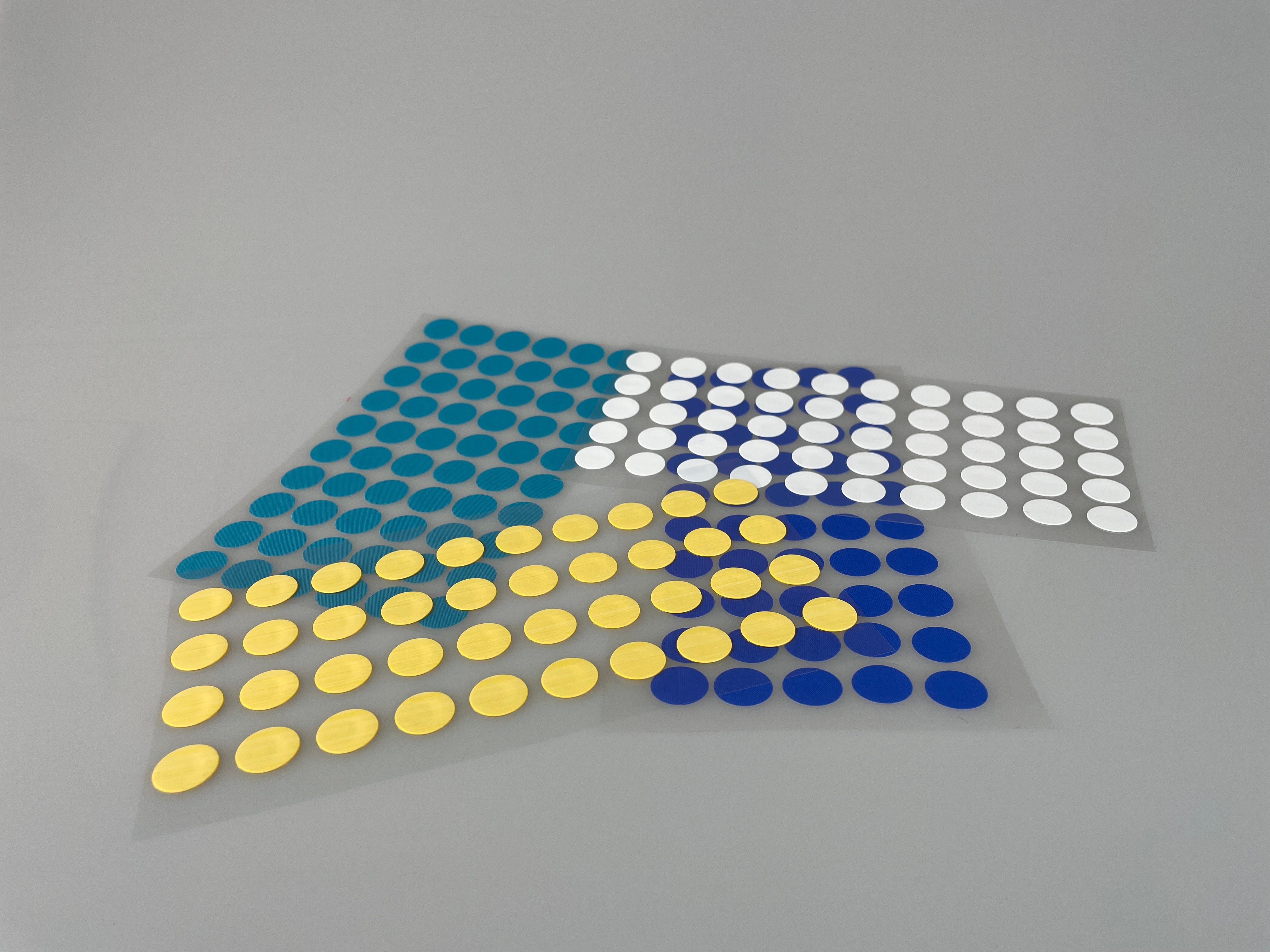
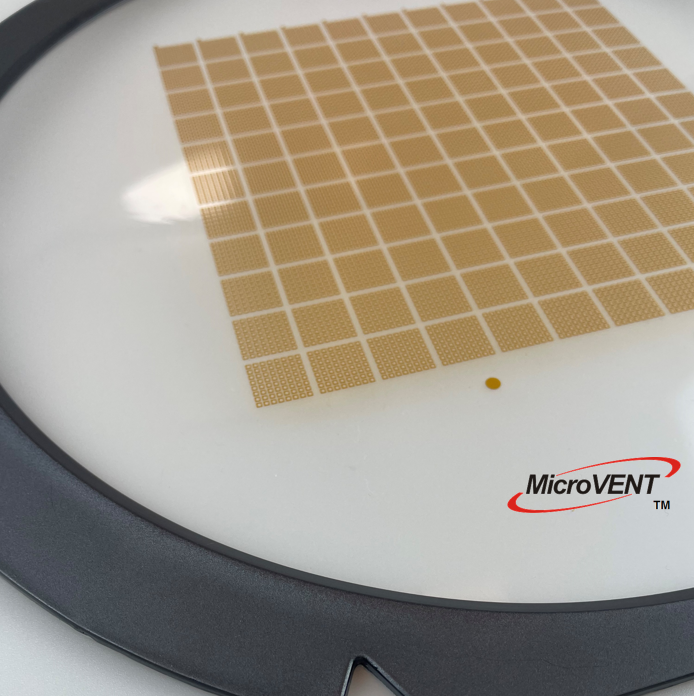
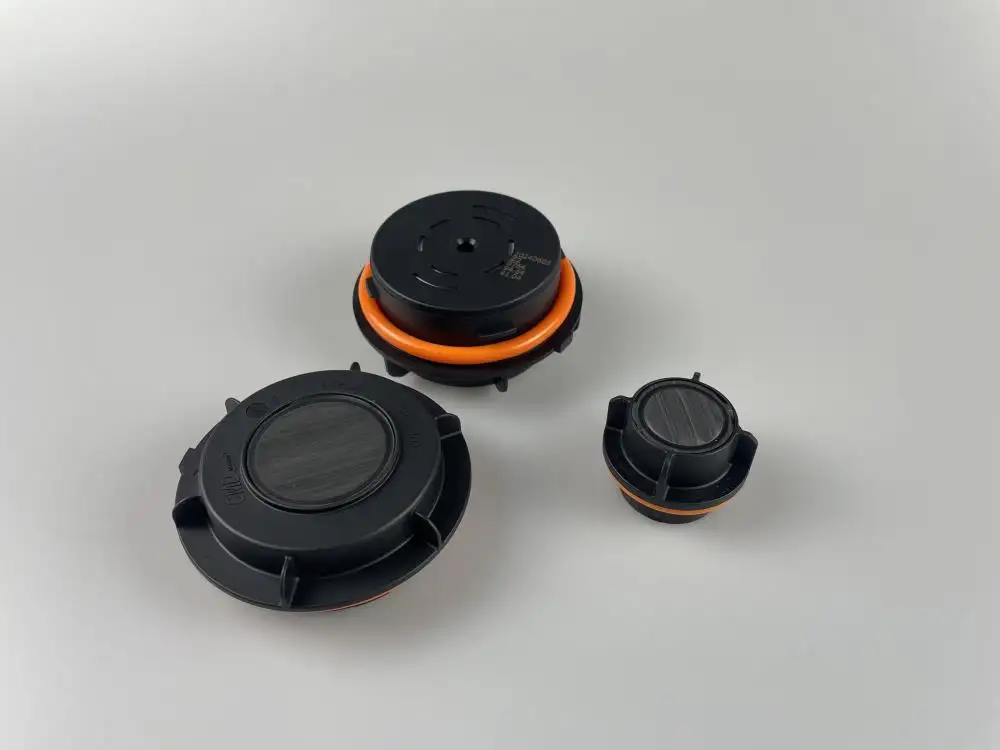
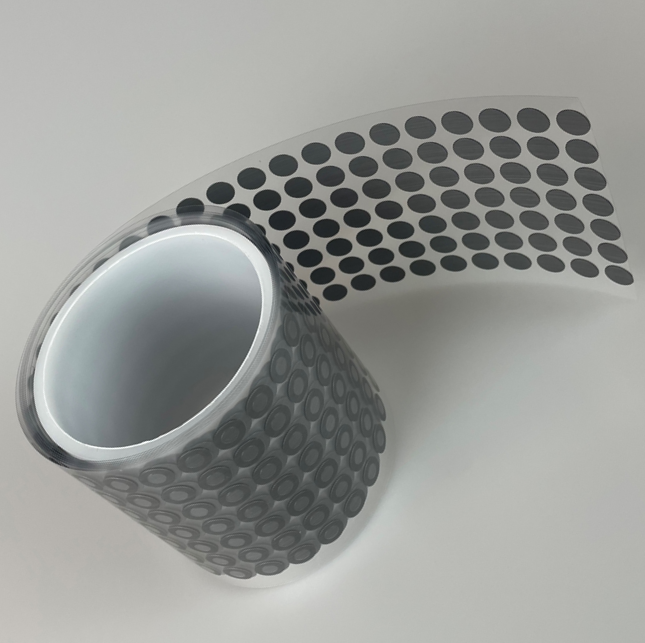
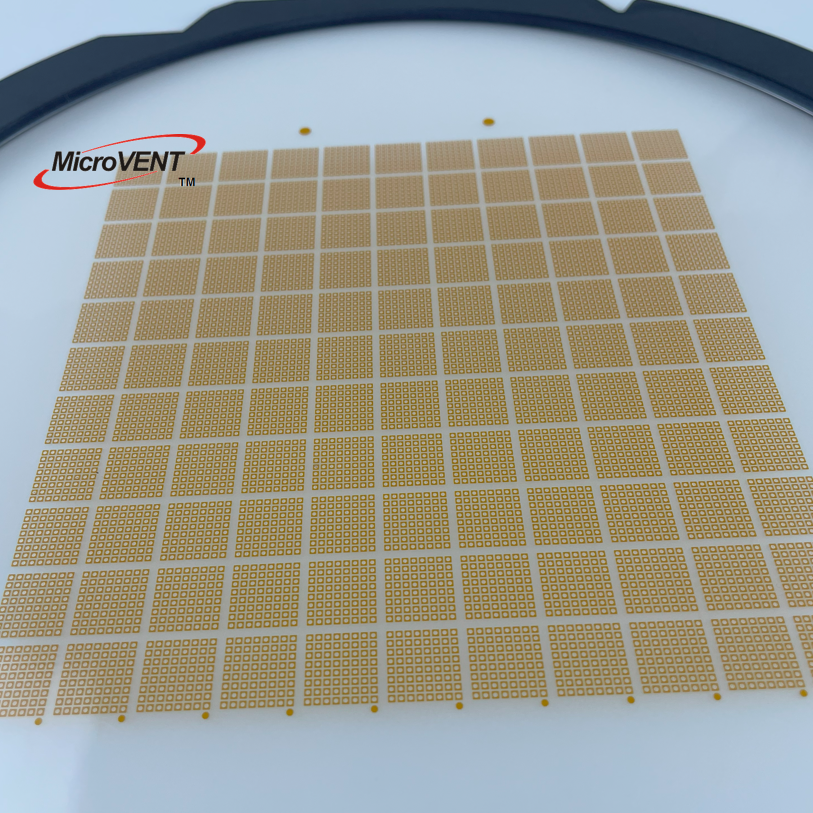
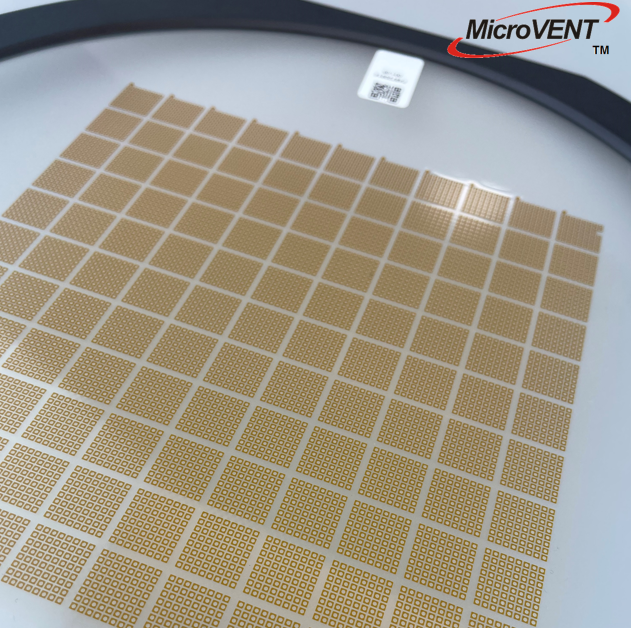
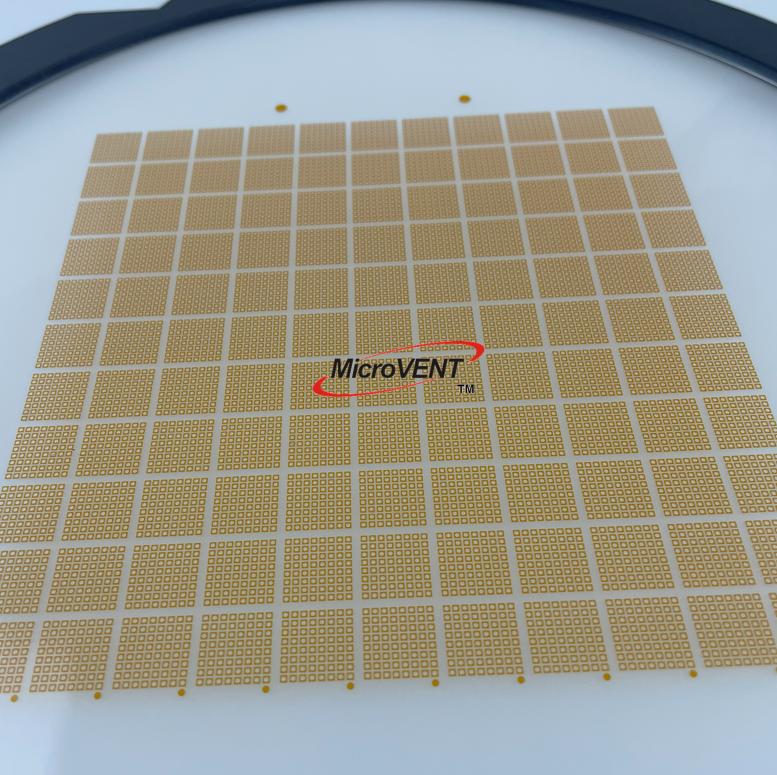
MEMS ePTFE is a specialized expanded polytetrafluoroethylene material used to protect miniature electronic and sensing systems from moisture, dust, pressure changes, and chemical exposure. In practical terms, mems eptfe works as a thin, breathable barrier. It allows air and vapor to pass while blocking liquid water and many solid contaminants. This balance helps sensitive components operate reliably in demanding environments. The material uses a microporous structure created by expanding PTFE. That structure gives mems eptfe a controlled combination of water resistance, airflow, low weight, and chemical stability. Manufacturers can use the material as a vent, filter, protective membrane, or pressure-equalizing layer in compact devices. A typical mems eptfe solution supports stable pressure inside a housing without opening a path for rain, splash, oil, or dust. It can also reduce the risk of condensation by helping trapped vapor escape. Key technological features include small pore size, consistent permeability, high temperature tolerance, low surface energy, and resistance to many aggressive substances. These properties make mems eptfe suitable for sensors, microphones, speakers, automotive modules, medical instruments, industrial controls, and outdoor electronics. Its thin profile supports space-sensitive designs, while its flexible construction can fit curved surfaces or assembled parts. Depending on the design, mems eptfe may be supplied as a membrane, adhesive vent, laminated sheet, or custom die-cut component. Buyers should select the right grade by reviewing airflow, water entry pressure, acoustic performance, operating temperature, chemical exposure, and mounting method. Overall, mems eptfe provides a practical way to improve enclosure protection without sacrificing essential gas exchange or device performance.
 EN
 AR
 CS
 FR
 DE
 IT
 JA
 KO
 PT
 RU
 ES
 ID
 VI
 TH
 TR
 MS