waterproof mems membrane
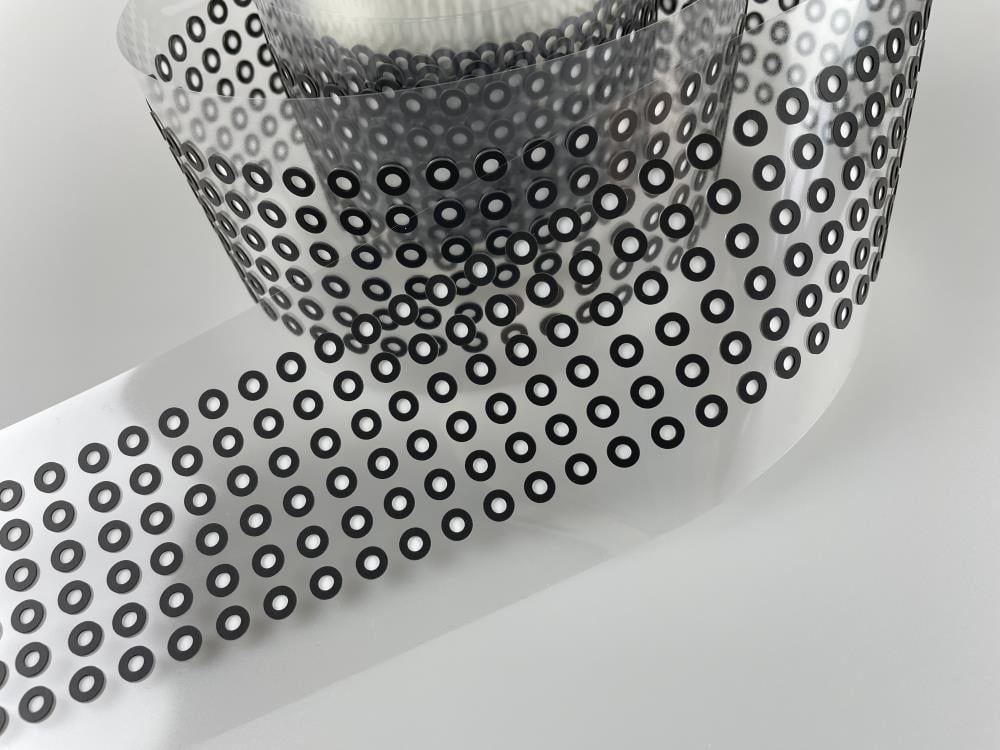
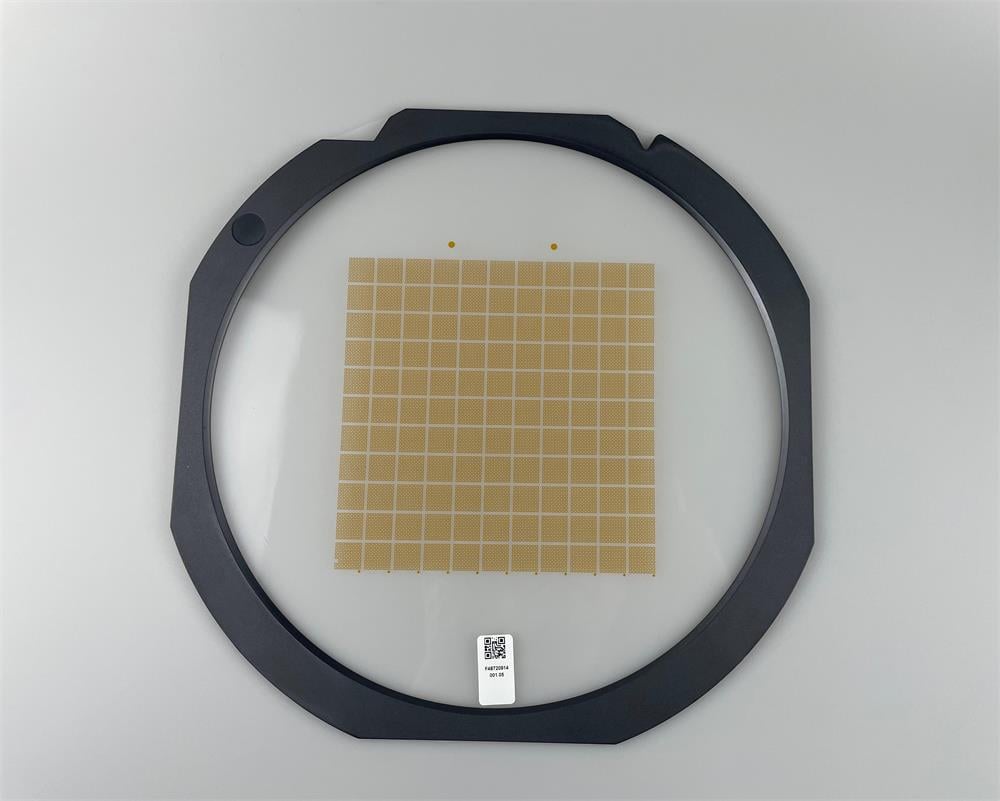
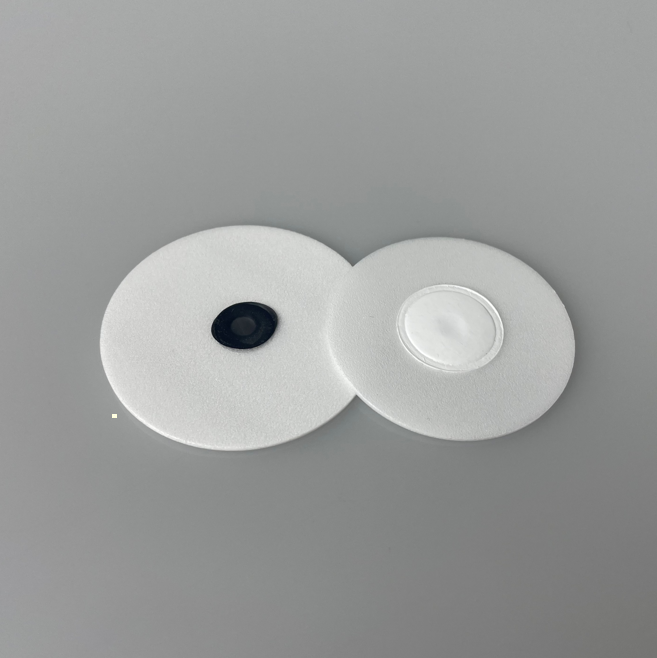
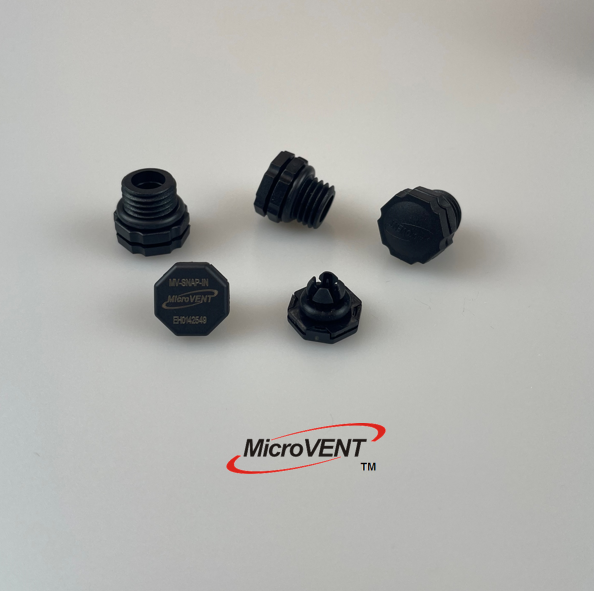
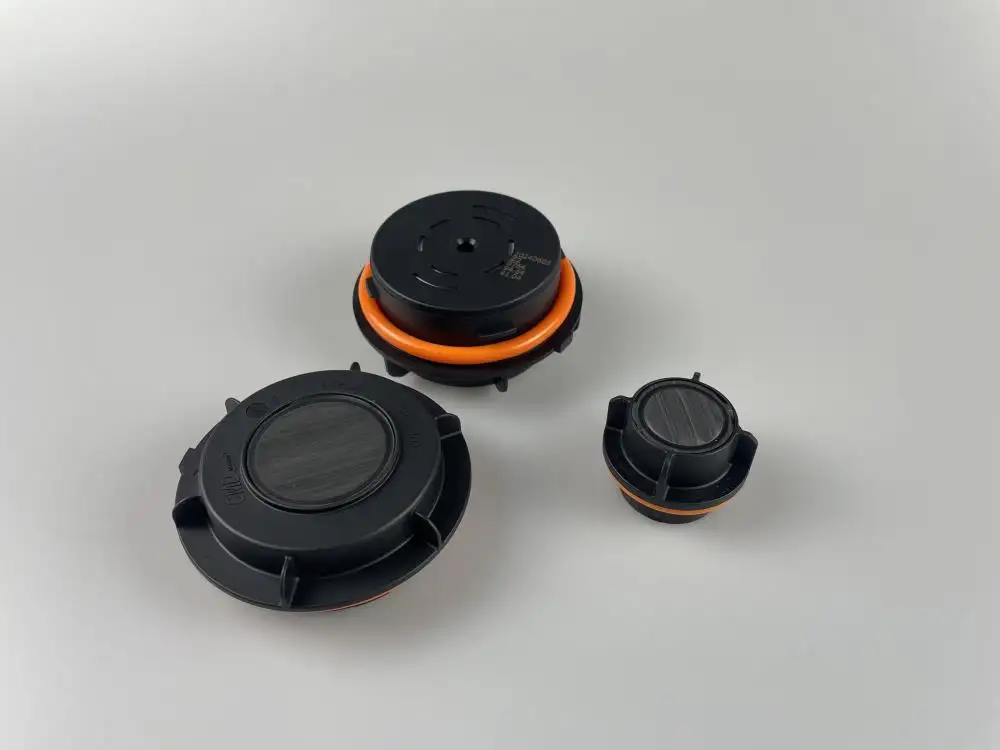
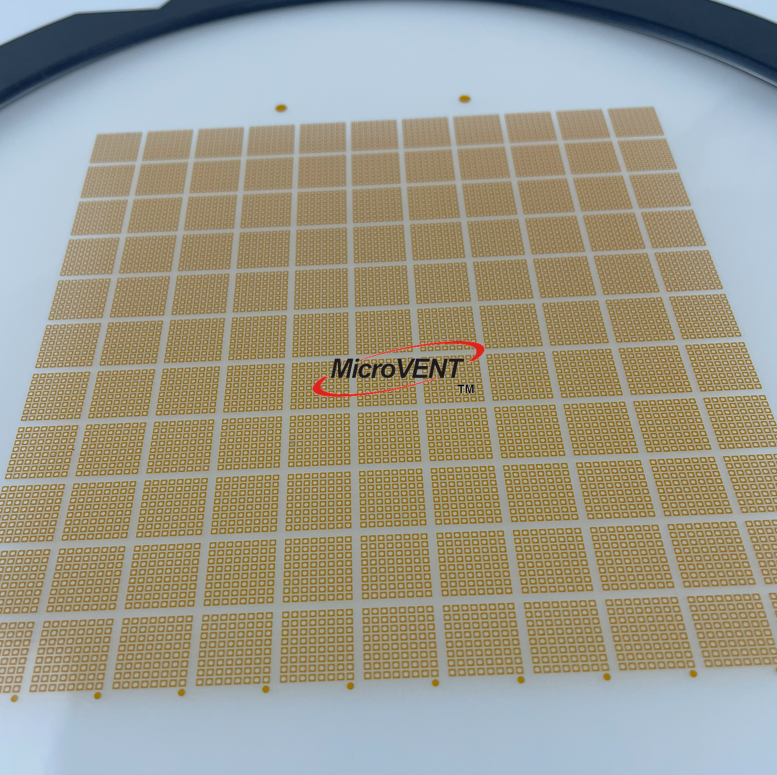
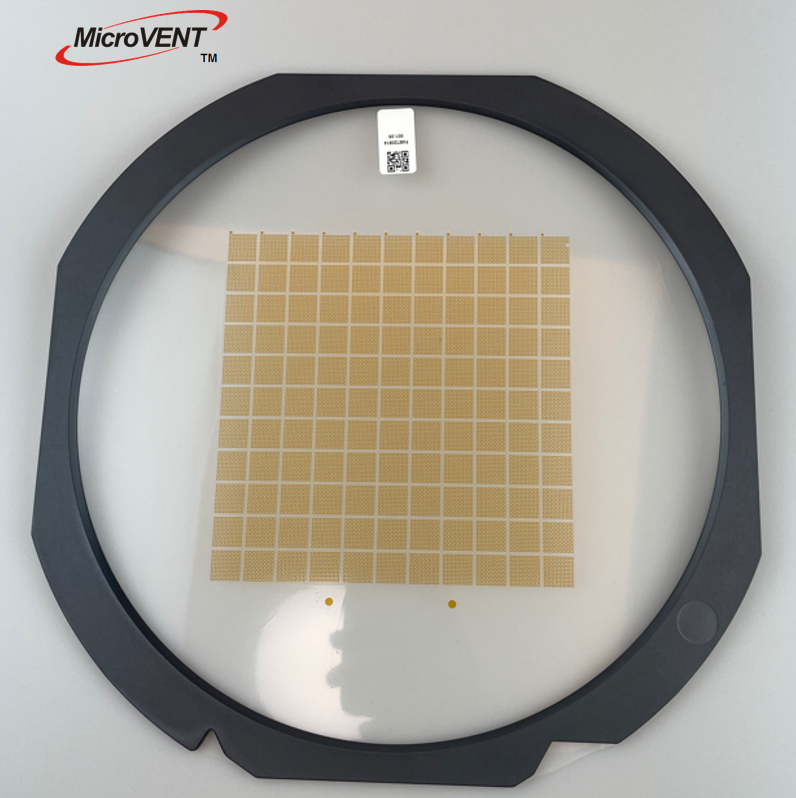
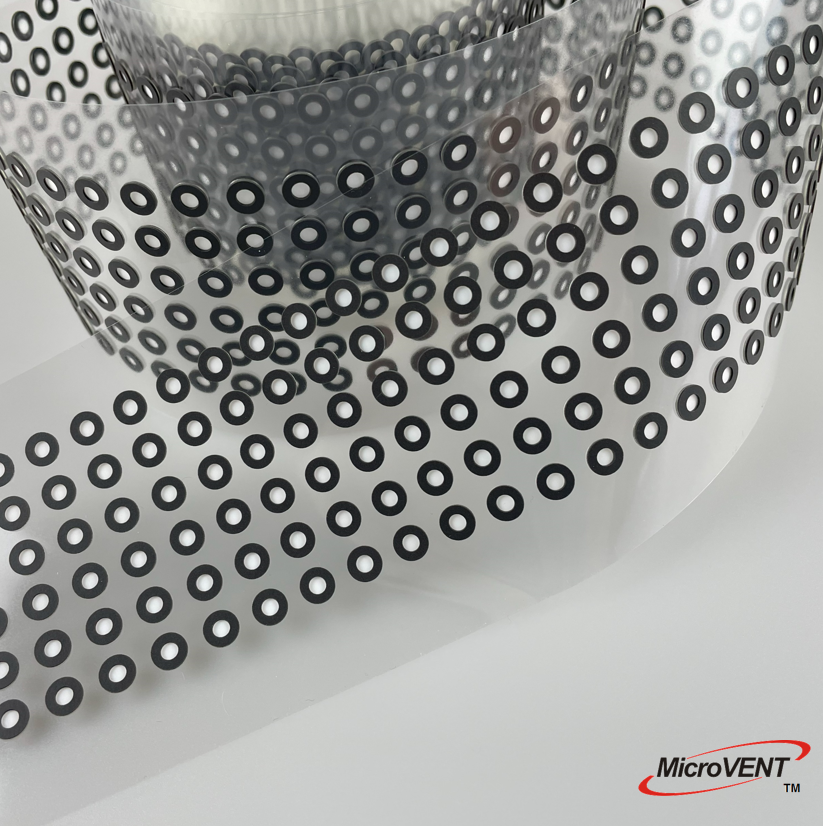
A waterproof mems membrane is a thin protective layer designed to shield microelectromechanical system sensors from water, dust, oil, and other contaminants while allowing the device to detect pressure, sound, or movement. The waterproof mems membrane works as a controlled barrier rather than a simple cover. It blocks liquid entry, yet it can transmit the physical signal that the sensor must measure. This balance supports dependable performance in compact electronic products. In a pressure sensor, the waterproof mems membrane protects the sensing element while allowing air pressure to reach the active surface. In an acoustic device, the waterproof mems membrane can pass sound while limiting exposure to rain, splashes, and particles. In motion or environmental sensing, the waterproof mems membrane helps preserve accuracy by reducing contamination and corrosion risks. Manufacturers typically build the waterproof mems membrane from engineered polymer films, expanded materials, or layered structures. Material selection depends on resistance to water, chemicals, temperature changes, vibration, and repeated flexing. Fine pores or controlled openings may provide airflow without allowing liquid droplets to pass. The waterproof mems membrane can also use an adhesive frame, molded seal, or welded edge for secure assembly. Key technology features include low thickness, stable signal transmission, high water resistance, and compatibility with automated production. A waterproof mems membrane suits phones, wearables, vehicles, industrial instruments, outdoor equipment, medical devices, and smart home products. Buyers should compare pressure equalization, acoustic loss, ingress protection, operating temperature, durability, dimensions, and installation method before selecting a design. The right waterproof mems membrane combines protection with the sensing performance required by the finished product.
 EN
 AR
 CS
 FR
 DE
 IT
 JA
 KO
 PT
 RU
 ES
 ID
 VI
 TH
 TR
 MS