EN
EN
 AR
AR
 CS
CS
 FR
FR
 DE
DE
 IT
IT
 JA
JA
 KO
KO
 PT
PT
 RU
RU
 ES
ES
 ID
ID
 VI
VI
 TH
TH
 TR
TR
 MS
MS

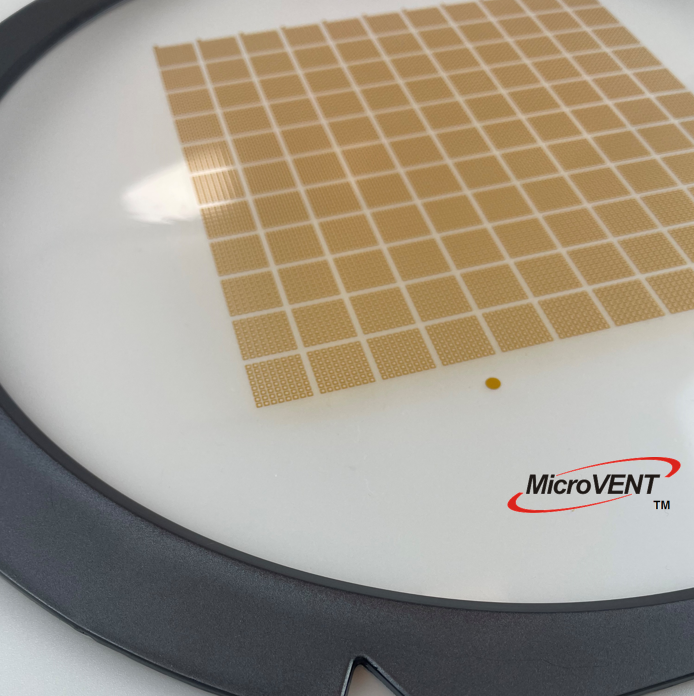
Outdoor security cameras face relentless environmental challenges that threaten their performance and longevity. Moisture infiltration, salt spray, dust accumulation, and temperature fluctuations can degrade critical electronic components, leading to image quality loss, sensor failure, and costly equipment replacement. The MicroVent® electronics membrane provides a reliable protective solution specifically designed to defend sensitive camera electronics from these damaging elements. This advanced protective technology allows cameras to operate effectively in harsh outdoor conditions while maintaining optical clarity and sensor accuracy over extended periods.
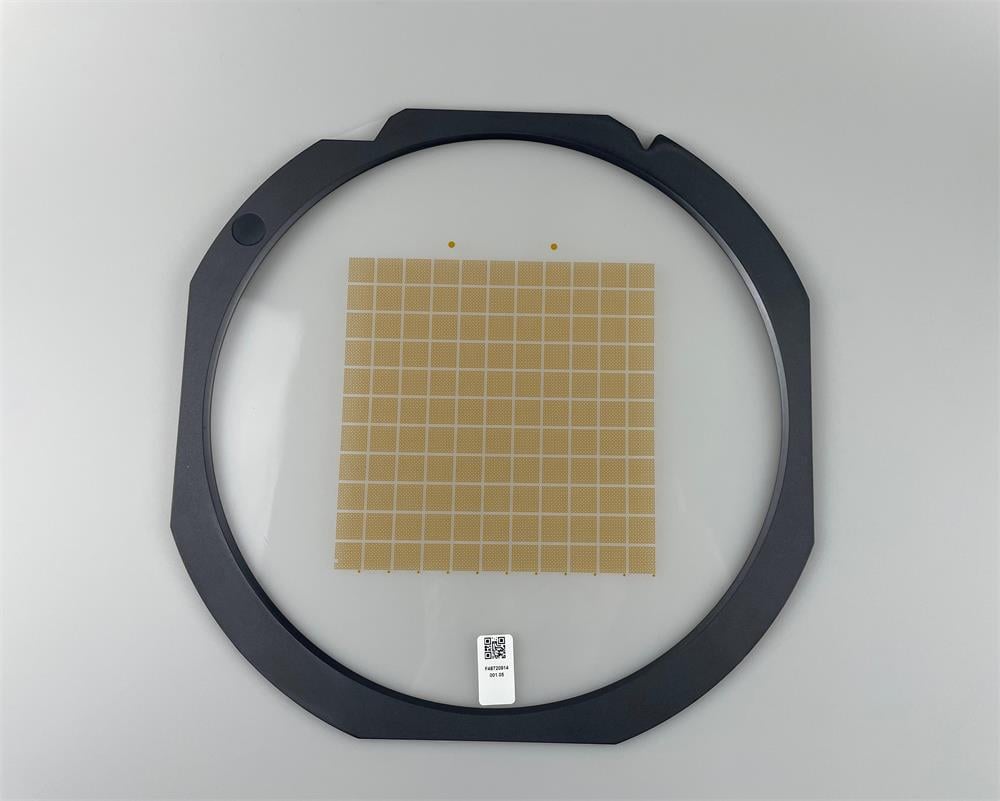
Understanding why an electronics membrane serves as the best defense for outdoor security cameras requires examining the specific failure modes that threaten unprotected equipment. Unlike indoor cameras operating in controlled environments, outdoor security systems must contend with rain, fog, humidity cycling, and condensation that accumulates inside enclosures. Without proper protection, moisture reaches circuit boards, corrodes solder joints, and triggers electrical shorts that disable critical functions. The MicroVent® electronics membrane acts as a barrier that blocks liquid water and contaminants while allowing critical pressure and vapor exchange, preventing the internal pressure buildup that forces moisture past traditional seals.
How the Electronics Membrane Defends Against Moisture Damage
Vapor Transmission and Pressure Equalization
The MicroVent® electronics membrane excels at managing the moisture challenge through its unique microporous structure. This specialized electronics membrane allows water vapor to pass through at controlled rates while providing absolute protection against liquid water intrusion. When temperature changes occur inside the camera housing, pressure differentials develop that would normally force condensation into the enclosure through gaps and seams. The electronics membrane permits air and vapor exchange that equalizes pressure gradually, preventing the moisture-forcing mechanism that damages unprotected cameras. This principle of passive pressure equalization means the electronics membrane requires no moving parts, power supply, or maintenance to function effectively.
Salt Spray and Corrosion Prevention
Coastal and industrial environments present aggressive corrosion challenges that standard conformal coatings cannot adequately address. The MicroVent® electronics membrane creates a protective barrier that prevents salt particles, chemical aerosols, and corrosive gases from reaching sensitive electronics. While conformal coatings protect circuit board traces, the electronics membrane protects the entire internal cavity, including connectors, solder joints, and mechanical interfaces where corrosion typically initiates. This comprehensive protection approach ensures that cameras deployed near saltwater environments, chemical processing facilities, or industrial zones maintain reliable operation and image quality throughout their design life.
Environmental Protection Across Temperature and Humidity Extremes
Thermal Cycling Resilience
Outdoor security cameras experience extreme thermal cycling that stresses mechanical and electrical connections. Daily temperature swings from below freezing to intense solar heating create expansion and contraction cycles that degrade adhesives, crack solder joints, and loosen mechanical fasteners. The MicroVent® electronics membrane absorbs thermal stress by allowing gradual pressure and vapor exchange that prevents the shock cycling that accelerates component failure. By maintaining more stable internal conditions through passive vapor management, the electronics membrane extends equipment life significantly. This thermal resilience proves especially valuable in continental climates, high-altitude locations, or installations on metal structures that conduct and amplify temperature extremes.
Long-Term Reliability in Harsh Deployment Scenarios
Security cameras installed in demanding outdoor environments face multiple simultaneous stressors that compound failure risk. High humidity combined with temperature fluctuation creates aggressive condensation cycles, while dust and particulate contamination accelerate mechanical wear. The MicroVent® electronics membrane addresses these combined challenges through continuous environmental protection that passive solutions alone cannot provide. Unlike desiccant cartridges that require periodic replacement or active ventilation systems that consume power and require maintenance, the electronics membrane functions indefinitely without intervention. This passive protection mechanism means reduced maintenance costs, improved reliability metrics, and lower total cost of ownership across large-scale camera deployments.
Optical Performance and Sensor Protection
Maintaining Lens Clarity and Image Quality
Moisture inside camera housings condenses on internal lens surfaces, reducing image contrast and creating blur patterns that compromise security effectiveness. The MicroVent® electronics membrane prevents internal condensation formation by maintaining more stable humidity conditions within the camera cavity. By controlling moisture accumulation, the electronics membrane preserves optical quality and ensures consistent image sharpness critical for facial recognition, license plate capture, and behavioral analysis functions. This optical performance protection means security systems deliver reliable evidence quality throughout the camera's operational life, avoiding the gradual image degradation that typically occurs in unprotected outdoor installations.
Sensor Longevity and Detection Accuracy
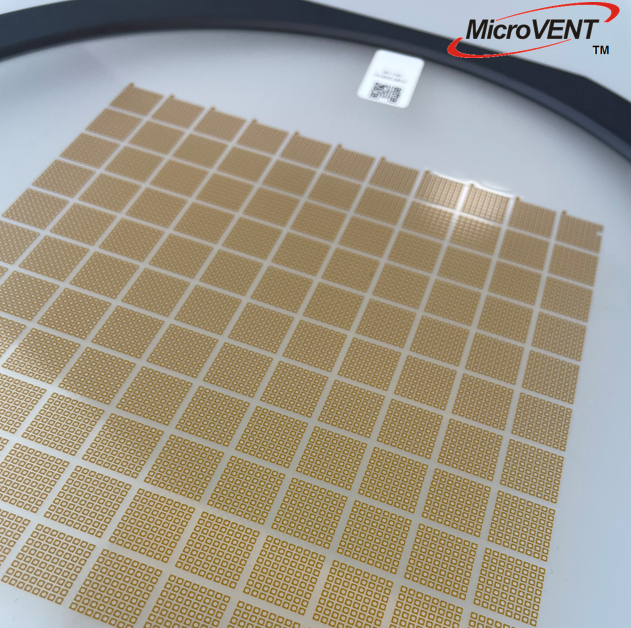
Image sensor functionality depends on precise electronic and optical alignment that humidity and thermal cycling degrade. Corrosion on sensor connection points increases noise, reduces dynamic range, and introduces dead pixels that compromise detection accuracy. The MicroVent® electronics membrane protects sensors by preventing the moisture accumulation and corrosive degradation that typically limit sensor life in outdoor environments. By maintaining protective conditions around sensitive components, the electronics membrane ensures that sensors maintain their specified sensitivity, resolution, and accuracy specifications throughout the installed life of the camera system.
FAQ
Why is an electronics membrane better than traditional sealing methods for outdoor security cameras?
Traditional static seals trap internal moisture, creating pressure buildups that force condensation into the camera housing during temperature cycling. The MicroVent® electronics membrane allows passive vapor exchange that prevents pressure differentials, eliminating the mechanism that drives moisture ingress. This approach provides superior protection without requiring maintenance, power, or active environmental management, making the electronics membrane the optimal choice for harsh outdoor deployments.
How does the electronics membrane handle extreme temperature variations?
The MicroVent® electronics membrane manages thermal cycling by permitting gradual internal pressure equalization that prevents shock expansion and contraction of components. This vapor exchange capability reduces the mechanical stress on solder joints, adhesives, and mechanical fasteners that typically fail under extreme temperature swings. By moderating internal pressure changes, the electronics membrane significantly extends component life and maintains reliable operation across temperature ranges that challenge unprotected outdoor cameras.
Can the electronics membrane protect cameras in coastal and chemical environments?
Yes, the MicroVent® electronics membrane provides comprehensive protection against salt spray, chemical aerosols, and corrosive industrial atmospheres. The membrane blocks salt particles and chemical compounds from reaching sensitive electronics while preventing the moisture accumulation that accelerates corrosion. This dual protection mechanism makes the electronics membrane essential for security cameras deployed near coastal areas, chemical plants, refineries, and other aggressive industrial environments where standard protective measures prove inadequate.