EN
EN
 AR
AR
 CS
CS
 FR
FR
 DE
DE
 IT
IT
 JA
JA
 KO
KO
 PT
PT
 RU
RU
 ES
ES
 ID
ID
 VI
VI
 TH
TH
 TR
TR
 MS
MS

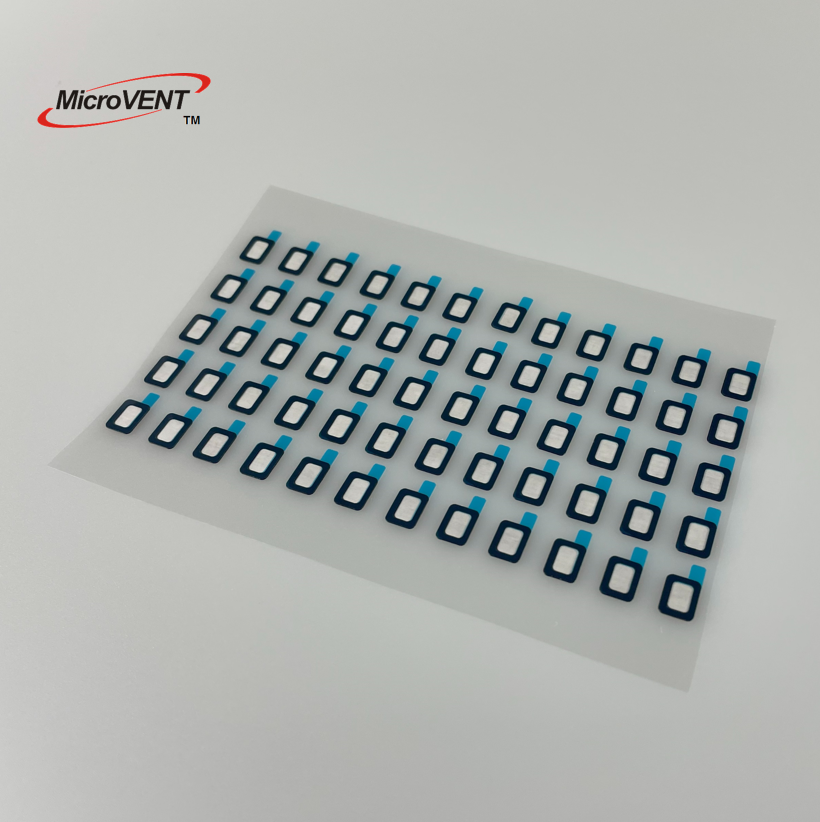
Organic fertilizer manufacturers face a persistent challenge that directly impacts product quality, shelf life, and customer satisfaction: container bloating. When gases accumulate inside sealed containers of organic fertilizers, pressure builds rapidly, causing visible swelling or rupture of packaging. This problem not only damages the product presentation but also signals potential decomposition, fermentation, or microbial activity that compromises fertilizer efficacy. The solution lies in implementing a bottle liner prevents bloating technology that balances the critical need for product protection with controlled atmospheric exchange.
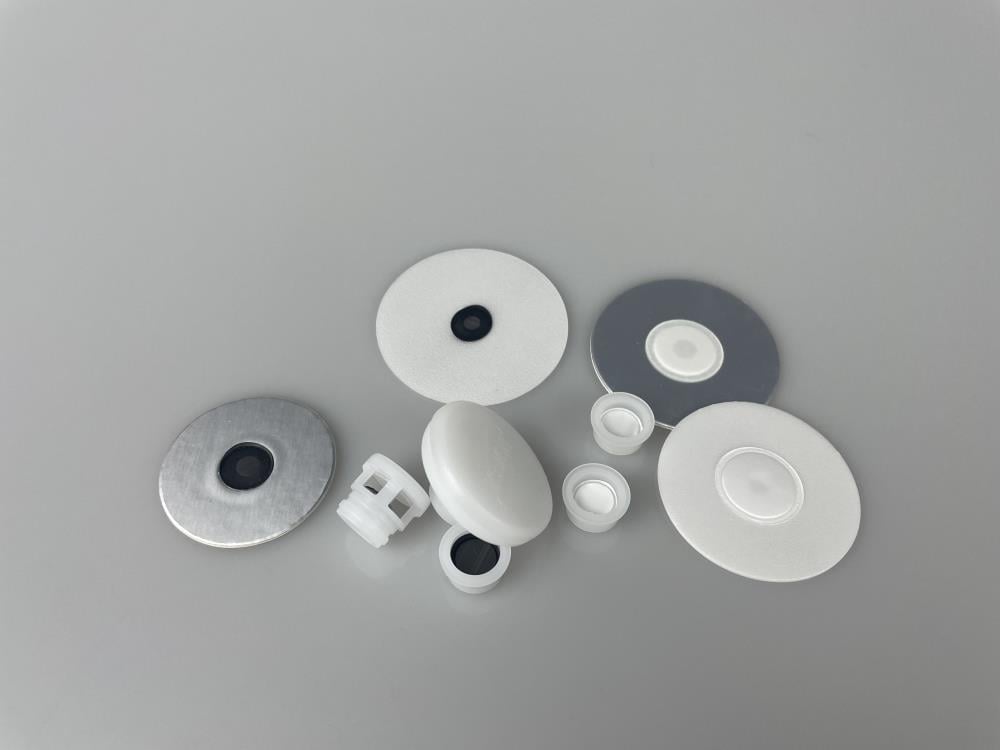
MicroVent® bottle liner technology represents a breakthrough in container engineering specifically designed to address the unique challenges of organic fertilizer storage. This innovative liner system allows controlled micro-ventilation that prevents internal pressure accumulation while maintaining the integrity and shelf stability of the product. By understanding how a bottle liner prevents bloating and implementing this proven solution, fertilizer producers can significantly reduce waste, improve brand reputation, and enhance customer trust in their organic products.
Understanding Gas Accumulation in Fertilizer Containers
The Science Behind Bloating
Organic fertilizers undergo natural biological and chemical processes that generate gases over time. Decomposition of organic matter, microbial fermentation, and moisture-driven reactions all contribute to pressure buildup inside sealed containers. When a bottle liner prevents bloating is not in place, these gases have no escape route, causing pressure to increase until the container visibly swells or fails. Traditional rigid plastic containers become especially vulnerable because they cannot flex indefinitely; the accumulated pressure eventually exceeds material strength limits, resulting in bulging, leaks, or rupture. For manufacturers, this means product loss, customer complaints, and potential liability concerns.
Impact on Product Quality and Market Reputation
Container bloating sends an immediate signal to end users that something is wrong with the product, even if the fertilizer inside remains chemically sound. Retailers refuse to stock visibly damaged packages, and consumers lose confidence in the brand. When a bottle liner prevents bloating successfully, the container remains visually intact and professional-looking on store shelves, preserving the premium positioning of organic fertilizer products. This visual integrity is crucial for organic brands competing in health-conscious and sustainability-focused markets where product appearance directly influences purchase decisions.
How MicroVent® Bottle Liner Technology Works
Micro-Ventilation Mechanism
The MicroVent® liner incorporates a precisely engineered membrane that permits one-way or controlled two-way air exchange while blocking moisture ingress and contamination. The bottle liner prevents bloating by allowing excess internal pressure to escape gradually as gases accumulate, maintaining equilibrium inside the container. This is fundamentally different from simply drilling holes or creating gross air gaps, which would expose the fertilizer to environmental moisture, oxygen, and pathogenic organisms. The micro-ventilation design balances protection with controlled release, ensuring that pressure never reaches dangerous levels while the product remains isolated from external contaminants and humidity.
Material Composition and Durability
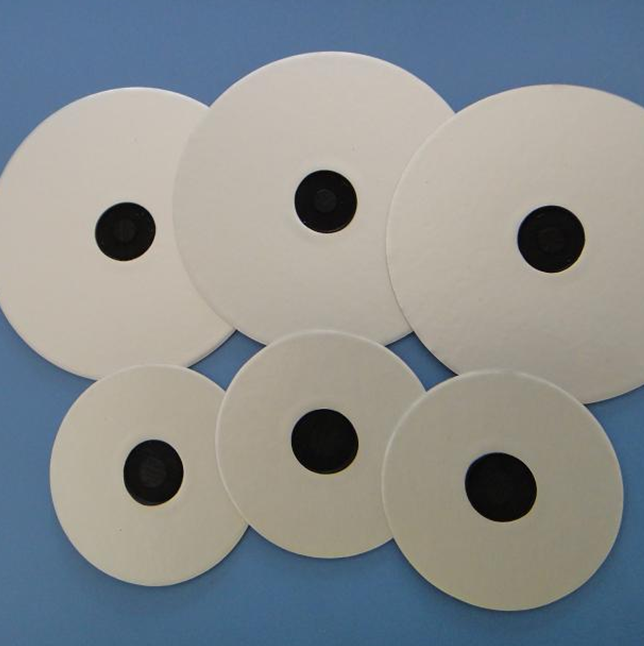
MicroVent® liners are manufactured from food-grade polyethylene and specialized barrier films selected for chemical resistance, durability, and compatibility with organic fertilizer components. The bottle liner prevents bloating across the entire shelf life of the product, from manufacturing through distribution and retail storage. The material resists degradation from exposure to sunlight, temperature fluctuations, and the slightly acidic or alkaline environment typical of many organic fertilizers. This durability means manufacturers can confidently guarantee shelf stability to retailers and distributors, reducing returns and warranty claims related to packaging failure.
Practical Benefits and Implementation Considerations
Cost-Effectiveness and Operational Efficiency
Implementing a bottle liner prevents bloating approach provides immediate return on investment by eliminating waste from damaged containers and rejected shipments. Manufacturers reduce the percentage of product that must be repackaged, disposed of, or refunded due to bloating issues. The MicroVent® liner adds minimal cost per unit because it integrates seamlessly into existing filling and sealing processes without requiring equipment modifications. Labor costs decrease because staff spend less time handling damaged goods or managing customer complaints. Over a production year, eliminating even a small percentage of bloated containers translates to significant savings, especially for manufacturers processing large volumes of organic fertilizers.
Compliance with Storage and Transportation Standards
When a bottle liner prevents bloating effectively, containers meet regulatory requirements for secure, non-hazardous shipping and storage. Bloated or ruptured containers may be classified as damaged goods or safety risks during logistics, triggering additional handling costs or rejection at distribution centers. The MicroVent® liner ensures containers arrive at distribution points and retail locations in perfect condition, maintaining compliance with warehouse stacking standards and transportation regulations. This reliability strengthens relationships with logistics partners and retailers, who prefer suppliers that deliver products in consistent, undamaged condition without special handling instructions.
Customer Experience and Brand Loyalty
End users of organic fertilizers appreciate receiving products in pristine packaging that demonstrates quality and professionalism. When a bottle liner prevents bloating, customers experience consistent product performance and storage stability, building confidence in future purchases. Organic fertilizer customers often represent a premium market segment that values both environmental sustainability and product reliability. By implementing MicroVent® technology, manufacturers signal that they invest in quality control and customer satisfaction, differentiating their brand in a competitive market and fostering long-term customer loyalty that extends across multiple product lines.
FAQ
How long does a MicroVent® bottle liner prevent bloating during storage?
A MicroVent® bottle liner prevents bloating throughout the entire shelf life of the product, typically 12 to 24 months depending on storage conditions and fertilizer composition. The liner maintains consistent micro-ventilation function across temperature fluctuations and humidity variations encountered during retail display and customer storage. Laboratory testing confirms that the liner continues to manage internal pressure effectively even after prolonged shelf storage, ensuring that containers remain intact and visually presentable until the product is used.
Can a bottle liner prevents bloating work with all types of organic fertilizers?
MicroVent® technology is compatible with most organic fertilizer formulations, including compost-based products, seaweed extracts, fish emulsions, and animal byproduct fertilizers. The liner material resists degradation from a wide pH range and chemical compatibility with typical organic fertilizer components. Manufacturers should conduct compatibility testing with specific product formulations to ensure optimal performance, but the bottle liner prevents bloating across the vast majority of commercial organic fertilizer types currently marketed.
Does a bottle liner prevents bloating affect the appearance or shelf appeal of packages?
No, the MicroVent® liner is integrated internally and does not alter the external appearance of the container or affect label visibility and shelf presentation. The bottle liner prevents bloating while maintaining the clean, professional appearance that organic fertilizer customers expect. Retailers and consumers see no visible difference in packaging appearance, yet experience the full benefit of eliminated bloating issues and improved product stability during storage and display.