Automotive Vent Plug: Essential Pressure Equalization & Contamination Protection for Vehicle Systems

All Categories

Get a Free Quote

Our representative will contact you soon.
Email
Name
Company Name
Message
0/1000

automotive vent plug

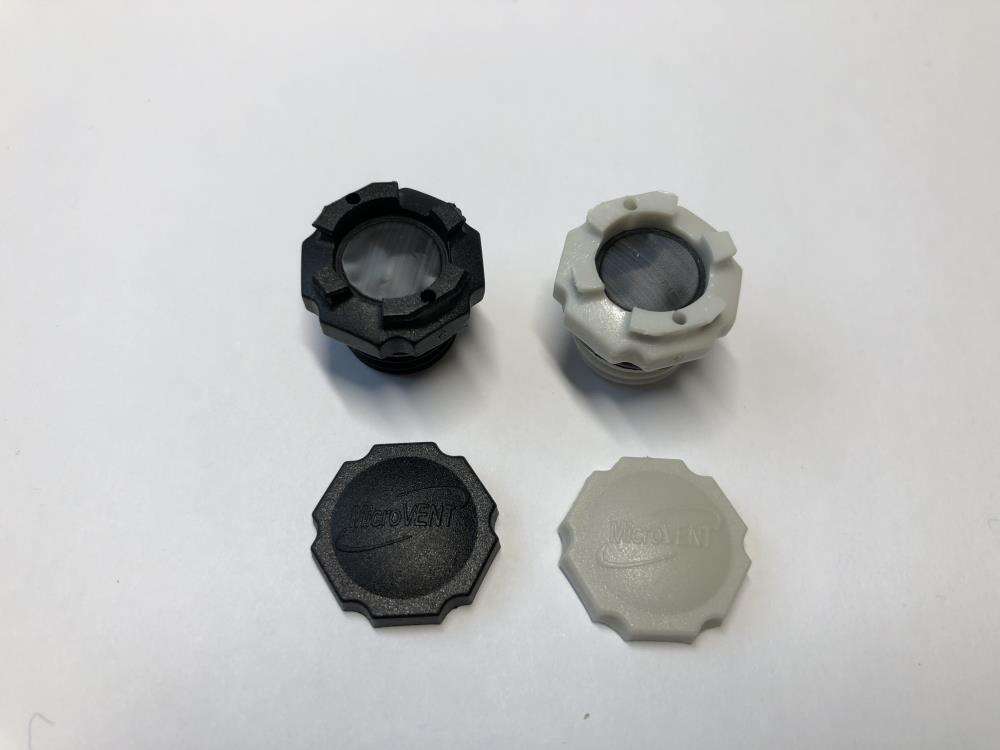
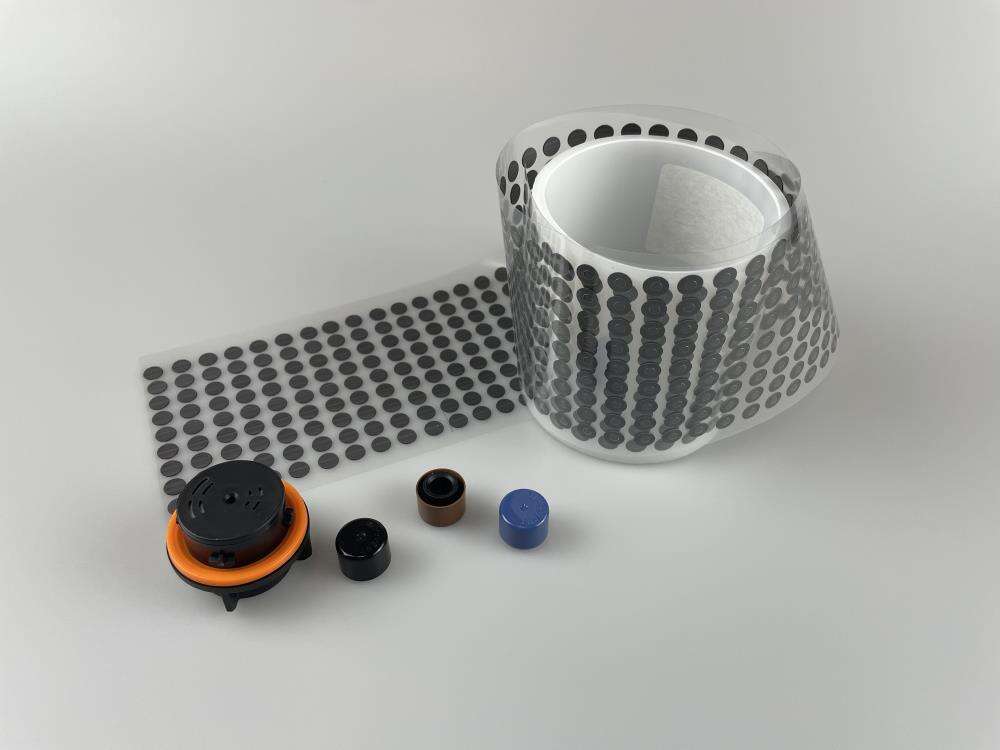
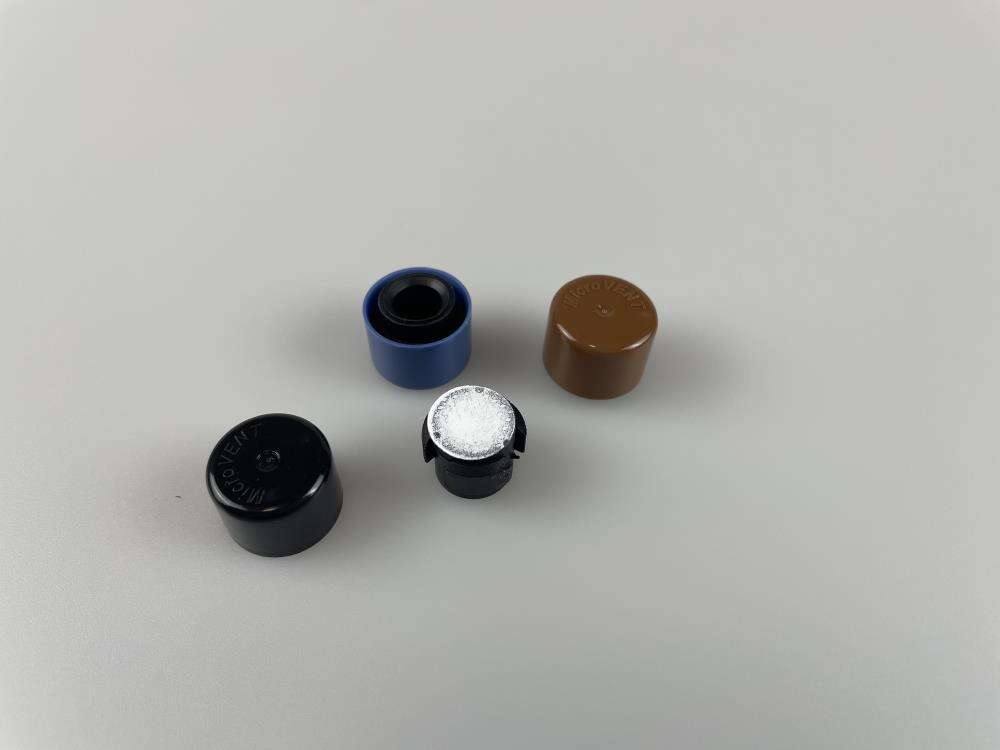
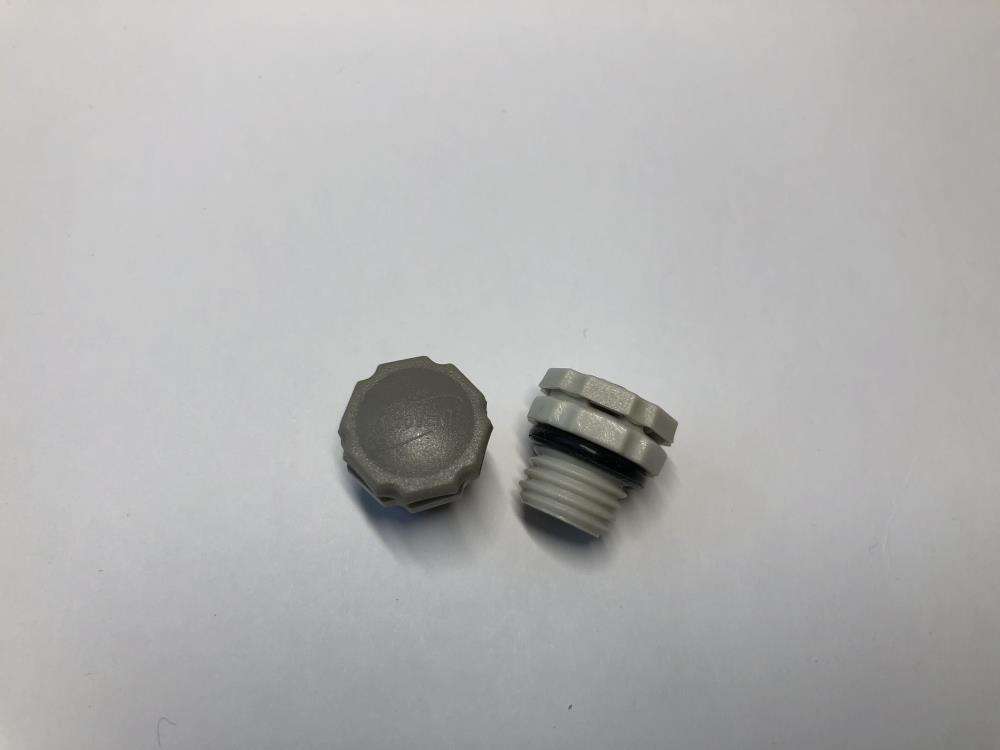
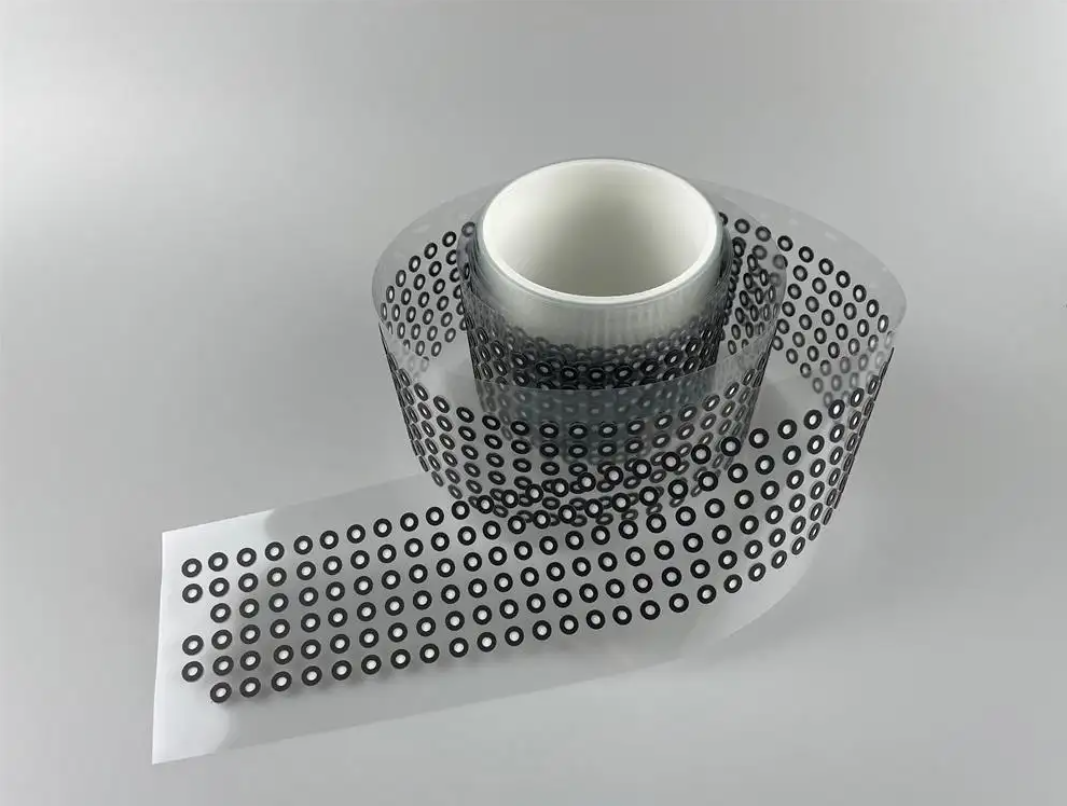
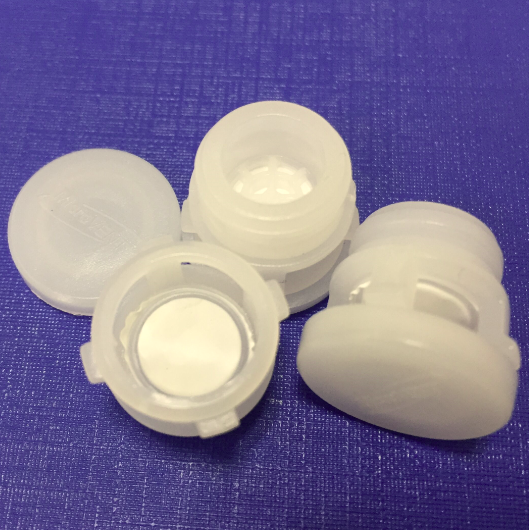
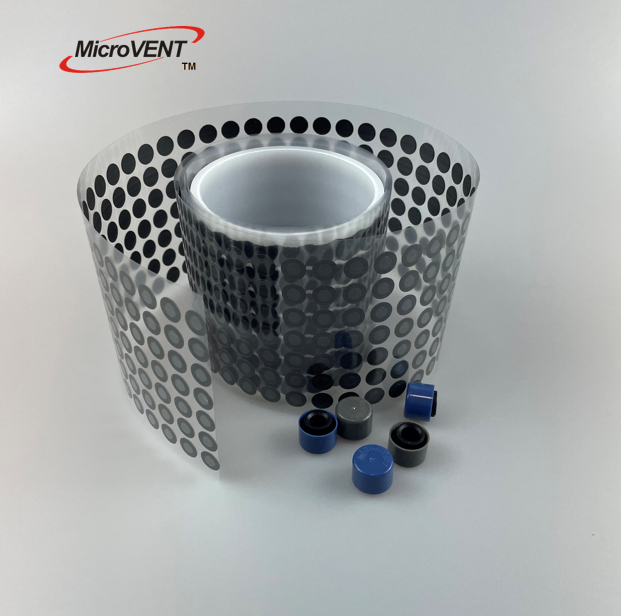
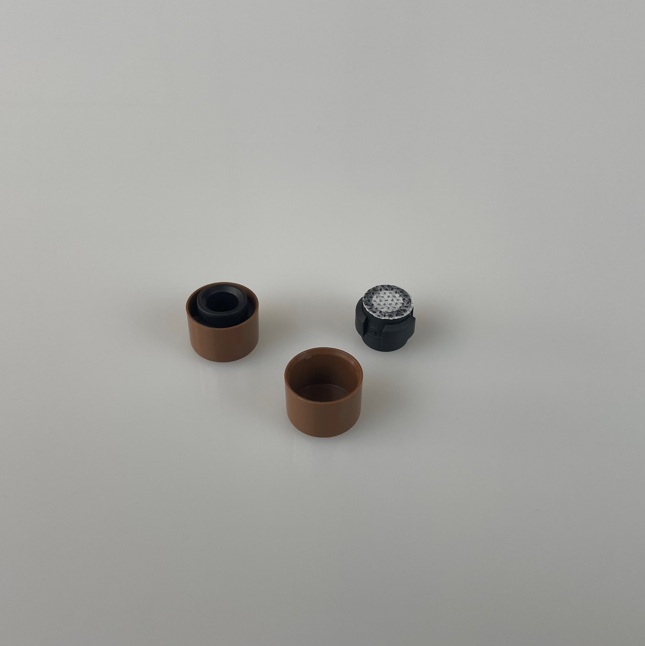
The automotive vent plug represents a critical component in modern vehicle engineering, designed to maintain optimal pressure levels within various automotive systems while preventing contamination and moisture ingress. These specialized devices serve as protective barriers that allow controlled air exchange in sealed automotive compartments, including transmissions, differentials, gearboxes, and battery enclosures. The primary function of an automotive vent plug centers on pressure equalization, which prevents the buildup of internal pressure that could damage seals, gaskets, or housing components during temperature fluctuations and operational cycles. When vehicles operate under varying environmental conditions, internal components heat up and cool down, causing air expansion and contraction that creates pressure differentials. Without proper venting, these pressure changes can force lubricants past seals, create vacuum conditions that draw in contaminants, or even cause structural damage to component housings. The automotive vent plug addresses these challenges through sophisticated membrane technology that permits air movement while blocking liquid penetration and particle infiltration. Modern automotive vent plug designs incorporate hydrophobic and oleophobic membranes that maintain their protective properties across wide temperature ranges, typically from negative forty to positive one hundred fifty degrees Celsius. These temperature-resistant characteristics ensure consistent performance in extreme operating environments, from arctic conditions to desert climates. The technological features of today's automotive vent plug include multi-layer membrane construction, corrosion-resistant housing materials, and integrated filtration systems that remove microscopic particles from incoming air. Many automotive vent plug models feature threaded installations for secure mounting, while others utilize snap-fit designs for quick replacement during maintenance procedures. The applications for automotive vent plug technology extend beyond traditional drivetrain components to include electric vehicle battery packs, where pressure management becomes crucial for safety and performance optimization.

New Product Recommendations

The automotive vent plug delivers significant operational benefits that directly impact vehicle reliability, maintenance costs, and component longevity for vehicle owners and fleet operators. First and foremost, these devices dramatically reduce seal failure rates by eliminating pressure-induced stress on gaskets and O-rings throughout automotive systems. When internal pressure builds up during normal operation, it pushes against sealing surfaces with tremendous force, gradually wearing down these critical components and leading to expensive leak repairs. The automotive vent plug prevents this destructive pressure buildup, allowing seals to maintain their integrity for extended periods and reducing unexpected maintenance expenses. Additionally, the automotive vent plug protects valuable lubricants from contamination that occurs when vacuum conditions draw dirty air, water, and debris into sealed compartments. Clean lubricants perform more effectively, reduce friction between moving parts, and extend component life significantly. Vehicle owners benefit from longer service intervals and reduced oil change frequency when automotive vent plug technology keeps contaminants out of critical systems. The moisture protection capabilities of the automotive vent plug prove especially valuable in humid climates or vehicles that encounter frequent temperature changes. Moisture infiltration leads to corrosion, lubricant degradation, and electrical system failures that result in costly repairs and vehicle downtime. By blocking water vapor while allowing air exchange, the automotive vent plug maintains optimal internal conditions that preserve component integrity and electrical connections. Temperature management represents another crucial advantage, as the automotive vent plug allows thermal expansion and contraction without creating harmful pressure differentials that stress housing materials and mounting points. This thermal protection extends the service life of expensive components like transmissions, differentials, and electric motor assemblies. Furthermore, the automotive vent plug contributes to improved fuel efficiency by ensuring that drivetrain components operate under optimal conditions with proper lubrication and minimal internal friction. The installation process for most automotive vent plug models requires minimal technical expertise, making them accessible upgrades for vehicle owners who want to protect their investments. Many automotive vent plug designs feature standardized threading that matches existing breather locations, enabling straightforward replacement without specialized tools or extensive modification procedures.

Tips And Tricks

What Are the Different Types of MicroVENT®Acoustic Vents Available?

21

May

What Are the Different Types of MicroVENT®Acoustic Vents Available?

Understanding MicroVENT® Acoustic Vent Technology Core Principles of ePTFE Membrane Design The expanded Polytetrafluoroethylene (ePTFE) membrane is recognized for its remarkable porosity, making it an ideal material for acoustic vent application...
View More
Why packaging Industries Benefit the Most from Using MicroVent®Packaging Valves?

21

May

Why packaging Industries Benefit the Most from Using MicroVent®Packaging Valves?

The Critical Role of Packaging Valves in Industrial Efficiency How Valve Technology Impacts Product Integrity Valve technology plays an essential role in maintaining product integrity, ensuring safety and quality during storage and transportation. A...
View More
How Does a Vent PE Liner Improve Packaging Performance?

21

May

How Does a Vent PE Liner Improve Packaging Performance?

Understanding the Role of Vent PE Liners in Packaging What Are Vent PE Liners? Vent PE Liner Incorporates a unique form of packaging to improve performance by allowing reverse gas exchange but keeping out contaminants. They are unlike older lin...
View More
What industries benefit most from MicroVENT®️ bolts and valves ?

28

Aug

What industries benefit most from MicroVENT®️ bolts and valves ?

Understanding the Revolutionary Impact of Advanced Pressure Relief Solutions In today's demanding industrial landscape, pressure management and safety control have become paramount concerns across multiple sectors. MicroVENT bolts and valves represen...
View More

Get a Free Quote

Our representative will contact you soon.
Email
Name
Company Name
Message
0/1000

automotive vent plug

Advanced Membrane Technology for Superior Protection

Advanced Membrane Technology for Superior Protection

The sophisticated membrane technology incorporated into modern automotive vent plug designs represents a breakthrough in automotive component protection, offering unparalleled defense against environmental hazards while maintaining optimal internal pressure conditions. These advanced membranes utilize microporous structures that create selective barriers, allowing gas molecules to pass through while blocking significantly larger liquid droplets and solid particles from entering protected compartments. The automotive vent plug membrane operates on the principle of surface tension and pore size control, where water droplets cannot penetrate the membrane surface due to their molecular structure and the hydrophobic treatment applied to the membrane material. This selective permeability ensures that the automotive vent plug maintains its protective function even under extreme weather conditions, including heavy rainfall, snow exposure, and high-humidity environments that would overwhelm traditional venting solutions. The multi-layer construction of premium automotive vent plug membranes incorporates different materials with complementary properties, typically featuring a support layer for structural integrity, a selective membrane for filtration, and a protective outer layer that resists chemical attack from automotive fluids and environmental contaminants. Temperature stability represents a critical advantage of advanced automotive vent plug membrane technology, as these materials maintain their selective permeability characteristics across the full range of automotive operating temperatures. Unlike simple mechanical vents that may freeze shut in cold conditions or degrade in high-heat environments, the automotive vent plug membrane continues functioning reliably from sub-zero arctic conditions to the elevated temperatures found in engine compartments and exhaust system proximity. The chemical resistance of automotive vent plug membranes extends their service life significantly, as they resist degradation from exposure to petroleum products, cleaning solvents, road salt, and other harsh chemicals commonly encountered in automotive environments. This chemical stability ensures that the automotive vent plug maintains its protective properties throughout extended service intervals, reducing maintenance requirements and replacement costs for vehicle owners. Furthermore, the self-cleaning properties of advanced automotive vent plug membranes prevent permanent clogging from accumulated debris, as the membrane structure naturally sheds particles during normal pressure cycling and airflow patterns.
Pressure Equalization System for Component Longevity

Pressure Equalization System for Component Longevity

The pressure equalization capabilities of the automotive vent plug provide essential protection for sealed automotive components by preventing destructive pressure differentials that can damage expensive assemblies and compromise vehicle reliability. When automotive systems heat up during operation, the air inside sealed compartments expands significantly, creating internal pressure that pushes outward against seals, gaskets, and housing walls with considerable force. Without proper pressure relief through an automotive vent plug, this expanding air has nowhere to escape, leading to seal extrusion, gasket failure, and potential housing deformation that results in costly repairs and component replacement. The automotive vent plug addresses this challenge by providing a controlled release path for expanding gases while maintaining protection against external contamination. During cooling cycles, the reverse process occurs as internal air contracts and creates vacuum conditions that can be equally damaging to sealed systems. Vacuum conditions pull external air inward through any available path, often drawing contaminated air past compromised seals and introducing moisture, dirt, and debris into critical lubricated components. The automotive vent plug prevents these harmful vacuum conditions by allowing clean, filtered air to enter the sealed compartment as internal pressure drops, maintaining atmospheric pressure balance without compromising contamination protection. This pressure management function proves especially critical in applications where temperature swings are extreme, such as transmission cases that experience significant heating during heavy-duty operation followed by rapid cooling during extended idle periods. The automotive vent plug ensures that these thermal cycles do not create stress concentrations that lead to premature component failure or unexpected maintenance requirements. Additionally, the pressure equalization provided by the automotive vent plug improves the accuracy of fluid level measurements and reduces the formation of foam in lubricating oils that occurs when pressure differentials create turbulent flow conditions. Proper pressure management through automotive vent plug installation also prevents the gradual migration of lubricants past seals that occurs under sustained pressure differentials, helping maintain proper fluid levels and reducing the frequency of top-off maintenance procedures. The result is improved component reliability, extended service intervals, and reduced total cost of ownership for vehicle operators who invest in quality automotive vent plug technology.
Contamination Protection for Critical Systems

Contamination Protection for Critical Systems

The contamination protection capabilities of the automotive vent plug represent one of its most valuable features, safeguarding critical vehicle systems from the damaging effects of dirt, moisture, and chemical contaminants that can severely impact performance and reliability. Modern automotive environments expose vehicles to an incredible variety of contaminants, including road dust, salt spray, industrial pollutants, agricultural chemicals, and airborne particles that can infiltrate sealed systems through inadequate venting solutions. The automotive vent plug addresses these contamination challenges through sophisticated filtration technology that removes particles down to submicron sizes while maintaining necessary airflow for pressure equalization. The multi-stage filtration process incorporated into premium automotive vent plug designs begins with coarse pre-filtration that removes larger debris and water droplets, followed by fine filtration through specialized membrane layers that capture microscopic particles and prevent their entry into protected compartments. This comprehensive contamination control proves especially important for sensitive electronic components found in modern vehicles, where even small amounts of moisture or conductive particles can cause expensive failures in control modules, sensors, and wiring harnesses. The automotive vent plug protects these vulnerable systems by maintaining clean, dry internal environments that preserve electrical integrity and prevent corrosion-related failures. Lubrication system protection represents another critical benefit of automotive vent plug contamination control, as clean lubricants maintain their protective properties significantly longer than contaminated fluids. When dirt and moisture enter lubricated systems, they accelerate wear between moving parts, reduce heat transfer efficiency, and promote the formation of harmful deposits that can clog filters and restrict oil flow. The automotive vent plug prevents these contamination-related problems by ensuring that only filtered air enters the system during pressure equalization cycles, maintaining lubricant cleanliness and extending service intervals. Chemical contamination protection proves especially valuable in industrial and agricultural applications where vehicles encounter harsh chemicals that can degrade seals, corrode metal components, and contaminate fluids. The automotive vent plug membrane resists chemical attack while preventing the ingress of harmful vapors and liquids that could compromise system integrity. Furthermore, the contamination protection provided by the automotive vent plug reduces the frequency of component cleaning and replacement procedures, lowering maintenance costs and minimizing vehicle downtime for fleet operators and individual vehicle owners who depend on reliable transportation.

Get a Free Quote

Our representative will contact you soon.
Email
Name
Company Name
Message
0/1000