Vent Plug Selection for Equipment Enclosures

All Categories

Get a Free Quote

Our representative will contact you soon.
Email
Name
Company Name
Message
0/1000
Vent Plug Selection for Equipment Enclosures

Vent Plug Selection for Equipment Enclosures

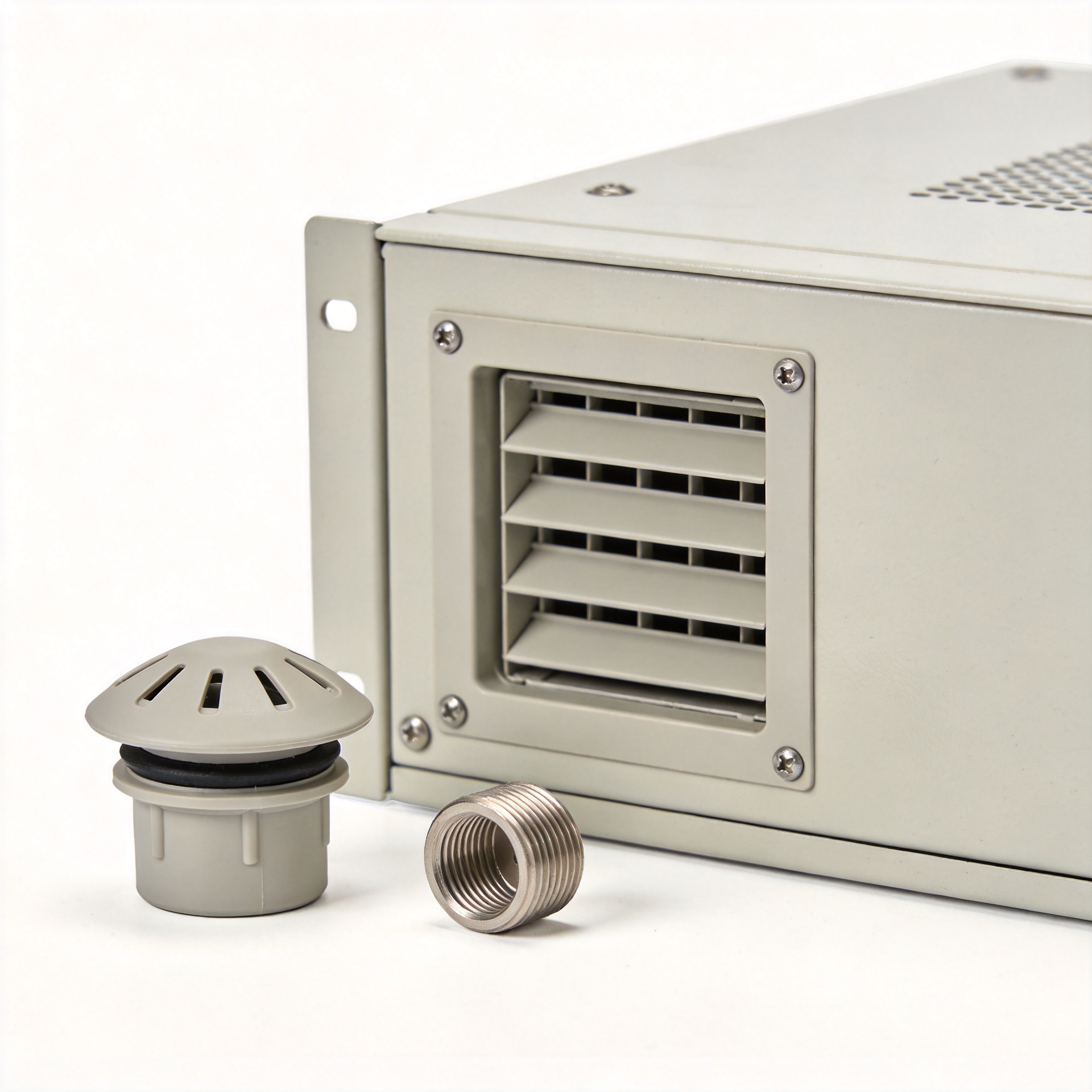
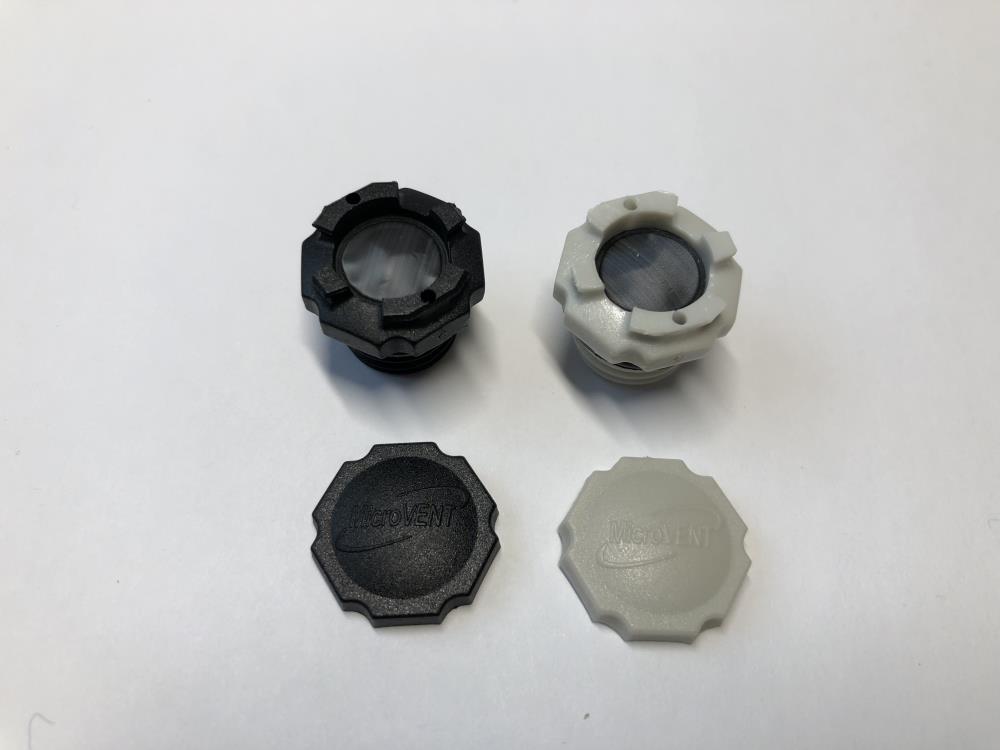
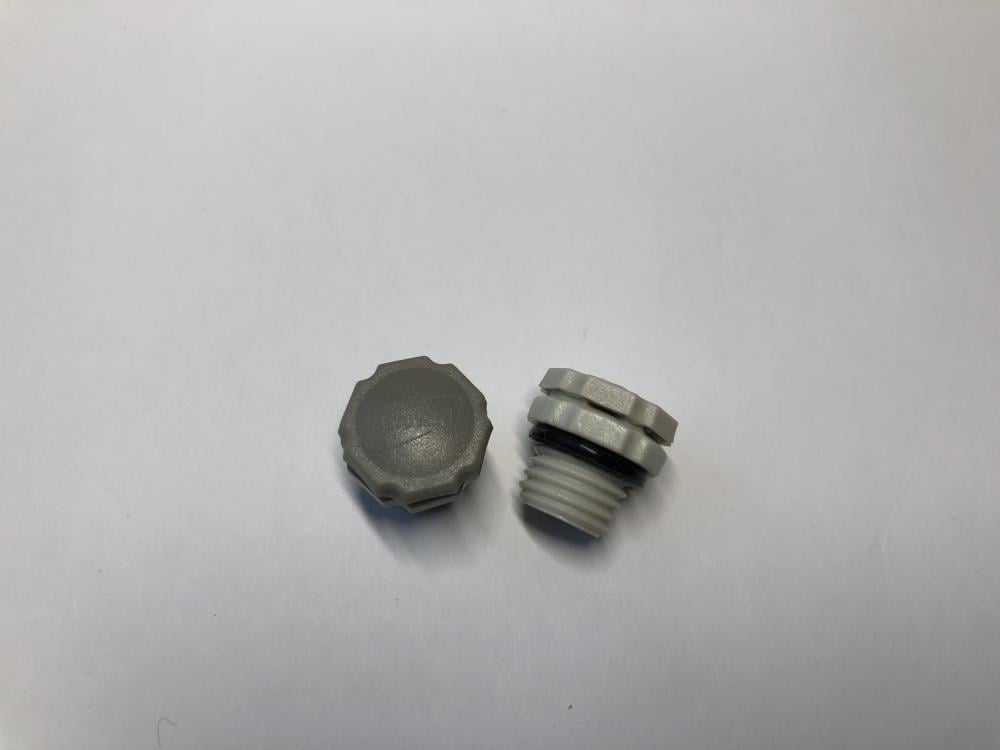
A vent plug is a part for an enclosure that needs a set venting path. A vent plug review should start with the enclosure, not with a product name alone. Share the drawing, the opening or thread detail, and the use case. State what is inside and outside the housing. State how heat, air, water, dust, or fluid may affect it. Pressure equalization can be a design need, but the real pressure profile must be known. MicroVENT works with ePTFE technology and protective venting applications. The listed vent plug, Screw-in Vent Bolt, and screw-in bolt records are a useful place to start. They are not proof of fit for every device. Send the mounting details and operating conditions to request the product data needed for a technical review.
Get A Quote

Selected Vent Plug Products

Verified catalog records for an initial application review.
A Clear Vent Plug Starting Point

A Clear Vent Plug Starting Point

The catalog record titled vent plug gives a buyer a clear starting point for a plug-style venting part. Use the record with the enclosure drawing and use data. A vent plug name does not confirm fit, flow, sealing, or material use. Ask for the current product drawing and related data before choosing a part for an assembled device.

Start With the Enclosure

A vent plug should be chosen for the real enclosure. First, name the device and its use. Then show where the vent plug will sit. Give the housing material, wall thickness, and open space near the mounting point. A clear drawing helps the review. It also helps show if a vent plug, a Screw-in Vent Bolt, or a screw-in bolt is the better form to check first.

List what the housing may face. It may see heat, cool air, rain, dust, oil, or a process fluid. Do not treat all use cases as the same. A vent plug for one housing may not suit another housing. Give the full use case so the product data can be read in the right way.

Check the Mounting Method

The mounting method is a key part of a vent plug review. A plug-style part needs an opening with the right shape and size. A threaded part needs the right thread and enough room to install it. Check access for the tool. Check the part that meets the vent plug. Check the build steps too. These points can affect the final choice.

  • Give the opening size or thread detail from the drawing.
  • State the housing material and wall thickness.
  • Show the space around the vent plug location.
  • Describe the planned assembly step and tool access.

Do not assume that two parts with close names use the same interface. The three listed records are real catalog records. Still, the current drawing and product data must guide a final choice.

Describe the Pressure Profile

Pressure equalization is often part of a vent plug project. The need may come from heat, cold, travel, filling, or a change in housing volume. Say what causes the change. Say how fast it happens. Say how often it happens. This gives the review a useful frame.

Pressure equalization is not a stand-alone promise. The vent plug, the housing, the mounting area, and the use conditions all matter. A product category does not prove how a finished unit will act. Ask what data and checks are needed for the stated device. This keeps the work based on evidence rather than a broad claim.

Review the Outside Conditions

State the outside conditions in plain terms. Tell the review team if the vent plug may meet water, damp air, dust, oil, or a named fluid. State if the unit is indoors or outdoors. If the unit has an electronic or acoustic part, show the nearby parts and key limits. A vent plug should be checked as part of the full unit.

There is usually more than one factor to weigh. For a vent plug in a set use case, check the medium, the pressure change, and the mounting detail before one feature is treated as the key fact. This simple order helps avoid a weak comparison.

Send a Useful Inquiry

For a vent plug inquiry, send the drawing and a short use note. State whether you want to review the vent plug, Screw-in Vent Bolt, screw-in bolt, or more than one form. Ask for the product drawing, data, and any other document your team needs. MicroVENT’s confirmed focus includes ePTFE technology and protective venting uses. The next step is to match the vent plug record to the stated housing and conditions.

  • Send the mounting drawing for the vent plug location.
  • Describe the pressure equalization need and use cycle.
  • Name the media and outside conditions around the housing.
  • List the product data your team needs to review.

Vent Plug Selection FAQ

Technical questions to prepare for a product-fit review.

What details help review a vent plug?

Give the enclosure drawing and the mounting detail for the vent plug. State the housing material, opening or thread, wall thickness, and free space. Describe the use case in simple terms. Note heat, water, dust, oil, or fluid if they may be present. Explain the pressure change that the unit may see. These facts help define the review. They do not prove that a vent plug will fit. Ask for the current product drawing and data for the proposed part before your team makes a final choice.
A vent plug and a vent bolt are category names. They should not replace a check of the real interface. This catalog has separate records for vent plug, Screw-in Vent Bolt, and screw-in bolt. A threaded form may need a thread and tool-access check. A plug-style form may need an opening and retention check. The enclosure drawing and build method decide which questions matter. Review the current product documents before you assume that similar names mean the same size, form, or use.
Pressure equalization depends on the real use cycle. Heat, cold, travel, filling, or a shift in housing volume can cause pressure change. The speed and rate of the change may also matter. A vent plug category does not show how a full device will act. The housing, mounting area, outside medium, and planned check method must be reviewed together. Give a short use note with the drawing. Then ask what product data and checks apply to the stated vent plug application.
Check the vent plug identity, current drawing, mount size, and build method first. Then check the housing material, direction, and use conditions. State any water, dust, oil, fluid, or temperature change that may affect the unit. Ask which data, build notes, and application checks your team needs. The goal is to separate known facts from guesses. A vent plug should be checked with the full enclosure, not only from a catalog title.

Get a Free Quote

Our representative will contact you soon.
Email
Name
Company Name
Message
0/1000

Related Venting Topics

Get a Free Quote

Our representative will contact you soon.
Email
Name
Company Name
Message
0/1000