Microvent Plug Selection for Enclosure Venting

All Categories

Get a Free Quote

Our representative will contact you soon.
Email
Name
Company Name
Message
0/1000
Microvent Plug Selection for Enclosure Venting

Microvent Plug Selection for Enclosure Venting

A microvent plug is a small vent part for a closed device. It may be used when heat, height, or daily use can change pressure in a housing. This page helps buyers compare a microvent plug, a vent plug, a Screw-in Vent Bolt, and a screw-in bolt. The records help start a talk for lights, sensors, control units, motors, and outdoor housings. Check the housing shape, mount point, nearby medium, and expected pressure change first. Do not choose from one feature claim. MicroVENT has worked with ePTFE technology since 1995 and has venting product records. Send the drawing, install point, use setting, and test needs. The product record and any documents can then be checked before a buying choice.
Get A Quote

Microvent Plug Product Options

Verified catalog records for initial product-fit discussion.
A Product Category to Verify

A Product Category to Verify

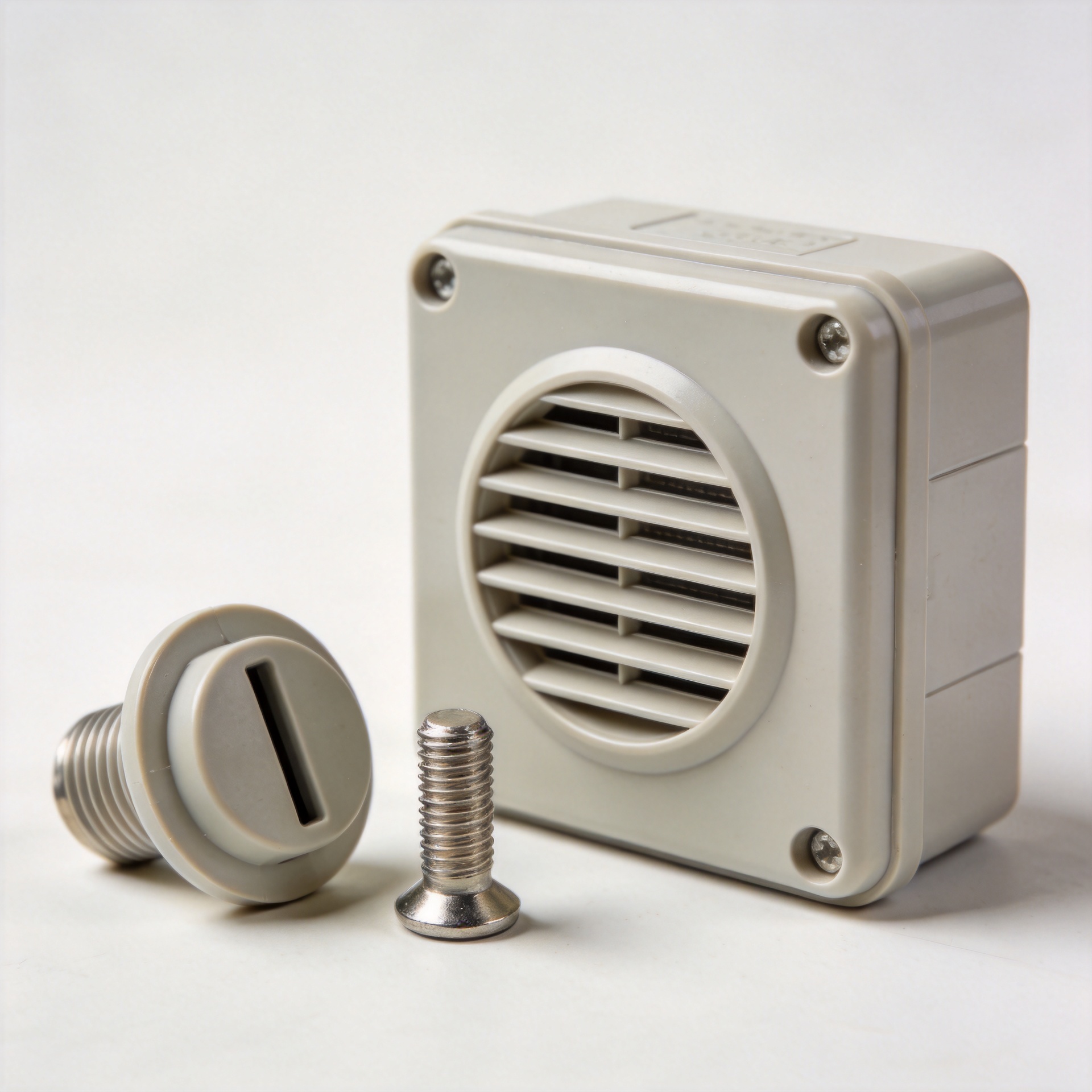
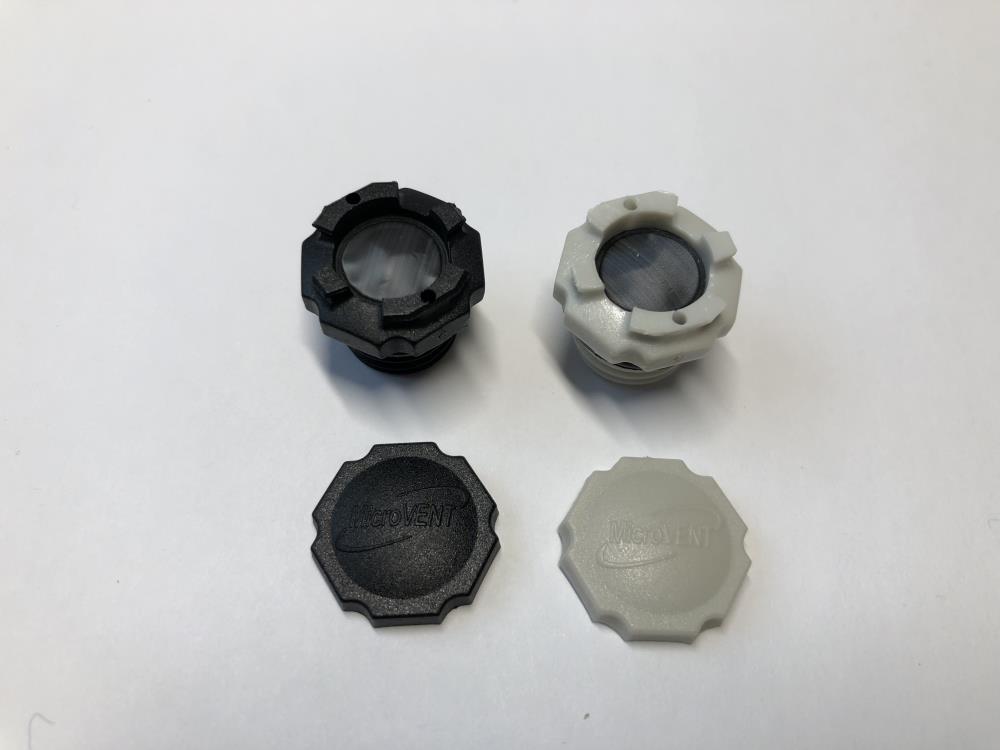
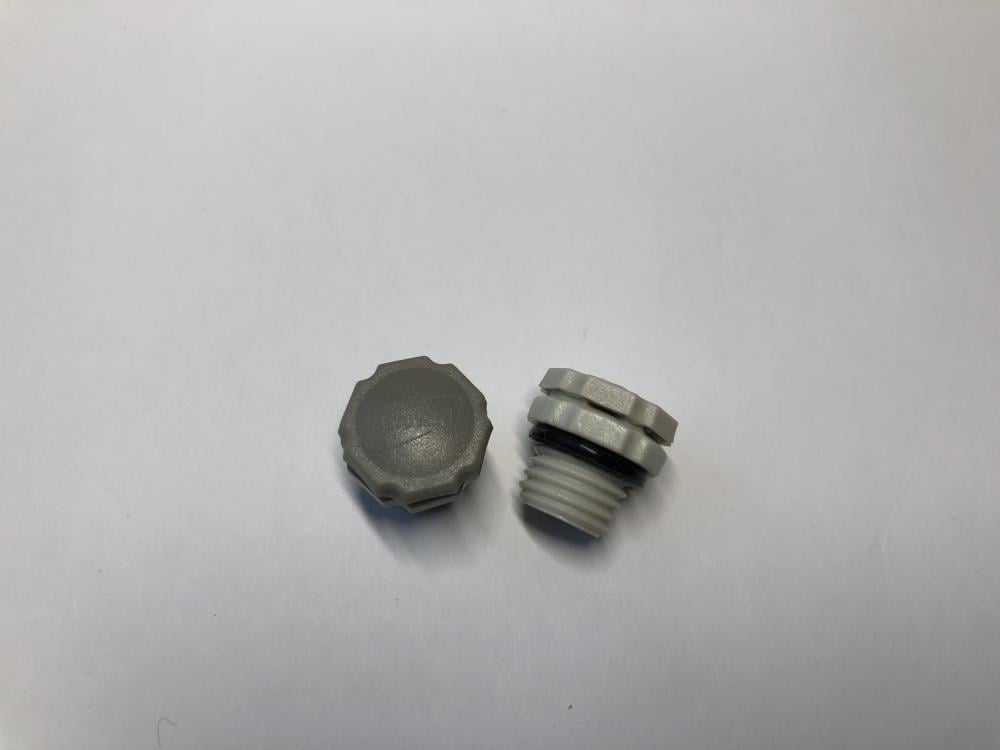
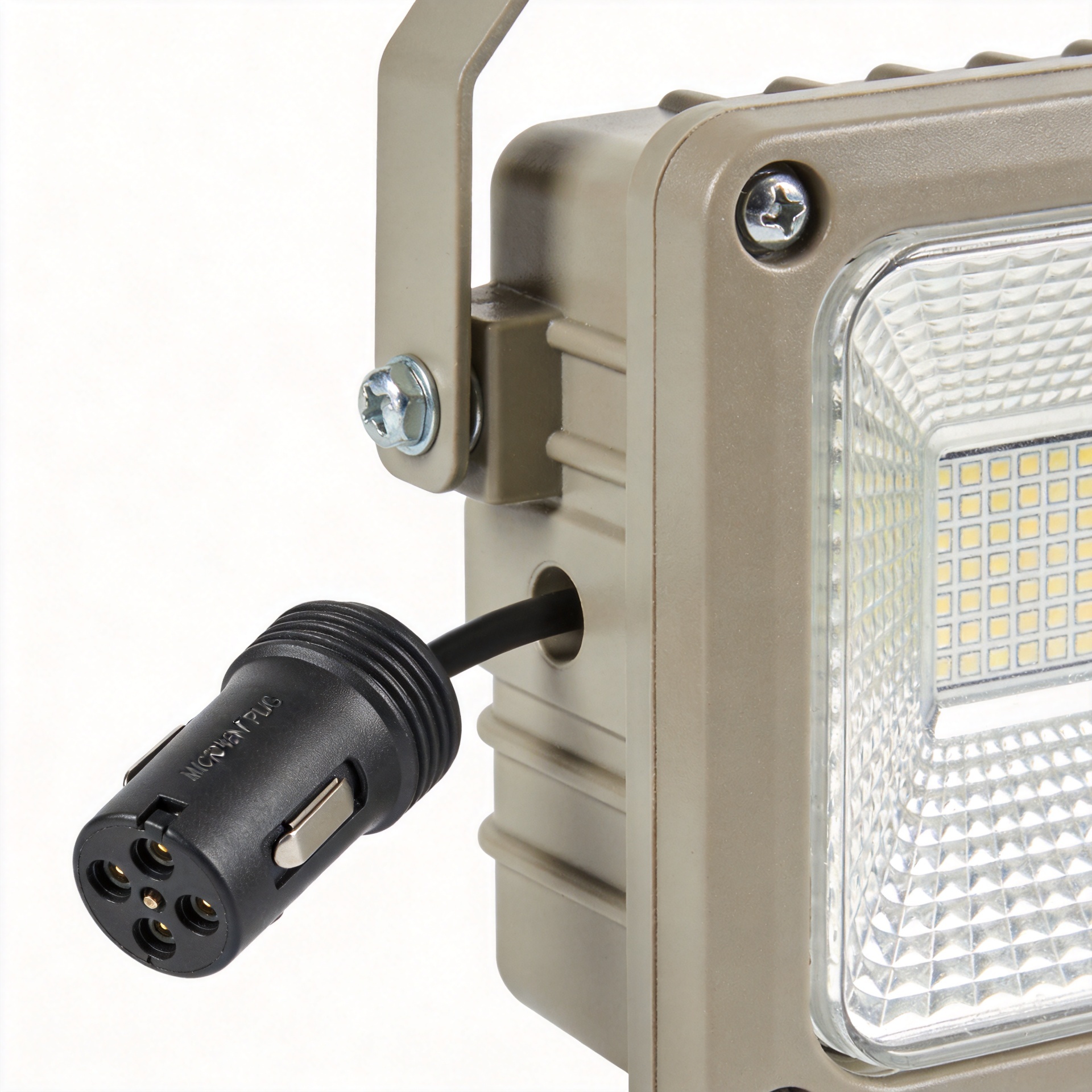
The cataloged vent plug is shown for automotive and outdoor lighting use. Its product record notes pressure equalization as a selection point. A microvent plug still needs a fit check. Review the housing, mount, temperature change, pressure change, and nearby medium. Use the current drawing and project needs before you name it in a device specification.

Start With the Enclosure Condition

A microvent plug is not chosen from its name alone. First define what is inside the housing. Then define what is outside it. Note how these conditions can change in use. A light housing, sensor body, motor cover, and control box can each need a venting review. Yet the install details can differ. Record the housing size, mount area, material near the opening, and access from each side.

The pressure question also needs context. Heat inside a housing can change pressure. A change in the outside setting can do the same. Temperature cycling can also matter. State the expected use pattern. Do not assume that a general airflow claim proves fit. If moisture, dust, oil, or other media are present, state the route and time of exposure.

Compare the Mounting Interface

The selected records include a vent plug, a Screw-in Vent Bolt, and a screw-in bolt. They are product categories. They are not proof of the same size or install method. A threaded part needs a check of the thread and opening on the current drawing. A plug-style part may need a check of hole prep, access, retention, and build order.

  • Give the opening diameter, wall thickness, and clear space around the install point.
  • Confirm whether the housing material limits torque, compression, or service access.
  • State whether the microvent plug goes in before or after other parts are assembled.
  • Request the drawing for the selected vent plug record before you finalize the interface.

Keep mechanical fit separate from function. A part may fit an opening and still need review for pressure equalization and use conditions. A microvent plug review should cover both questions.

Define the Medium and Exposure

For a microvent plug review, explain the medium on each side of the housing wall. Air, splashed water, condensation, dust, oil, cleaning fluids, and vibration can raise different questions. The product records describe venting parts for hard settings. They do not replace project documents or project testing.

Do not treat a broad water or dust statement as a result for every housing. State the ingress concern. State the exposure direction and temperature range. State the service life target used by the project. If you need an ingress rating, chemical result, or airflow value, ask for the product-specific document and test evidence for the exact use.

Use Pressure Equalization as a Question

Pressure equalization is one reason to consider a microvent plug. It may matter when a housing sees changing heat or pressure. Ask how fast the change happens. Ask what the housing layout allows. A fast event, a slow heat cycle, and a steady high internal temperature are not the same case.

For automotive and outdoor lighting, the product records name pressure equalization in the context of condensation and changing conditions. This can guide an early inquiry. It does not guarantee fit for a lamp, sensor, battery, or control unit. Include the device type, mount direction, use setting, and internal heat source in the request.

Prepare a Useful Technical Inquiry

A short technical package helps a microvent plug review. Send the housing drawing or opening detail. Add the use description, expected temperature and pressure changes, media of concern, and any project test rules. State whether you prefer a vent plug or a screw-in part. Explain why. This lets the supplier compare the request with the right product record. It avoids guesses based on a short product name.

MicroVENT’s confirmed background includes ePTFE technology and venting-related applications. Keep the project decision tied to the design data and requested documents. The next step is to discuss fit, available product information, and validation needs before release to production.

Microvent Plug Selection Questions

Technical questions to clarify before product specification.

What information is needed for selection?

Start with the housing drawing, opening size, housing material, and install point. State the device type and the media inside and outside the housing. List the heat and pressure changes seen in use. If water, dust, oil, cleaning fluid, or vibration may occur, say how and where. Send any project test rule or approval need. This helps compare the microvent plug category with the real mount and use case. A product name is not a full specification. Check the current product drawing and any evidence for the exact use before final selection.
No. A vent plug and a Screw-in Vent Bolt are separate product records. A product title does not show that they have the same size, thread, mount method, or use limit. A screw-in part needs a check of the matching thread and opening. A plug-style part may need a different check for hole prep, hold force, and build order. Compare the current product drawing with the housing design. Then review the needed venting function and use setting. Choose the record that fits the real interface. Do not swap one category for another based only on its name.
Pressure equalization should be checked against housing size, heat sources, outside pressure changes, and how fast each change occurs. It can matter for closed lights, sensors, and control units. It does not prove that a part will fit a given device. State if the case is a slow heat cycle, a quick change, or another event. Then ask for the right product data and test plan for the exact mount. This keeps the choice tied to the real pressure pattern, housing layout, and use setting. It avoids a decision based on a broad claim.
Ask first for the current product drawing, mount guide, and product documents that fit the planned use. If your project needs an airflow value, ingress level, or other result, name the exact need. Ask if evidence exists for that product and use case. Send your own test rule and pass criteria when they apply. Catalog records can start a talk. Final approval should use the controlled documents and test plan agreed for the design. This helps separate broad catalog context from proof that applies to one housing and one install method.

Get a Free Quote

Our representative will contact you soon.
Email
Name
Company Name
Message
0/1000

Related Venting Topics

Get a Free Quote

Our representative will contact you soon.
Email
Name
Company Name
Message
0/1000