Define the Enclosure Need
A waterproof vent plug should match the real use case. Start with the enclosure. State what it holds and where it will operate. An outdoor light, sensor, motor part, or electronics box can face different risks. Rain, humidity, dust, heat, and cooling cycles do not affect every housing in the same way. A waterproof vent plug should be reviewed against those conditions.
Next, write down the pressure profile. A closed housing can see pressure changes as it heats or cools. Pressure equalization may be part of the design goal. It is only one part. Airflow needs, water exposure, and how the part is installed also matter. Do not use a broad membrane claim as proof that a finished device is suitable.
Check the Opening and Mounting Method
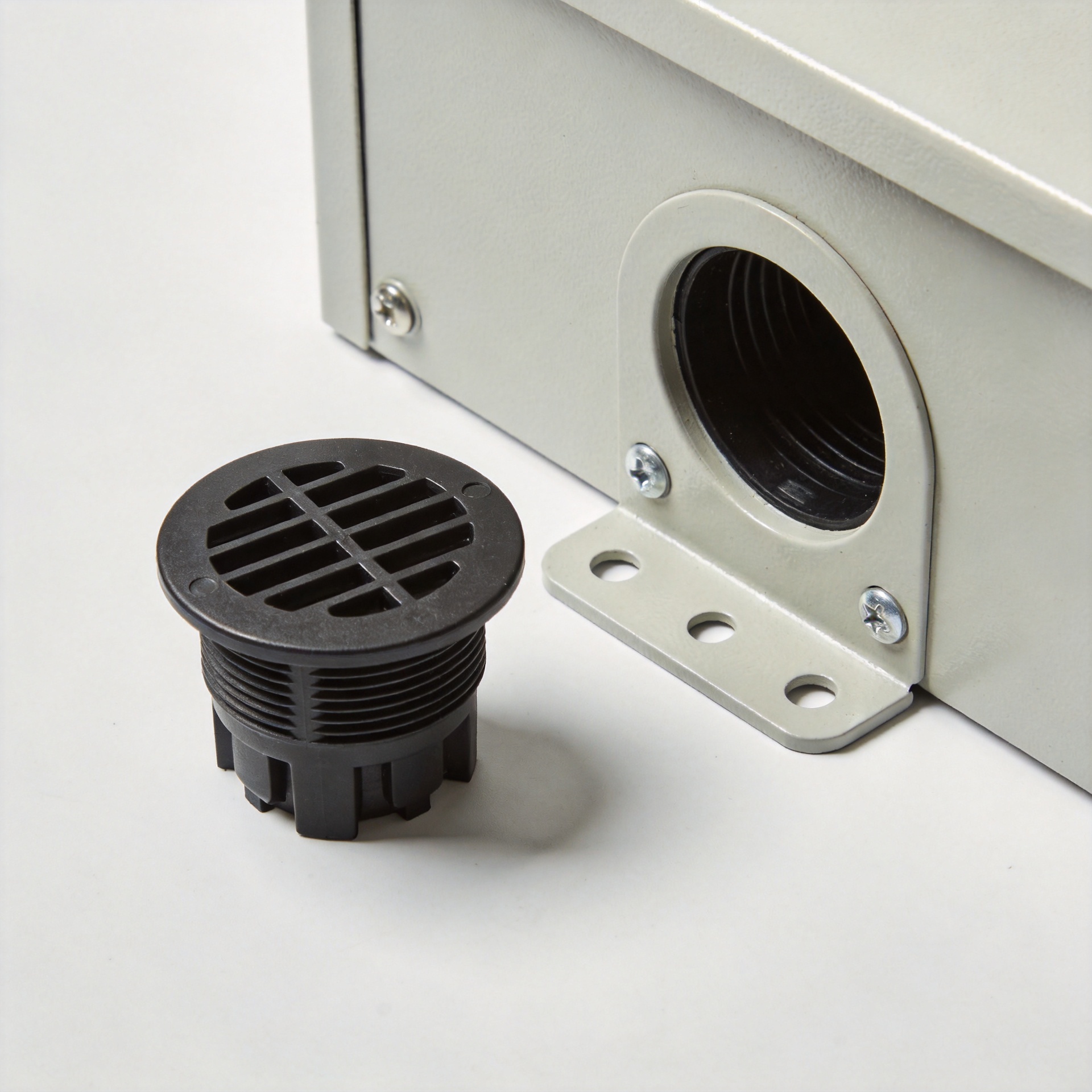
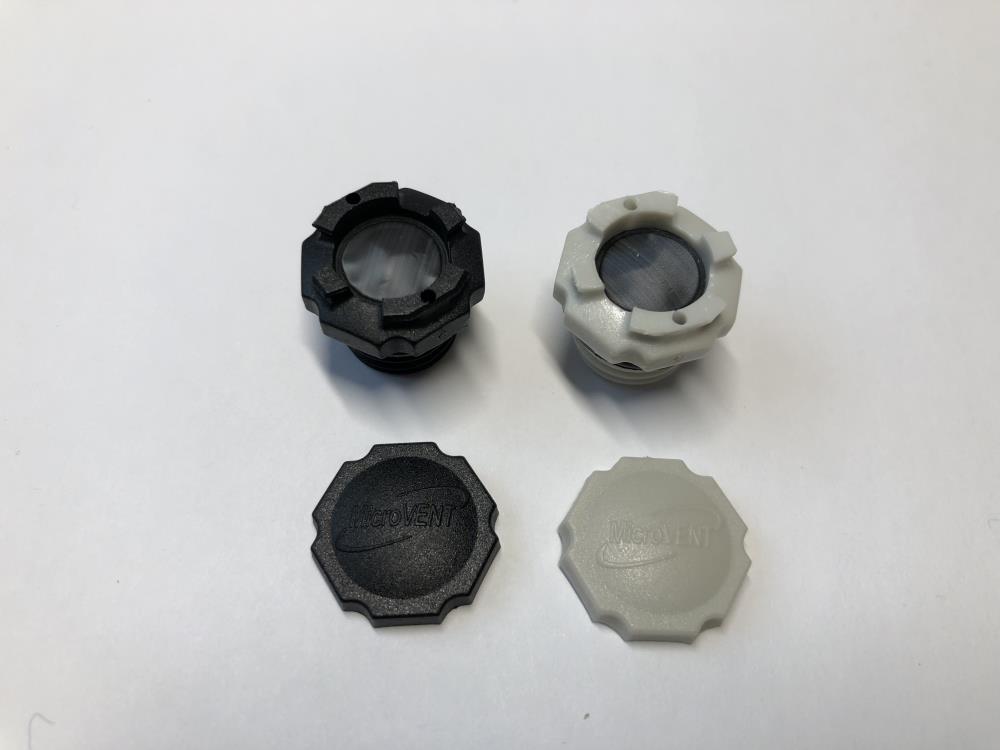
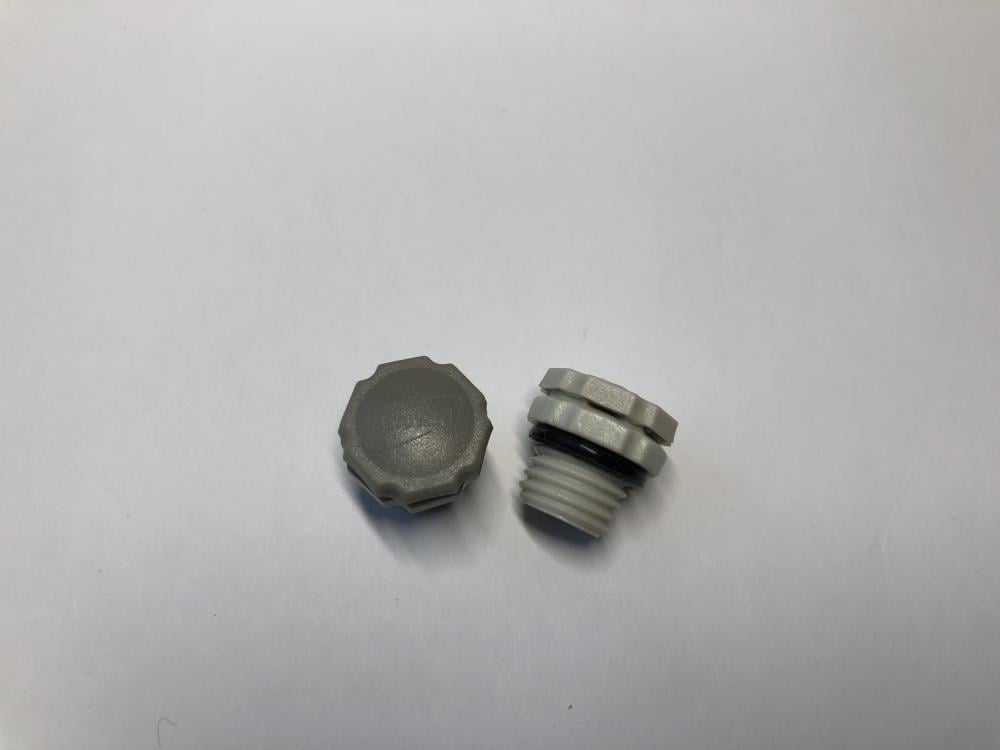
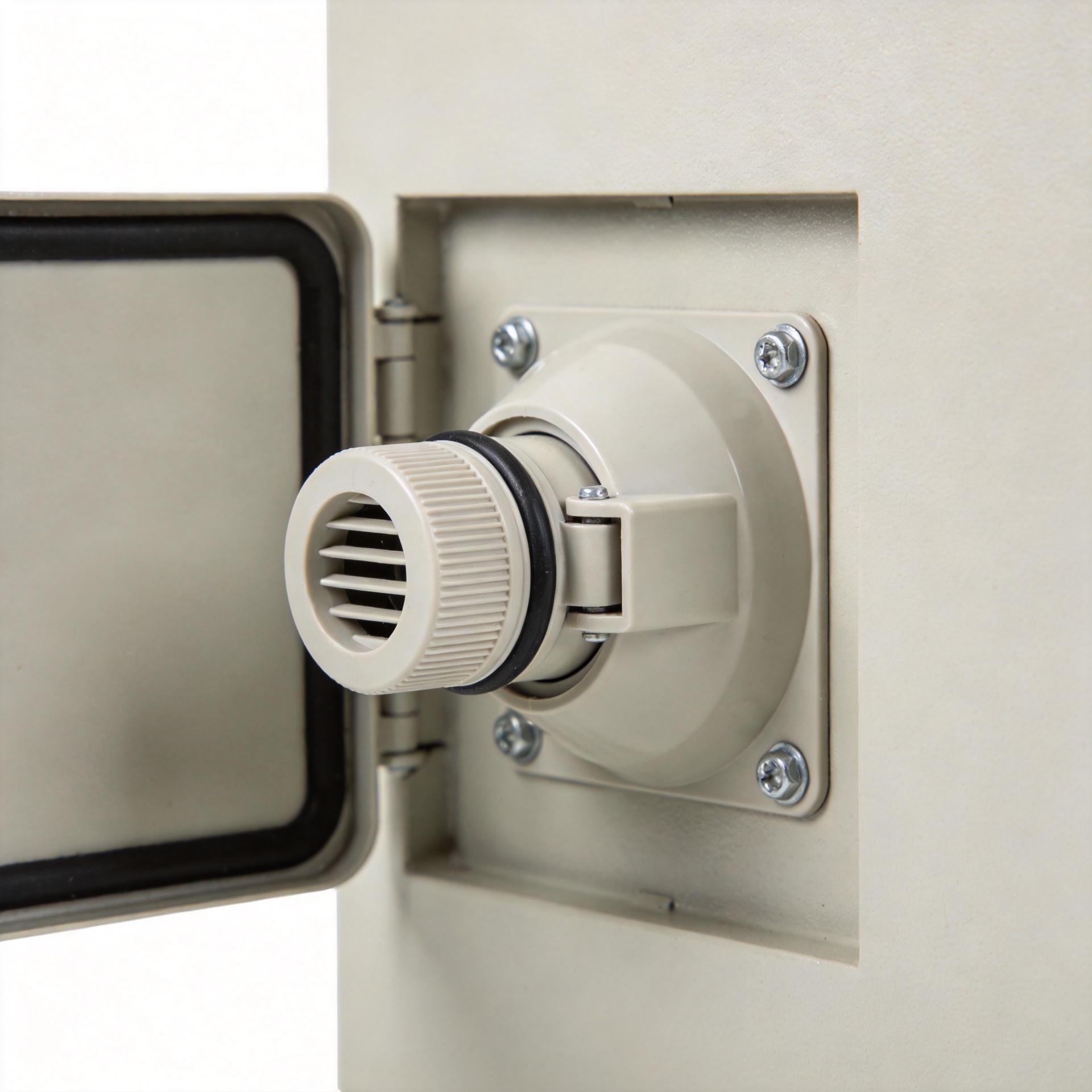
The opening is a key filter for a waterproof vent plug. Record the opening size, wall thickness, free space, and access direction. Also note the enclosure material. These facts help compare a plug-style part with a screw-in option. The current product set includes a vent plug, a Screw-in Vent Bolt, and a screw-in bolt. These are real site records. Their names do not mean they share the same size or fit.
- Send a drawing or clear dimensions for the opening and nearby enclosure area.
- State when the waterproof vent plug is installed in the assembly process.
- List any retention, seal, torque, or service-access needs for the interface.
- Check whether nearby parts limit the tool access or available height.
Describe Water and Other Exposure
Water resistance depends on the use case. Describe where water comes from and how long it contacts the housing. Note the direction of exposure and the expected temperature. Also state if oils, cleaners, or particles are present. A waterproof vent plug for an electronics enclosure may need a different review from a part used near process fluid.
The merchant profile describes ePTFE technology and porous structures. It also uses hydrophobic and oleophobic positioning. That is useful background for a product discussion. It is not a product-specific test result. Product documents and an application review are needed before a protection claim is made.
Set the Verification Plan
A component record is not the whole assembly. The finished housing can change the air path and the fit at the opening. It can also change how the interface sees water or stress. Set the verification method before you make a release choice. Confirm the test method, sample build, and pass criteria for the real application.
For a waterproof vent plug project, share the drawing, operating conditions, and pressure equalization need. Include the expected water, humidity, dust, or chemical exposure. State the preferred mounting method and the documents you need. This gives the supplier a clear basis to discuss the listed vent plug and screw-in options.
 EN
 AR
 CS
 FR
 DE
 IT
 JA
 KO
 PT
 RU
 ES
 ID
 VI
 TH
 TR
 MS