acoustic eptfe patch
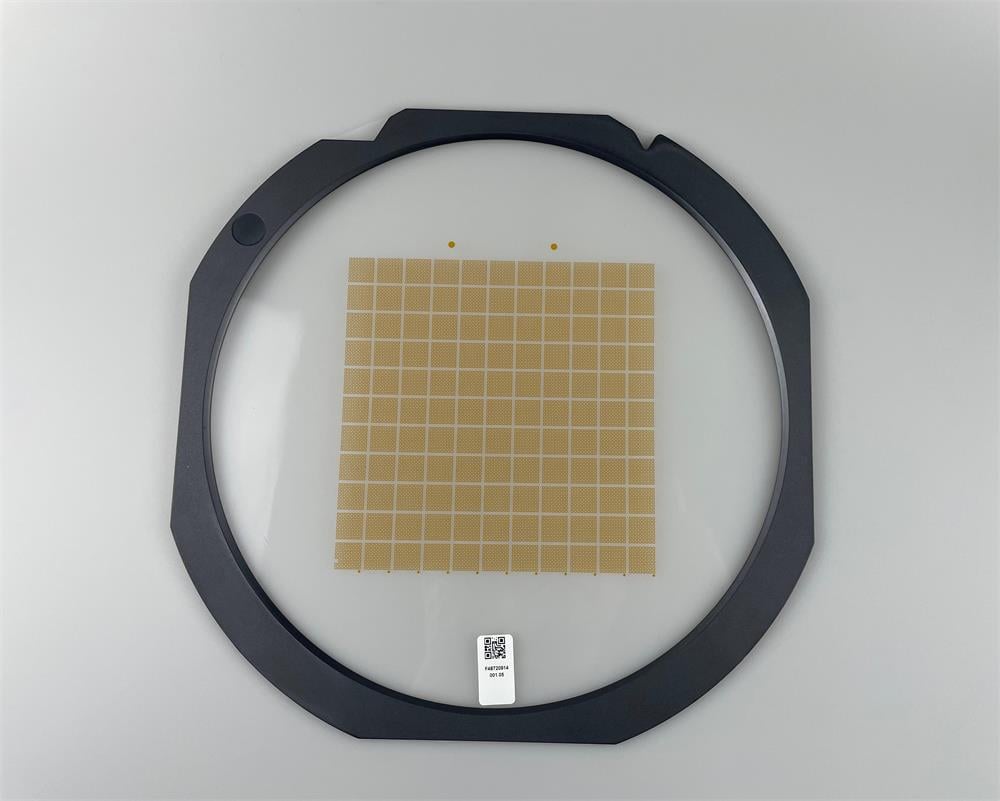
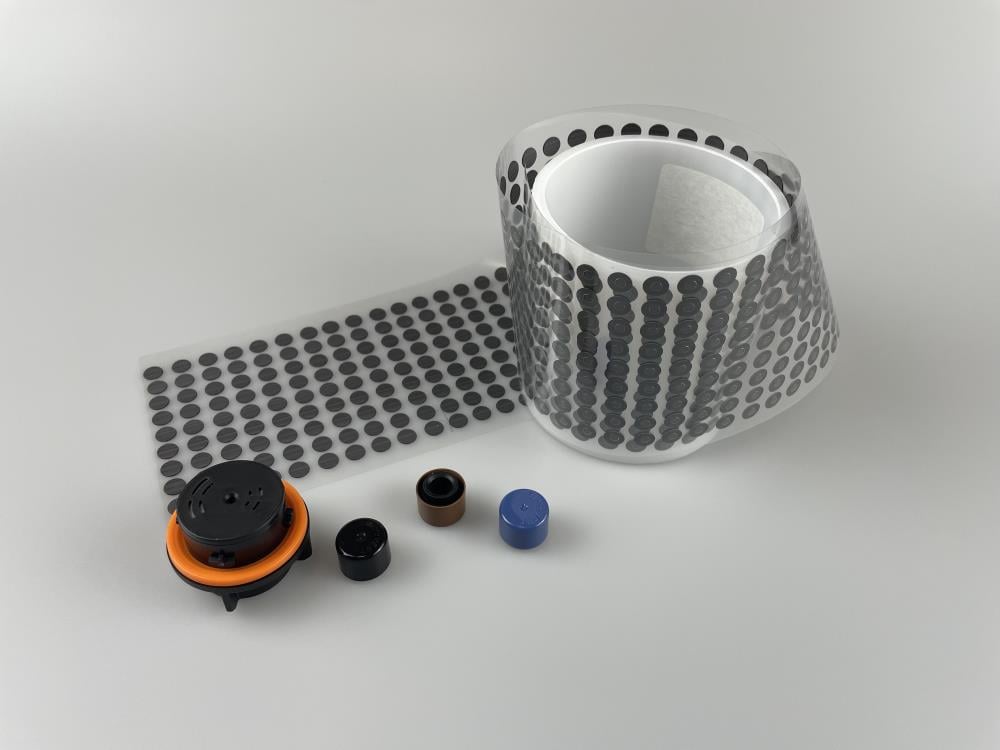
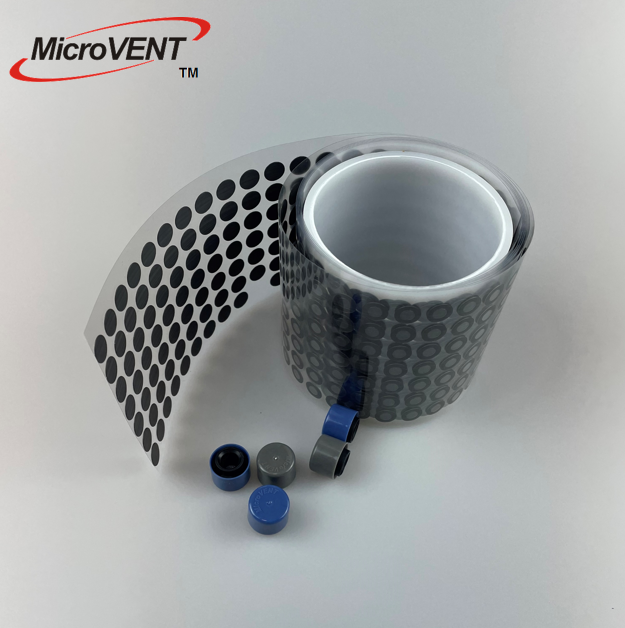
An acoustic eptfe patch is a thin, engineered membrane that protects sensitive openings while allowing sound, air, or pressure to pass in a controlled way. The acoustic eptfe patch uses expanded polytetrafluoroethylene, commonly called ePTFE, to create a microporous barrier with a balance of acoustic transparency and environmental protection. This design helps devices maintain clear sound transmission without leaving internal parts exposed. In practical terms, the acoustic eptfe patch supports microphones, speakers, sensors, and communication equipment that must operate in dusty, damp, or changing conditions. Its main function is to cover an acoustic port without blocking the intended signal. The membrane can reduce the entry of water, dirt, oil, and other contaminants, while its open structure helps air pressure equalize around the protected component. Many versions also provide stable performance across temperature changes, vibration, and daily handling. A typical acoustic eptfe patch includes a precisely formed membrane, an adhesive backing, and a carrier or release liner for accurate installation. Manufacturers can supply different thicknesses, pore structures, shapes, and adhesive systems to suit enclosure design and performance targets. The acoustic eptfe patch can be die cut for high-volume production or supplied in custom geometries for compact products. It fits consumer electronics, industrial instruments, automotive systems, outdoor devices, and medical equipment. By combining sound passage, venting, and barrier protection, the acoustic eptfe patch gives designers a practical way to improve device reliability without adding a large housing component or complex protective assembly.
 EN
 AR
 CS
 FR
 DE
 IT
 JA
 KO
 PT
 RU
 ES
 ID
 VI
 TH
 TR
 MS