Premium Waterproof Mesh Solutions - Breathable Protection for All Applications

All Categories

Get a Free Quote

Our representative will contact you soon.
Email
Name
Company Name
Message
0/1000

waterproof mesh

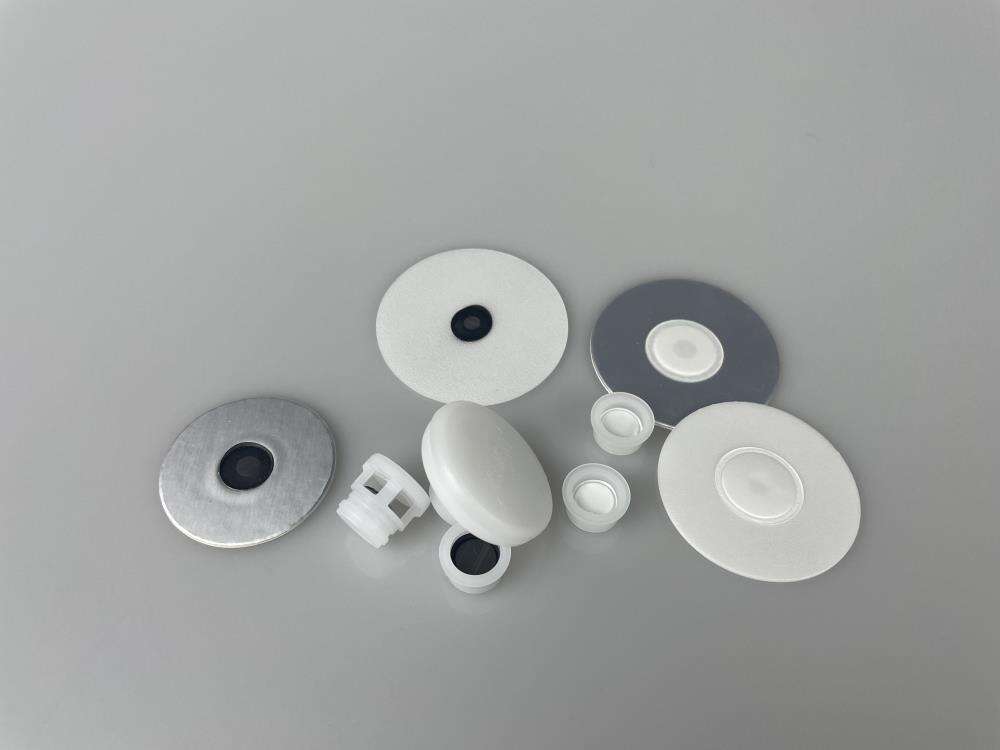
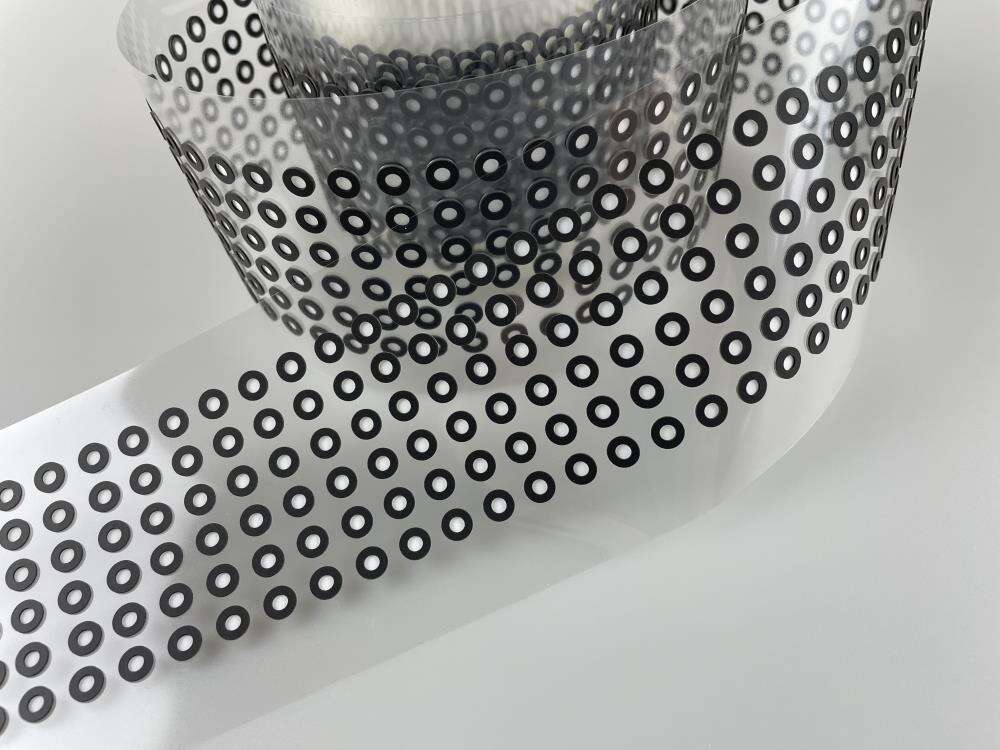
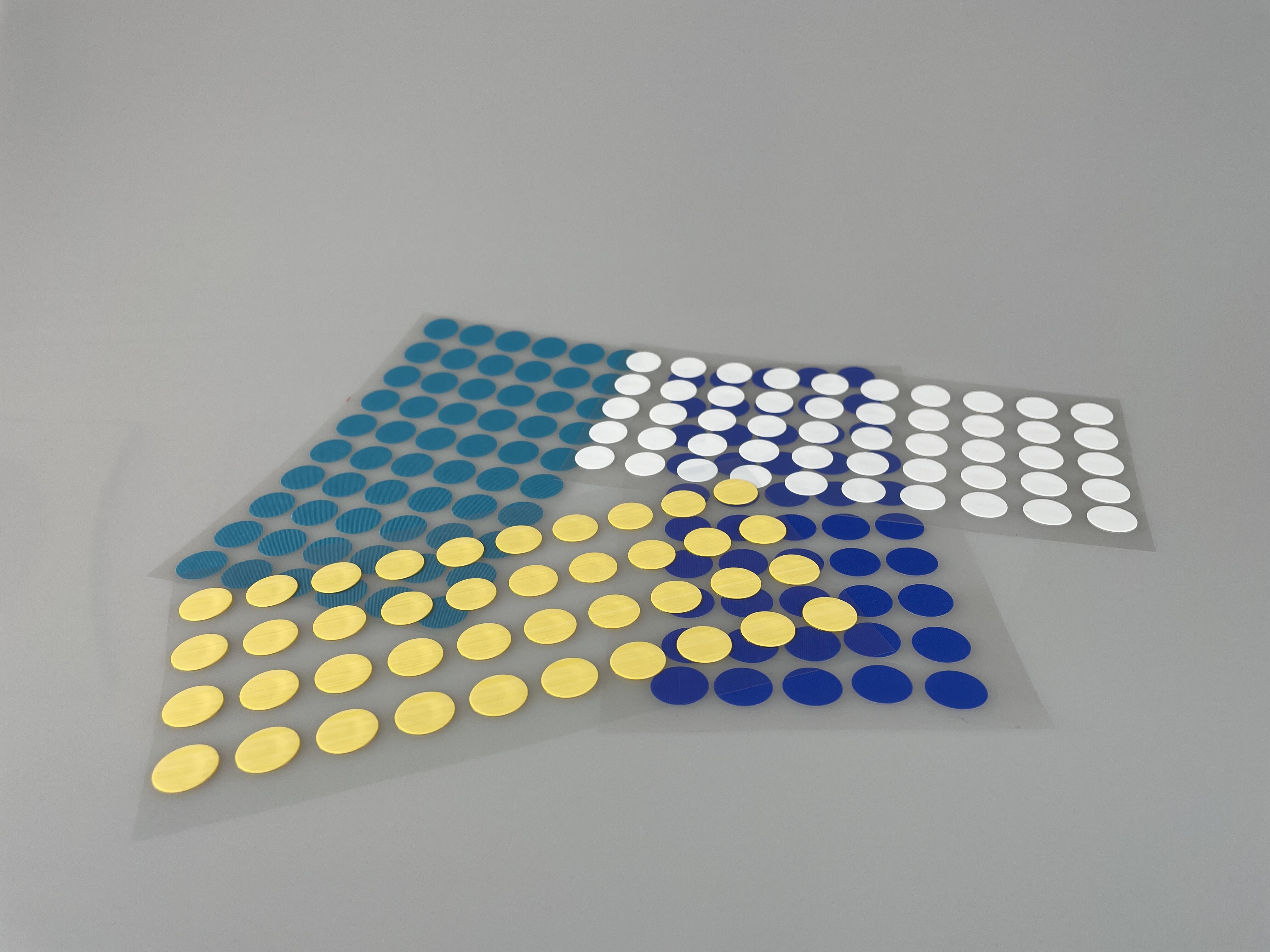
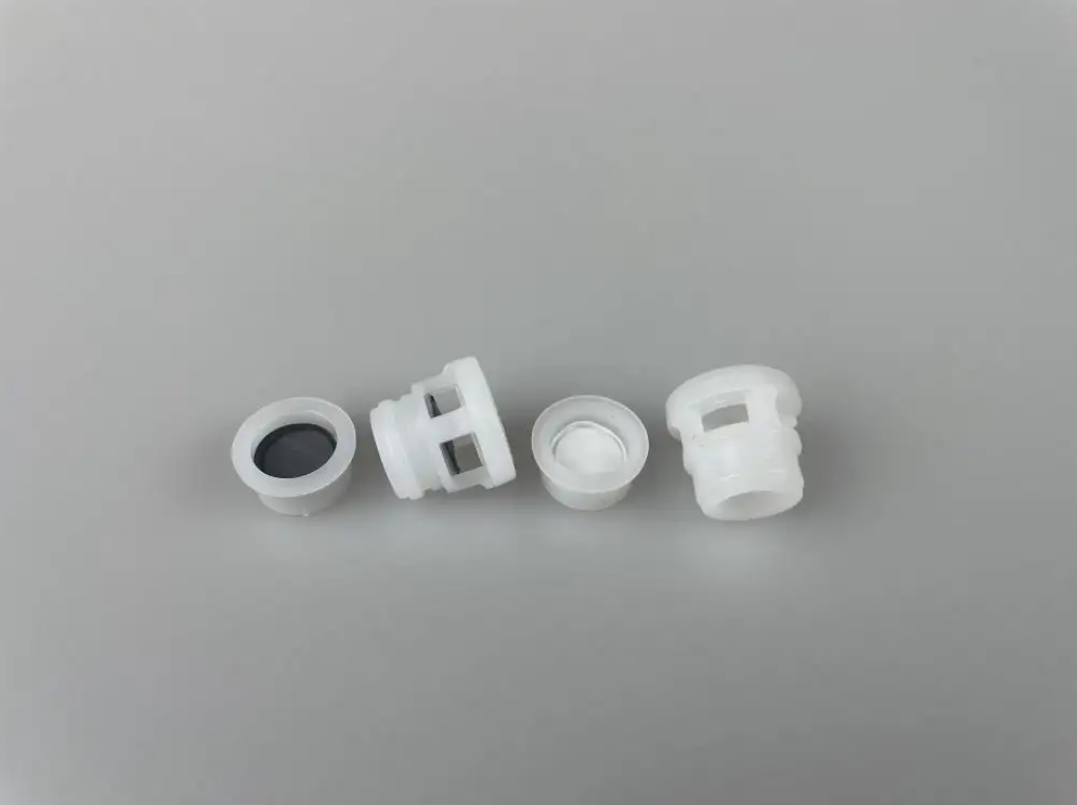
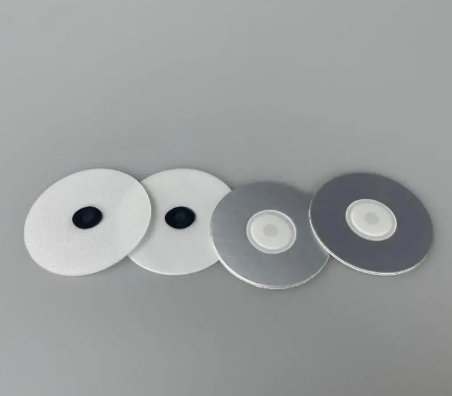
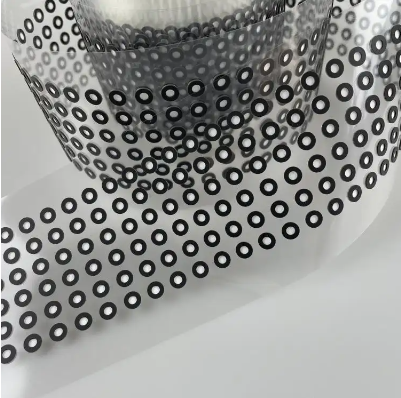
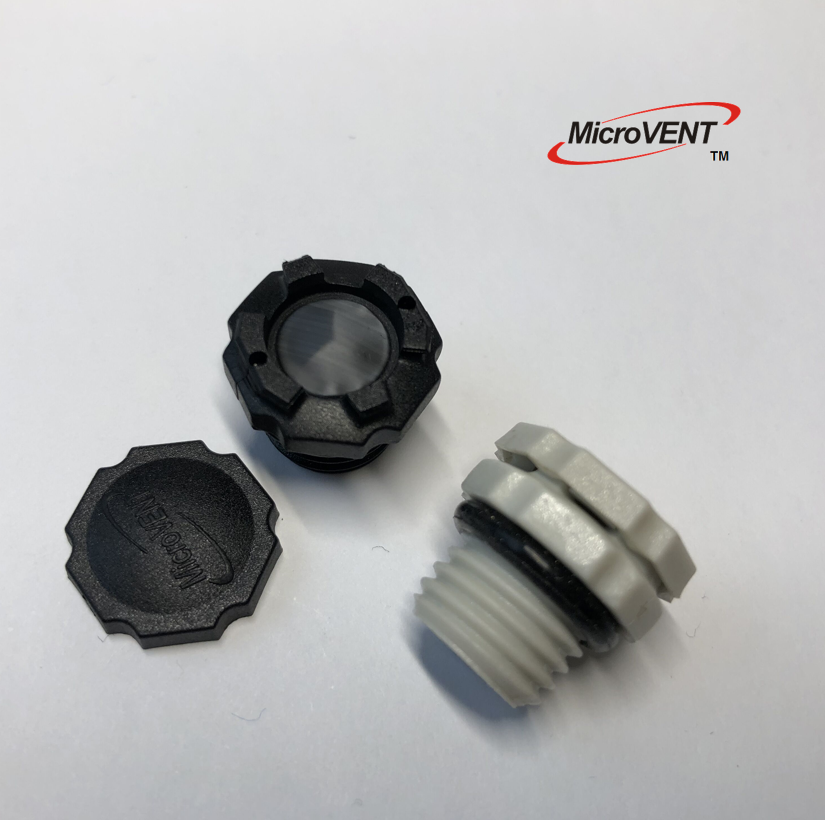
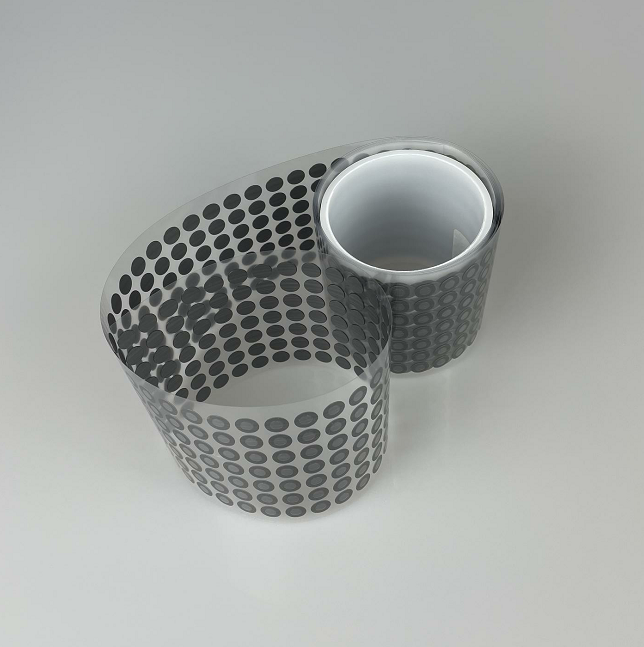
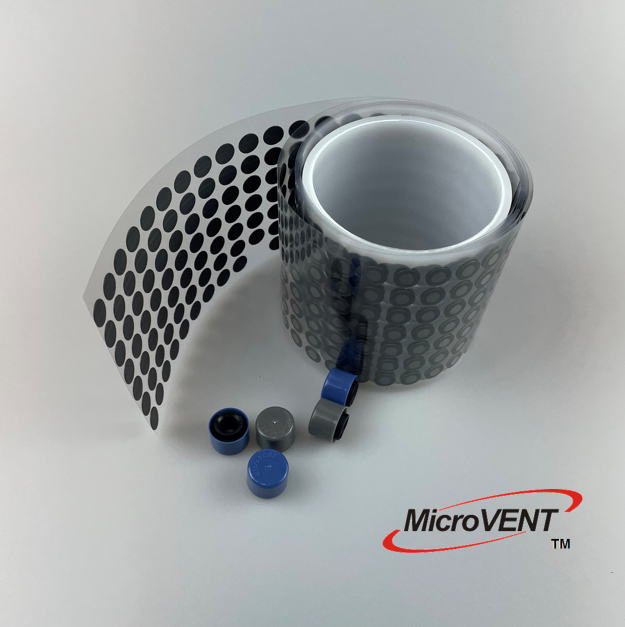
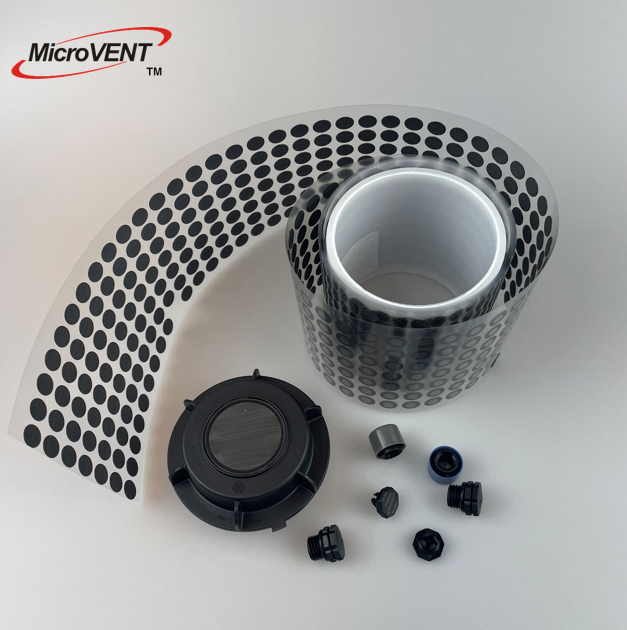
Waterproof mesh represents a revolutionary advancement in protective material technology, combining the breathable properties of traditional mesh with complete water resistance. This innovative material consists of specialized synthetic fibers woven together using advanced manufacturing techniques that create microscopic pores allowing air circulation while preventing water penetration. The waterproof mesh utilizes cutting-edge polymer treatments and membrane technologies to achieve this dual functionality, making it an essential component across numerous industries. The primary function of waterproof mesh centers on providing reliable moisture protection without sacrificing ventilation, addressing a critical challenge faced by manufacturers of outdoor equipment, automotive components, and architectural applications. Technological features include hydrophobic coatings that repel water molecules while maintaining permeability to air and vapor. The mesh structure incorporates multi-layer construction with varying pore sizes strategically positioned to optimize both protection and breathability. Advanced manufacturing processes ensure consistent quality and durability, with reinforced edges and seamless integration capabilities. Applications span diverse sectors including outdoor gear manufacturing, where waterproof mesh serves as ventilation panels in jackets, tents, and backpacks. The automotive industry utilizes this material for seat covers, interior panels, and protective barriers that require moisture resistance combined with air circulation. Architectural applications include building wraps, screen systems, and facade elements that need weather protection while allowing proper ventilation. Marine applications benefit from waterproof mesh in boat covers, sail components, and deck equipment where saltwater resistance becomes crucial. Industrial uses encompass filtration systems, protective clothing, and equipment covers requiring reliable performance in harsh environments. The versatility of waterproof mesh extends to agricultural applications, sports equipment, and medical devices where hygiene and moisture control are paramount. Manufacturing processes involve precision weaving, chemical treatments, and quality control measures ensuring consistent performance standards across different environmental conditions and usage scenarios.

Popular Products

Waterproof mesh delivers exceptional performance benefits that significantly outperform traditional materials in demanding applications. The primary advantage lies in its dual functionality, offering complete water resistance while maintaining optimal airflow, eliminating the trade-off typically associated with protective materials. This unique combination prevents moisture buildup inside enclosed spaces, reducing condensation, mold growth, and corrosion issues that plague conventional waterproof materials. Users experience enhanced comfort and functionality because the material regulates temperature and humidity levels naturally. The durability factor sets waterproof mesh apart from standard alternatives, withstanding repeated exposure to harsh weather conditions, UV radiation, and chemical substances without degrading performance. This longevity translates into significant cost savings over time, as replacement frequency decreases substantially compared to traditional materials. Maintenance requirements remain minimal, with simple cleaning procedures sufficient to restore optimal performance, reducing operational costs and downtime. The lightweight nature of waterproof mesh provides structural advantages, reducing overall weight in applications where every gram matters, such as outdoor gear and automotive components. Installation processes become simplified due to the material's flexibility and adaptability, allowing for complex shapes and configurations without compromising integrity. Temperature resistance ensures consistent performance across extreme conditions, from arctic environments to tropical climates, making it suitable for global applications. The chemical resistance properties protect against acids, bases, and solvents commonly encountered in industrial settings, extending service life and maintaining protective qualities. Environmental benefits include recyclability and reduced environmental impact during manufacturing compared to traditional waterproof materials. Energy efficiency improves in buildings and vehicles due to enhanced ventilation properties, reducing cooling costs and improving overall system performance. Safety advantages include non-toxic properties and flame resistance in many formulations, meeting strict regulatory requirements across various industries. The versatility allows for customization in terms of pore size, thickness, and additional properties, enabling manufacturers to optimize performance for specific applications. Quality control measures ensure consistent performance batch after batch, providing reliability that end users can depend on for critical applications.

Tips And Tricks

How Do MicroVent Packaging Valves Help in prolonging Packaging lifetime?

21

May

How Do MicroVent Packaging Valves Help in prolonging Packaging lifetime?

Pressure Regulation in Packaging with MicroVent Valves Preventing Container Swelling and Bursting MicroVent valves are ingeniously designed to handle internal pressures within packaging, effectively reducing the risks associated with container defor...
View More
How Does a Vent PE Liner Improve Packaging Performance?

21

May

How Does a Vent PE Liner Improve Packaging Performance?

Understanding the Role of Vent PE Liners in Packaging What Are Vent PE Liners? Vent PE Liner Incorporates a unique form of packaging to improve performance by allowing reverse gas exchange but keeping out contaminants. They are unlike older lin...
View More
What is MicroVent®️ ePTFE membrane, and what are its uses?

25

Jun

What is MicroVent®️ ePTFE membrane, and what are its uses?

Understanding MicroVent® ePTFE Membrane Technology Material Composition and Microporous Structure MicroVent® ePTFE membranes are renowned for their highly distinctive microporous structure, which plays a crucial role in their functionality. ...
View More
Are MicroVENT®️ Vent Screw Bolts Suitable for Outdoor and Harsh Environments?

28

Aug

Are MicroVENT®️ Vent Screw Bolts Suitable for Outdoor and Harsh Environments?

Understanding the Durability of Advanced Venting Solutions in Challenging Conditions Industrial equipment and enclosures face constant challenges from environmental factors, making proper venting solutions crucial for maintaining operational integrit...
View More

Get a Free Quote

Our representative will contact you soon.
Email
Name
Company Name
Message
0/1000

waterproof mesh

Superior Breathability with Complete Water Protection

Superior Breathability with Complete Water Protection

The breakthrough design of waterproof mesh achieves an unprecedented balance between moisture protection and ventilation capabilities, addressing one of the most challenging engineering problems in material science. Traditional waterproof materials create impermeable barriers that trap moisture, heat, and humidity, leading to uncomfortable conditions and potential damage from condensation. Waterproof mesh revolutionizes this approach through its sophisticated pore structure that selectively allows air molecules to pass through while blocking water droplets and moisture. The technology behind this selective permeability involves precisely engineered microscopic openings that operate on the principle of surface tension and molecular size differentiation. Water molecules, when combined in droplet form, cannot penetrate the specially treated mesh structure, while individual air molecules move freely through the material. This scientific approach ensures that users benefit from continuous air circulation that regulates temperature and prevents the accumulation of moisture-related problems. The practical implications are significant across multiple applications. In outdoor gear, users stay comfortable during physical activity as sweat vapor escapes while rain and external moisture remain blocked. Architectural applications benefit from natural ventilation that reduces energy costs while maintaining weather protection. Automotive implementations provide passenger comfort by preventing fogging and maintaining air quality inside vehicles. The manufacturing process involves advanced polymer science and precision engineering to create uniform pore distribution and consistent performance characteristics. Quality testing procedures verify breathability rates and water resistance under various pressure conditions, ensuring reliable performance in real-world scenarios. The durability of this breathable protection system extends beyond simple functionality, as the material maintains its selective permeability properties even after extended exposure to environmental stresses. This longevity ensures that the investment in waterproof mesh technology continues to deliver value throughout its service life, making it a cost-effective solution for applications requiring both protection and ventilation.
Exceptional Durability and Weather Resistance

Exceptional Durability and Weather Resistance

Waterproof mesh demonstrates remarkable resilience against environmental challenges that typically degrade conventional materials, making it an ideal choice for long-term outdoor and industrial applications. The advanced manufacturing process incorporates high-performance synthetic fibers that resist degradation from ultraviolet radiation, extreme temperatures, and chemical exposure. This comprehensive weather resistance begins with the selection of premium raw materials engineered to withstand the harsh realities of outdoor environments. UV stabilizers integrated during production prevent the photodegradation that causes traditional materials to become brittle and lose structural integrity over time. Temperature resistance spans from arctic conditions exceeding minus forty degrees to tropical environments above sixty degrees Celsius, ensuring consistent performance regardless of climate. The chemical resistance properties protect against exposure to acids, alkalis, and organic solvents commonly encountered in industrial and marine environments. Salt spray resistance makes waterproof mesh particularly valuable for coastal and marine applications where corrosive saltwater exposure challenges conventional materials. The mechanical strength of waterproof mesh surpasses traditional alternatives through reinforced fiber construction and optimized weaving patterns that distribute stress evenly across the material surface. Tear resistance prevents small punctures from propagating into larger failures, maintaining protective integrity even under challenging conditions. Abrasion resistance ensures that the material maintains its appearance and performance characteristics despite friction from wind-blown particles or mechanical contact. Dimensional stability prevents shrinkage, expansion, or distortion that could compromise fit and function in precision applications. The fade resistance maintains aesthetic appeal over extended periods, important for architectural and consumer applications where appearance matters. Testing protocols verify performance under accelerated aging conditions that simulate years of environmental exposure in compressed timeframes. Field testing in diverse geographical locations confirms laboratory results and validates the material's ability to perform reliably across different environmental conditions. The combination of these durability characteristics results in significantly extended service life compared to traditional materials, providing exceptional value through reduced replacement costs and improved reliability.
Versatile Applications Across Multiple Industries

Versatile Applications Across Multiple Industries

The adaptability of waterproof mesh enables its successful integration across an impressive range of industries and applications, demonstrating its value as a versatile engineering solution. This flexibility stems from the material's customizable properties that can be tailored to meet specific performance requirements while maintaining core waterproof and breathable characteristics. In the outdoor recreation industry, waterproof mesh serves crucial functions in high-performance gear where users demand reliable protection without compromising comfort. Tent ventilation systems utilize this material to prevent condensation buildup while blocking external moisture, creating comfortable sleeping environments in challenging weather conditions. Backpack designs incorporate waterproof mesh panels that allow gear to breathe while maintaining protection from unexpected precipitation. Footwear applications benefit from moisture management properties that keep feet dry from external water while allowing internal moisture to escape. The automotive sector leverages waterproof mesh technology in multiple applications where moisture control and ventilation are essential. Seat ventilation systems provide passenger comfort by allowing air circulation while protecting against spills and moisture intrusion. Under-hood applications protect sensitive electronic components from water damage while ensuring adequate cooling airflow. Convertible top designs integrate waterproof mesh elements that maintain protection during adverse weather while providing ventilation during favorable conditions. Architectural applications demonstrate the material's ability to enhance building performance through improved moisture management and energy efficiency. Building envelope systems utilize waterproof mesh as weather barriers that prevent water intrusion while allowing vapor transmission, reducing the risk of structural damage from trapped moisture. Green roof applications benefit from drainage and protection properties that support vegetation while managing water runoff. Screen and shade systems provide weather protection for outdoor spaces while maintaining visibility and airflow. Industrial applications capitalize on the material's resistance to harsh chemicals and environmental conditions. Filtration systems employ waterproof mesh for selective separation processes in manufacturing environments. Protective equipment designs incorporate the material for safety applications where both protection and comfort are critical. Equipment covers and enclosures utilize waterproof mesh to protect machinery while ensuring adequate ventilation for optimal operation. The marine industry benefits from salt-water resistance and durability properties essential for challenging oceanic environments.

Get a Free Quote

Our representative will contact you soon.
Email
Name
Company Name
Message
0/1000