Advanced Sensor Membrane Technology - Superior Detection Solutions for Industrial and Medical Applications

All Categories

Get a Free Quote

Our representative will contact you soon.
Email
Name
Company Name
Message
0/1000

sensor membrane

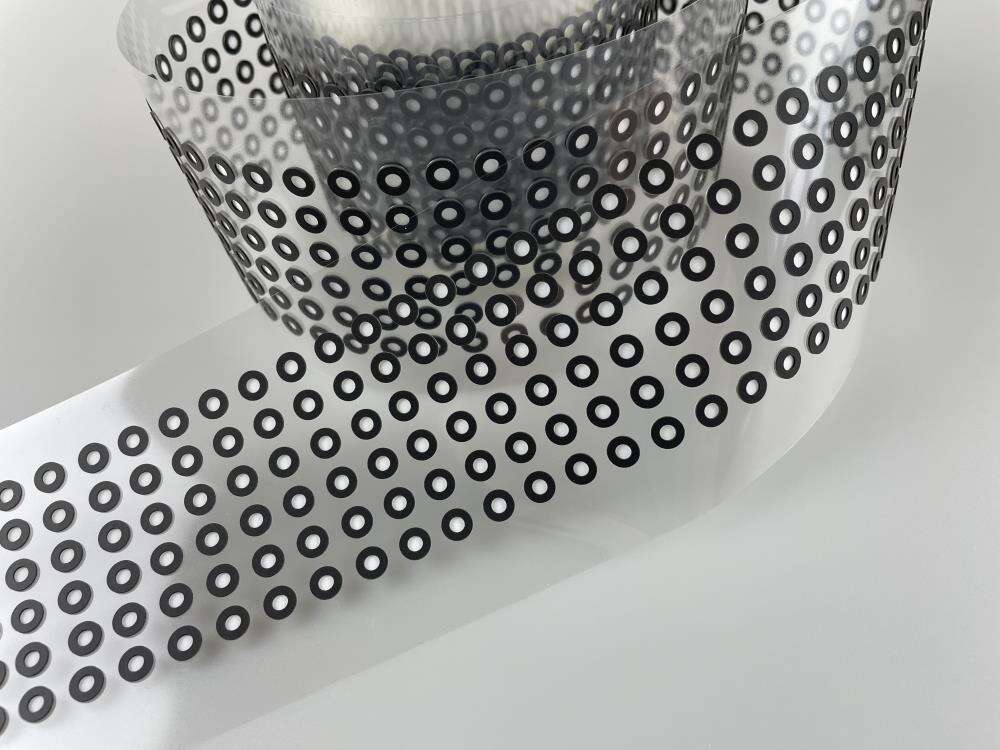
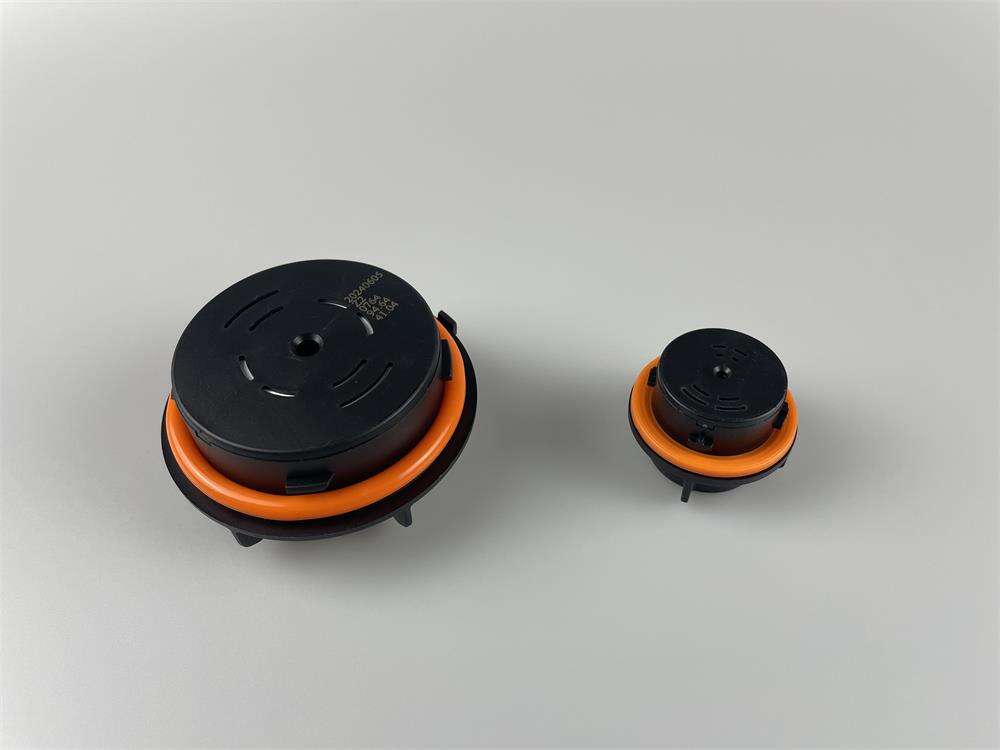
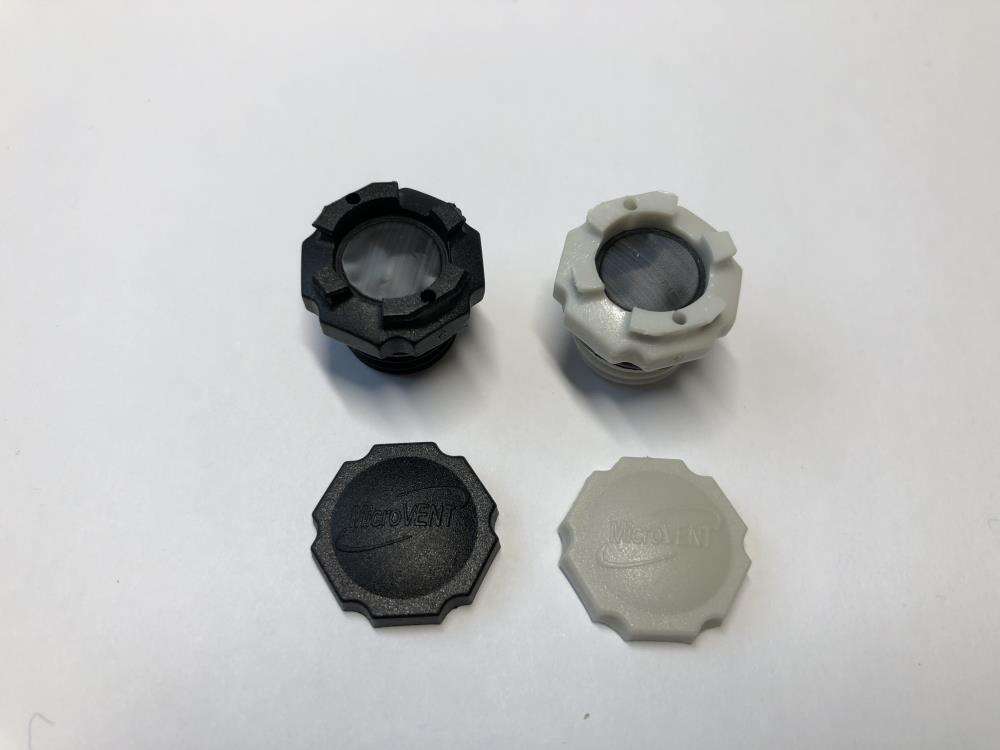
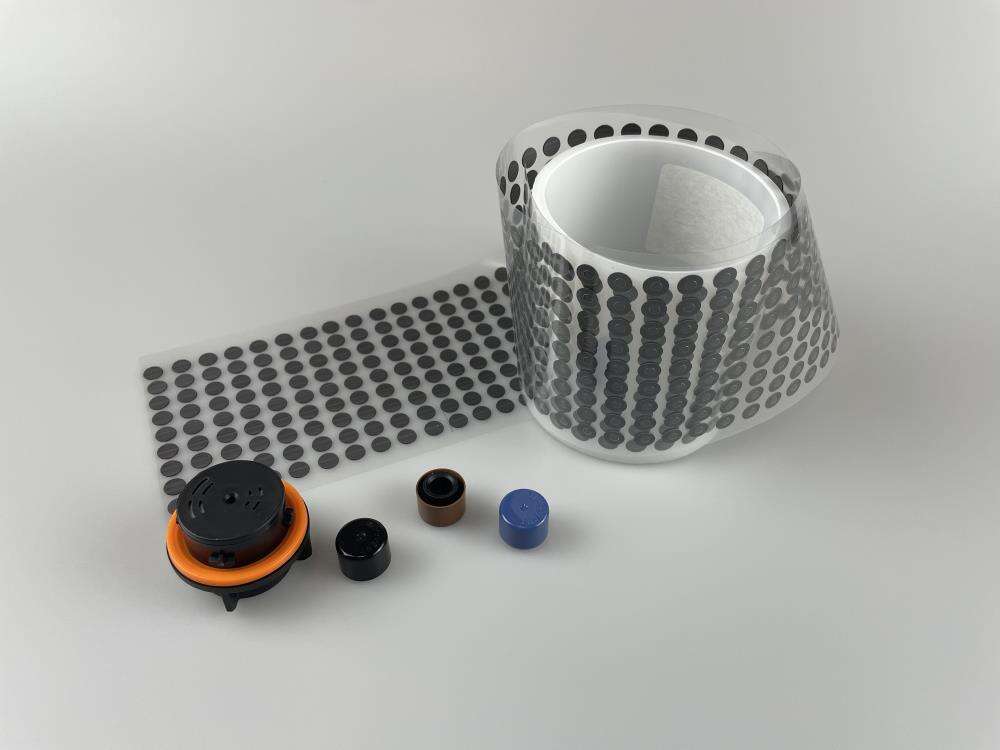
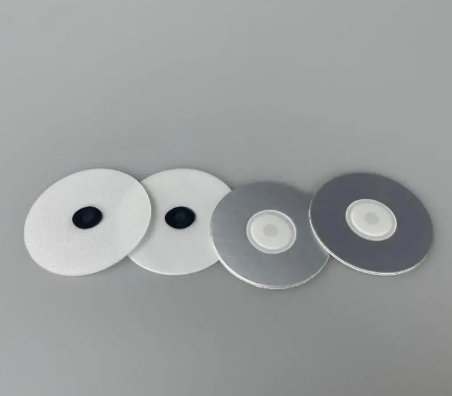
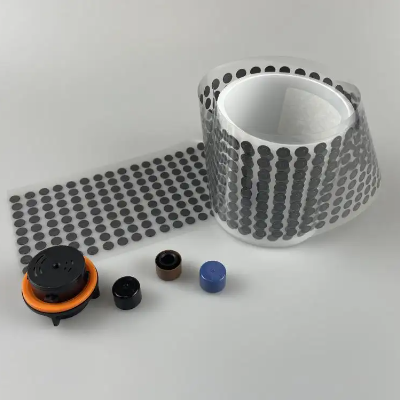
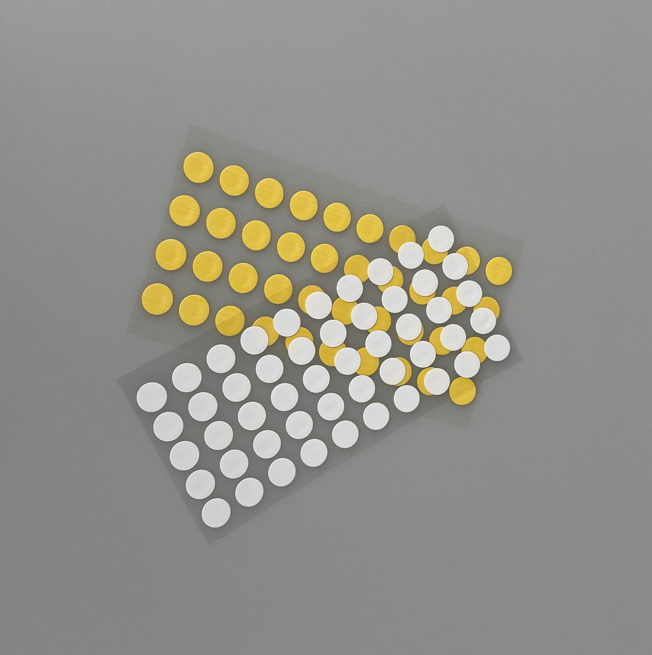
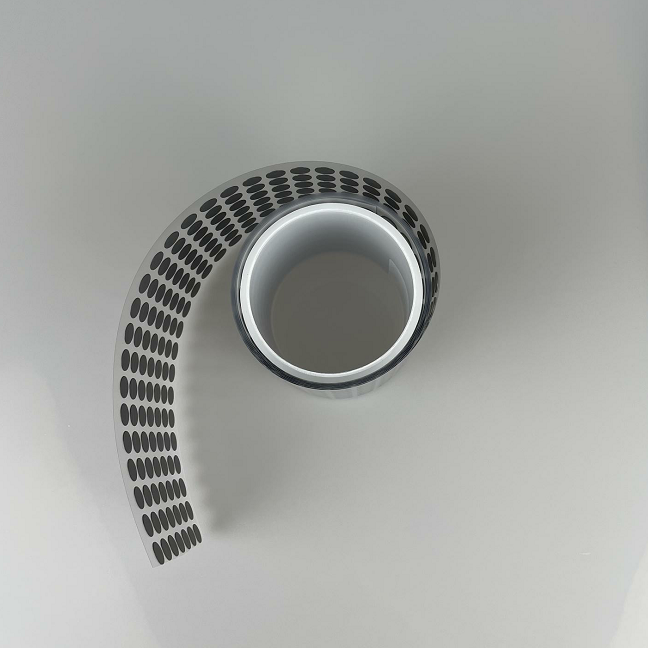
The sensor membrane represents a revolutionary advancement in detection technology, serving as a critical interface between sensing elements and target environments. This sophisticated component functions as a selective barrier that enables precise measurement while protecting sensitive electronic components from harsh external conditions. At its core, the sensor membrane operates through selective permeability, allowing specific molecules or ions to pass through while blocking unwanted substances. This fundamental characteristic makes it essential for accurate readings across diverse applications ranging from medical diagnostics to industrial monitoring systems. The technological foundation of sensor membranes relies on advanced materials science, incorporating polymeric structures, ceramic composites, and specialized coatings that respond to environmental changes. These materials exhibit remarkable stability under varying temperature conditions, chemical exposure, and mechanical stress. The membrane's molecular structure can be engineered to detect specific gases, liquids, or biological markers with exceptional precision. Manufacturing processes involve sophisticated techniques such as spin coating, electrospinning, and layer-by-layer assembly to achieve optimal thickness and uniformity. Quality control measures ensure consistent performance characteristics including response time, selectivity, and durability. Applications span numerous industries including healthcare, environmental monitoring, food safety, automotive systems, and aerospace technology. In medical devices, sensor membranes enable glucose monitoring, blood gas analysis, and drug delivery systems. Environmental applications include air quality assessment, water contamination detection, and soil analysis. Industrial uses encompass process control, leak detection, and emissions monitoring. The versatility of sensor membrane technology continues expanding as researchers develop new materials and fabrication methods, making these components increasingly valuable for next-generation sensing solutions across multiple sectors.

New Product Recommendations

Sensor membranes deliver exceptional performance benefits that directly impact operational efficiency and measurement accuracy. The primary advantage lies in their selective permeability, which ensures precise target detection while eliminating interference from unwanted substances. This selectivity translates into more reliable data collection and reduced false readings, saving time and resources for users. Enhanced durability represents another significant benefit, as these membranes withstand harsh environmental conditions including extreme temperatures, corrosive chemicals, and mechanical stress. This resilience extends equipment lifespan and reduces maintenance costs substantially. Fast response times enable real-time monitoring capabilities, allowing immediate detection of changes in measured parameters. This rapid response proves crucial in safety-critical applications where quick decision-making prevents accidents or system failures. The biocompatibility of many sensor membranes makes them ideal for medical applications, reducing patient discomfort and minimizing adverse reactions. Cost-effectiveness emerges through reduced calibration requirements and extended operational periods between replacements. Users benefit from lower total ownership costs and improved return on investment. Flexibility in design allows customization for specific applications, ensuring optimal performance in diverse operating environments. This adaptability eliminates the need for multiple sensor types, simplifying inventory management and reducing complexity. Energy efficiency represents another practical advantage, as sensor membranes often operate with minimal power consumption, extending battery life in portable devices. The compact size enables integration into space-constrained applications without compromising functionality. Easy installation procedures reduce deployment time and technical expertise requirements, making the technology accessible to a broader user base. Superior chemical resistance protects against degradation from aggressive substances, maintaining accuracy over extended periods. Temperature stability ensures consistent performance across wide operating ranges, eliminating the need for frequent recalibration. These combined advantages position sensor membranes as the optimal choice for demanding sensing applications where reliability, accuracy, and cost-effectiveness are paramount considerations for successful implementation.

Tips And Tricks

How Does a Vent PE Liner Improve Packaging Performance?

21

May

How Does a Vent PE Liner Improve Packaging Performance?

Understanding the Role of Vent PE Liners in Packaging What Are Vent PE Liners? Vent PE Liner Incorporates a unique form of packaging to improve performance by allowing reverse gas exchange but keeping out contaminants. They are unlike older lin...
View More
Why industries use MicroVent®️ ePTFE membranes for auto-lamps?

25

Jun

Why industries use MicroVent®️ ePTFE membranes for auto-lamps?

Preventing Condensation in Auto Lamps with ePTFE Membranes Material Science Behind Pressure Equalization ePTFE membranes are renowned for their exceptional ability to allow gases to pass while effectively blocking liquids at a molecular level. This ...
View More
Are MicroVENT®️ Vent Screw Bolts Suitable for Outdoor and Harsh Environments?

28

Aug

Are MicroVENT®️ Vent Screw Bolts Suitable for Outdoor and Harsh Environments?

Understanding the Durability of Advanced Venting Solutions in Challenging Conditions Industrial equipment and enclosures face constant challenges from environmental factors, making proper venting solutions crucial for maintaining operational integrit...
View More
How to Install a MicroVENT®️ Vent ePTFE Membrane for Acoustic Applications

28

Aug

How to Install a MicroVENT®️ Vent ePTFE Membrane for Acoustic Applications

Essential Guide to Acoustic Membrane Installation The installation of a MicroVENT vent ePTFE membrane represents a crucial step in optimizing acoustic performance while maintaining proper pressure equalization in electronic devices. This comprehensiv...
View More

Get a Free Quote

Our representative will contact you soon.
Email
Name
Company Name
Message
0/1000

sensor membrane

Advanced Material Engineering for Superior Performance

Advanced Material Engineering for Superior Performance

The foundation of exceptional sensor membrane performance lies in cutting-edge material engineering that combines innovative polymeric structures with advanced manufacturing techniques. These membranes utilize specially formulated materials that exhibit remarkable molecular recognition capabilities, enabling them to distinguish between target analytes and potential interferents with unprecedented accuracy. The engineering process involves careful selection of base polymers, cross-linking agents, and functional additives to create a membrane matrix with precisely controlled porosity and chemical affinity. Advanced characterization techniques including electron microscopy, spectroscopy, and permeability testing ensure optimal material properties. The resulting sensor membrane demonstrates exceptional stability across diverse operating conditions, maintaining consistent performance even when exposed to temperature fluctuations, humidity variations, and chemical challenges. This material excellence translates directly into improved measurement reliability and extended operational lifespan. Users benefit from reduced downtime, lower replacement costs, and enhanced confidence in their sensing systems. The sophisticated material composition also enables miniaturization without performance compromise, supporting the development of compact, portable sensing devices. Quality assurance protocols throughout the manufacturing process guarantee batch-to-batch consistency, ensuring predictable performance characteristics. The investment in advanced materials pays dividends through superior sensor membrane functionality that exceeds conventional alternatives in durability, selectivity, and overall value proposition for demanding applications.
Rapid Response Technology for Real-Time Monitoring

Rapid Response Technology for Real-Time Monitoring

Modern sensor membrane technology incorporates rapid response mechanisms that enable instantaneous detection and measurement of target parameters, revolutionizing real-time monitoring capabilities across multiple industries. The secret lies in optimized membrane thickness and enhanced molecular transport properties that minimize diffusion delays while maintaining selectivity. Advanced pore structure engineering creates direct pathways for target molecules while blocking unwanted substances, resulting in response times measured in seconds rather than minutes. This speed advantage proves critical in safety applications where immediate detection prevents accidents, equipment damage, or product quality issues. Process control applications benefit enormously from real-time feedback, enabling automated adjustments that optimize efficiency and reduce waste. The sensor membrane's rapid response capability integrates seamlessly with digital monitoring systems, providing instant data transmission for remote monitoring and automated alert systems. Users gain competitive advantages through faster decision-making, improved process optimization, and enhanced safety protocols. The technology eliminates the lag time associated with traditional sensing methods, enabling more precise control over critical parameters. Manufacturing environments particularly benefit from immediate feedback on air quality, chemical concentrations, and process variables. Medical applications leverage rapid response for patient monitoring systems that require instant alerts for critical parameter changes. Environmental monitoring stations utilize this speed for tracking pollution levels and weather-related parameters. The combination of speed and accuracy positions sensor membrane technology as the preferred solution for applications where timing is crucial for operational success and safety compliance.
Versatile Application Compatibility Across Industries

Versatile Application Compatibility Across Industries

The remarkable versatility of sensor membrane technology enables seamless integration across diverse industry sectors, from healthcare and environmental monitoring to industrial automation and aerospace applications. This adaptability stems from customizable design parameters that allow engineers to tailor membrane properties for specific detection requirements and operating environments. Healthcare applications benefit from biocompatible sensor membranes designed for glucose monitoring, drug delivery systems, and diagnostic devices that interact safely with biological systems. Environmental monitoring utilizes weather-resistant membranes capable of detecting air pollutants, water contaminants, and soil composition under challenging outdoor conditions. Industrial sectors employ robust sensor membranes for process monitoring, leak detection, and quality control in manufacturing environments where chemical resistance and temperature stability are essential. Automotive applications incorporate sensor membranes in emission control systems, cabin air quality monitoring, and fuel system diagnostics. Food and beverage industries rely on food-grade sensor membranes for freshness monitoring, contamination detection, and process optimization throughout production chains. Research laboratories utilize precision sensor membranes for analytical instruments requiring exceptional accuracy and repeatability. Aerospace applications demand sensor membranes capable of functioning in extreme environments with wide temperature ranges and low atmospheric pressure. This broad application compatibility eliminates the need for multiple sensing technologies, simplifying procurement, training, and maintenance procedures. Users benefit from standardized interfaces, common operating principles, and unified support systems across different applications. The scalability of sensor membrane technology accommodates both large-scale industrial installations and compact portable devices, providing flexibility for diverse implementation requirements while maintaining consistent performance standards.

Get a Free Quote

Our representative will contact you soon.
Email
Name
Company Name
Message
0/1000