Set the Use Condition
A breathable ePTFE membrane needs a clear use condition. Do not start with a broad material claim. Start with the enclosure. State what happens inside it. A breathable ePTFE membrane may be considered for a housing. It may be considered for a sensor. It may be considered for a light. It may be considered for an electronic device.
List the operating medium. Is it air? Is it splash water? Is it dust? Is it oil? Is it another exposure? Note the pressure changes too. Note how often they occur. A breathable ePTFE membrane is a product direction. It is not proof that one material fits every design.
State the main need in simple terms. It may be airflow. It may be pressure balance. It may be a barrier need. It may be sound. It may be a mix. The housing and attachment method still matter. A breathable ePTFE membrane must be reviewed as part of the full assembly.
Check the Housing
Housing shape affects the choice. Review the opening. Review the surface. Review the assembly step. Review the free space. A flat area may lead to a membrane discussion. A set opening may lead to a vent plug discussion. A small electronic part may lead to a MEMS protection membrane discussion.
- Record the housing material and vent location first.
- Check if the assembly needs a flat membrane area.
- Check if it needs a molded part interface.
- Note the production step for the vent.
- Share size limits with the inquiry.
These checks do not prove a result. They give the inquiry a useful shape. They also show what documents need review. A breathable ePTFE membrane can then be discussed against the real design.
Compare Product Directions
MicroVENT describes ePTFE materials with a porous structure. Its profile also states composite, laminated, and surface-modification techniques. These facts can guide an early talk. They do not replace a drawing. They do not replace a product specification. They do not replace a project check.
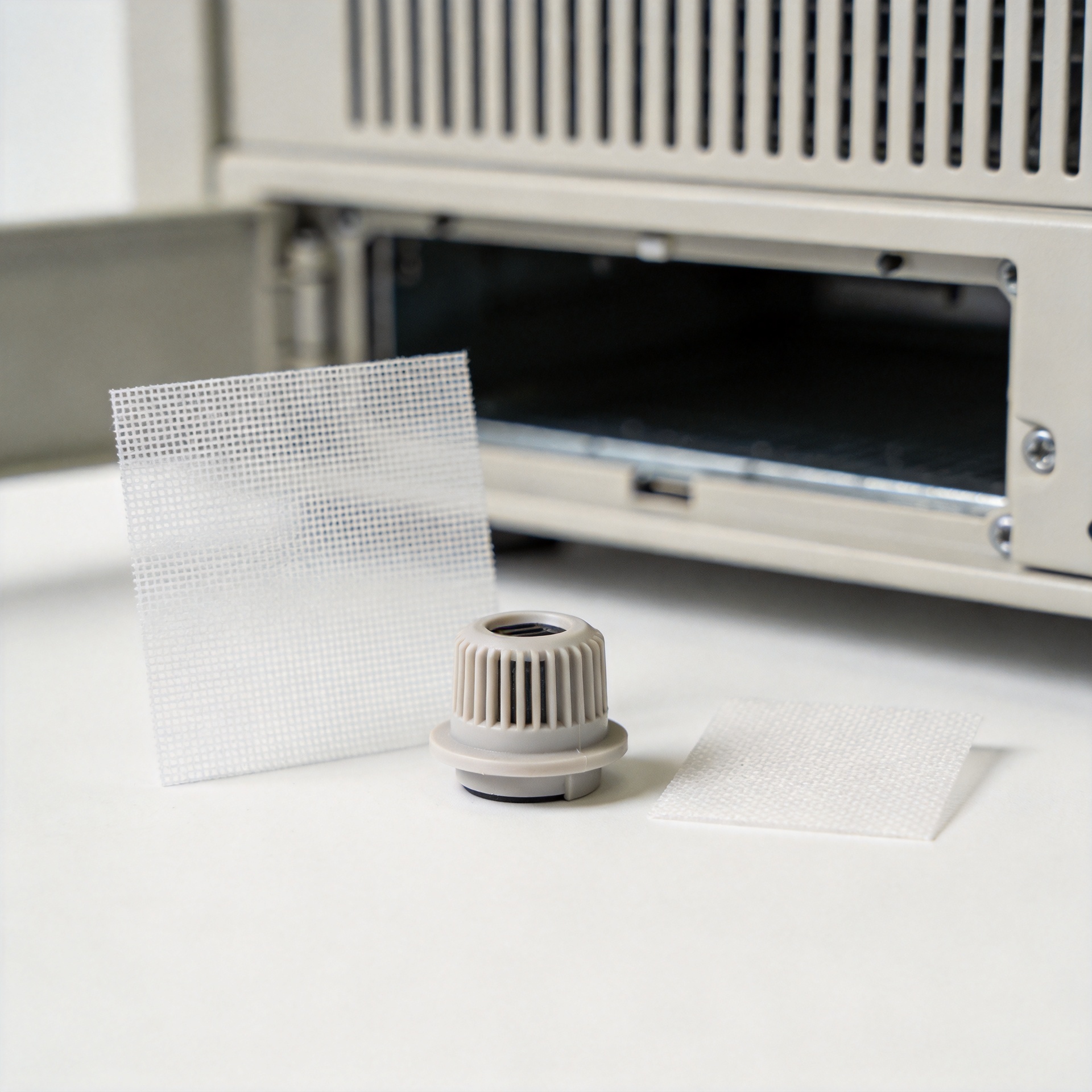
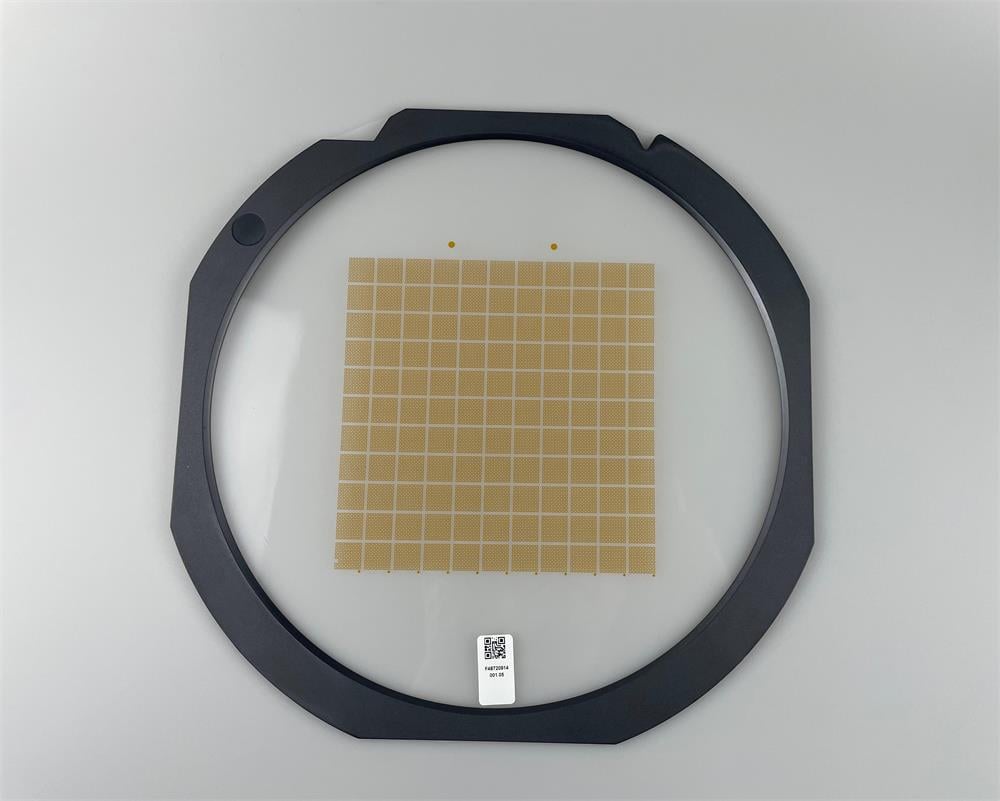
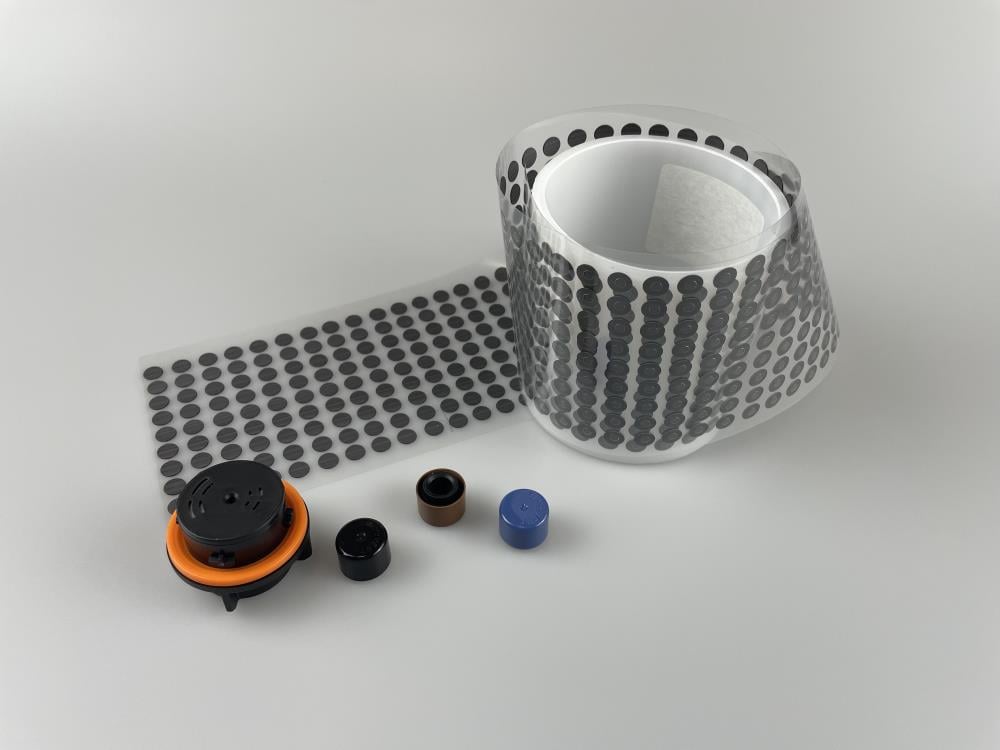
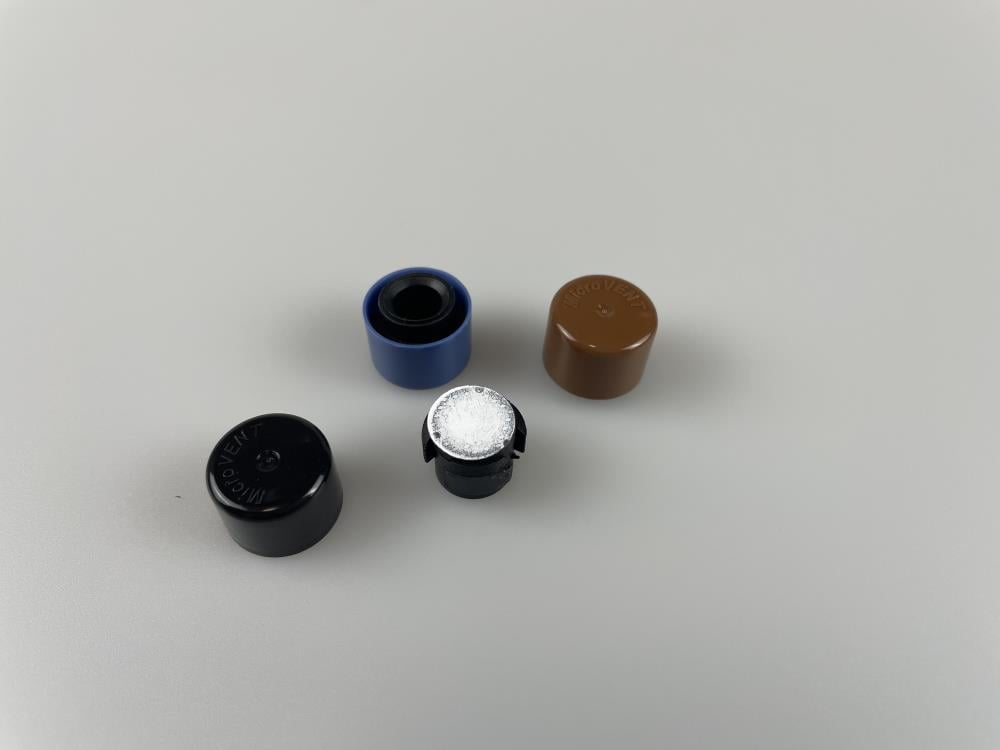
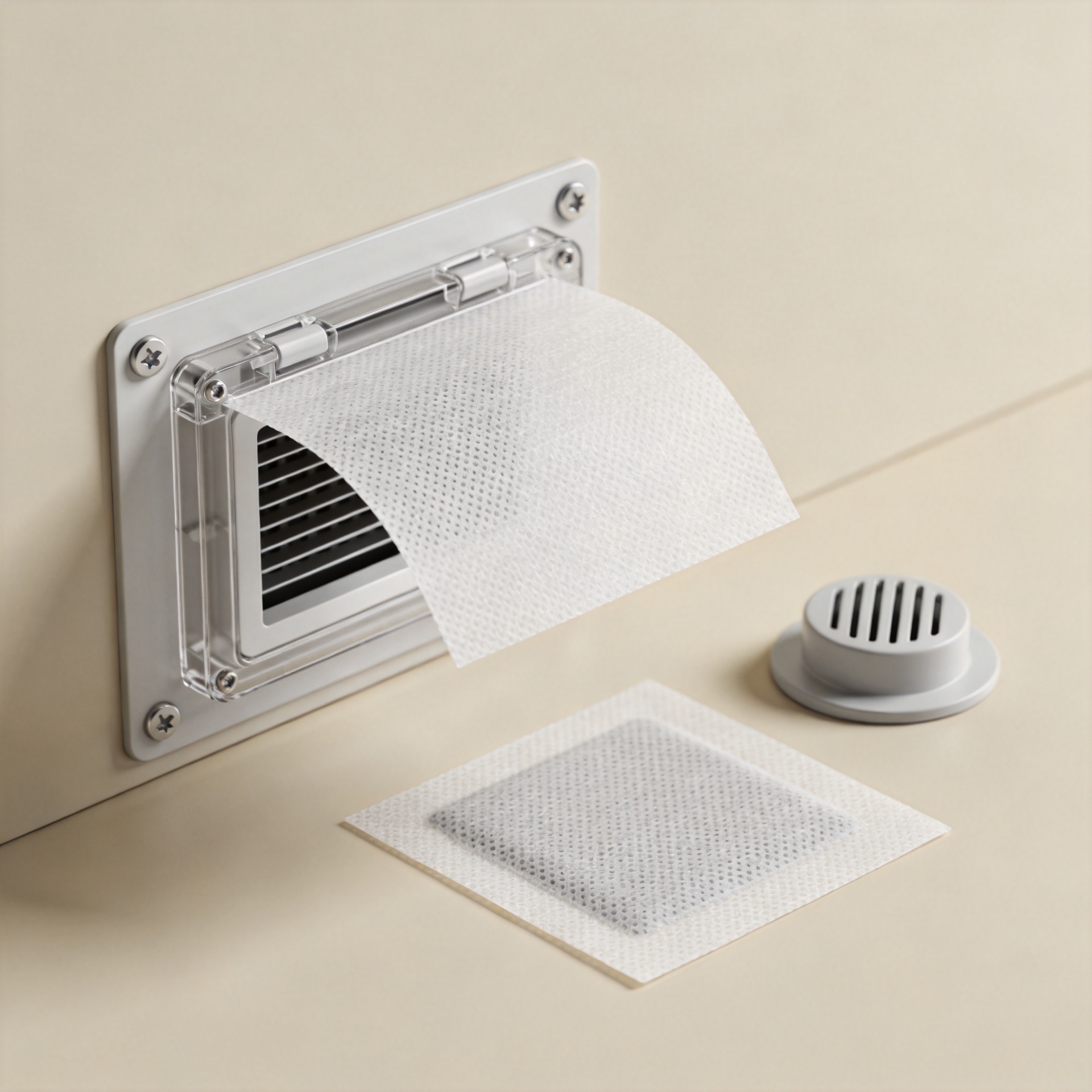
The vent membrane is relevant when a project starts with membrane venting. The vent plug is relevant when the housing opening is central. The MEMS protection membrane is relevant when a compact electronic component is central. A breathable ePTFE membrane should be compared with these formats using the project details.
Use the product cards as a map. Do not treat them as equal answers. The product format should follow the assembly need. A breathable ePTFE membrane may be the first topic. The final selection still needs the real enclosure and installation plan.
Plan the Next Checks
Validation should follow the finished product conditions. Share the intended use. Share drawings when available. Share the operating environment. Share internal acceptance needs. Ask for product information that can be compared with those needs.
Some projects need a rating. Some need an airflow value. Some need a barrier result. Some need a sound result. Some need a test method. Confirm the scope before it becomes a requirement. A breathable ePTFE membrane claim should not stand in for that review.
Split early screening from final approval. Early screening can identify a product direction. A later review can focus on the chosen format. It can also focus on the mounting concept. It can identify the evidence needed by the project. This avoids treating a broad breathable ePTFE membrane statement as proof for every enclosure.
Send a Useful Inquiry
Keep the request simple and specific. Give the device or container type. Give the exposure. Give the vent location. Give the available size. Give the assembly method. Give the reason for venting. State whether the project concerns a housing, sensor, light, package, or electronics assembly.
A breathable ePTFE membrane can be discussed with clear limits. Product documents and application details should support the next step. If the application changes, review the choice again. A new medium may change the review. A new opening may change the review. A new assembly method may change the review. Use the inquiry form to share those facts.
 EN
 AR
 CS
 FR
 DE
 IT
 JA
 KO
 PT
 RU
 ES
 ID
 VI
 TH
 TR
 MS